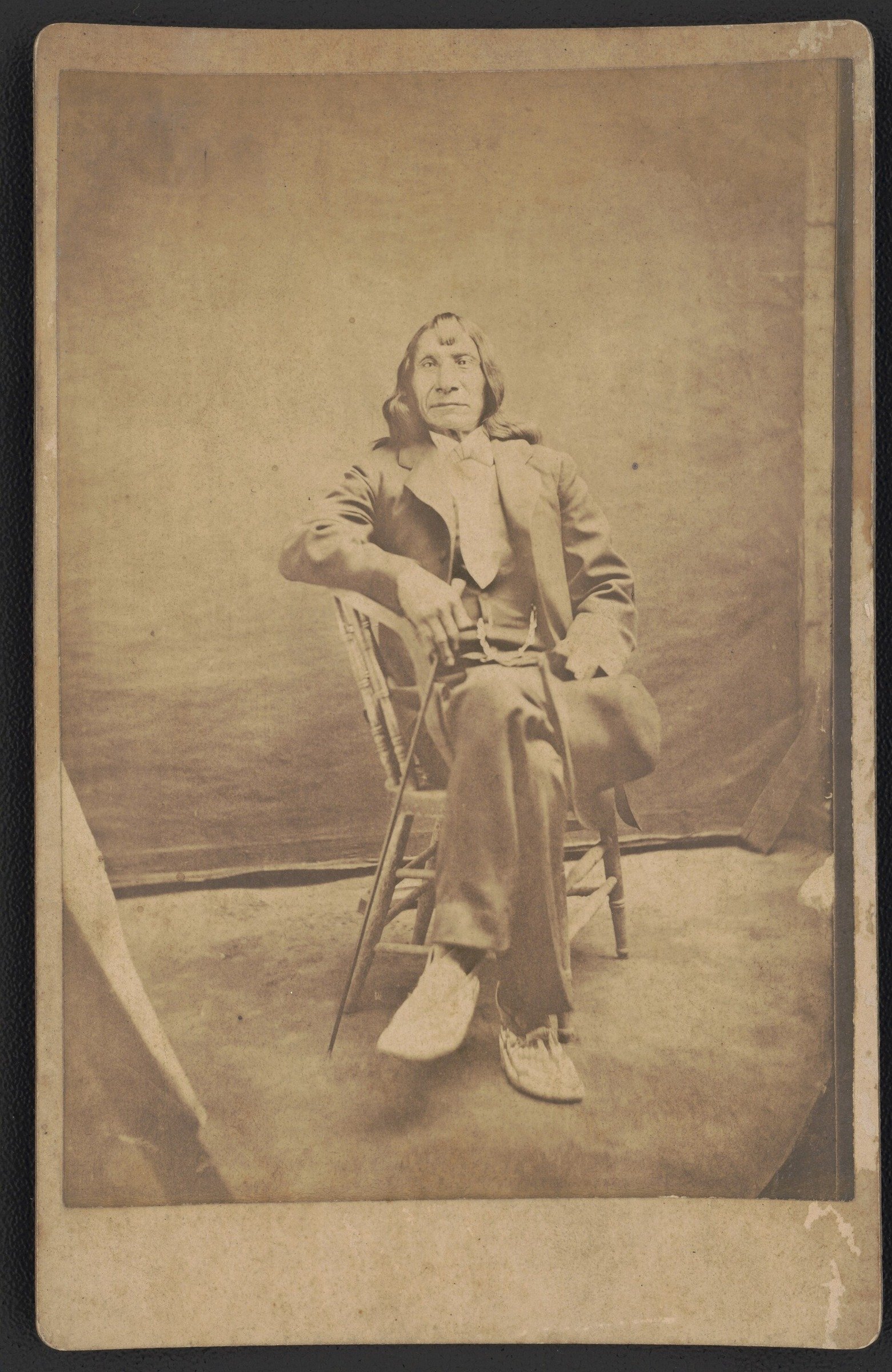
They were both Oglala Lakota. They both fought the U.S. Army. In the 1860s, they won a war together.
Ten years later, one of them was dead in a guardhouse at Fort Robinson, and the other was among the leaders who agreed to march with the soldiers to arrest him.
The story of Crazy Horse and Red Cloud is one of the most painful in Lakota history. It is not a simple story of one man betraying another. It is about two leaders who chose different ways to protect their people.
One War, Two Leaders
Red Cloud, born around 1822, was already a respected Oglala leader when the U.S. Army built forts along the Bozeman Trail in 1866. He led the Lakota in what became known as Red Cloud’s War, the only war in which the Plains nations forced the United States to abandon its forts.
One of the war’s most famous moments was the Fetterman Fight of December 1866, when 81 soldiers were lured into a trap. Crazy Horse, then in his twenties, was among the decoy warriors who led them in. By the end of the war, both men were heroes.
Two Roads
After the war, their paths split.
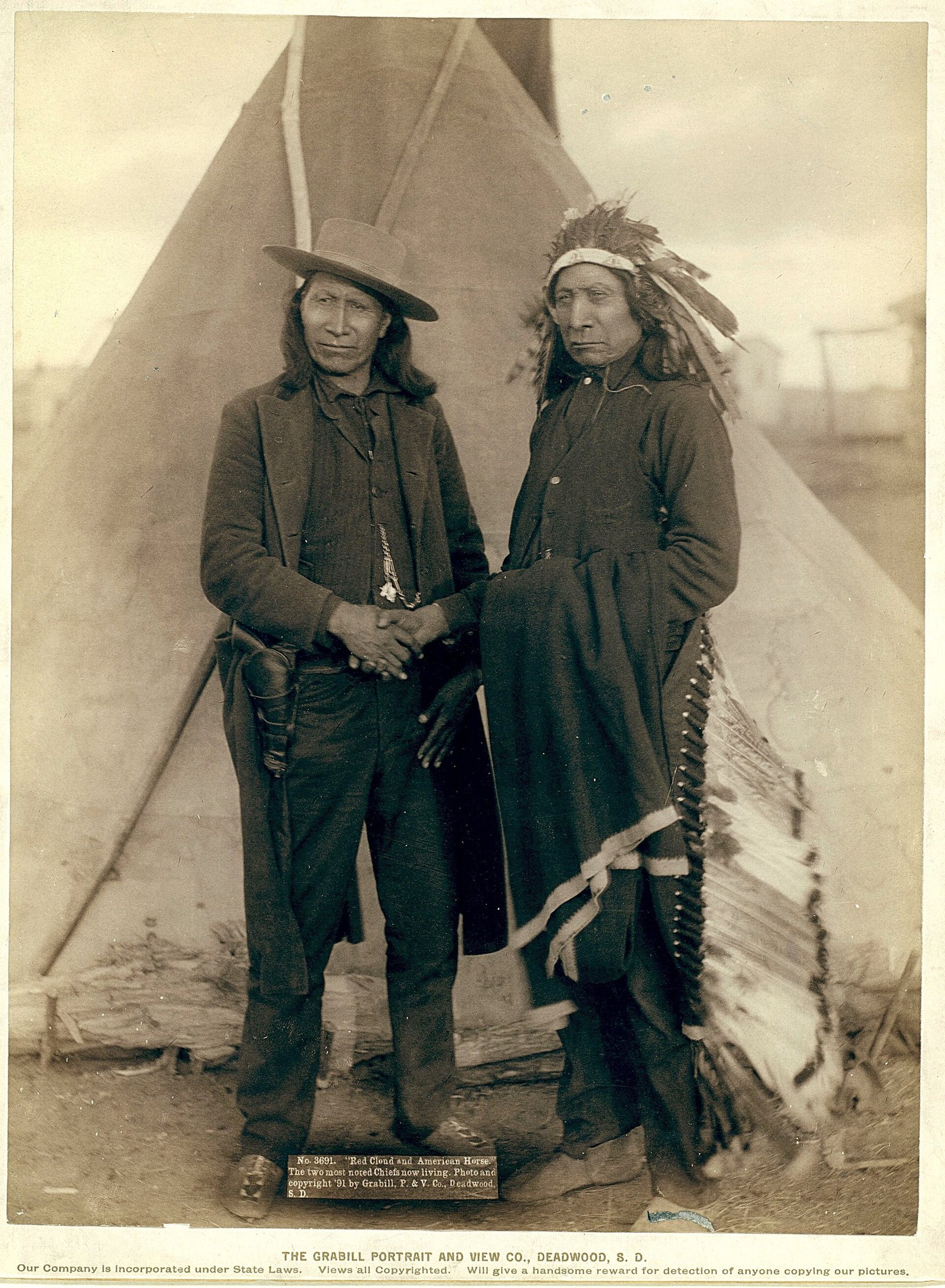
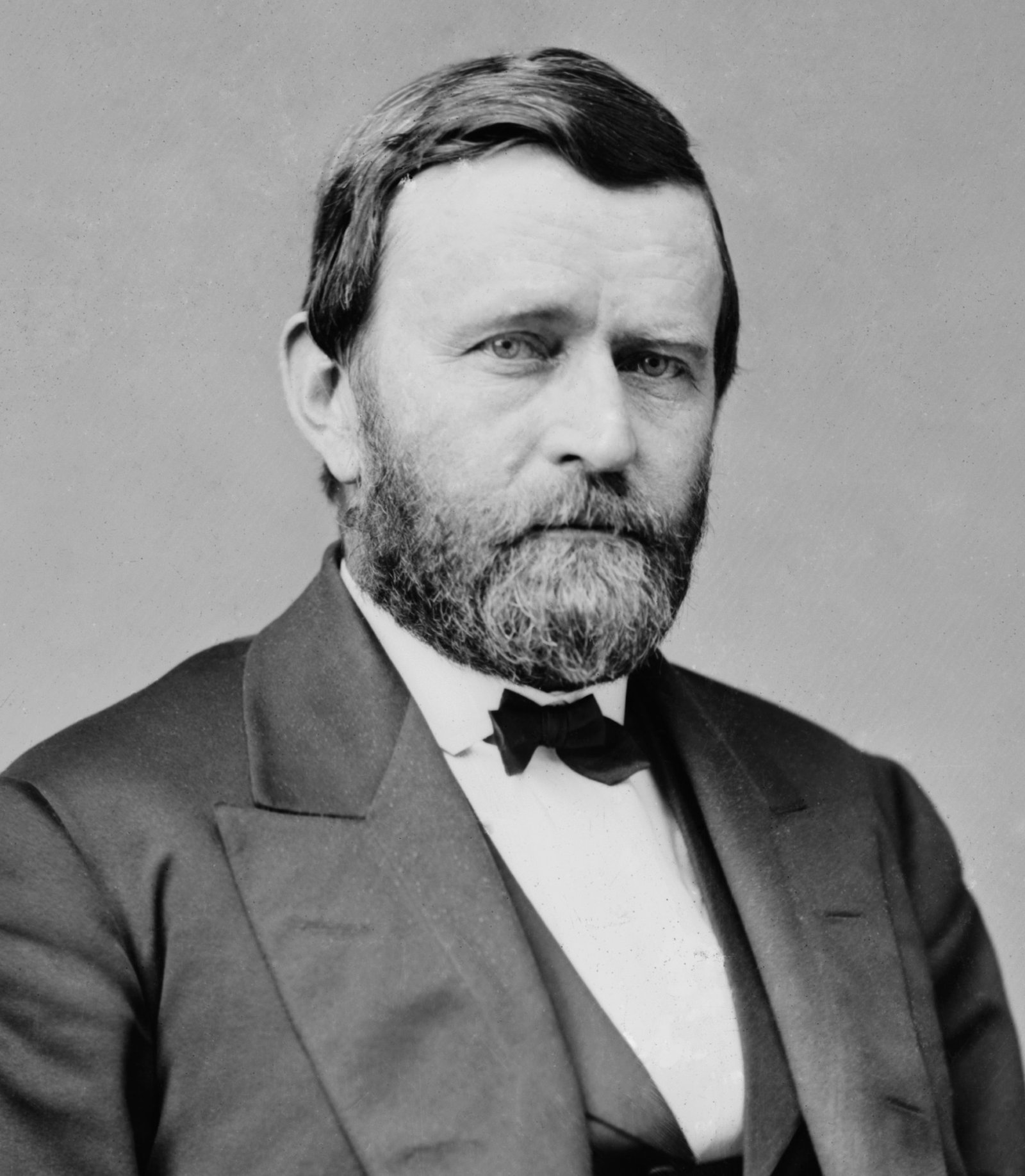
Red Cloud signed the treaty. He refused to sign the 1868 Treaty of Fort Laramie until the Army had left the forts in his country. Charles Eastman wrote that he was the last to sign. Then he turned to diplomacy. In 1870, he traveled to Washington, met Grant and Ely S. Parker, and spoke to a New York audience about the wrongs done to his people. When the government tried to buy the Black Hills in 1875, he led a delegation to Washington that refused.
Crazy Horse refused everything. He signed no treaties, stayed away from the agencies, and avoided the white man’s world. When the Great Sioux War began in 1876, he took the field and, with Sitting Bull and others, led the warriors who stopped General Crook at the Rosebud and destroyed Custer at the Little Bighorn. Red Cloud, by contrast, did not take part in the war.
Neither choice was easy. One man tried to protect his people by talking, and the other by fighting.
The Surrender And The Agency
In May 1877, after a winter of hunger and pursuit, Crazy Horse led his followers into the Red Cloud Agency, near Fort Robinson in Nebraska. For four months, he lived in a village nearby.
That is where the trouble began. The Army watched him closely, and the Lakota leaders who had accepted agency life began to see him as a threat. According to one account, rumors spread that the government planned to make him the chief over all the Lakota. Leaders such as Red Cloud, Spotted Tail and American Horse, who had worked hard to hold their own positions and keep the peace, feared what his presence could do. Crazy Horse openly disliked white people and made no secret of wanting to return to the north.
“Quiet Him”
American Horse and other Oglala leaders worried that unrest could ruin the peace talks in Washington. They discussed how to “quiet” Crazy Horse and “bring him into a better state of feeling.” He refused to meet with them.
Then came the rumors. One story reached General George Crook that Crazy Horse planned to kill him at a coming council. It was passed along through a Lakota messenger, Woman’s Dress, who warned that the agency chiefs believed it. Crook believed the warning, and summoned the chiefs to Camp Robinson. Crazy Horse ignored the call.
The Chiefs Agree To Help
At the council, the chiefs said they disapproved of Crazy Horse and would follow Crook’s lead. Crook told them to prove their loyalty by arresting him. According to one account, some of the chiefs suggested killing him instead. Crook refused, calling it murder.
Red Cloud, American Horse, Little Wound, and They Even Fear His Horses agreed to march alongside the soldiers to arrest him.
No source says that Red Cloud wanted Crazy Horse dead. But he and the other agency chiefs chose to take the Army’s side against a man they saw as a danger to the peace, and a rival for the leadership of their people.
September 5, 1877
On September 4, soldiers and about 400 friendly Indians moved on his village, but it had scattered overnight. Crazy Horse went to the Spotted Tail Agency, where he was arrested.
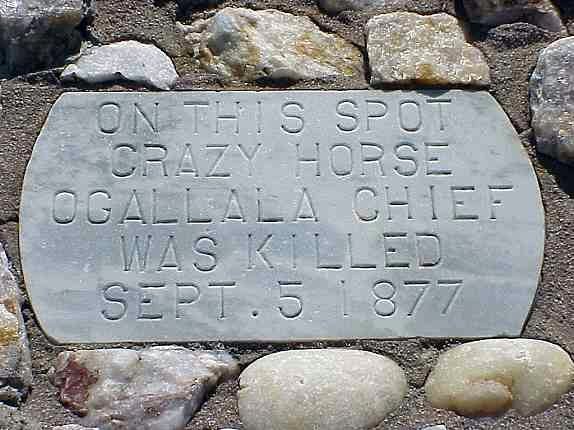
The next day, he was taken to Fort Robinson. At the guardhouse, he realized he was being imprisoned. He struggled with the guard and with Little Big Man, who was holding him. A guard stabbed him with a bayonet. Dr. Valentine McGillycuddy treated him, and he died that night.
Was It Really A Rivalry?
The word “rivalry” may be too simple. Historians point to many pressures: the Army’s own fears, the competing ambitions of several chiefs, misunderstandings and mistranslations, and the new world of the reservation, where chiefs had to guard their people’s rations and their own standing. The sources that describe the conflict are written by outsiders or recorded decades later, and some details are disputed.
What is clear is that two Lakota ways of surviving met at Camp Robinson. One was to negotiate. The other was never to yield. In 1877, the first prevailed.
After Crazy Horse
Red Cloud lived on. He led his people through the reservation years and died at Pine Ridge in 1909, at about the age of 87. Crazy Horse, killed at about 37, left no treaties, no confirmed photograph and no written words. His family took his body away and hid it.
Today both men are remembered as great Lakota leaders. Their story is a reminder that the hardest fights were not only against the Army, but over how a people should face a changing world.
After reading about the two leaders, find out what happened to Crazy Horse’s body. Then read 10 mysteries of Crazy Horse that historians still can’t answer.
Related Stories
- 8 Native Chiefs Who Fought At The Little Bighorn
- Sitting Bull’s Sun Dance Vision: “Soldiers Falling Into Camp” Before The Little Bighorn
- 10 Powerful Quotes From Native American Leaders, And What Was Happening When They Said Them
- 10 Things Hollywood Got Wrong About Native Americans
- How Crazy Horse Destroyed Custer’s Command At The Little Bighorn