On June 25, 1876, Lakota and Cheyenne warriors destroyed George Armstrong Custer and five companies of the 7th Cavalry at the Little Bighorn. It was the greatest Native victory of the wars on the Plains.
But the victory did not last. Within a year, most of the warriors who fought that day had surrendered. Others had fled to Canada. Their sacred Black Hills had been taken, and some of their greatest leaders were dead.
This is what happened to the victors of the Little Bighorn.
The Great Camp Breaks Apart
The village on the Little Bighorn was one of the largest gatherings of Plains people ever seen, with thousands of Lakota, Cheyenne and Arapaho people camped together. But a camp that big could not stay in one place for long. There was not enough grass for the horse herds or game for the hunters.
Within days of the battle, the camp packed up and moved away. Over the following weeks, the bands split into smaller groups and scattered across the Plains. That made them harder for the Army to find, but it also made each band easier to defeat when the soldiers did find them.
America Wants Revenge
News of Custer’s death reached the East in early July 1876, just as the country was celebrating its 100th birthday. The reaction was fury.
The Army sent thousands more soldiers into the northern Plains. Congress also struck at the Lakota in another way. On August 15, 1876, it passed a law that cut off all food rations to the Sioux until they gave up the Black Hills and the hunting lands to the west. Historians often call it the “sell or starve” law.
A government commission, led by George Manypenny, took the papers to the reservation agencies that fall. The 1868 Treaty of Fort Laramie said any land sale needed the signatures of three-quarters of the adult Lakota men. Only about 10 percent signed. Congress made the deal law anyway on February 28, 1877, and took the Black Hills.
Also read: 10 Mistakes That Led To Custer’s Last Stand
The Army Strikes Back
Through the fall and winter of 1876, the Army hunted the scattered bands one by one.
On September 9, 1876, soldiers under General George Crook attacked the Lakota village of American Horse at Slim Buttes, in present-day South Dakota. American Horse was badly wounded and died soon after. In the camp, soldiers found items taken from the 7th Cavalry at the Little Bighorn.
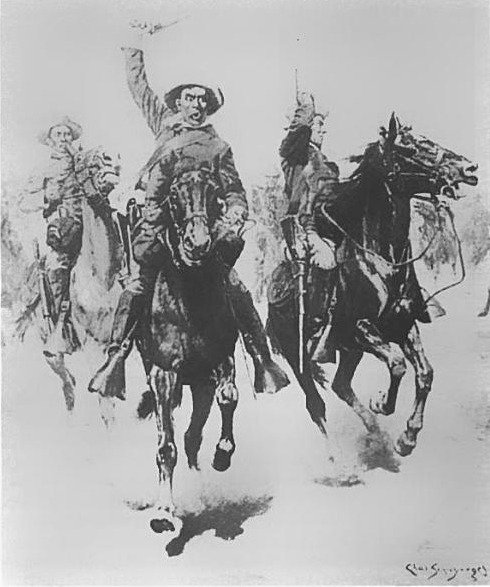
On November 25, 1876, Colonel Ranald Mackenzie’s troops attacked the Northern Cheyenne village of Dull Knife and Little Wolf in the Bighorn Mountains. The soldiers burned the village with its winter food, lodges and clothing. In the bitter cold that followed, Cheyenne families fled on foot, and some of the children and elders froze to death.
On January 8, 1877, in deep snow, Colonel Nelson Miles fought Crazy Horse‘s warriors at Wolf Mountain in Montana. Neither side won clearly, but the Lakota and Cheyenne were running out of food, ammunition and places to hide.
The Surrenders
Hungry and worn out, the bands began to give up.
In April 1877, the Cheyenne chief Two Moons, who had fought at the Little Bighorn, surrendered with about 300 people to Colonel Miles at Fort Keogh in Montana. Soon after, he and some of his warriors signed on as scouts for the Army they had fought.
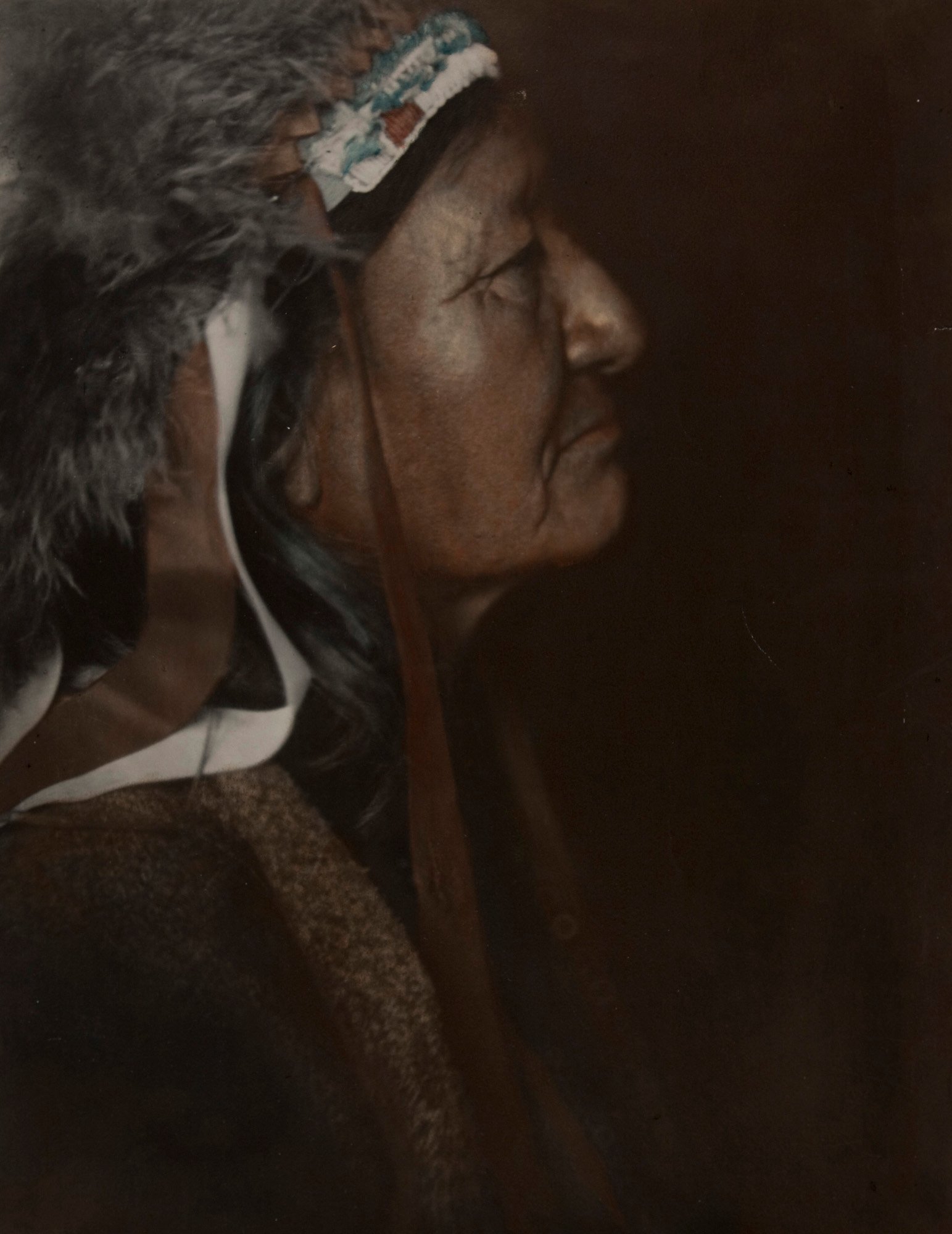
On May 6, 1877, Crazy Horse rode into Camp Robinson in Nebraska with about 900 of his people and gave up. Four months later, on September 5, 1877, he was killed there, stabbed with a soldier’s bayonet during an attempt to arrest him.
Days after Crazy Horse surrendered, on May 7, 1877, Miles attacked the Minneconjou village of Lame Deer in Montana. Lame Deer was killed. It was the last real battle of the Great Sioux War.
Sitting Bull Flees To Canada
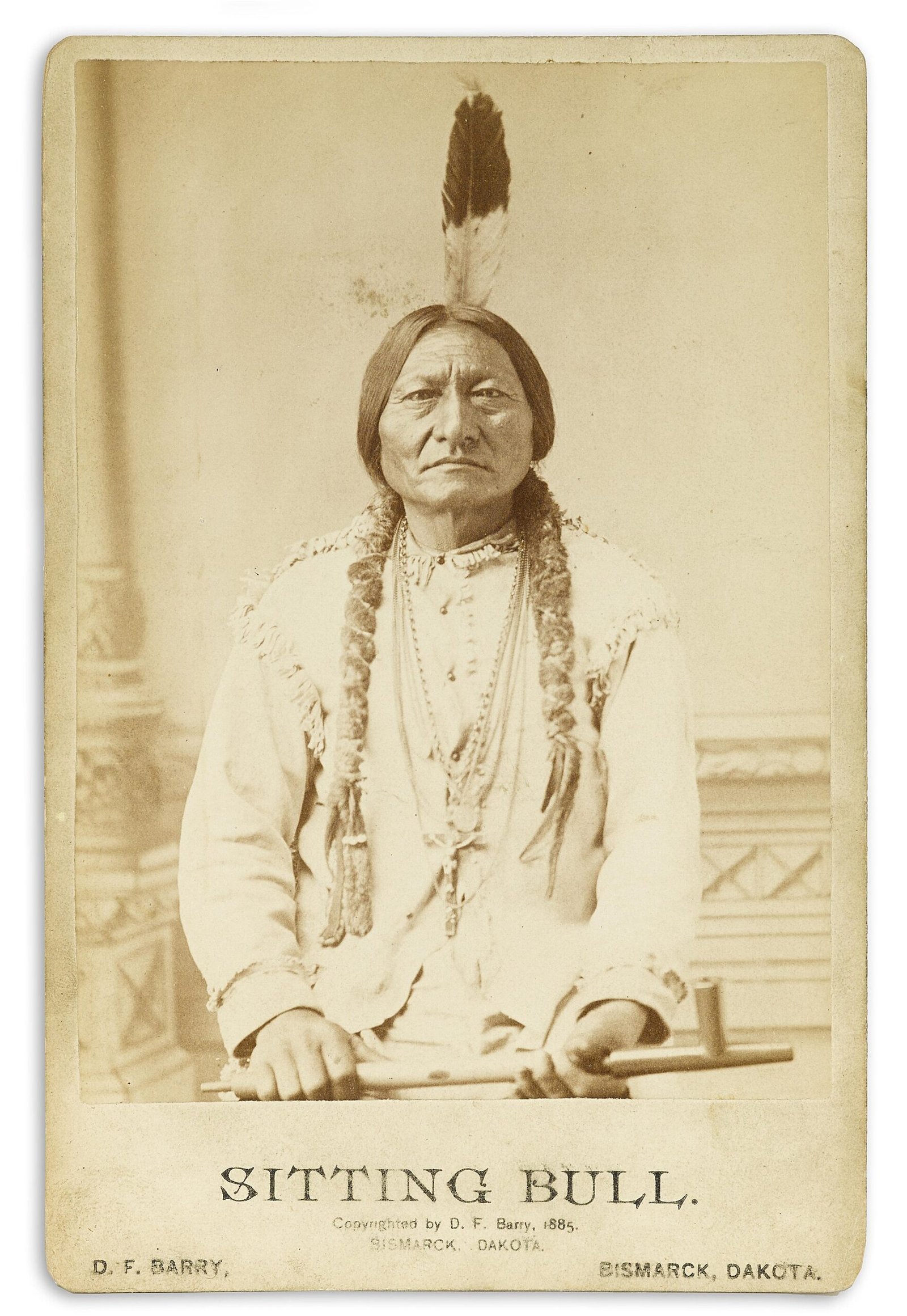
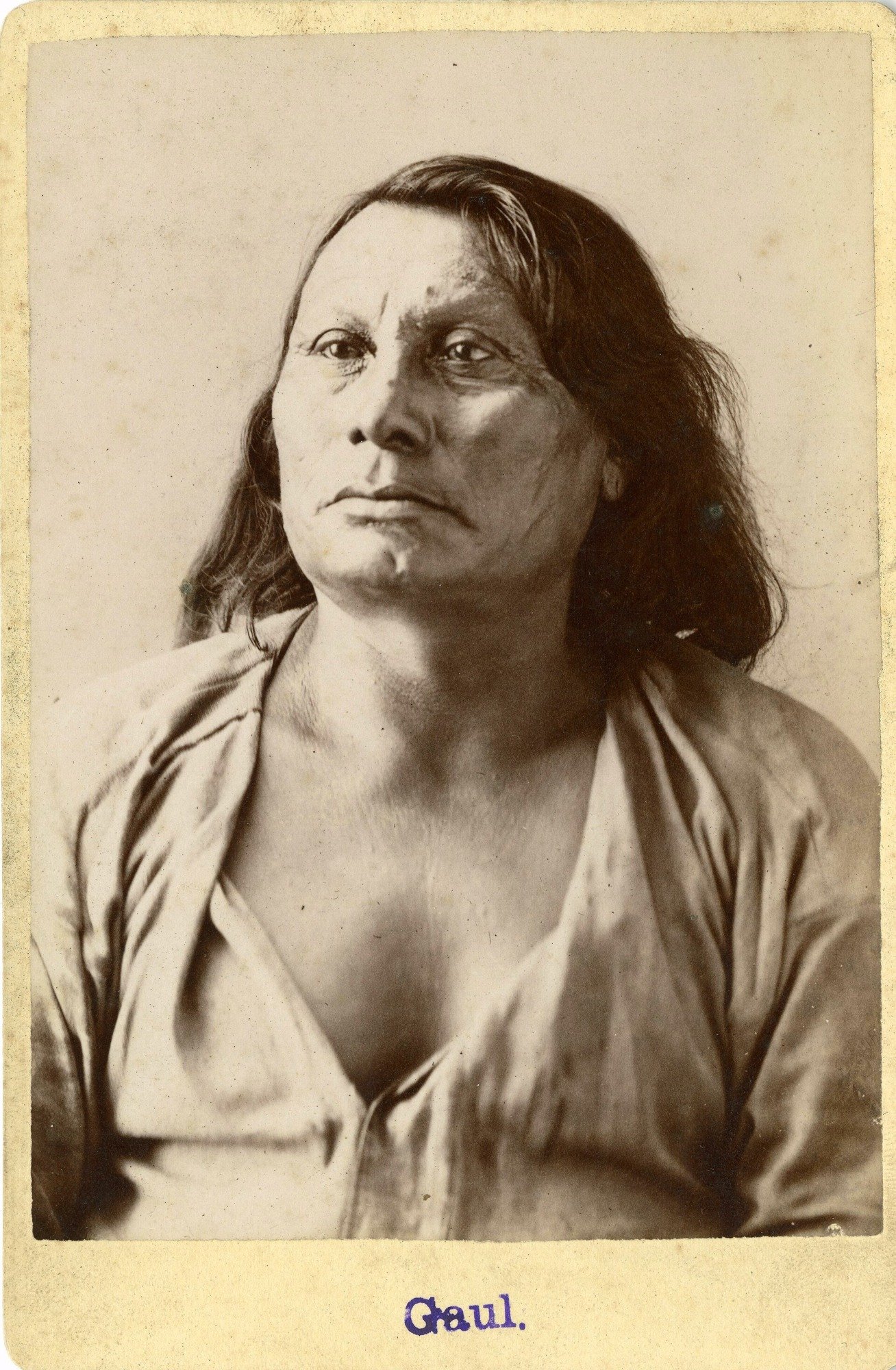
Sitting Bull refused to surrender. In the spring of 1877, he led his people north across the border into Canada, which the Lakota called the “Grandmother’s Land,” after Queen Victoria. The war chief Gall went with him.
For four years they lived in Canada. But the buffalo were disappearing, Canada would not give them a reservation, and the people were starving. Family by family, they began to drift back south to surrender.
Gall surrendered in early 1881. On July 19, 1881, Sitting Bull rode into Fort Buford, in present-day North Dakota, with fewer than 200 followers. He had his young son, Crow Foot, hand over his rifle.
Instead of being sent home, Sitting Bull was held as a prisoner of war at Fort Randall for almost two years before being allowed to join his people at Standing Rock.
Also read: How Crazy Horse Destroyed Custer’s Command At The Little Bighorn
The Cheyenne Exile
The Northern Cheyenne suffered some of the hardest fates. After their surrender, about 1,000 of them were sent far south to a reservation in Indian Territory, today’s Oklahoma. They were sick, hungry and far from home.
In September 1878, about 350 of them, led by Dull Knife and Little Wolf, fled and walked north toward their homeland. Dull Knife’s group was captured and held at Fort Robinson. When they were ordered back south in the middle of winter, they refused.
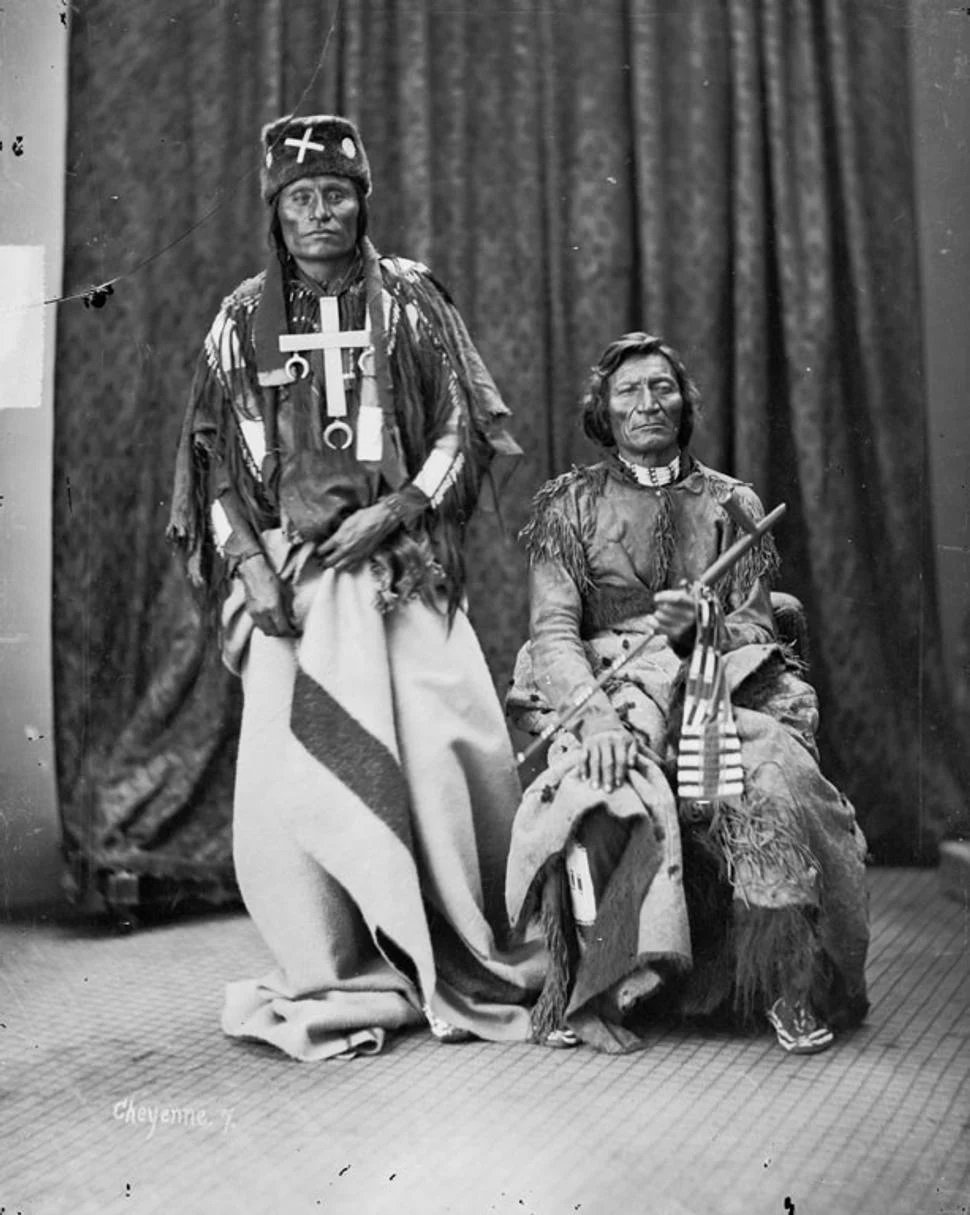
On the night of January 9, 1879, the Cheyenne broke out of the barracks where they were locked without food or heat. Soldiers chased them through the snow for days. Dozens were killed. Dull Knife survived and reached the Pine Ridge Agency.
Their courage was not for nothing. In 1884, the government finally created a reservation for the Northern Cheyenne in their homeland in Montana, where they still live today.
Life On The Reservation
The men who had won the Little Bighorn spent the rest of their lives on reservations. Their horses and guns were gone, the buffalo were nearly gone, and their children were sent to government boarding schools.
For many years, many of the veterans of the battle were afraid to talk about it, fearing they would be punished. Only later did warriors like Two Moons, Wooden Leg and Red Horse tell their stories.
The end came for Sitting Bull on December 15, 1890, when Indian police were sent to arrest him at his home on the Grand River. In the struggle that followed, he was shot and killed. Two weeks later, the Army massacred Lakota people at Wounded Knee.
Winners Who Lost
The warriors of the Little Bighorn won the most famous battle of the Indian Wars. But in the year that followed, they lost almost everything they had fought for: their freedom, their hunting lands and the Black Hills.
Yet they were never forgotten. Today, a memorial to the Native warriors stands on the battlefield, not far from the monument to Custer’s soldiers. And the Lakota have never accepted the taking of the Black Hills. In 1980, the U.S. Supreme Court agreed the land had been taken illegally and awarded money. The Lakota refused to take it. They still want their land back.
Related Stories
- Who Really Killed Custer? His Two Wounds And The Conflicting Accounts
- 10 Things You Didn’t Know About George Armstrong Custer
- The Sacred Cheyenne Warning Custer Ignored Seven Years Before The Little Bighorn
- 7 Battles Where Native Nations Defeated The U.S. Army
- Buffalo Calf Road Woman: The Cheyenne Woman Who Struck Down Custer