Almost everyone knows how George Armstrong Custer died. On June 25, 1876, he and every soldier in the five companies with him were killed by Lakota, Cheyenne and Arapaho warriors at the Little Bighorn.
But the man behind “Custer’s Last Stand” is far stranger than the legend. He nearly lost his career before it started, won a reputation for luck that seemed impossible, angered a sitting president, and became famous after death partly thanks to a beer company. Here are 10 things you probably didn’t know about him.
1. He Finished Dead Last At West Point
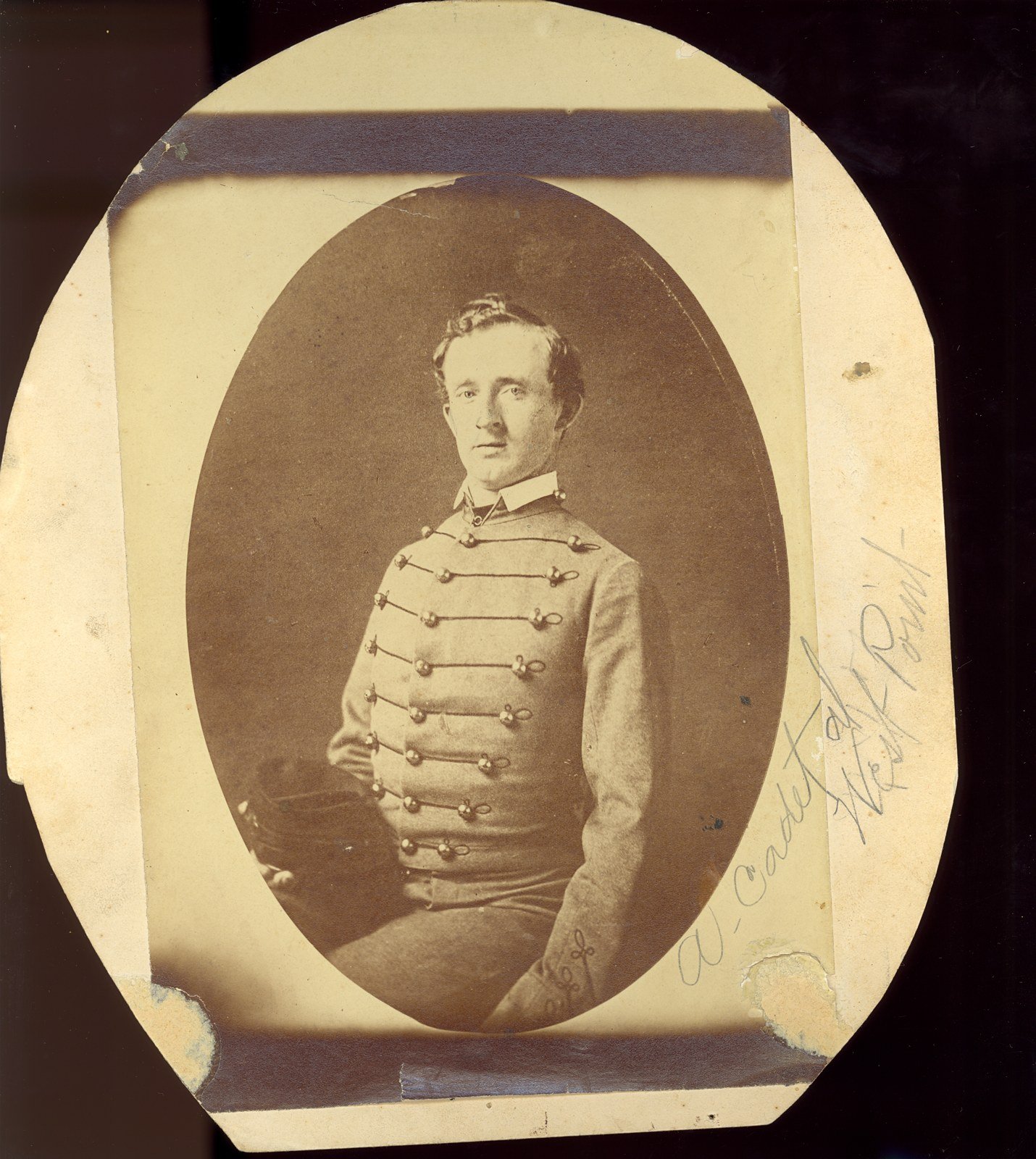
Custer entered the U.S. Military Academy at West Point in 1857. He spent more energy on pranks than on study, and over four years he piled up 726 demerits, one of the worst conduct records in the academy’s history.
When his class graduated in June 1861, Custer ranked 34th out of 34. At West Point, the last man in the class is known as “the goat.” In peacetime, a record like that could have ended a career. But the Civil War had just begun, and the Union needed every officer it could get.
2. He Was Court-Martialed Before He Even Left The Academy
Days after graduation, Custer was serving as officer of the guard at the cadets’ summer camp when two cadets started a fistfight. Instead of breaking it up, he pushed back the crowd so the two could fight it out fairly.
An officer, Lieutenant William Hazen, stopped the fight and arrested Custer. According to HistoryNet, Custer later explained that “the instincts of a boy” had won out over his duty. He was court-martialed in July 1861 and found guilty, but with the war raging he got off with only a reprimand.
3. One Night Of Drinking Made Him Quit For Life
In the fall of 1861, while home in Monroe, Michigan, Custer drank too much at a local tavern and staggered through the streets. His sister saw him drunk for the first time.
The embarrassment changed him. From then on, Custer never drank alcohol again, and he even persuaded his younger brother Tom to take the pledge too. The wild cavalry commander of legend was, in fact, a lifelong teetotaler.
4. “Custer’s Luck”: 11 Horses Were Shot From Under Him
Custer led his men from the front, often the first to charge. According to the National Park Service, he had 11 horses shot from under him during the Civil War, yet was wounded only once.
His survival became so famous that people called it “Custer’s Luck.” It lasted until June 25, 1876.
5. He Was A General At 23, But Not At Little Bighorn
In June 1863, at just 23, Custer was promoted to brigadier general of volunteers, earning the nickname “the Boy General.” By the end of the war he was a major general.
But those were temporary wartime ranks. When the huge volunteer army was disbanded in 1865, Custer dropped back to captain in the regular army. In 1866 he became lieutenant colonel of the new 7th Cavalry. So although newspapers and his men kept calling him “General Custer,” he died at the Little Bighorn as a lieutenant colonel.
6. He Was Court-Martialed Again In 1867
In 1867, during a campaign on the Kansas plains, Custer left his command without permission and rode across the state to see his wife, Libbie. He was also accused of harsh treatment of deserters, including ordering some of them shot.
At his court-martial at Fort Leavenworth, held from September to October 1867, he was found guilty of several charges and suspended from rank and command for one year without pay. He was called back early, in 1868, to lead a winter campaign against the Southern Cheyenne.
7. He Posed With A Grizzly In The Black Hills
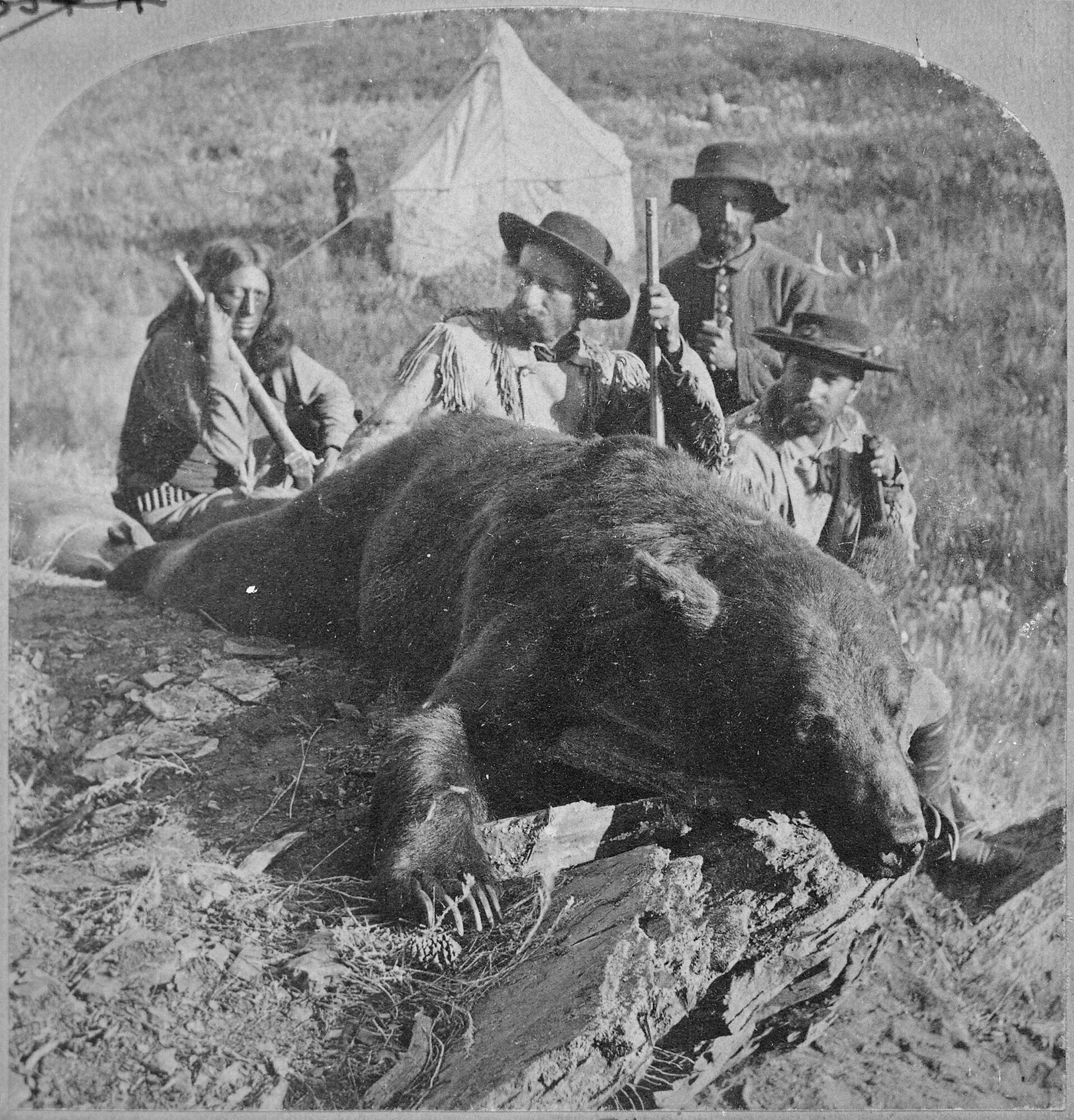
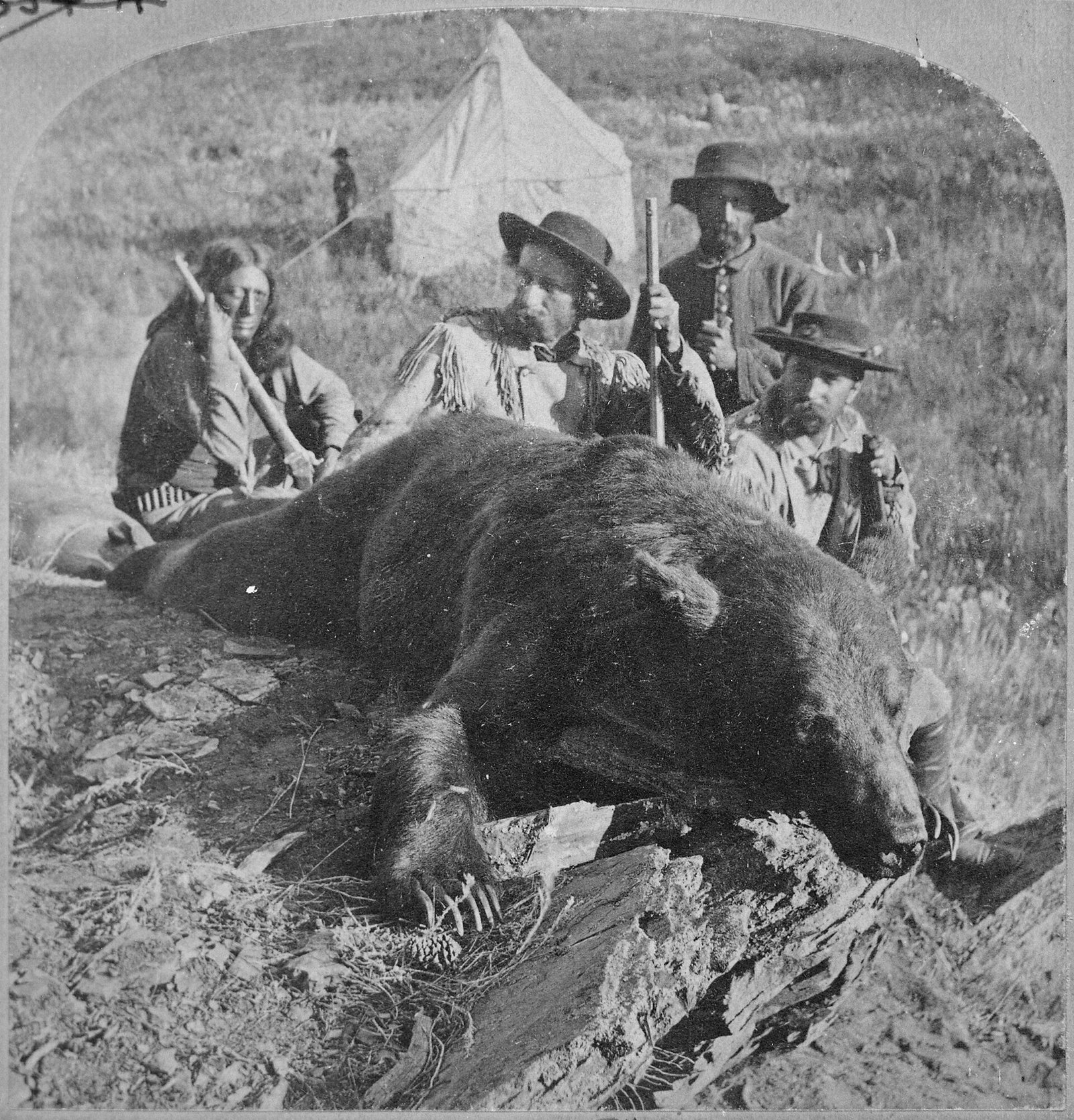
In 1874, Custer led an Army expedition into the Black Hills, land guaranteed to the Lakota by treaty. On August 7, during the return march, he and his companions brought down a large grizzly bear.
Photographer William H. Illingworth captured Custer posing with the bear alongside Private John Noonan, Colonel William Ludlow and Bloody Knife, Custer’s favorite scout. It became one of the most famous photographs of the American West. Two years later, both Custer and Bloody Knife died at the Little Bighorn.
8. He Angered The President Weeks Before He Died
In the spring of 1876, Custer was called to Washington to testify before Congress about corruption involving Secretary of War William W. Belknap and the selling of lucrative trading posts on Army forts. His testimony also touched President Ulysses S. Grant’s own brother, Orvil.
Grant was furious. Custer was removed from command of the coming campaign, and when he left Washington without seeing the president, he was arrested in Chicago on May 3. Only after pleas from Custer and his superiors did Grant relent and let him lead the 7th Cavalry, under General Alfred Terry’s direct command. Seven weeks later, Custer was dead.
9. His Famous Long Hair Was Gone At The Little Bighorn
Custer was known for his long golden curls, which he was said to scent with cinnamon oil. But by 1876 his hair was thinning. Before the regiment left Fort Abraham Lincoln that spring, he and another officer with thinning hair, Lieutenant Charles Varnum, had their heads clipped short.
The paintings of a long-haired Custer making his last stand get this detail wrong. On June 25, 1876, his hair was short.
10. A Beer Company Helped Make His “Last Stand” Famous
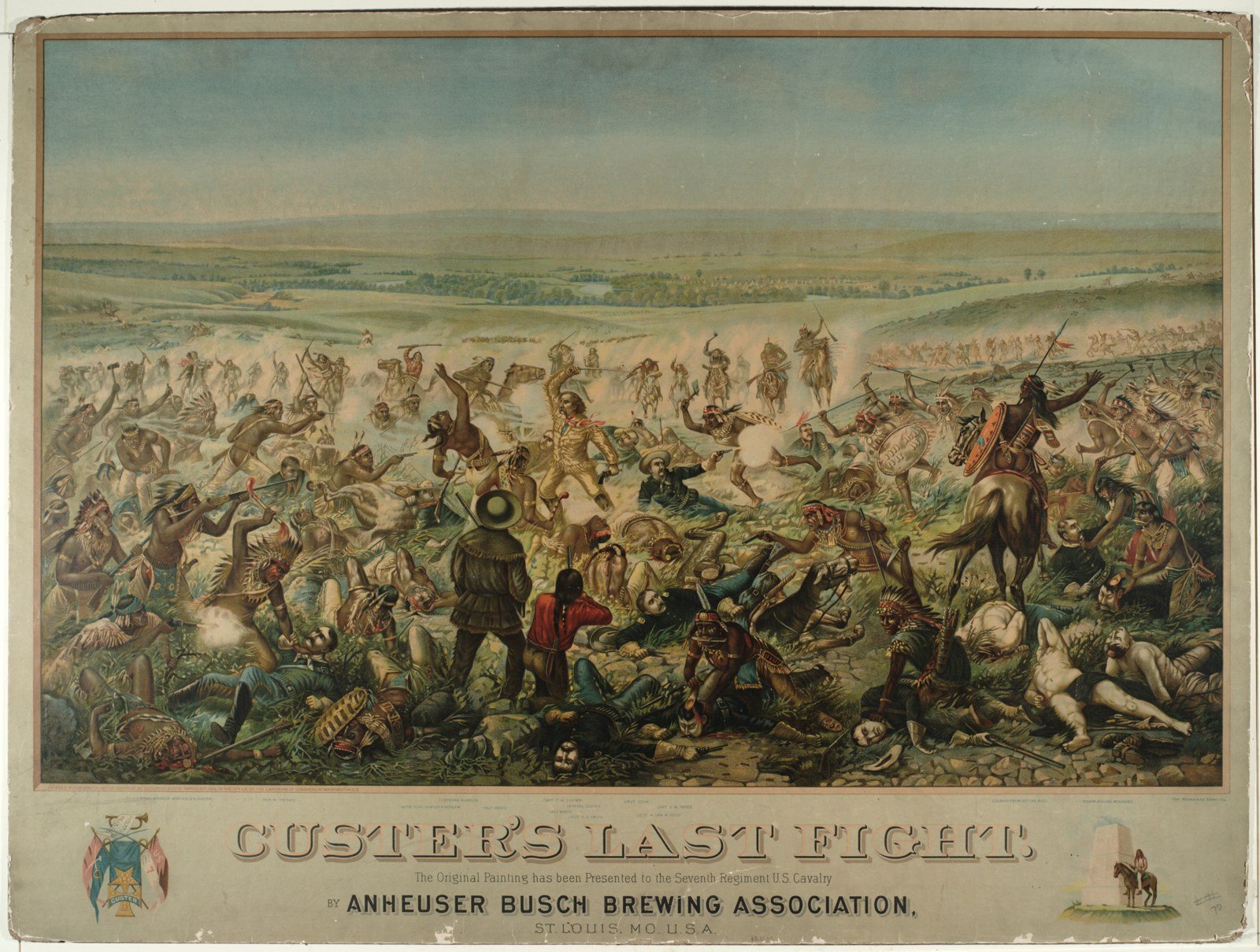
In 1896, brewer Anheuser-Busch released a lithograph called “Custer’s Last Fight,” based on a painting by Cassilly Adams and redrawn by F. Otto Becker. The company printed about 150,000 copies and hung them in saloons across America to advertise its beer.
For generations, that dramatic image, with Custer standing tall among his falling men, was how millions of Americans pictured the battle. Hollywood followed: future president Ronald Reagan played a young Custer in the 1940 film “Santa Fe Trail,” and Errol Flynn turned him into a tragic hero in 1941’s “They Died with Their Boots On.”
The Man Behind The Legend
Custer was first buried on the battlefield. On October 10, 1877, the Army reburied him with full military honors at West Point, the academy where he had finished last in his class. Even that has a twist: because the hasty battlefield graves were hard to identify, historians have long questioned whether the remains at West Point are really his.
To the Lakota, Cheyenne and Arapaho who fought him, Custer was never a tragic hero. He was the commander who had attacked Black Kettle’s village on the Washita and led the expedition that opened the sacred Black Hills to miners. Their victory on the Greasy Grass is remembered today at the battlefield’s Indian Memorial.
After reading about Custer, learn about the sacred Cheyenne warning he ignored seven years before the Little Bighorn. Then, find out just how bad Custer’s Last Stand really got.