Iron Hawk’s Account Of Custer’s Last Stand: A Teenage Lakota Warrior Tells What He Saw

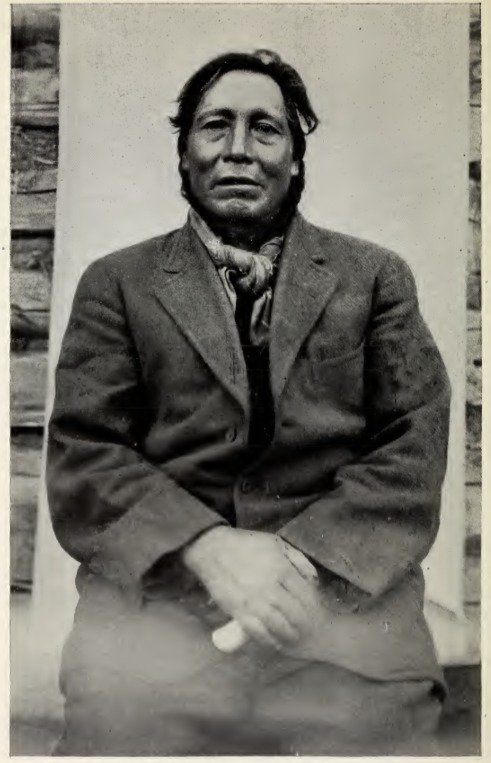
Iron Hawk's Account Of Custer's Last Stand: A Teenage Lakota Warrior Tells What He Saw

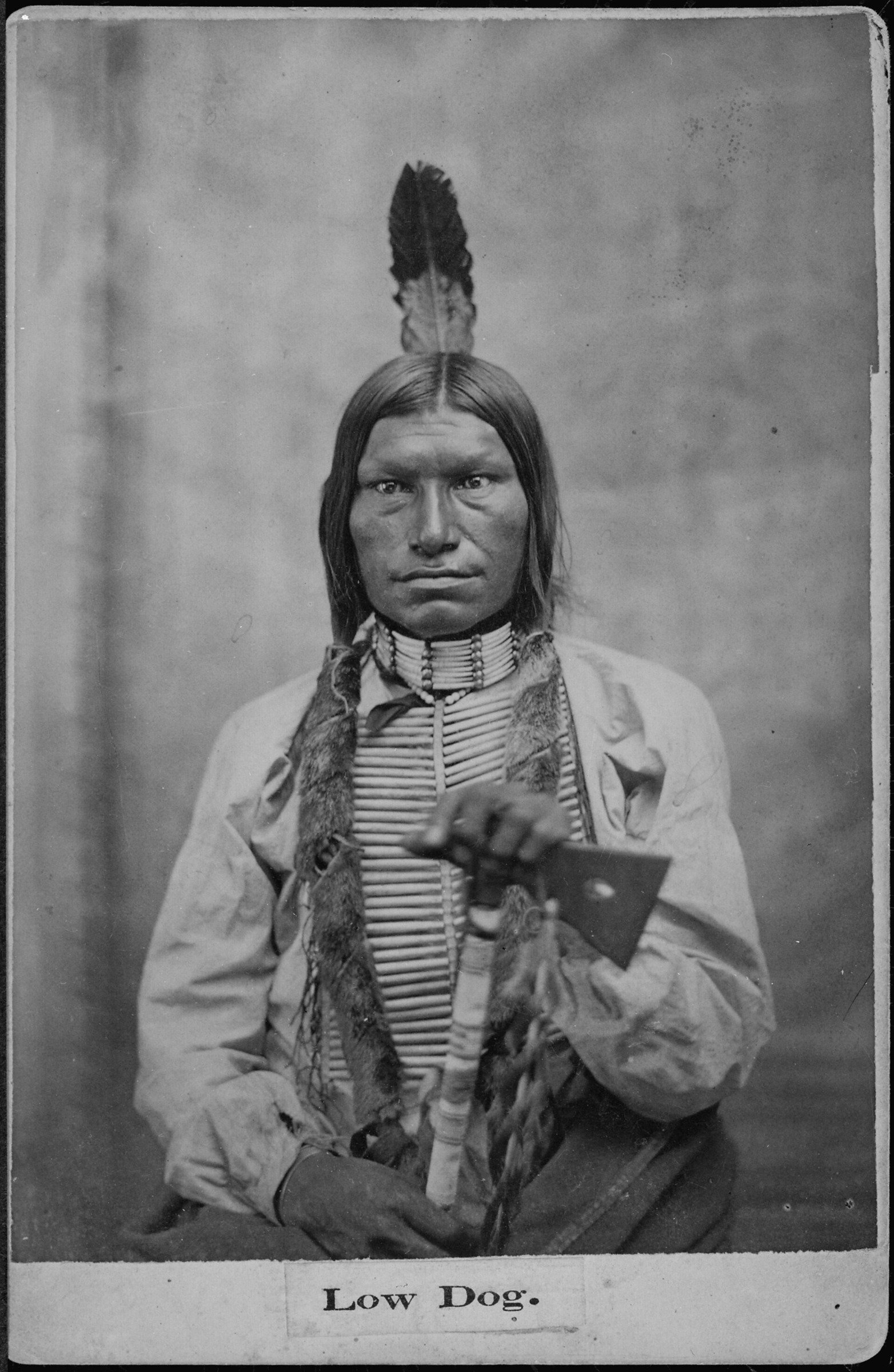
In 1907, an old Lakota man named Iron Hawk sat in a tent in Chadron, Nebraska, and described the Battle of the Little Bighorn in sign language. He had been about 14 years old in 1876. His account of the fight with Reno, the attack on Custer, and the men who fell is one of the most vivid Native recollections we have. Here is what he said, and what historians say about it.

Pocahontas: Princess Or Prisoner? What The Records Really Show

Pocahontas: Princess Or Prisoner? What The Records Really Show

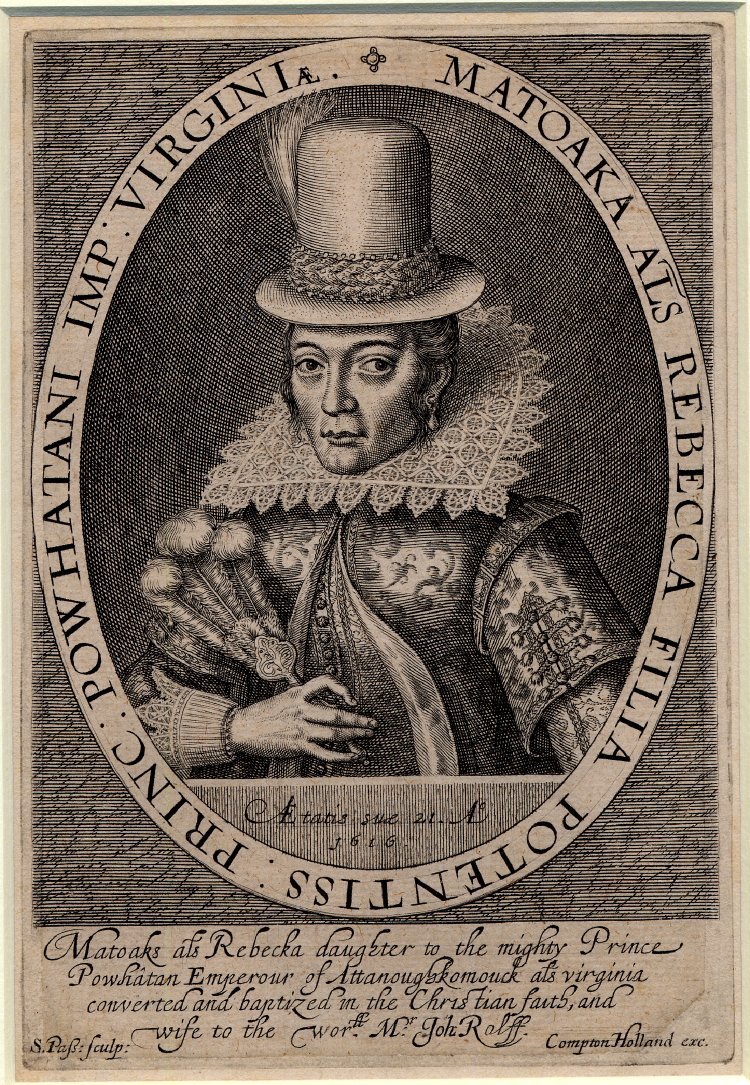
Disney made her a romantic heroine. The records tell a different story: a young Powhatan woman, kidnapped in 1613, baptized in captivity, married to an English planter, shown off in London as proof the colony was working, and dead at about 21 before she could go home. Here is what is documented, what is legend, and what historians still argue about.

Red Star’s Account Of Custer’s Last Stand: The Arikara Scout Who First Saw The Sioux Camp

Red Star's Account Of Custer's Last Stand: The Arikara Scout Who First Saw The Sioux Camp

Before the first shot at the Little Bighorn, an 18-year-old Arikara scout named Red Star looked across the hills and saw smoke rising from the great village. He carried the news to Custer’s camp. Years later he described a warning in the sand, an argument over when to attack, and rumors that Custer’s whole command was dead. Here is his story, and what he did and did not see.