On June 25, 1876, thousands of Lakota, Cheyenne and Arapaho people were camped along the Little Bighorn River. Estimates of the number of warriors range widely, from about 1,100 to as many as 2,500.
They did not fight under one general. Lakota and Cheyenne leaders led by example and by persuasion, and many warriors fought with their own societies and relatives. But some leaders became known across the camp, and across the world. Here are eight of them.
1. Sitting Bull
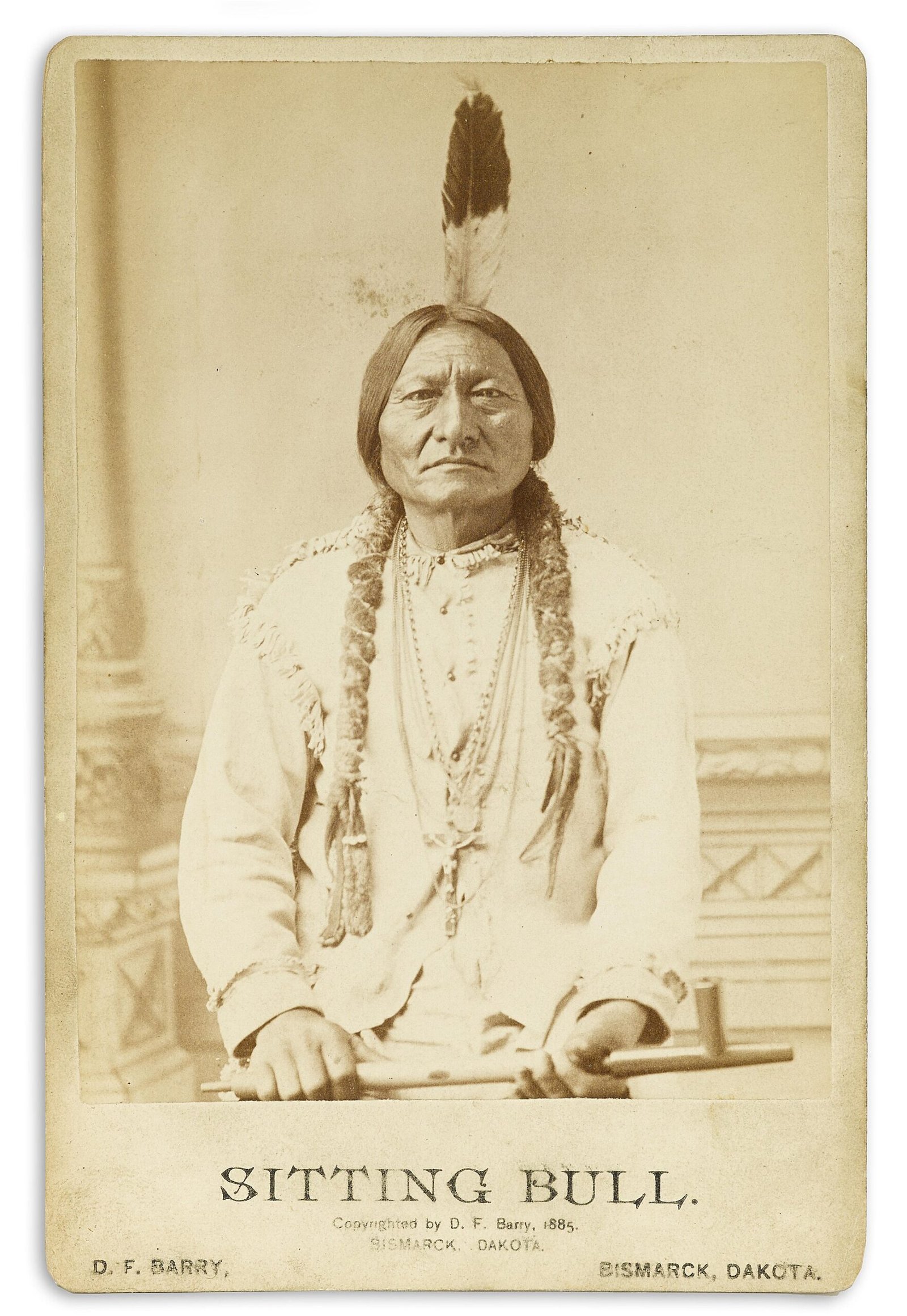
Sitting Bull, a Hunkpapa Lakota born around 1831, was the most respected leader of the great camp. By that summer, he was more a spiritual leader and a voice of unity than a warrior who took the lead in battle.
Weeks before the fight, at a Sun Dance, he is said to have seen a vision of soldiers falling into the camp. Many Lakota took it as a sign of victory. Accounts differ about how much he fought on the day itself. He later led his people to Canada, and he was killed on December 15, 1890, during an attempt to arrest him at Standing Rock.
2. Crazy Horse
Crazy Horse, an Oglala Lakota, was one of the most feared war leaders of the Plains. Lakota accounts say he led a charge from the northeast that helped overwhelm Custer’s battalion, and he was a major force on the ridges that day. He had also stopped General Crook’s army at the Rosebud, eight days earlier.
He surrendered at Camp Robinson in Nebraska on May 6, 1877. Four months later, on September 5, he was killed there. No confirmed photograph of him exists.
3. Gall
Gall, a Hunkpapa Lakota war chief, was one of the leaders of the camp’s defense. According to the National Park Service, two of his wives and three of his children were killed in the first attack by Major Reno’s men on the south end of the village. Afterward, he joined the assault on Custer’s battalion.
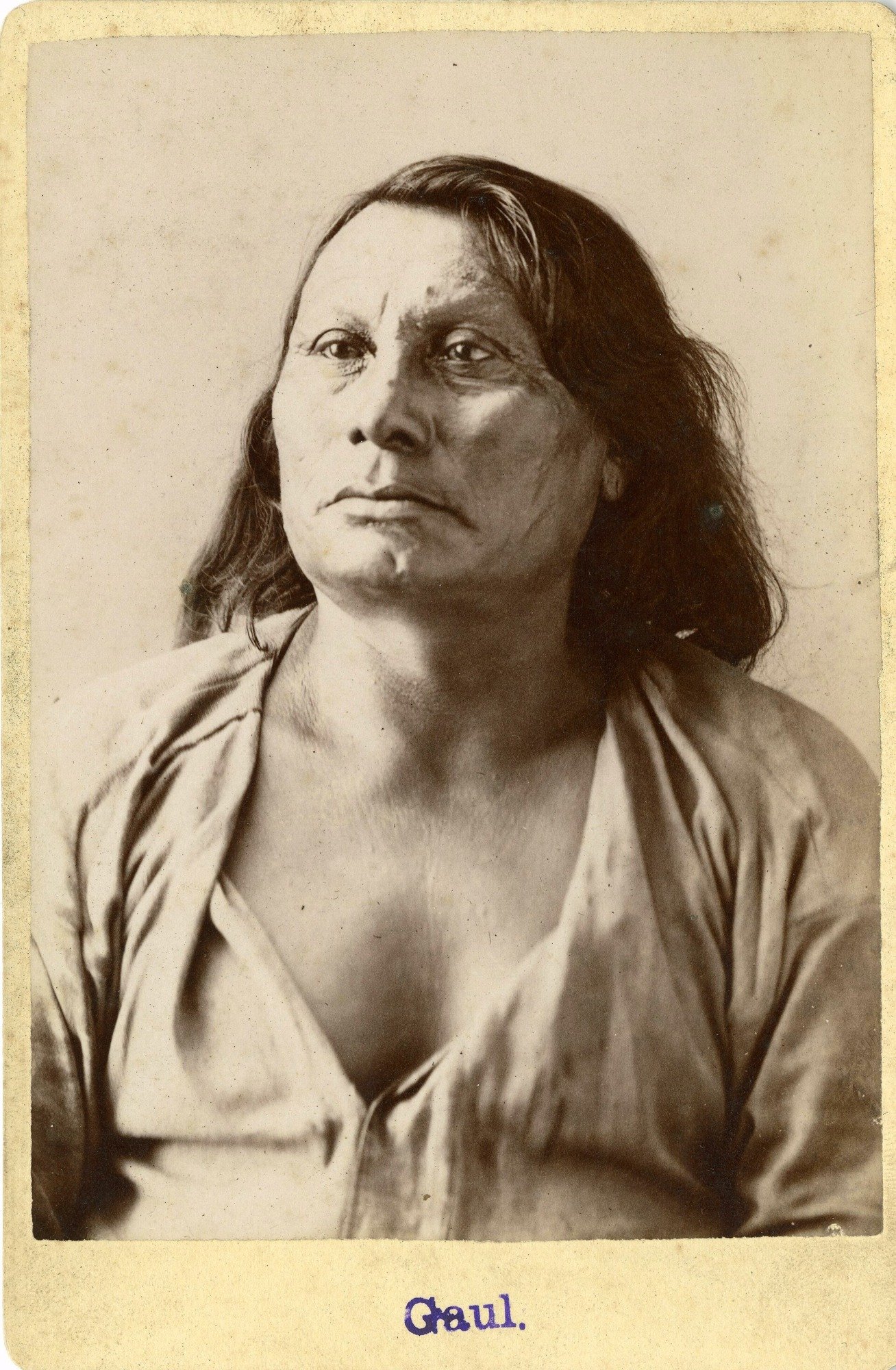
Gall fled to Canada with Sitting Bull and surrendered in January 1881. On the reservation, he became a judge, and he died at Standing Rock on December 5, 1894.
4. Two Moons
Two Moons, a Cheyenne chief, fought at the Rosebud, the Little Bighorn and, in January 1877, the Battle of Wolf Mountain, his last fight. In 1898, he gave the writer Hamlin Garland a well-known account of the battle from the Cheyenne point of view.
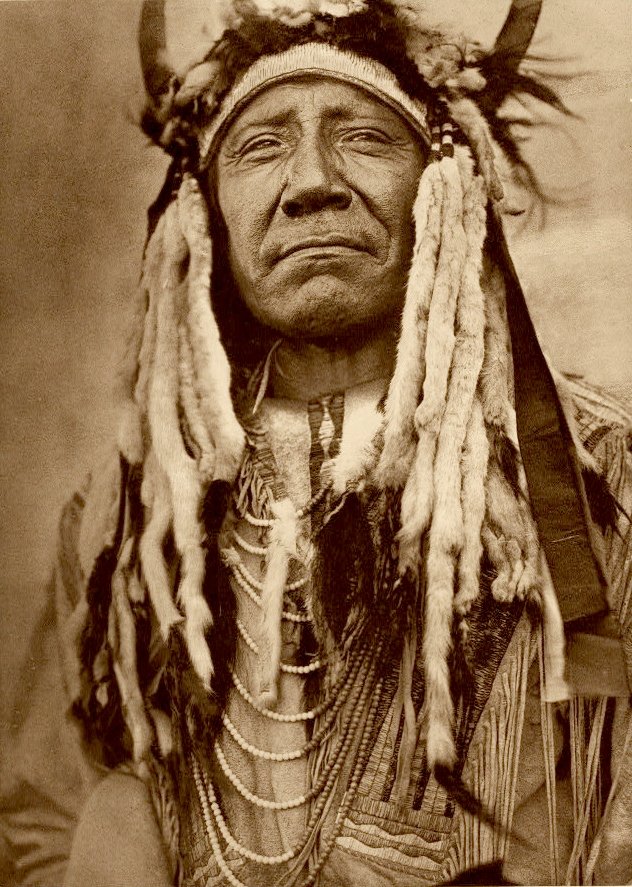
He surrendered at Fort Keogh in April 1877 and then served as a scout for General Nelson Miles, the soldier who had defeated him. Miles later named him “head chief” of the Northern Cheyenne. Two Moons visited Washington several times, met President Woodrow Wilson in 1914, and was one of the models for the Buffalo nickel. He died in 1917.
5. Low Dog
Low Dog was an Oglala Lakota who became a war chief at about fourteen. He fought beside Sitting Bull at the Little Bighorn. In 1881, a newspaper, the Leavenworth Weekly Times, printed his account of the battle.
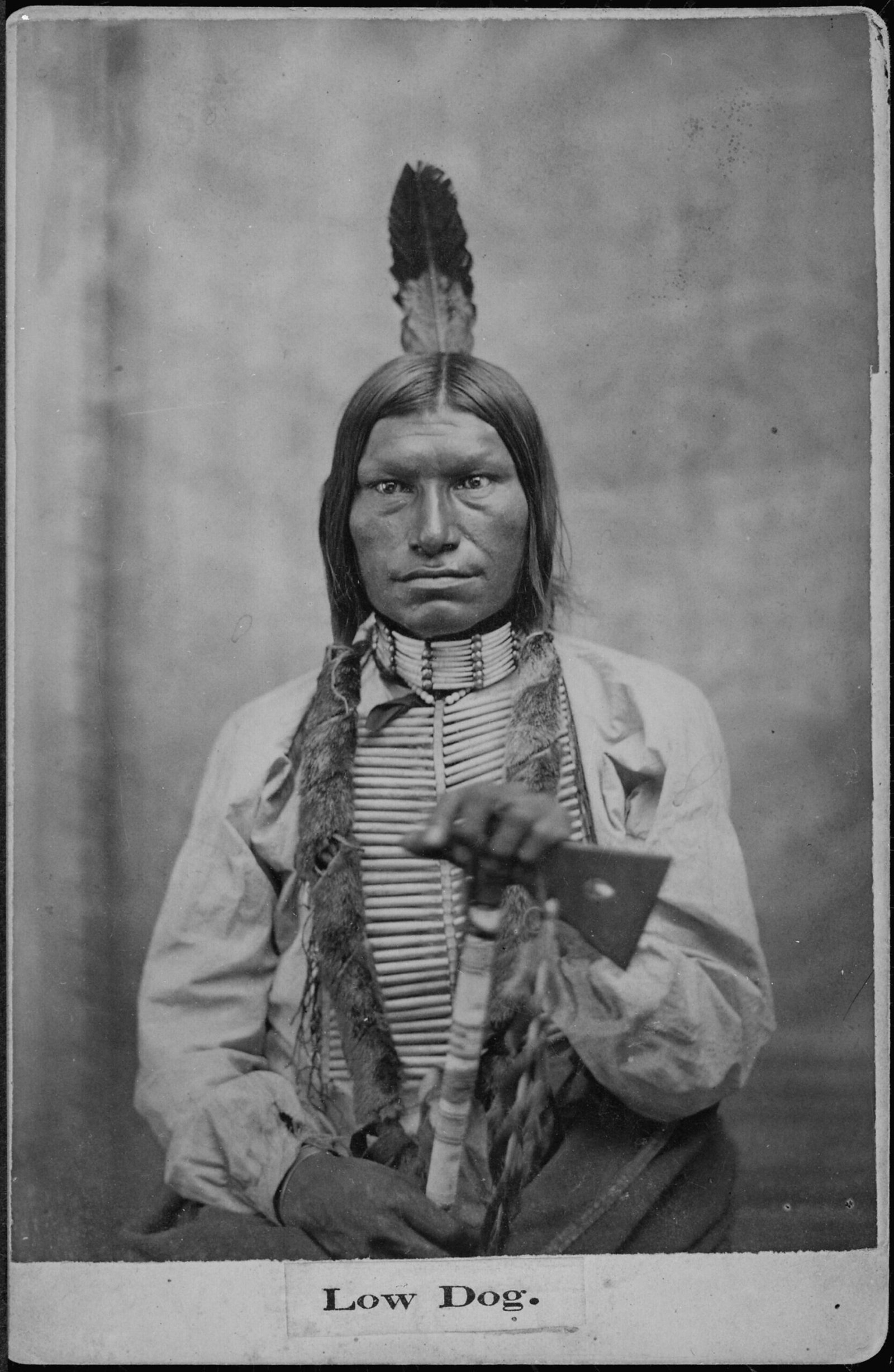
Low Dog surrendered in 1881 and lived at the Standing Rock Agency. He died on November 14, 1894.
6. Crow King
Crow King, a Hunkpapa Lakota, was one of Sitting Bull’s war chiefs. His Lakota name is sometimes given as Medicine Bag That Burns. According to one account, he led about eighty warriors against Custer’s men on Calhoun Hill, attacking from the south. That helped Crazy Horse and Gall close in on the other side.
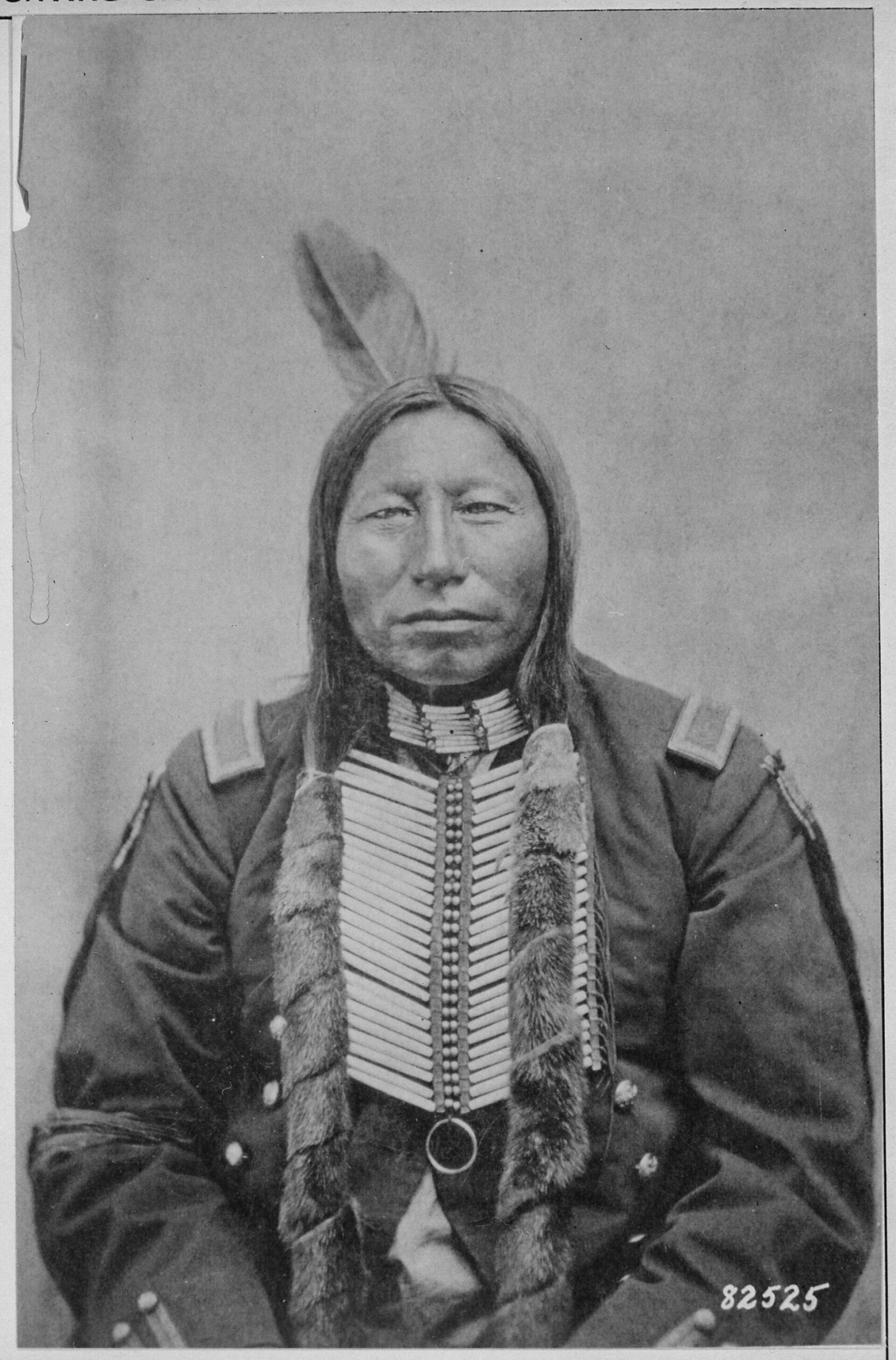
He died on April 5, 1884, of an illness that a newspaper called “quick consumption.” The place where he was buried is unknown.
7. Red Horse
Red Horse, a Minneconjou Lakota chief, was in the council lodge when the soldiers attacked. Five years later, he told the Army doctor Charles McChesney what he had seen, and then drew his story in 42 large pictures. His account is one of the earliest and most detailed Native records of the battle.
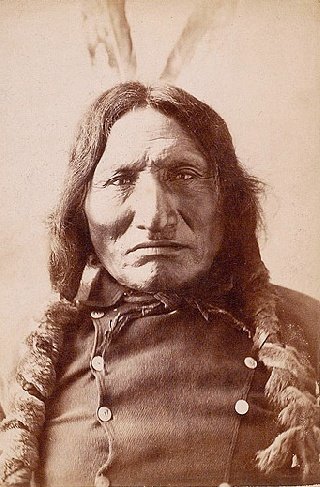
He died in 1907. You can read more in our article on Red Horse’s account of Custer’s Last Stand.
8. Lame White Man
Lame White Man was born a Southern Cheyenne, around 1837 to 1839. After the Sand Creek Massacre in 1864, he moved north and joined the Northern Cheyenne, where he became a chief of the Elk Horn Society. In 1873, he was part of a Cheyenne delegation to Washington.
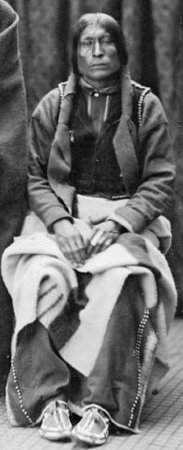
At the Little Bighorn, he led a charge on Battle Ridge. He was reportedly the only Cheyenne chief killed in the battle. Soldiers shot him on the ridge, and afterward he was mistaken for an Army scout. His grandson, John Stands In Timber, later helped record the Cheyenne memory of the battle.
What Became Of Them
Of the eight, only Lame White Man died in the battle. The rest lived on, and most of them ended up on reservations. Sitting Bull was killed by Indian police. Crazy Horse was killed at Camp Robinson. Gall and Low Dog surrendered in 1881. Two Moons became a scout for the Army.
The great victory they won did not last. But their names did, and so did the accounts of the ones who told their story.
After reading about the chiefs, find out what happened to the Native warriors after the Little Bighorn. Then read who really killed Custer.
Related Stories
- Who Really Killed Custer? His Two Wounds And The Conflicting Accounts
- 10 Things You Didn’t Know About George Armstrong Custer
- The Sacred Cheyenne Warning Custer Ignored Seven Years Before The Little Bighorn
- 10 Powerful Quotes From Native American Leaders, And What Was Happening When They Said Them
- Buffalo Calf Road Woman: The Cheyenne Woman Who Struck Down Custer