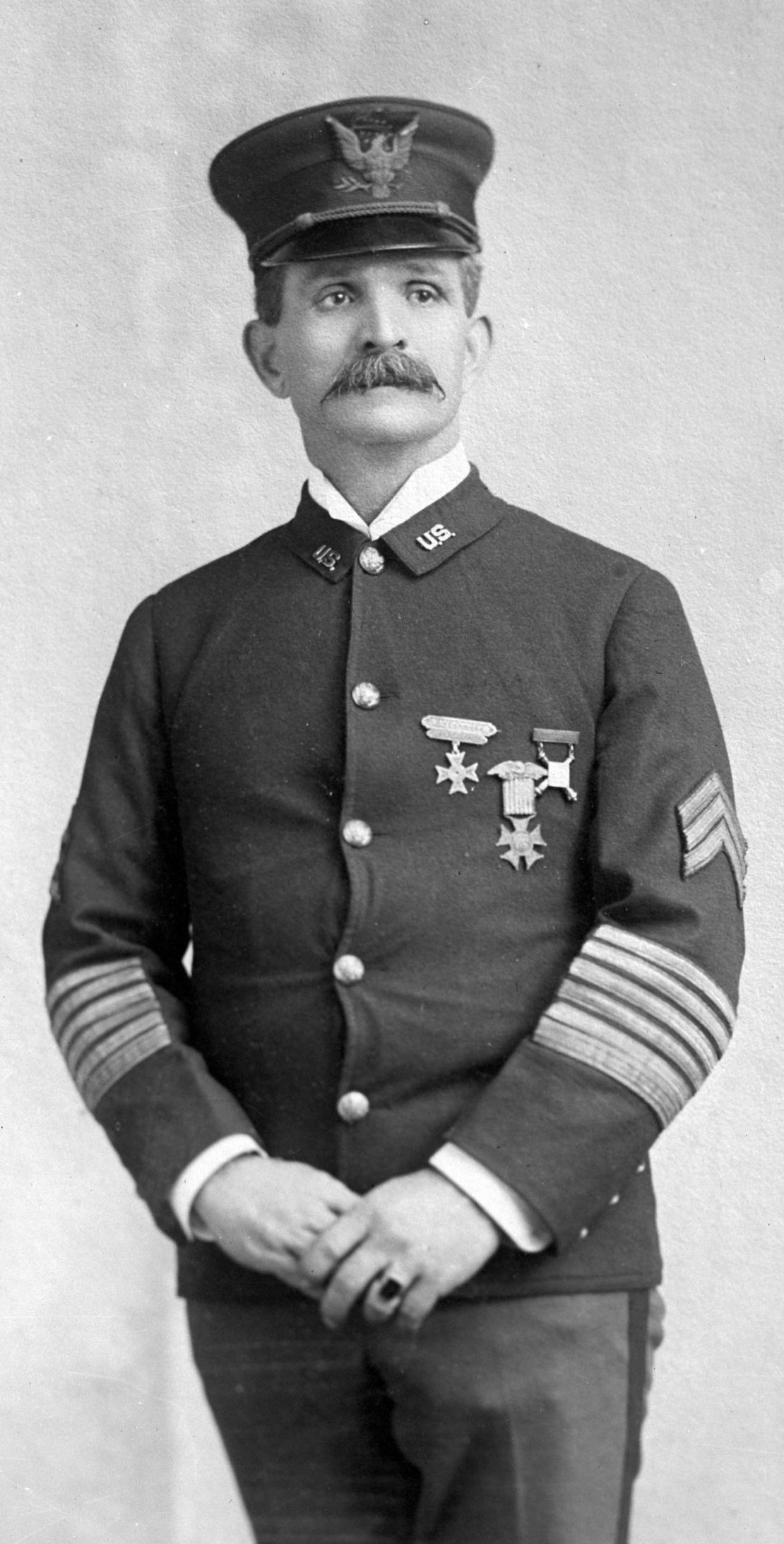
On the afternoon of June 25, 1876, a trumpeter in the 7th Cavalry turned his horse around and rode away from George Armstrong Custer.
In his pocket was a hurried note. Behind him, Custer and about two hundred men were riding toward the Little Bighorn River. The trumpeter would not see them again.
His name was Giovanni Martini, though the Army wrote it John Martin. Of all the soldiers who were with Custer that day, he was the last known to see him alive.
A Drummer Boy From Italy
Martini was born in Italy in the early 1850s. Sources disagree on the town and the exact year. As a teenager, he is said to have served as a drummer boy with Giuseppe Garibaldi, the Italian revolutionary leader.
He later came to the United States and joined the Army. By 1876, he was a trumpeter in the 7th Cavalry. His English was not strong. That day, he was acting as Custer’s orderly, carrying messages for the colonel.
The Last Order
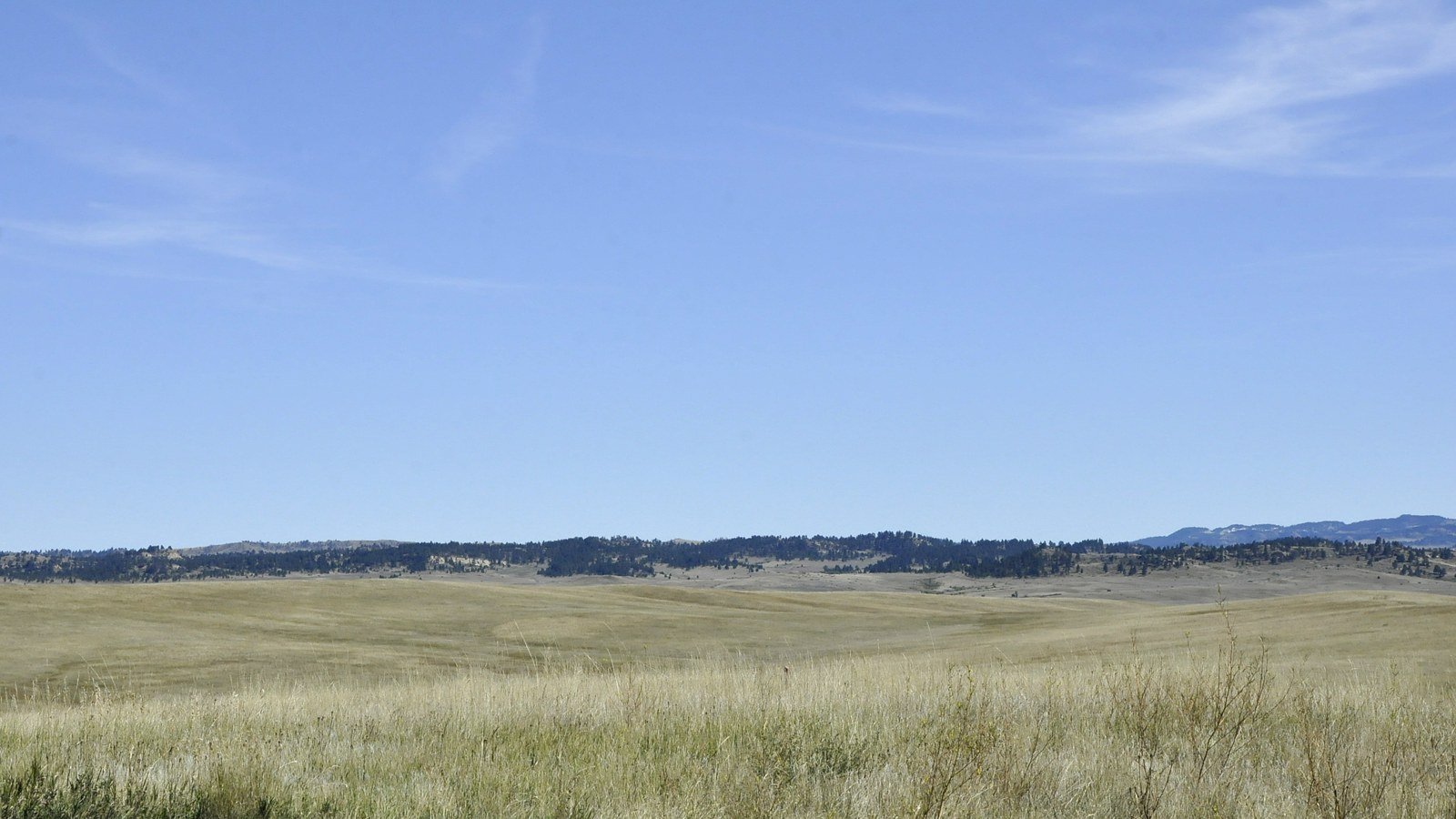
By mid-afternoon, Custer’s battalion had reached a ridge above the Little Bighorn valley. According to Martini’s own account, given to the historian Walter Camp in 1908, Custer called to him: “Trumpeter, go back on our trail and see if you can discover Benteen and give him this message.”
Captain Frederick Benteen was leading three companies of cavalry some distance behind. The pack train, with the extra ammunition, was farther back still. Custer wanted help to come quickly.
Custer’s adjutant, Lieutenant William Cooke, wrote the order down in pencil. One account says he did so because Martini’s English was poor. It read:
“Benteen. Come on. Big Village. Be quick. Bring Packs. P.S. Bring Packs.”
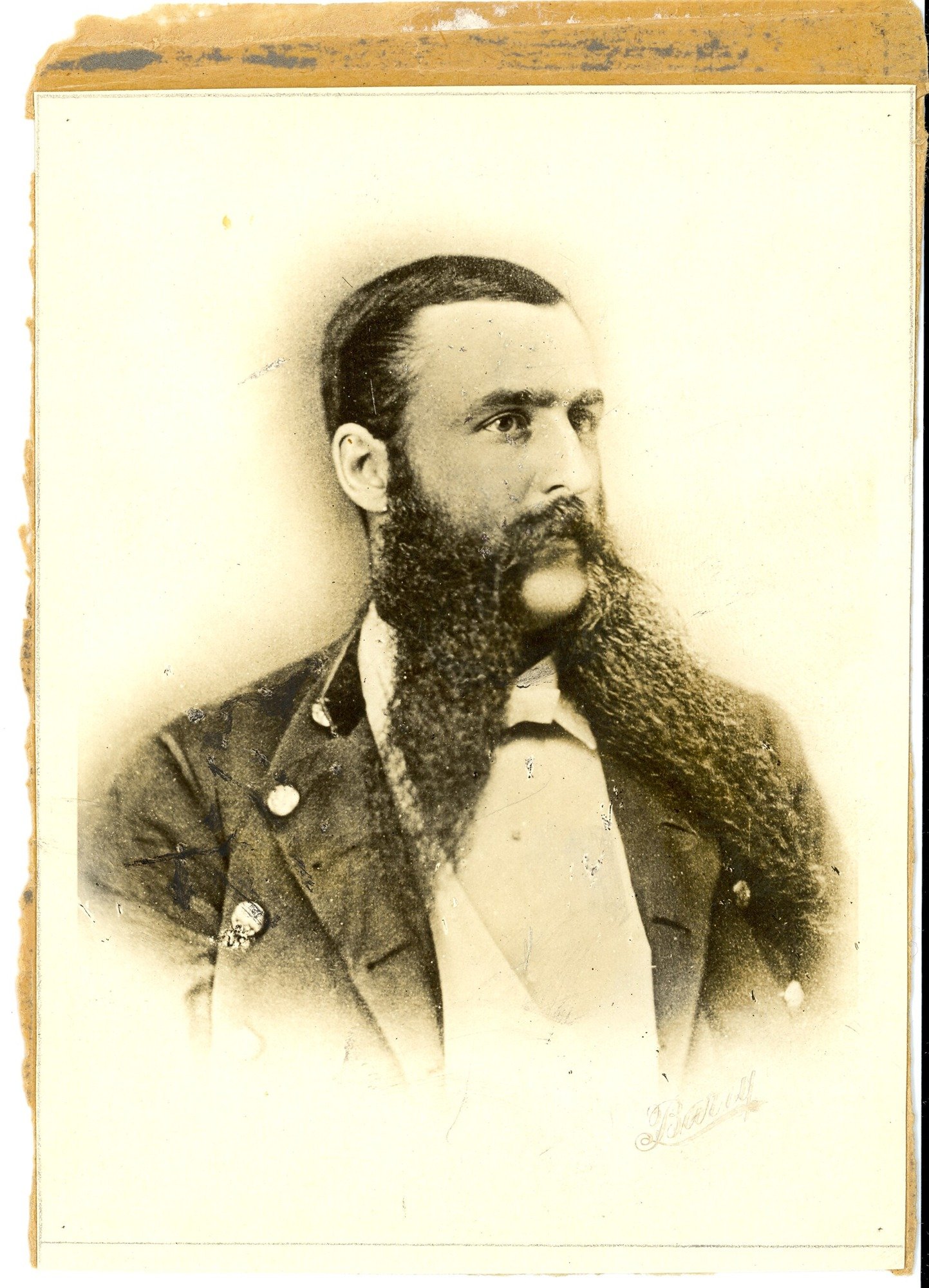
The words “Big Village” were an urgent warning. Custer had found the great camp of the Lakota and Cheyenne, and the note shows he wanted more men and ammunition fast.
What Martini Saw
Martini turned his horse and started back. On his way, he passed Boston Custer, the colonel’s younger brother, who was riding the other way to join Custer’s column. Boston pointed out that Martini’s horse was limping. They went their separate ways. Boston Custer was killed later that day, along with his two older brothers.
At the top of a rise, Martini looked back. In his account to Camp, he said he heard heavy firing and saw warriors charging toward the river ford “like swarm of bees.” Then some warriors on the bluffs fired at him, and his horse was hit in the hip.
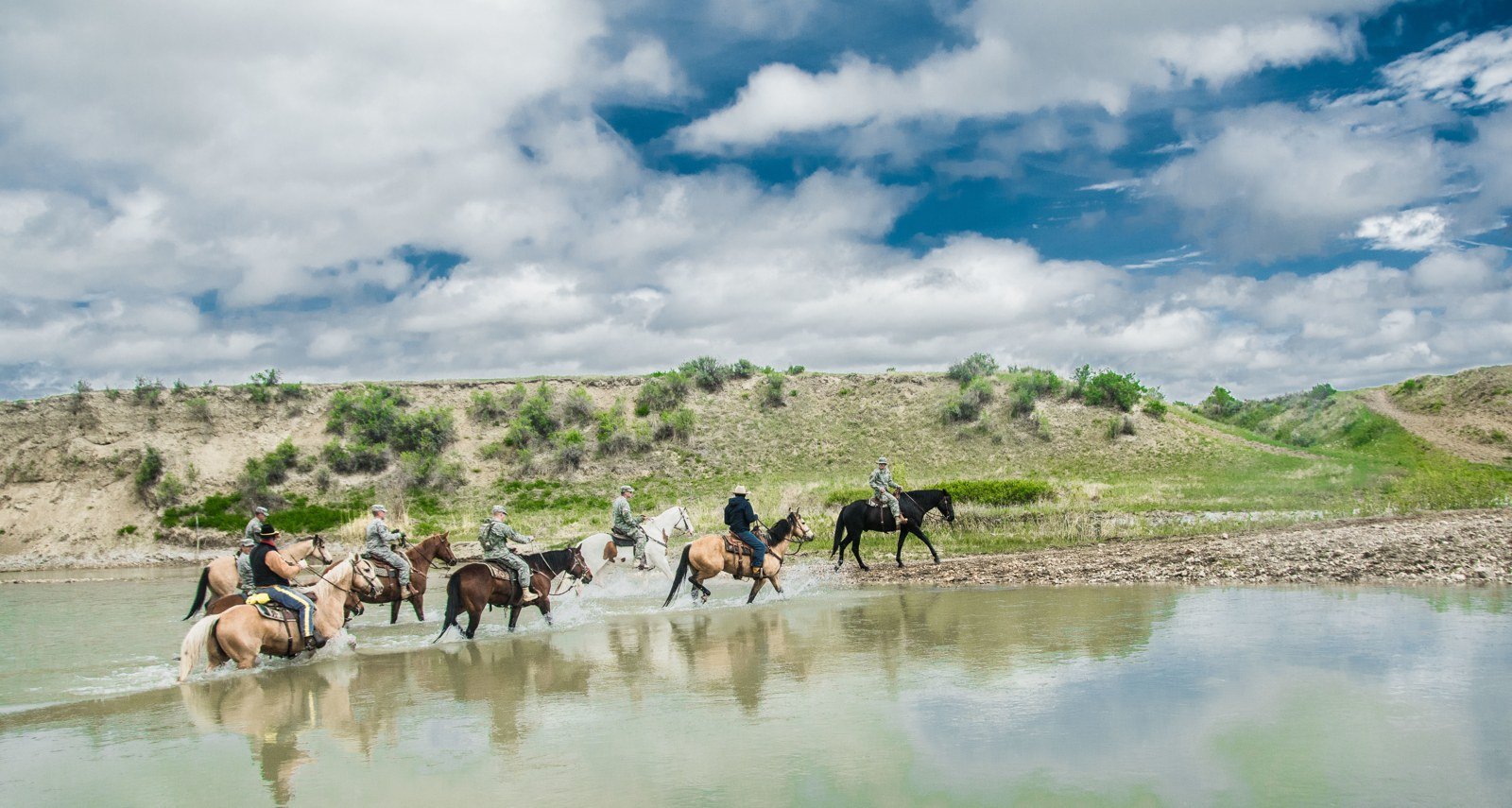
Martini rode on. When he reached Benteen’s column, his horse was bleeding, and blood had splashed onto his back. Benteen asked him, “Where is General Custer?” Martini said he was about three miles away, and that he was being attacked.
The Blame
Benteen read the note and moved forward with his command. But he did not arrive in time to help Custer, and he later had to explain why.
Benteen later said Martini had told him the Indians were “skedaddling,” and called him a “thick-headed, dull-witted Italian.” At the Army’s inquiry into Reno’s conduct in 1879, Benteen suggested the message had been garbled and had slowed him down. Martini always denied using that word. He was not asked about the battle at the inquiry.
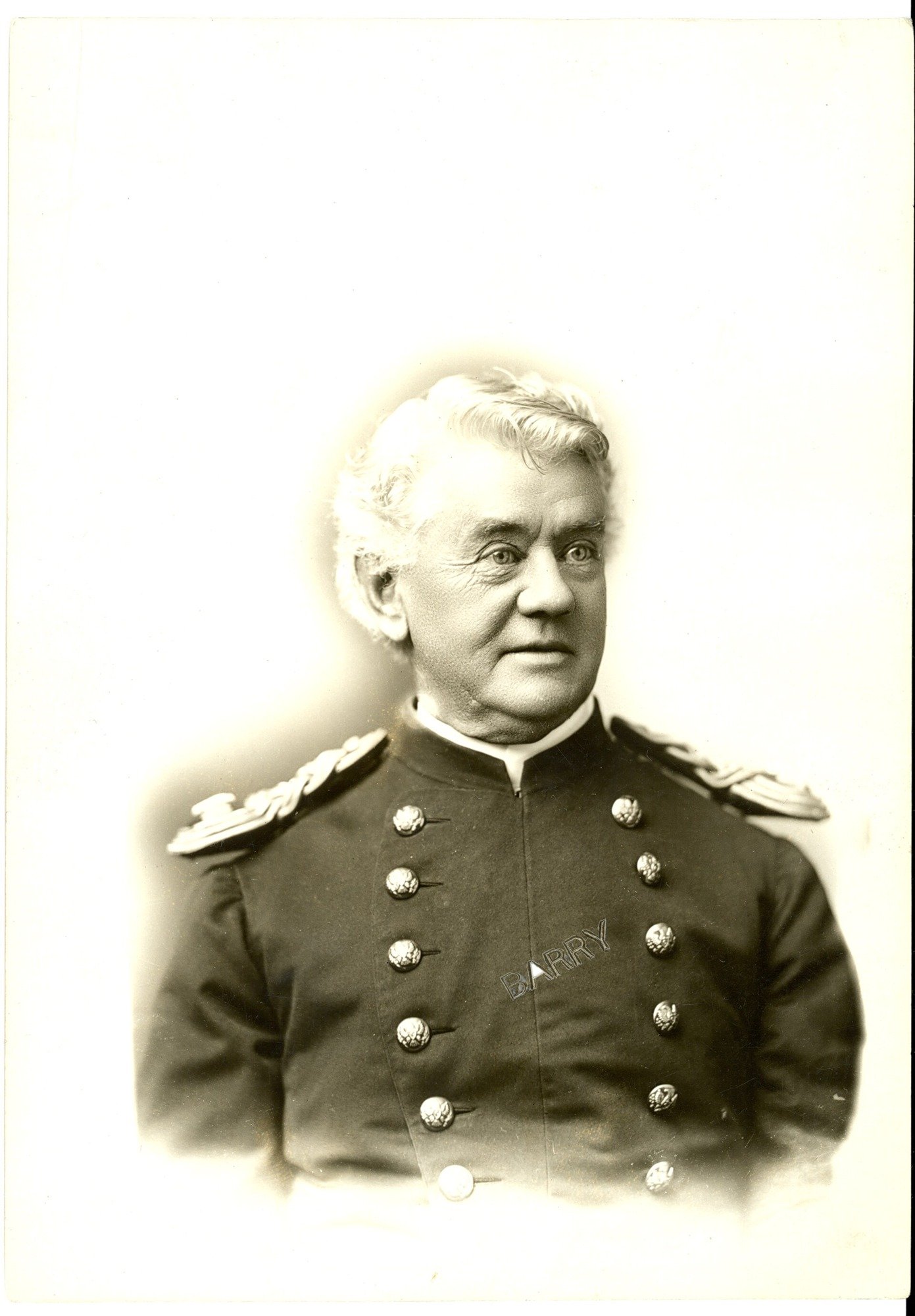
Surviving The Hill
Martini was not finished. He survived the two days of fighting on Reno Hill, where the surviving soldiers were trapped under fire. When General Terry’s column arrived on June 27, Martini showed him the place where he had left Custer. Terry, according to Martini, confirmed his story.
Charles Windolph, one of the soldiers who fought on the hill, wrote of Martini: “He proved he was plenty man.”
After The Battle
Martini stayed in the Army for many years, serving later in the artillery and rising to the rank of sergeant. He retired in 1904. He raised two sons who also joined the Army, one of them named after Custer, according to one account.
He died in December 1922, in New York. By then, few remembered that the Italian veteran had been the last soldier to see Custer alive. One historian, Colonel W. A. Graham, who studied the battle, called him “a fine old soldier.”
Why His Story Matters
Martini’s account matters because he saw things that no other surviving soldier saw, and he told them while many of the men who might have contradicted him were still alive. Later research on the battlefield has supported parts of his story.
It is a strange fact that the last words Custer is known to have sent were carried by an immigrant who barely spoke English, written down by another man who would soon be dead. And the man who carried them was later blamed by some for a delay that historians still debate.
After reading about Martini, find out who really killed Custer. Then read the story of the Custer family who died together at the Little Bighorn.
Related Stories
- Who Really Killed Custer? His Two Wounds And The Conflicting Accounts
- 10 Things You Didn’t Know About George Armstrong Custer
- The Sacred Cheyenne Warning Custer Ignored Seven Years Before The Little Bighorn
- St. Clair’s Defeat: The Worst Defeat In U.S. Army History Was Against Native Warriors
- 7 Lost Native American Cities And The Mysteries They Left Behind