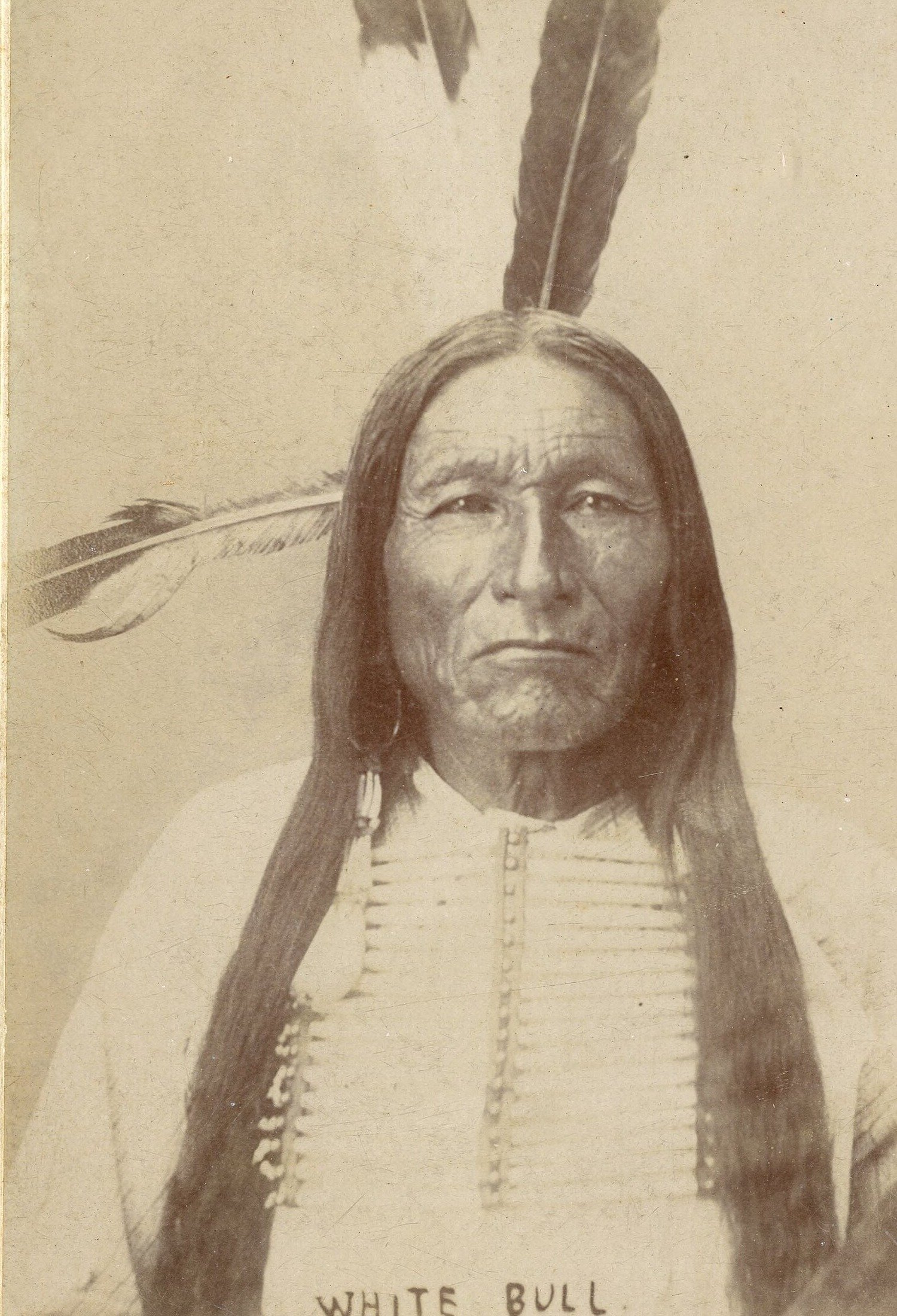
“Well, if that is Long Hair, I am the man who killed him.”
That is what a Lakota warrior named White Bull is said to have told a writer in the 1930s, when asked about the soldier he fought at the Little Bighorn. The warrior was in his eighties. The writer waited until ten years after the old man’s death to publish the story.
Did White Bull really kill Custer? Or was it a story that grew in the telling? His own words and his own drawings tell a more careful story.
Who Was White Bull?
White Bull was born in April 1849 in the Black Hills. He was a Minneconjou Lakota. His father, Makes Room, was a Minneconjou chief. His mother, Good Feather, was the favorite sister of the Hunkpapa leader Sitting Bull, which made White Bull Sitting Bull’s nephew.
As a boy, he was called Bull-Standing-with-Cow. At about sixteen, he joined a raid, cut out eight horses from a soldier herd, and was chased by ten soldiers before he reached his own war party. His uncle Black Moon later gave him a new name, White Bull, after his grandfather.
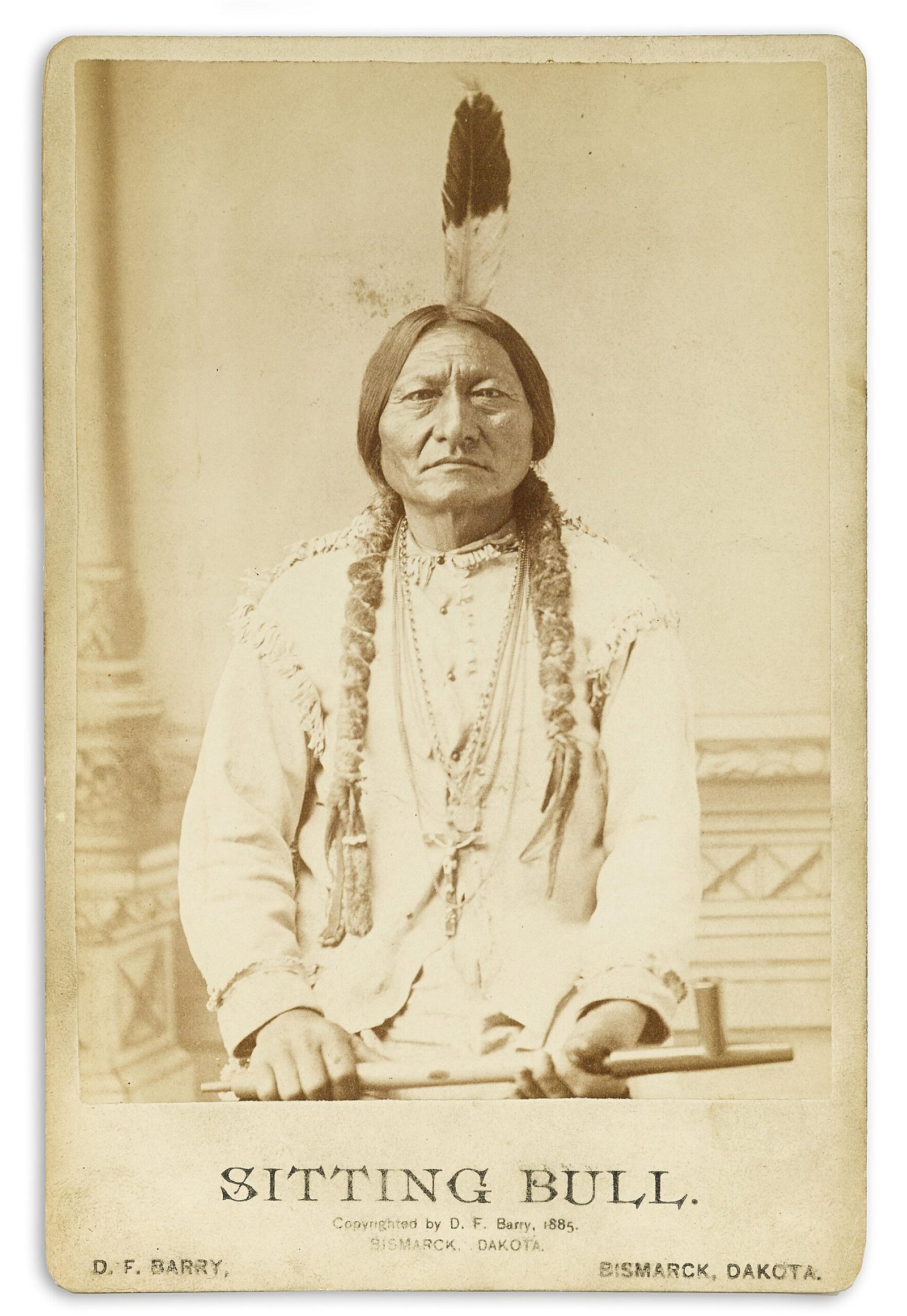
By the time of the Little Bighorn, White Bull had counted many coups, the act of touching an enemy in battle, which Lakota warriors prized above killing. He fought in many of the great battles of his time.
The Fight At The Little Bighorn
On June 25, 1876, White Bull was in the great camp along the river. In the story he later told, he fought with a soldier in a hand-to-hand struggle. According to the account he gave to the writer Stanley Vestal, the man was tall, with yellow hair and a mustache. The soldier tried to bluff him with a rifle, and the two men struggled. White Bull said he took the soldier’s pistol and defeated him.
But there is a key detail. White Bull said he did not recognize the man.
The Writer Who Made The Claim
In 1932, Vestal, whose real name was Walter S. Campbell, visited White Bull on the Cheyenne River Reservation in South Dakota. White Bull was eighty-three years old. Vestal later turned the old man’s stories into a book, Warpath (1934).
Then, in 1957, ten years after White Bull died, Vestal published an article in American Heritage magazine called “The Man Who Killed Custer.” In it, Vestal said White Bull had agreed that if the man he fought was Long Hair, then he was the one who had killed him. Vestal explained that White Bull had asked him not to reveal this while he was alive, so that he would not be punished.
His Own Drawings
White Bull also left his own record of his life, in pictures.
In 1931, a North Dakota lawyer named Usher Burdick offered him $50 to tell his life story. White Bull accepted in a letter dated August 31, 1931. The result is a ledger book, known as the White Bull Manuscript or Sioux History in Pictures. It is written in Lakota and illustrated with drawings in ink, pencil and colored crayon.
The pictures show buffalo hunts, horse-stealing raids, battles, and the moments when he counted coup. The book also includes a winter count, a calendar of the years told in pictures. Some of the drawings show his fights at the Little Bighorn.
The University of North Dakota has held the ledger since 1959. The scholar James Howard had it translated into English, with the help of Lakota speakers, including the scholar Ella Deloria. It was published in 1968 as The Warrior Who Killed Custer, and again in 1998 as Lakota Warrior, with White Bull’s original Lakota text and drawings.
The original ledger is a cultural treasure, and access to its digital copy is restricted. For that reason, we are not showing the drawings here.
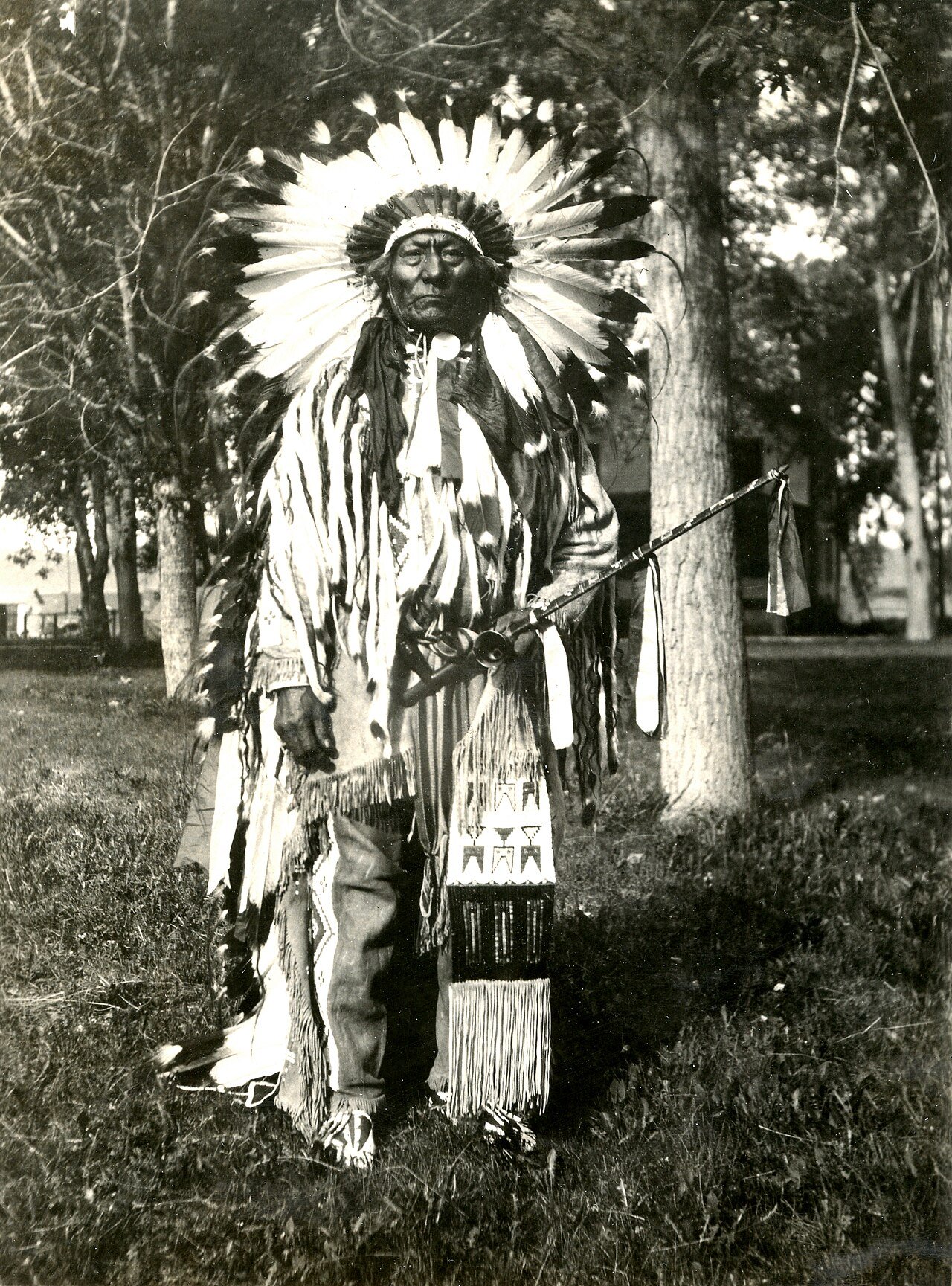
Did He Really Kill Custer?
Most historians now say no, or at least, not that we can know.
When someone asked White Bull about the claim at the 1926 anniversary of the battle, his answer was just: “Maybe.” The researcher Raymond DeMallie went through the interview records and found no evidence that White Bull thought of himself as Custer’s killer. And Vestal’s own notes, according to the researcher Bill Rini, read: “Did not know who white general was. Did not see him.”
Rini says Vestal misread White Bull’s battlefield map and mixed two different fights into one. DeMallie says both Vestal’s and Howard’s readings were mistaken. In other words, the claim may have been Vestal’s conclusion more than White Bull’s boast, and even the 1968 book’s title, The Warrior Who Killed Custer, goes further than the evidence.
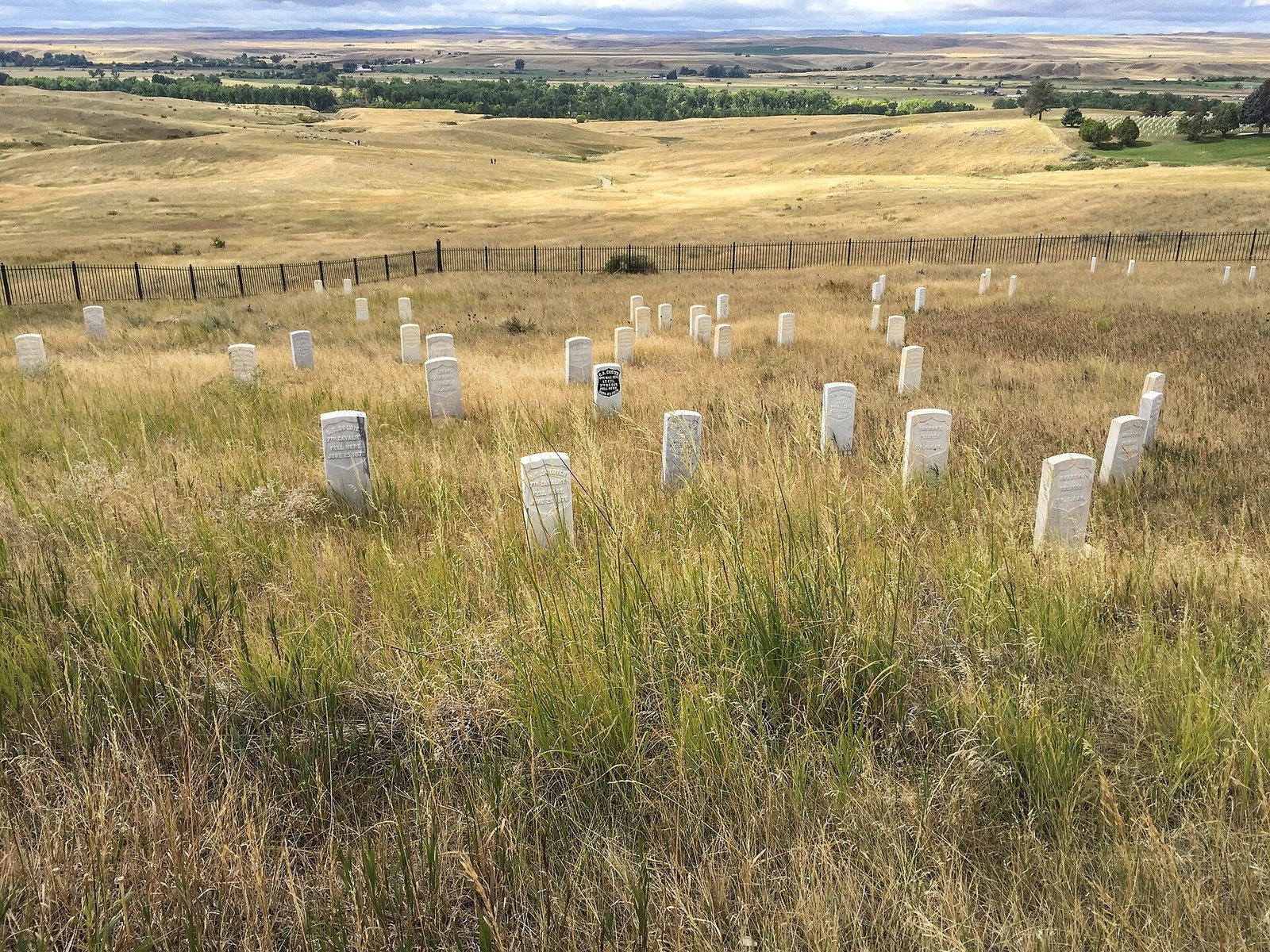
No one will ever be sure. Custer was one of many men killed on the ridge that day, and no one saw him fall clearly. White Bull is one of a number of people who were credited over the years, and the evidence for each is thin.
A Long Life
After the wars ended, White Bull settled on the Cheyenne River Reservation. He became a judge in the Court of Indian Offenses, and he supported the Lakota claim to the Black Hills. He died on June 21, 1947, at the age of ninety-eight.
He lived long enough to see the battle become a legend, and to hear many people say what had happened. In his ledger, he told it in his own way, with his own drawings. Whoever killed Custer, White Bull gave us something rare: a Lakota warrior’s own picture of the day.
After reading about White Bull, find out who really killed Custer. Then read the story of Rain-in-the-Face, another man accused of killing Custer.
Related Stories
- Who Really Killed Custer? His Two Wounds And The Conflicting Accounts
- 10 Things You Didn’t Know About George Armstrong Custer
- The Sacred Cheyenne Warning Custer Ignored Seven Years Before The Little Bighorn
- Jim Thorpe: The Sac and Fox Athlete Who Won Two Olympic Golds And Had Them Taken Away
- 4 Native American Women Who Fought Custer At The Little Bighorn