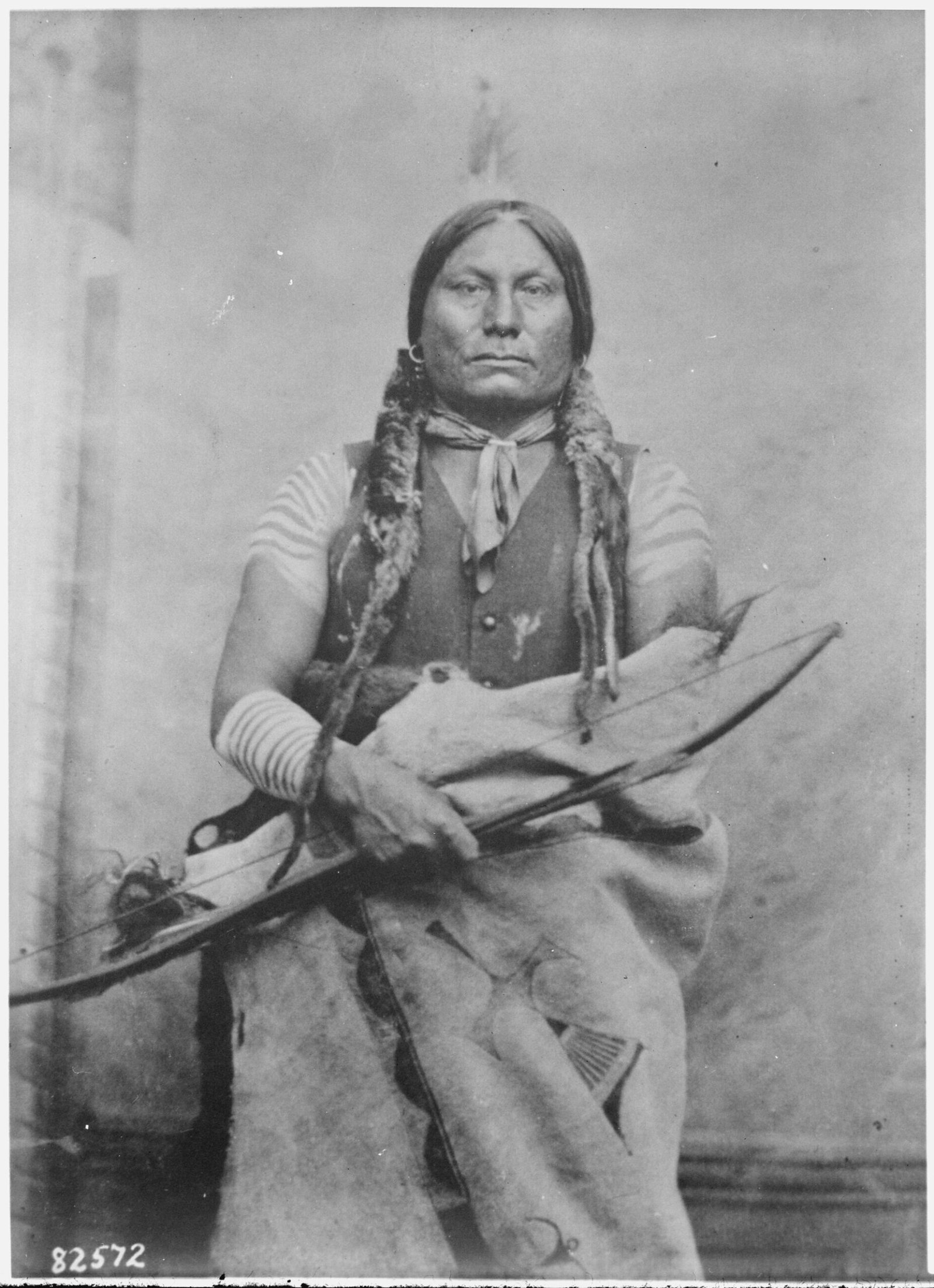
After the Battle of the Little Bighorn, Americans wanted to know how it had happened. How could more than two hundred soldiers of the 7th Cavalry be overwhelmed by Native warriors?
One answer spread quickly: the warriors had better guns. Many people said the Lakota and Cheyenne carried the newest repeating rifles, while the soldiers were stuck with single-shot carbines.
More than a century later, archaeologists went out onto the battlefield with metal detectors to test that story. What they found was more interesting than the legend.
What The Soldiers Carried
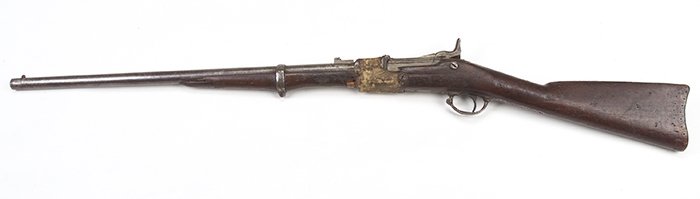
Custer’s troopers carried the Springfield Model 1873 carbine, a single-shot “trapdoor” rifle. It was strong and accurate, but slow. After each shot, a soldier had to open the breech, pull out the empty cartridge case, and load a new round by hand. Troopers also carried revolvers.
The weapon was modern and well made. But in a fast, close fight, it gave a soldier one shot at a time.
The Battlefield Search
In August 1983, a prairie fire swept across the Little Bighorn battlefield and burned away the thick grass. The following year, archaeologists Douglas Scott and Richard Fox began a search with metal detectors. Over two summers, they swept hundreds of acres of ground.
The fired cartridge cases and bullets they found work like fingerprints. Each gun leaves its own marks on a cartridge, so experts can tell which cases came from the same weapon. That let them map what kinds of guns were fired, and where.
The results showed a surprising mix on the Native side. The warriors had used cartridges and bullets from more than forty different kinds of firearms.
The Rifles That Mattered Most
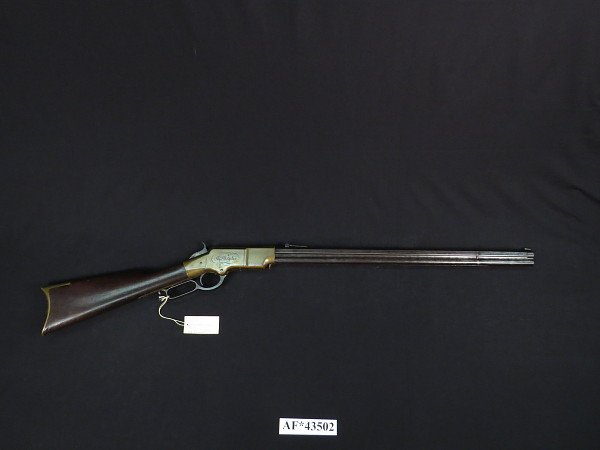
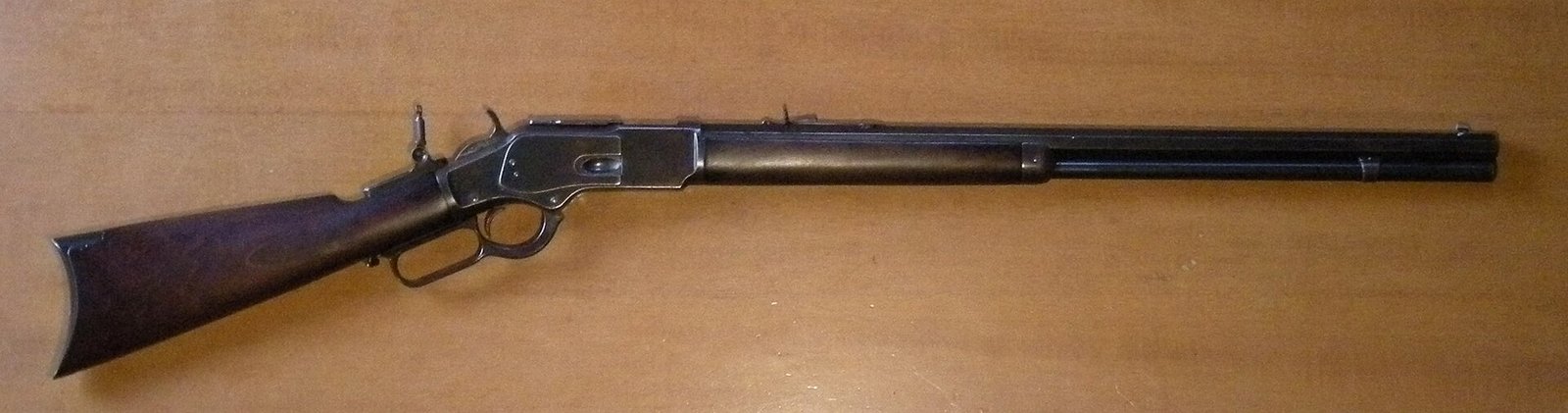
Among them were lever-action repeating rifles: the Henry rifle and the Winchester Models of 1866 and 1873. These guns could fire many shots without reloading. A warrior with a Henry could fire several rounds in the time it took a soldier to reload a Springfield once.
Other guns turned up too: Sharps single-shot rifles, old trade muskets, a few revolvers, and even a few captured Army weapons. One popular estimate says that a quarter to a third of the warriors carried repeating rifles. Historians treat that figure with care. No one counted the guns at the time, and many warriors had old or mismatched weapons.
Where Did They Get The Guns?
This was a question Americans asked in 1876. Traders told Army investigators that they never sold repeating rifles to the Lakota and Cheyenne. Yet the guns were there.
The warriors got their weapons in several ways: through trade, through raids, from dead soldiers and settlers, and, during the battle itself, from the soldiers they defeated. Wooden Leg said that warriors collected guns and cartridges from the dead and turned them against the soldiers still fighting on the hill.
The Weapon Everyone Forgets
For all the talk about rifles, one weapon was used more than any other at the Little Bighorn: the bow and arrow.
Wooden Leg, the Northern Cheyenne warrior who fought that day, said so clearly. “Bows and arrows were in use much more than guns,” he remembered. The warriors crept through gullies and sagebrush, and shot arrows in high curves that fell on the soldiers from above.
The bow had two big advantages. It could be fired from cover, without a warrior standing up. As Wooden Leg explained, “An Indian using a gun had to jump up and expose himself long enough to shoot.” The arrows also scared the cavalry horses. Wooden Leg said arrows stuck in the horses’ backs and sent them plunging, knocking soldiers to the ground.
Did The Soldiers’ Guns Jam?
Right after the battle, a story spread that the soldiers’ carbines had jammed. The copper cartridge cases, some said, stuck in the chamber after a few shots and could not be removed.
The archaeology gives a mixed answer. Some fired cartridges were found with signs that soldiers had struggled to remove them, and a few cases had split. But the same kinds of problems showed up on the Native side too. One review of the research says the number of extraction failures was “basically the same number for the Cavalry and the Indians.”
The warriors had troubles of their own. In some cases, they fired the wrong cartridges in captured weapons, and the cases split open.
So, Did Better Guns Win The Battle?
The honest answer is: partly.
The warriors’ repeating rifles did give them a big advantage in close fighting, and the bows gave them a way to fight from cover. But guns alone did not decide the Little Bighorn. The warriors had far more men, with well over a thousand fighting in the camp, against Custer’s five companies. They knew the ground. They fought to protect their families. And Custer’s force was divided, tired, and caught by surprise.
The old claim that the warriors had “better guns” is too simple. They had a wide mix of weapons, some very good and some poor. What they had in the greatest supply was numbers, skill and a reason to fight.
After reading about the rifles of the Little Bighorn, find out what Wooden Leg saw at Custer’s Last Stand. Then read about the 10 mistakes that led to the battle.
Related Stories
- Who Really Killed Custer? His Two Wounds And The Conflicting Accounts
- 10 Things You Didn’t Know About George Armstrong Custer
- The Sacred Cheyenne Warning Custer Ignored Seven Years Before The Little Bighorn
- Buffalo Calf Road Woman: The Cheyenne Woman Who Struck Down Custer
- Touch The Clouds: The Giant Lakota Warrior Who Stayed With Crazy Horse Until The End