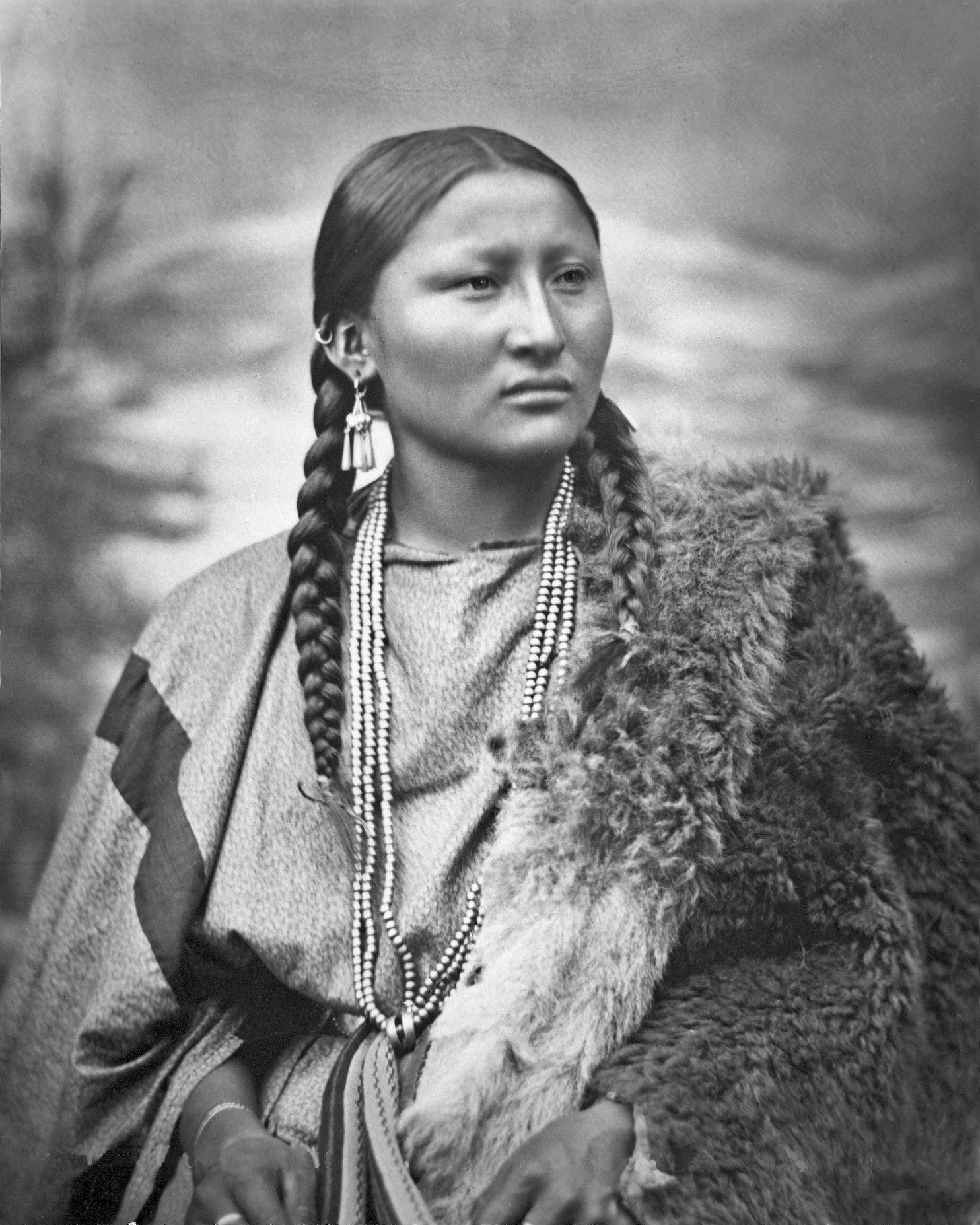
In the history books, the wars of the American frontier were fought by men: soldiers, chiefs and warriors. But in many Native nations, women also rode into battle. Some fought to protect their families. Some led war parties of their own. Some became chiefs.
Their stories were often passed down only in their own nations, or recorded in a few lines by soldiers and traders. Here are 10 Native American warrior women history forgot.
1. Weetamoo, Pocasset Wampanoag (Died 1676)
Weetamoo was the sunksqua, or female sachem (leader), of the Pocasset Wampanoag in what is now Massachusetts and Rhode Island. When King Philip’s War broke out in 1675, English officials urged her to stay neutral. Instead, she joined Metacom (King Philip) and brought her warriors into the war against the colonies.
Mary Rowlandson, an English woman captured in a raid in 1676, was held in Weetamoo’s household and later described her in her famous captivity narrative as “a severe and proud dame.” In August 1676, as the war collapsed, English forces surprised Weetamoo’s band near the Taunton River. She drowned trying to cross the river to escape.
2. Nanyehi (Nancy Ward), Cherokee (c. 1738–1822)
According to Cherokee tradition, at the Battle of Taliwa against the Muscogee (Creek) in 1755, the teenage Nanyehi fought beside her husband, Kingfisher, preparing his ammunition. When Kingfisher was killed, she picked up his rifle and helped lead the Cherokee warriors to victory.
For her courage, the Cherokee gave her the title Ghigau, “Beloved Woman,” one of the highest honors a Cherokee woman could hold. It gave her a voice in the Cherokee council and a leading role in deciding questions of war and peace. Later in life, as Nancy Ward, she became one of the Cherokee Nation’s most important diplomats.
3. Tyonajanegen (Two Kettles Together), Oneida (Revolutionary War)
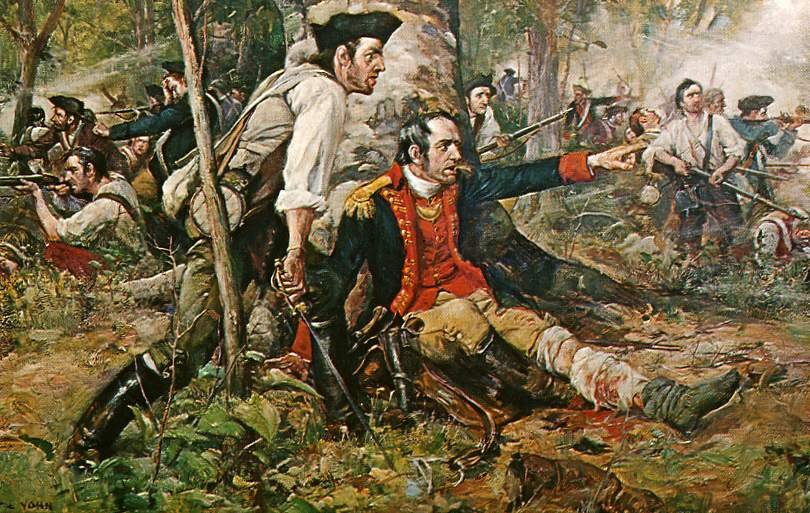
The Oneida were one of the few Haudenosaunee nations to side with the Americans in the Revolutionary War. On August 6, 1777, at the Battle of Oriskany in New York, Tyonajanegen rode into battle on horseback, armed with two pistols, alongside her husband, Han Yerry, and her son.
When her husband was shot in the wrist, she loaded his gun for him so he could keep firing. After the battle, she rode to carry the news and later helped care for the wounded and carry messages for the American side.
4. Woman Chief, Crow (c. 1806–1854)
She was born among the Gros Ventre, and at about 10 years old was captured by a Crow raiding party. The Crow warrior who adopted her taught her to ride, hunt and shoot. She became a skilled hunter and warrior, led raids against the enemies of the Crow, and earned a seat on the Crow council of chiefs, eventually ranking third among its leaders. The Crow called her Bíawacheeitchish, Woman Chief.
The fur trader Edwin Denig, who knew her, wrote that she could “rival any of the young men” in all their activities. She was killed in 1854 by a Gros Ventre war party, the people she had been born among, while trying to make peace with them.
5. Running Eagle (Pi’tamaka), Blackfeet (Piikani)
Born Brown Weasel Woman, she learned to hunt and fight from her father. According to the National Park Service, she once saved her father’s life when an enemy war party attacked during a hunt. Later, she helped protect a captured horse herd from Crow warriors.
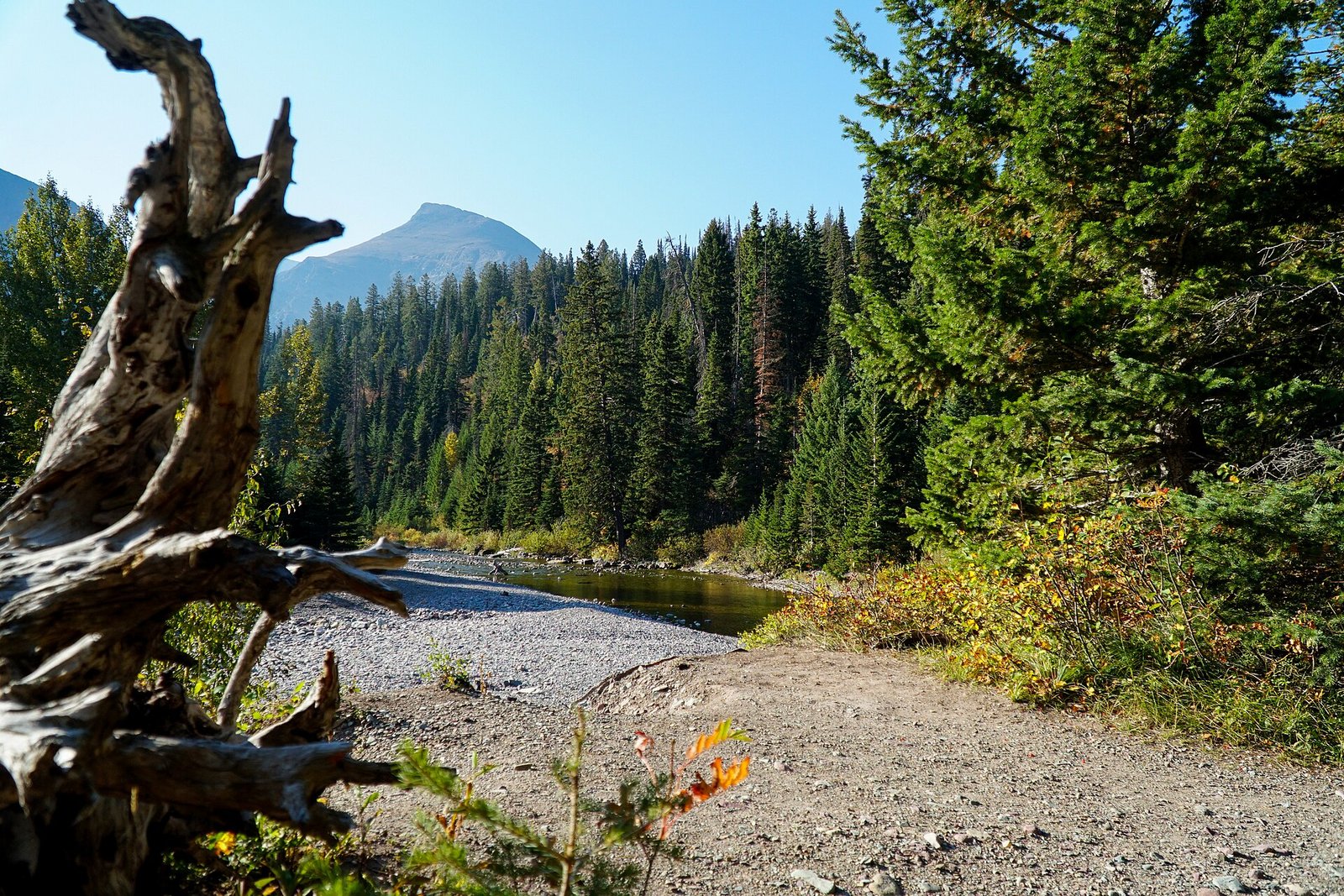
The head chief, Lone Walker, honored her with the name Running Eagle, a famous warrior’s name never before given to a woman. She led Blackfeet war parties of men on raids, and accounts say she was killed leading a raid against the Flathead (Salish). Today, Running Eagle Falls in Glacier National Park is named for her.
6. Buffalo Calf Road Woman, Northern Cheyenne (Died 1879)
At the Battle of the Rosebud on June 17, 1876, Buffalo Calf Road Woman saw that her brother, Chief Comes in Sight, had his horse shot from under him and was trapped between the lines. She rode into the fighting, pulled him onto her horse and carried him to safety. The Cheyenne still call the battle “Where the Girl Saved Her Brother.”
Eight days later she fought at the Little Bighorn. In 2005, Northern Cheyenne storytellers shared publicly for the first time their tradition that she struck the blow that knocked Custer from his horse.
7. The Other Magpie, Crow (Rosebud, 1876)
Not every warrior woman fought against the U.S. Army. The Other Magpie was a young Crow woman whose brother had recently been killed by the Lakota. At the Battle of the Rosebud in 1876, she rode with the Crow scouts fighting alongside General George Crook, armed only with a knife and a coup stick.
According to Pretty Shield, a Crow woman who told her story decades later, The Other Magpie counted coup on a Lakota warrior, touching an armed enemy, one of the bravest deeds a Plains warrior could perform.
8. Pretty Nose, Arapaho
Pretty Nose was an Arapaho woman photographed by L. A. Huffman at Fort Keogh, Montana, in 1879. According to her descendant Mark Soldier Wolf, an Arapaho elder and Korean War Marine, she fought at the Little Bighorn in 1876 and was a war chief. He said she was still alive, at 101 years old, to see him come home from Korea in 1952.
9. Lozen, Chihenne Apache (c. 1840–1889)
Lozen was the sister of the great Apache leader Victorio. She rode and fought beside him for years against U.S. and Mexican troops. According to the Apache account of James Kaywaykla, Victorio described her as his right hand, “strong as a man, braver than most, and cunning in strategy.” Apache tradition says she had a spiritual power to sense where the enemy was.
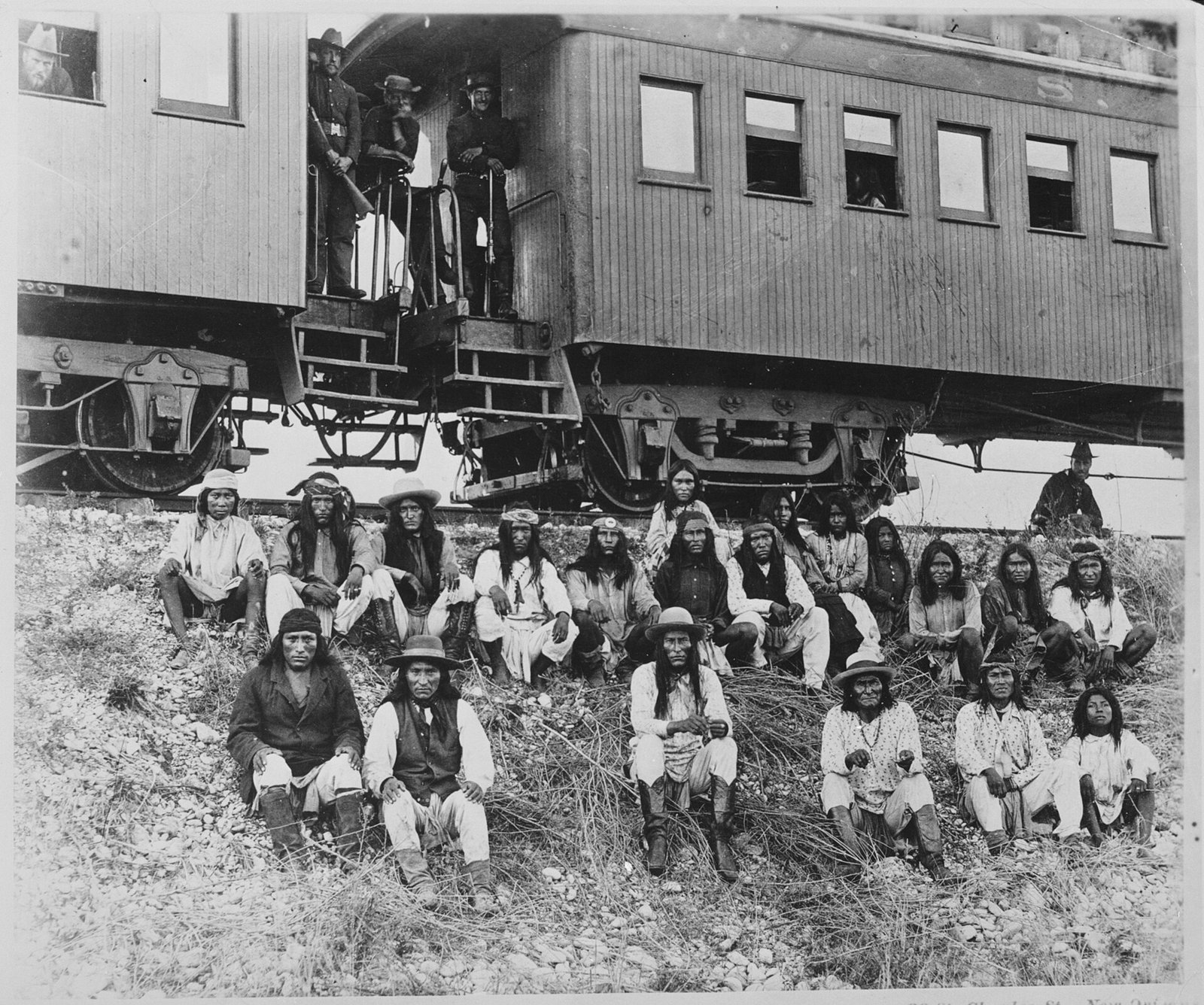
After Victorio’s death, she fought with Geronimo’s band until the final surrender in 1886. She was sent as a prisoner of war to Alabama, where she died of tuberculosis around 1889.
10. Dahteste, Chokonen Apache (c. 1860–1955)
Dahteste was a warrior and a companion of Lozen on many raids. She also spoke English, which made her valuable as a messenger and translator. According to Apache oral tradition, she and Lozen were the two women who carried messages between Geronimo’s band and the U.S. Army in the talks that led to his surrender in 1886.
Despite helping to end the war, she was sent as a prisoner to Florida and later to Fort Sill, Oklahoma. She finally returned to the Mescalero Apache Reservation in New Mexico, where she lived until her death in 1955.
Remembered At Last
For generations, these women were left out of the history books, or mentioned only in a footnote. But their nations never forgot them. Today, their names are on waterfalls, museum exhibits and monuments, and their stories are told again by their descendants.
After reading about these warrior women, meet 4 Native American women who fought Custer at the Little Bighorn. Then, read about 10 Native American leaders who never surrendered.