
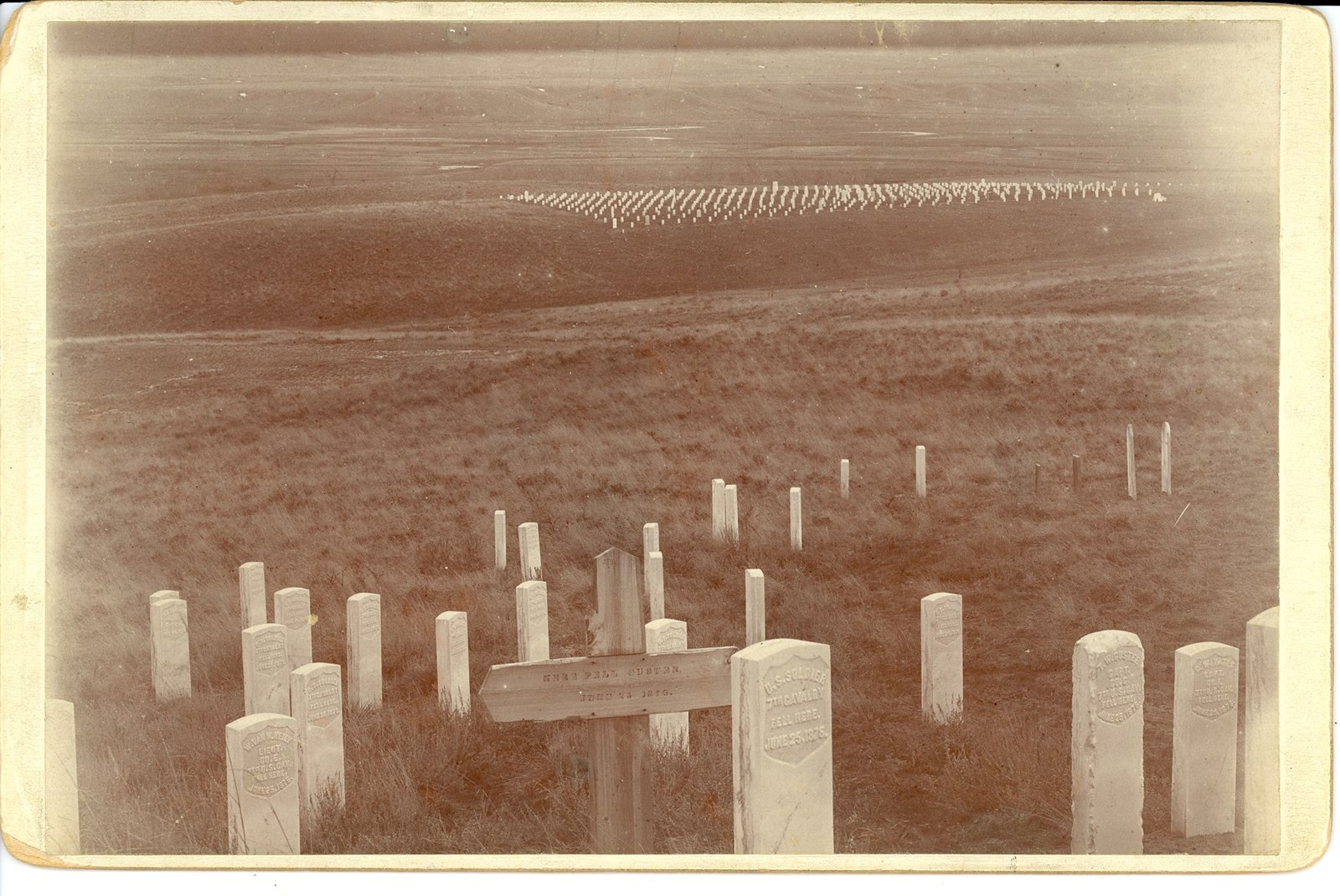
For well over a century, the Battle of the Little Bighorn was told as “Custer’s Last Stand,” a story about soldiers. But on June 25, 1876, when the 7th Cavalry attacked the great camp of Lakota, Northern Cheyenne and Arapaho families along the Little Bighorn River, the people who rode out to defend that camp were not only men.
Several women fought that day. Some were avenging family members. Some had fought before. Their stories survived in the memories of their families and in interviews they gave decades later. Here are four of them.
1. Buffalo Calf Road Woman (Northern Cheyenne)
Eight days before the Little Bighorn, on June 17, 1876, the Northern Cheyenne and Lakota fought General George Crook’s army along Rosebud Creek in Montana. In the middle of the battle, a Cheyenne chief named Comes in Sight had his horse shot from under him and was left on foot.
His sister, Buffalo Calf Road Woman, rode straight into the gunfire, pulled him up behind her, and carried him to safety. The Cheyenne have called that fight “The Battle Where the Girl Saved Her Brother” ever since.
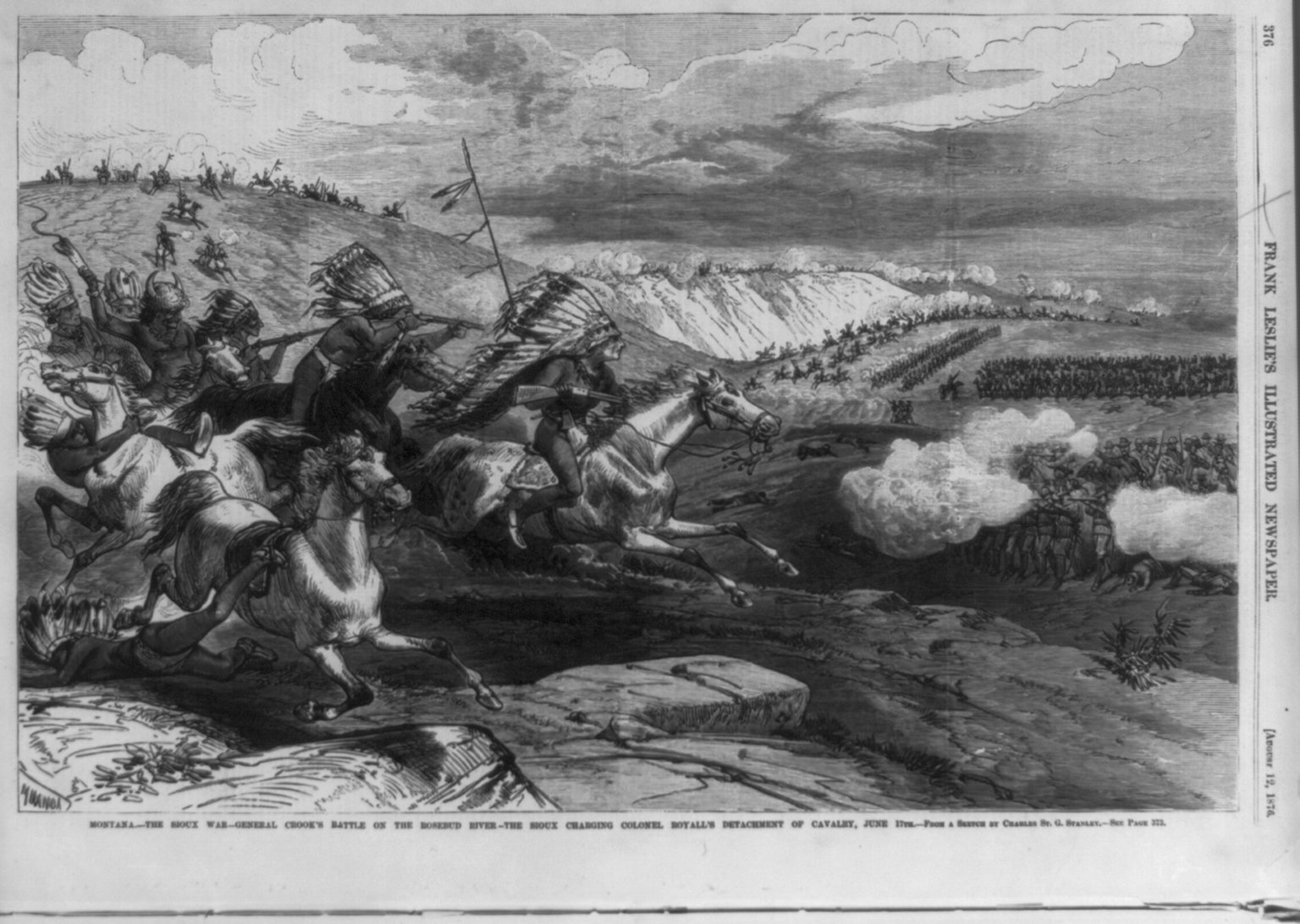
At the Little Bighorn a week later, she fought alongside her husband, Black Coyote. For more than 100 years, the Northern Cheyenne kept their full account of the battle private. In June 2005, tribal storytellers shared it publicly for the first time: according to their oral history, it was Buffalo Calf Road Woman who struck the blow that knocked Custer from his horse.
Cheyenne elder Frank Rowland explained the long silence to the Helena Independent Record: “The chiefs said to keep a vow of silence for 100 summers. One-hundred summers have now passed and we’re breaking our silence.”
Buffalo Calf Road Woman did not live long after the war. During the Northern Cheyenne’s hard journey back to their homeland, she died of diphtheria in May 1879, near present-day Miles City, Montana.
2. Moving Robe Woman (Hunkpapa Lakota)
Moving Robe Woman, whose Lakota name was Tȟašína Máni and who was later known as Mary Crawler, was about 23 years old in the summer of 1876. On the morning of June 25, she was digging wild turnips with other young women near the camp when the alarm came that soldiers were approaching.
Her brother, One Hawk, was killed in the first attack on the village. In grief and anger, she rode out with her father and the warriors to meet the soldiers. Many years later, she remembered how she felt:
“My heart was bad. Revenge! Revenge! For my brother’s death… I was a woman, but I was not afraid.”
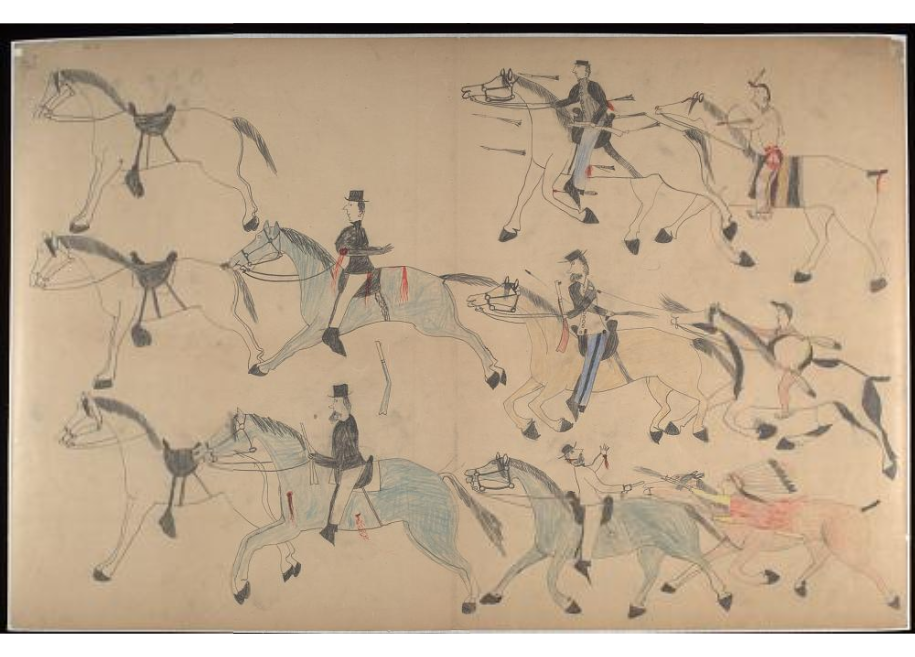
According to her own account, she killed two soldiers during the fighting. Some later accounts even tied her to Custer’s death, but many warriors made claims about how Custer died, and no one can say for certain who killed him.
She described the battle not as a massacre but as a hard-fought clash between two armed forces. In her words: “The valley was dense with powder smoke. I never heard such whooping and shouting… It was not a massacre, but a hotly contested battle between two armed forces.”
She later shared her memories with Frank B. Zahn at Fort Yates, North Dakota, and they were published in Richard G. Hardorff’s book Lakota Recollections of the Custer Fight. Moving Robe Woman lived until 1935 and died on the Standing Rock Reservation.
3. Pretty Nose (Northern Arapaho)
Pretty Nose was a Northern Arapaho woman, born around 1851, who fought in the battle with a combined Cheyenne and Arapaho group.
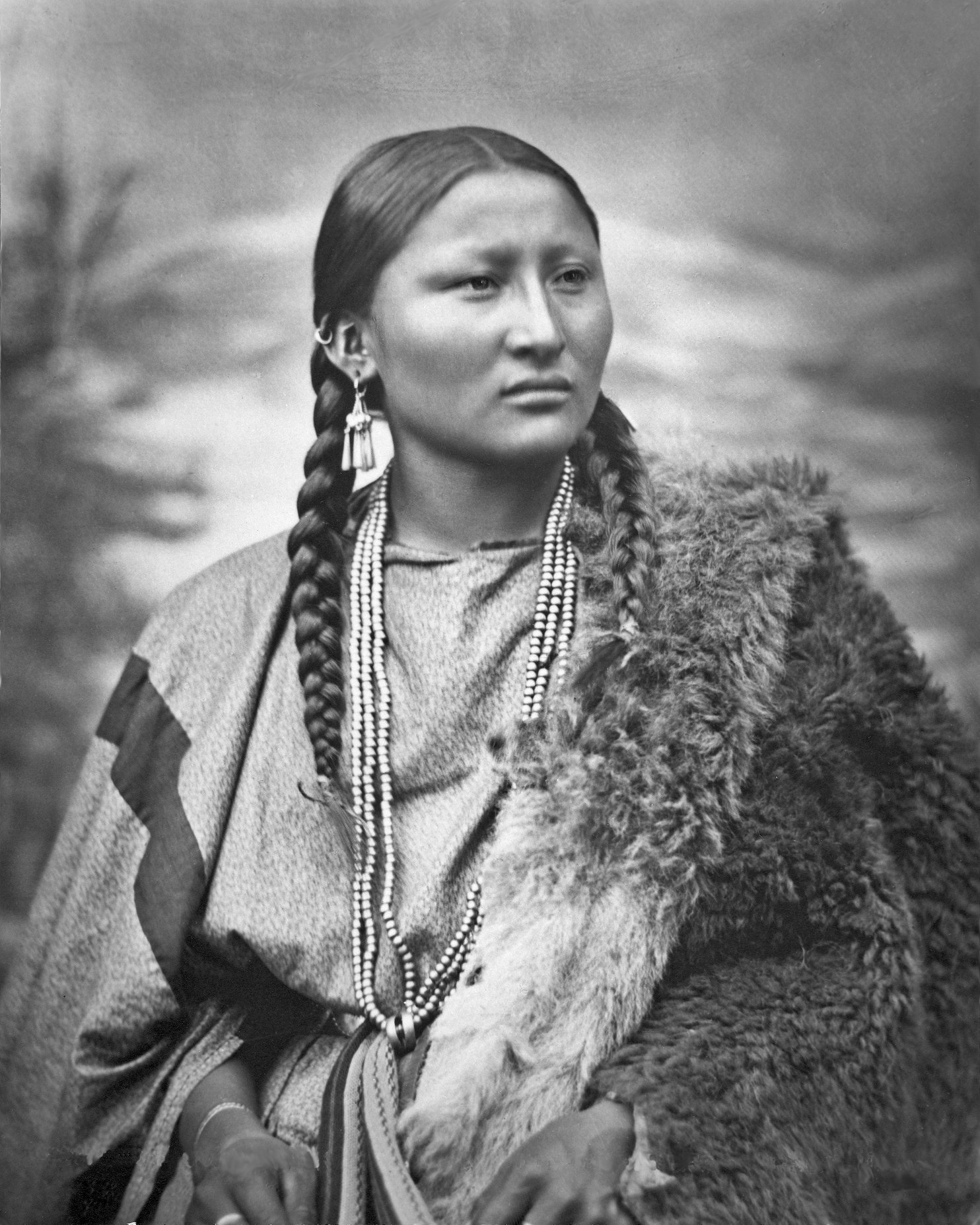
Three years after the battle, in 1879, the frontier photographer Laton Alton Huffman took her portrait. In it she wears a buffalo robe, long braids and beaded jewelry. It has become one of the best-known portraits of a Native American woman from that era. For many years some people believed she was Cheyenne, but the red, black and white beaded cuffs she wore identify her as Arapaho.
Pretty Nose lived an extraordinarily long life. According to her grandson Mark Soldier Wolf, she was honored as a war chief, and she was still alive at about 101 years old in 1952, when she saw him return home to the Wind River Reservation in Wyoming after serving with the U.S. Marines in the Korean War.
4. Minnie Hollow Wood (Lakota)
Minnie Hollow Wood was a Lakota woman, born around 1856, who married a Cheyenne warrior named Hollow Wood. At the Little Bighorn, she fought against the U.S. cavalry.
Her courage that day earned her the right to wear a war bonnet, the feathered headdress worn by proven warriors. It was an honor almost never given to a woman. For a time, she was reportedly the only woman in her tribe entitled to wear one.
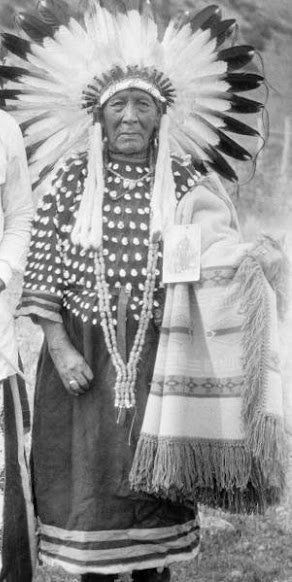
After the war, she and her husband surrendered to Colonel Nelson A. Miles at Fort Keogh, Montana, in 1877. She spent the rest of her life on the Northern Cheyenne Reservation in Montana, and she shared her memories of the old days with the historian Thomas B. Marquis, who recorded many Cheyenne accounts of the battle. She died in the 1930s.
Her story was told again in 2019 in Minnie’s War Bonnet, an animated short film directed by Yvonne Russo, which aired on PBS.
Why Their Stories Matter
For generations, books, paintings and films told the Little Bighorn from the soldiers’ side. The voices of the Native people who were there, especially the women, were rarely asked for. Much of what we know about these four women comes from their own families and communities, and from the few interviewers who took the time to listen.
Today, the Little Bighorn Battlefield National Monument includes an Indian Memorial, dedicated in 2003, honoring the nations who fought there. And the women who rode out to defend their families that day are finally being remembered by name.
Read more: the full story of Buffalo Calf Road Woman, and 10 mysteries of Custer’s Last Stand that still puzzle historians.