Crazy Horse is one of the most famous Native American leaders who ever lived. He helped defeat Custer at the Little Bighorn, and his name is known around the world.
Yet no one knows where he is buried. There is no confirmed photograph of his face, and there is no grave anyone can visit. This is the story of what happened to Crazy Horse’s body, and the secret his family kept.
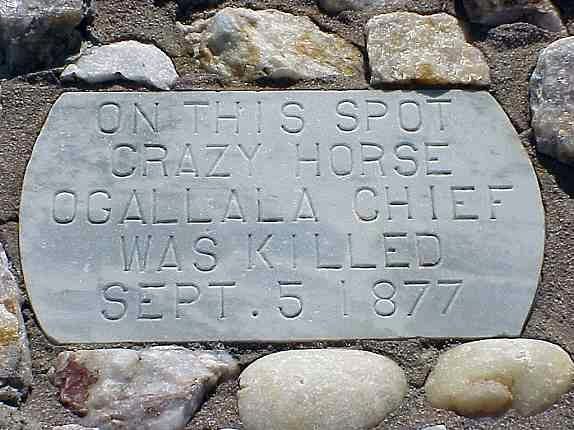
A Death At Camp Robinson
In May 1877, Crazy Horse surrendered with his people at Camp Robinson in northwestern Nebraska. Their long war was over. But tensions on the agency grew, and rumors spread that Crazy Horse was planning to leave or to start another war.
On September 5, 1877, Army officers ordered his arrest. As soldiers tried to lead him into the guardhouse, he realized what was happening and struggled to get free. In the struggle, a soldier stabbed him with a bayonet. Crazy Horse died late that night in the post adjutant’s office. He was about 37 years old.
His father was at his side. According to accounts of that night, Crazy Horse told him: “Father, it is no good for the people to depend on me any longer.”
His Parents Take Him Home
The Army gave Crazy Horse’s body to his elderly parents. According to historical accounts, they stayed near the fort in grief for days before they were allowed to take him away.
They carried his body to the Spotted Tail Agency near Camp Sheridan, about 40 miles to the northeast, where many of his relatives lived. There, following Lakota custom, they placed him on a burial scaffold, a raised platform, reportedly in a tree along Beaver Creek. Accounts say his coffin was enclosed with planks to protect it from animals.
The Secret Journey
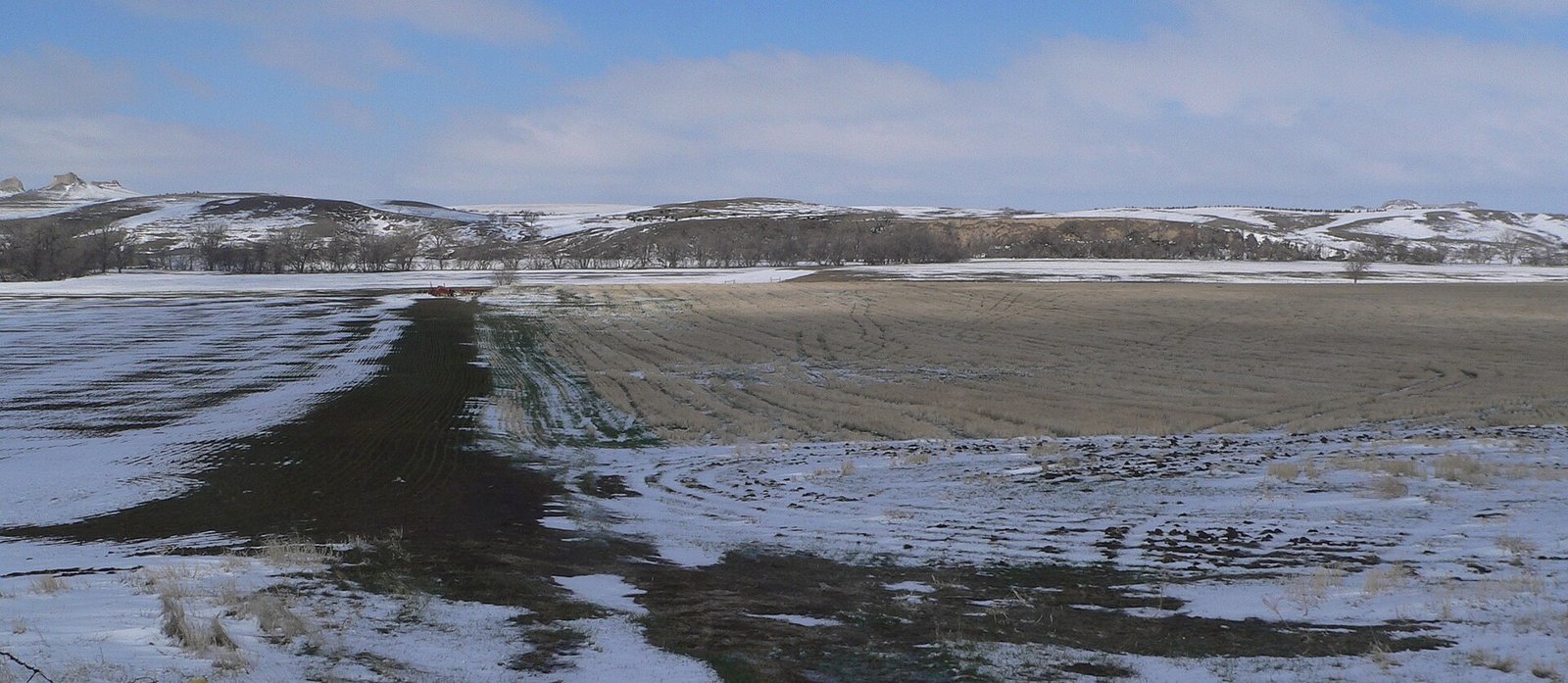
Crazy Horse did not stay there long. In late 1877, the government moved the Spotted Tail Agency east, toward the Missouri River. Crazy Horse’s parents would not leave him behind.
According to the historical record, they took his remains with them on a travois, a frame pulled by a horse, and buried him somewhere along the way. They told almost no one where.
Why the secrecy? Many Lakota feared that soldiers, souvenir hunters or grave robbers would dig up and disturb the body of the famous war leader. Graves of Native people were often robbed in those years, and remains were even sent to museums. Crazy Horse’s family wanted him to rest in peace, where no one could find him.
Where Is He Buried?
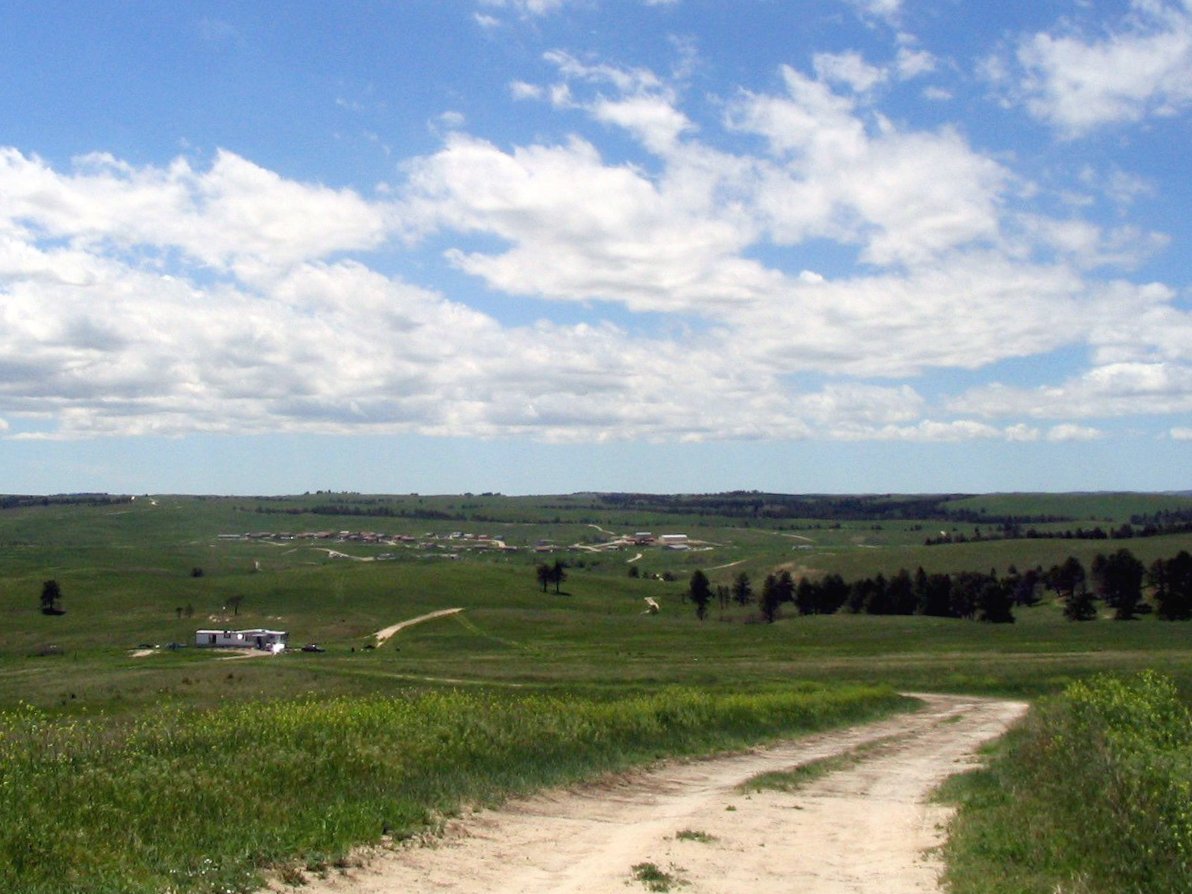
Nearly 150 years later, the answer is still a secret. There are several stories:
- Near Wounded Knee Creek. The most common tradition places his grave somewhere in the hills near Wounded Knee, on what is now the Pine Ridge Reservation in South Dakota.
- Near Porcupine Butte. Some accounts point to the area around Porcupine Butte, not far from Wounded Knee.
- Beaver Creek, Nebraska. Some say the body never left the Beaver Creek area at all and is hidden among the bluffs near the old scaffold site.
- Moved more than once. One account says the remains were moved several times to keep them safe.
None of these has ever been confirmed. Some Lakota families say they know, but they have kept the secret, as Crazy Horse’s parents wished.
The Man Who Left No Trace
In a way, the mystery fits the man. Crazy Horse refused to sign treaties, did not want to live on a reservation, and is believed never to have allowed his photograph to be taken. The only face of Crazy Horse most people know today is the giant mountain carving in the Black Hills, the Crazy Horse Memorial, begun in 1948. Many Lakota people oppose it, saying that turning a sacred mountain into a monument goes against everything Crazy Horse believed.
He left no photograph, no signature on a treaty and no known grave. Only his name, and the stories his people still tell.
After reading about the mystery of his grave, discover 10 mysteries of Crazy Horse that historians still can’t answer. Then, meet Touch the Clouds, the giant warrior who stayed with Crazy Horse until the end.