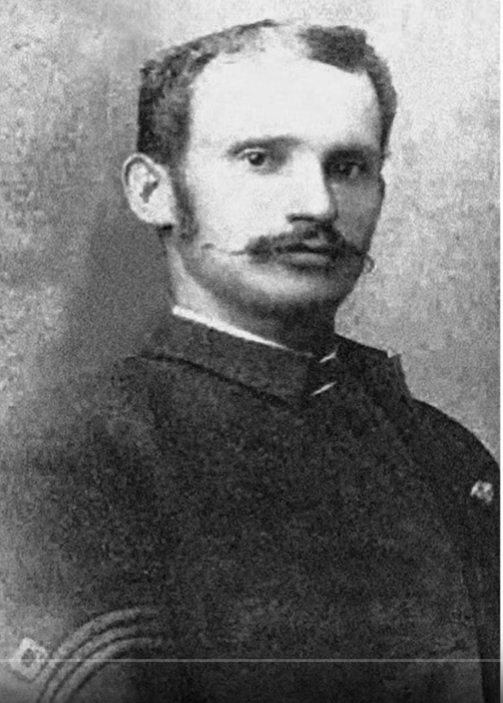
When Charles Windolph died in 1950, he was 98 years old and the last white survivor of the Battle of the Little Bighorn.
He had been a young private in the 7th Cavalry in June 1876. He did not die with Custer, because he was not with Custer. He was on a hilltop a few miles away, trapped with the rest of the regiment for two terrible days, wondering why Custer never came. Seventy years later, he told his story in a book called I Fought with Custer. This is what he saw.
A German Immigrant In The 7th Cavalry
Charles Windolph was born on December 9, 1851, in the Kingdom of Hanover, in what is now Germany, and came to the United States in 1871. He joined the Army, and by 1872 he was serving in Company H of the 7th Cavalry, under Captain Frederick Benteen.
By 1876 he was an experienced cavalryman. He had ridden on the 1873 Yellowstone Expedition and on Custer’s 1874 expedition into the Black Hills, where gold was found.
June 25, 1876: Where Was Custer?
On June 25, 1876, Custer split the 7th Cavalry into three groups. Benteen’s battalion, including Windolph, was sent off to scout the hills to the left. Major Marcus Reno attacked the south end of the great Lakota and Cheyenne camp, and Custer rode north with five companies.
Later that afternoon, Benteen’s men were called back. They found Reno’s battalion on a high bluff above the river, shaken and broken. Reno’s men had been routed in the valley and had fled across the river and up the bluffs.
Everyone was asking the same question: where was Custer? He had vanished with almost half the regiment. In the distance, the men could hear firing. Then it stopped.
Trapped On The Hill
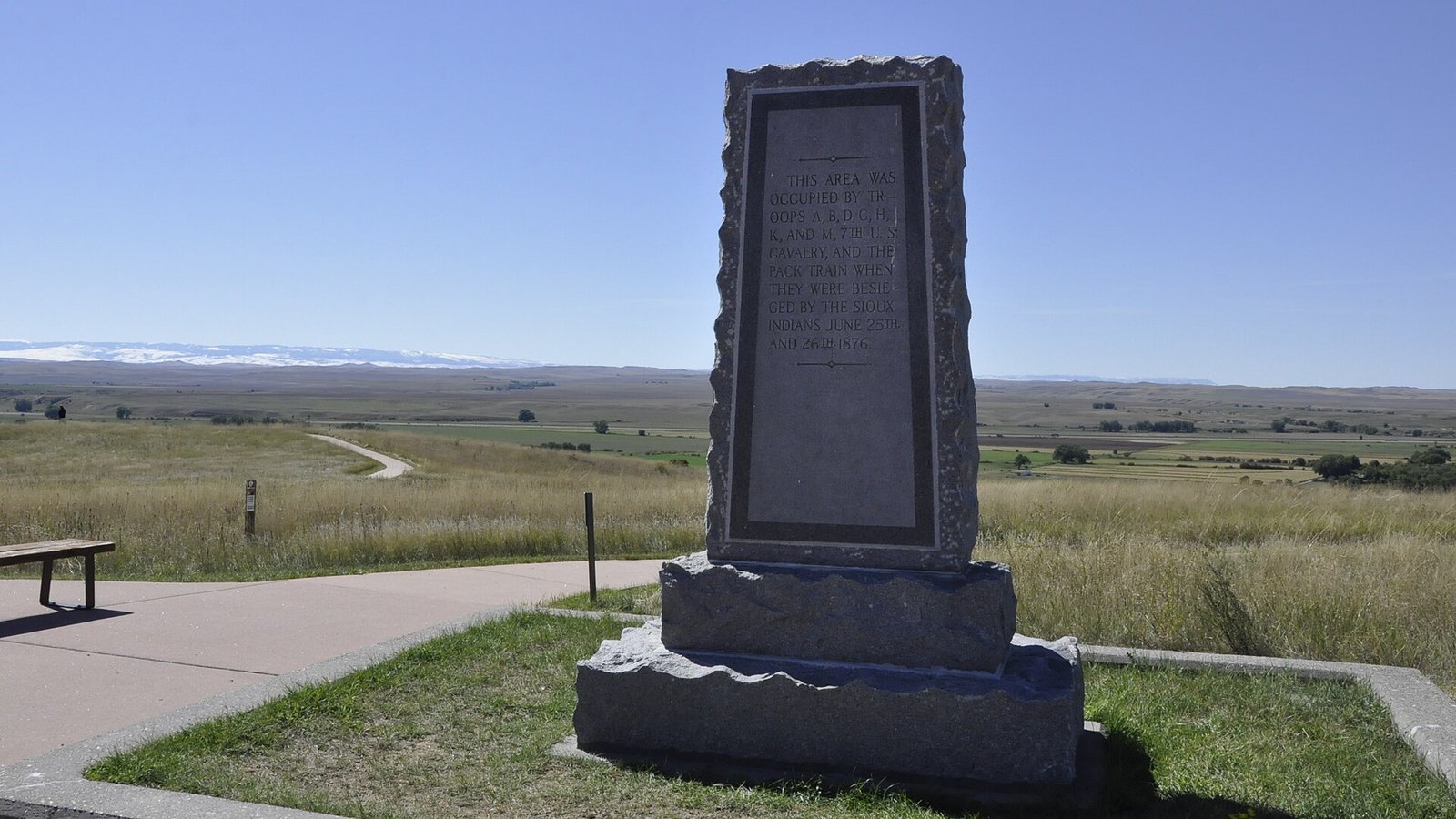
Soon, the warriors came back from the north and surrounded the hilltop. For the rest of that day and all of the next, the soldiers were pinned down. Bullets and arrows came from every direction. Horses and mules were hit. Men were killed and wounded beside one another.
Windolph remembered it simply: “And death was all around us.”
There were almost no tools for digging. The men scraped out shallow rifle pits with whatever they had, and piled up packs, boxes and the bodies of dead horses and mules for cover. Windolph himself was nearly killed: a bullet split the stock of his carbine, and he was wounded in the buttock.
The Water
By the second day, June 26, the heat was terrible. The wounded lay in the sun, crying for water. But the only water was in the river at the bottom of a steep ravine, and warriors were hidden in the brush along its banks.
Benteen called for volunteers. A party of men would crawl down the ravine with canteens and kettles to fill them at the river. To protect them, four sharpshooters from Company H would stand on the ridge in full view of the warriors and fire to keep them back. Windolph was one of the four.
Standing exposed on that ridge, the four men kept firing while the water carriers made their way down and back. The water party brought water to the wounded. Windolph and his three comrades were later awarded the Medal of Honor. His citation says that “with 3 comrades, during the entire engagement,” he “courageously held a position that secured water for the command.”
Benteen also made him a sergeant on the battlefield. When Windolph warned his captain that he was standing too exposed, Benteen answered him, Windolph recalled: “Don’t worry about me.”
“We Still Had Heard No Word From Custer”
Late on June 26, the warriors pulled back. The great camp in the valley packed up and moved away, and the long line of people and horses disappeared to the south.
The survivors on the hill came out of their pits. They finally got water and food. They buried their dead. Windolph described it in one unforgettable line: “Gently we buried our dead in the shallow trenches we had dug for the living.”
And still, no one knew what had happened to Custer. As Windolph put it, “We still had heard no word from Custer.”
The answer came on June 27, when General Alfred Terry’s column arrived and found the ridges to the north. Custer and every soldier in his five companies were dead.
The Last Survivor
Windolph stayed in the Army until 1883, rising to first sergeant. Then he settled in Lead, in the Black Hills of South Dakota, and worked for the Homestake Mining Company for 49 years, in the same hills where he had ridden with Custer in 1874.
He lived to see the automobile, two world wars and the atomic bomb. When he died in March 1950, newspapers called him the last white survivor of the Little Bighorn. He was buried at Black Hills National Cemetery.
After reading Windolph’s account, find out just how bad Custer’s Last Stand really got. Then, read about Curly, the Crow scout, and his disturbing account.