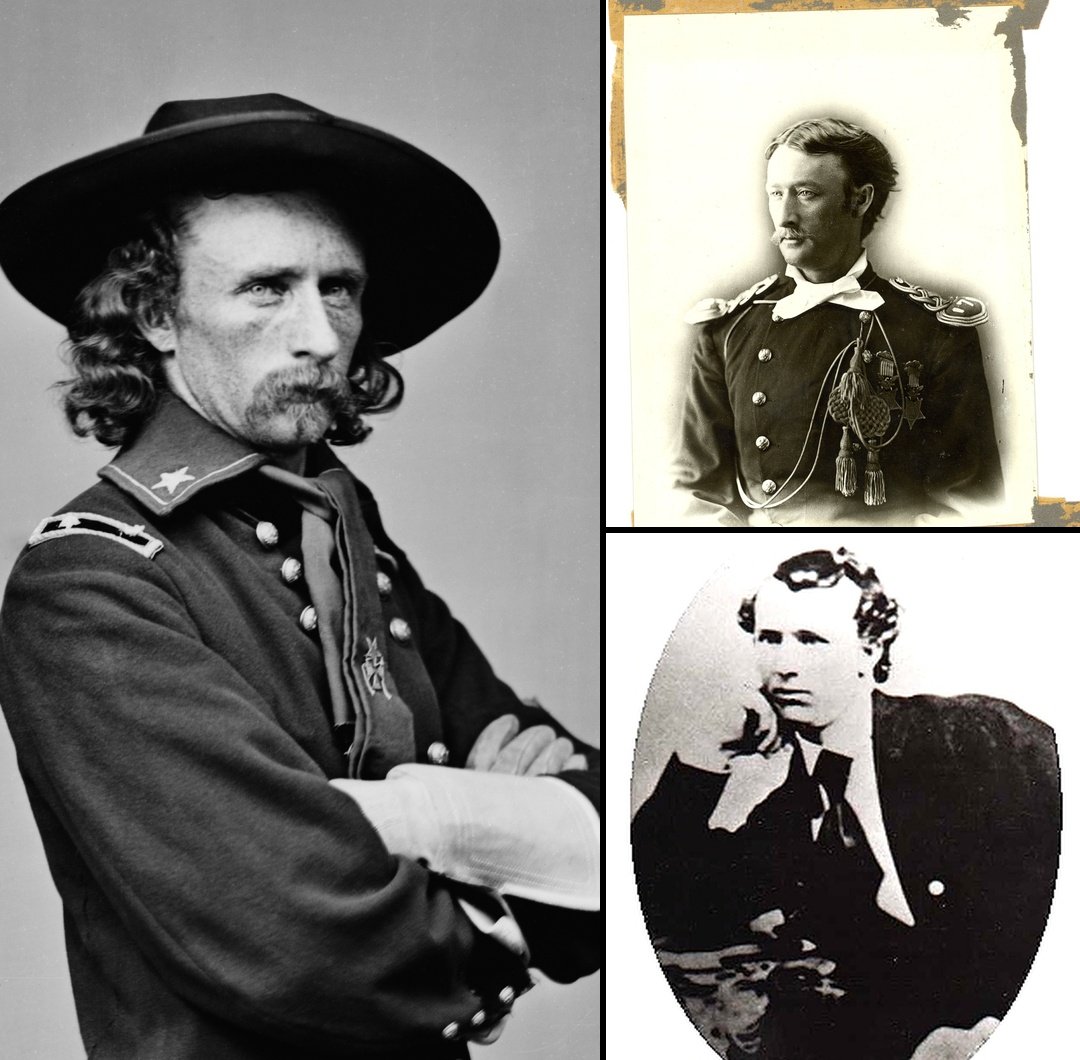
When Lieutenant Colonel George Armstrong Custer led the 7th Cavalry toward the Little Bighorn River in June 1876, he did not ride alone. Beside him were two of his brothers, his 18-year-old nephew and his brother-in-law.
On June 25, 1876, all five were killed by Lakota, Cheyenne and Arapaho warriors defending their camp. In a single afternoon, one family from Monroe, Michigan, lost three sons, a son-in-law and a grandson. This is their story.
The Men Who Rode With Custer
George Armstrong Custer, 36. The famous “Boy General” of the Civil War, now commanding the 7th Cavalry as a lieutenant colonel.
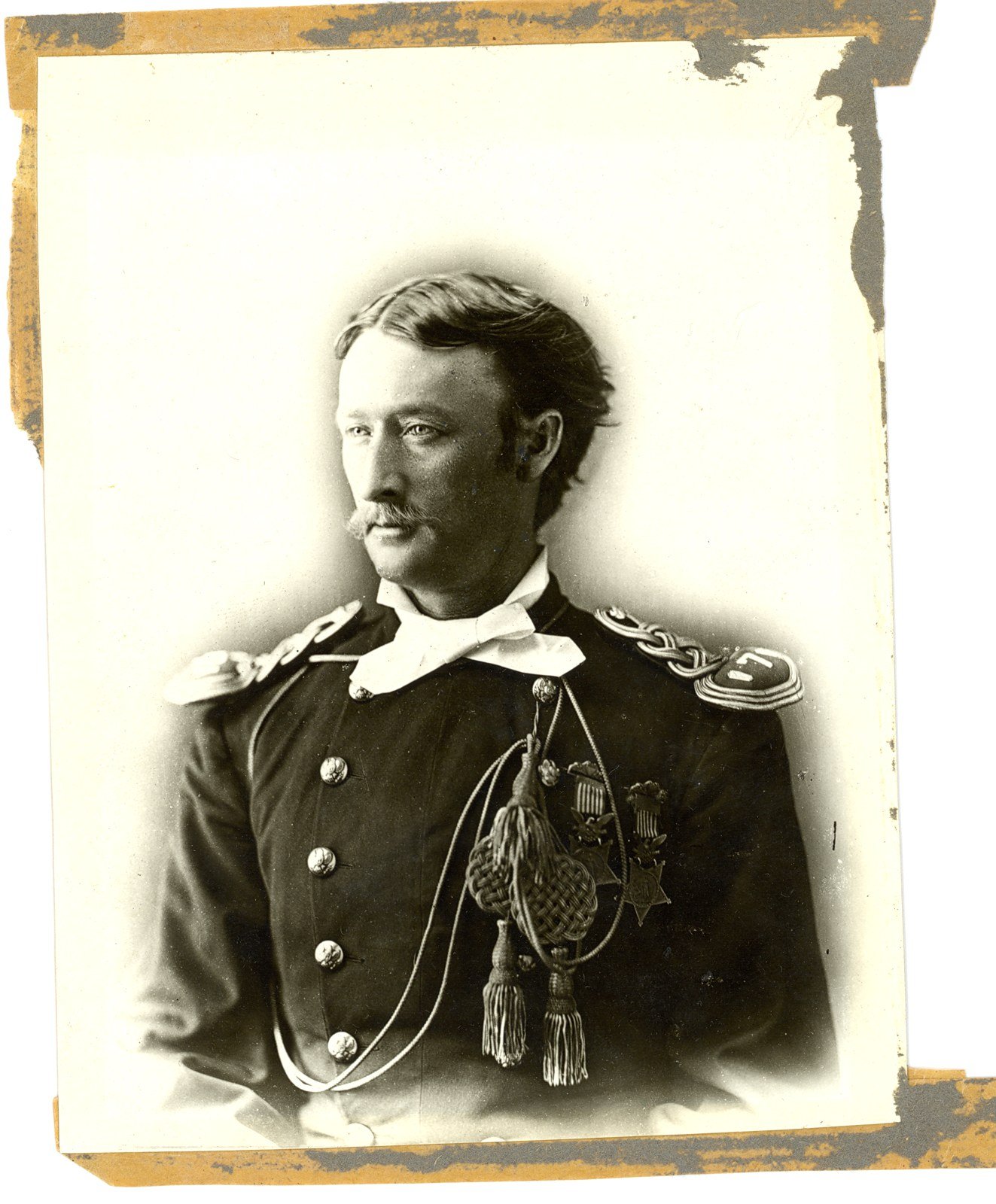
Captain Tom Custer, 31. George’s younger brother and one of the bravest soldiers of the Civil War, where he won two Medals of Honor for capturing Confederate flags. The brothers were close, and Tom served as a company commander in George’s regiment.
Boston Custer, 27. The youngest Custer brother was not a soldier. He worked for the Army as a civilian forage master and guide, and came along to be with his brothers.
Henry Armstrong “Autie” Reed, 18. The son of George’s older half-sister, Lydia Ann Reed, who had helped raise George as a boy in Monroe. Named after his famous uncle, Autie joined the expedition as a civilian cattle herder. For a teenager from Michigan, it was meant to be the adventure of a lifetime.
Lieutenant James Calhoun, 30. He had married the Custers’ younger sister, Margaret, and served as an officer in the 7th Cavalry. On the day of the battle, he commanded Company L.
The Day Of The Battle
On the afternoon of June 25, Custer divided his regiment. He sent Major Marcus Reno to attack the southern end of the great camp in the valley and led five companies himself along the ridges east of the river. The five men of the Custer family all rode in that group.
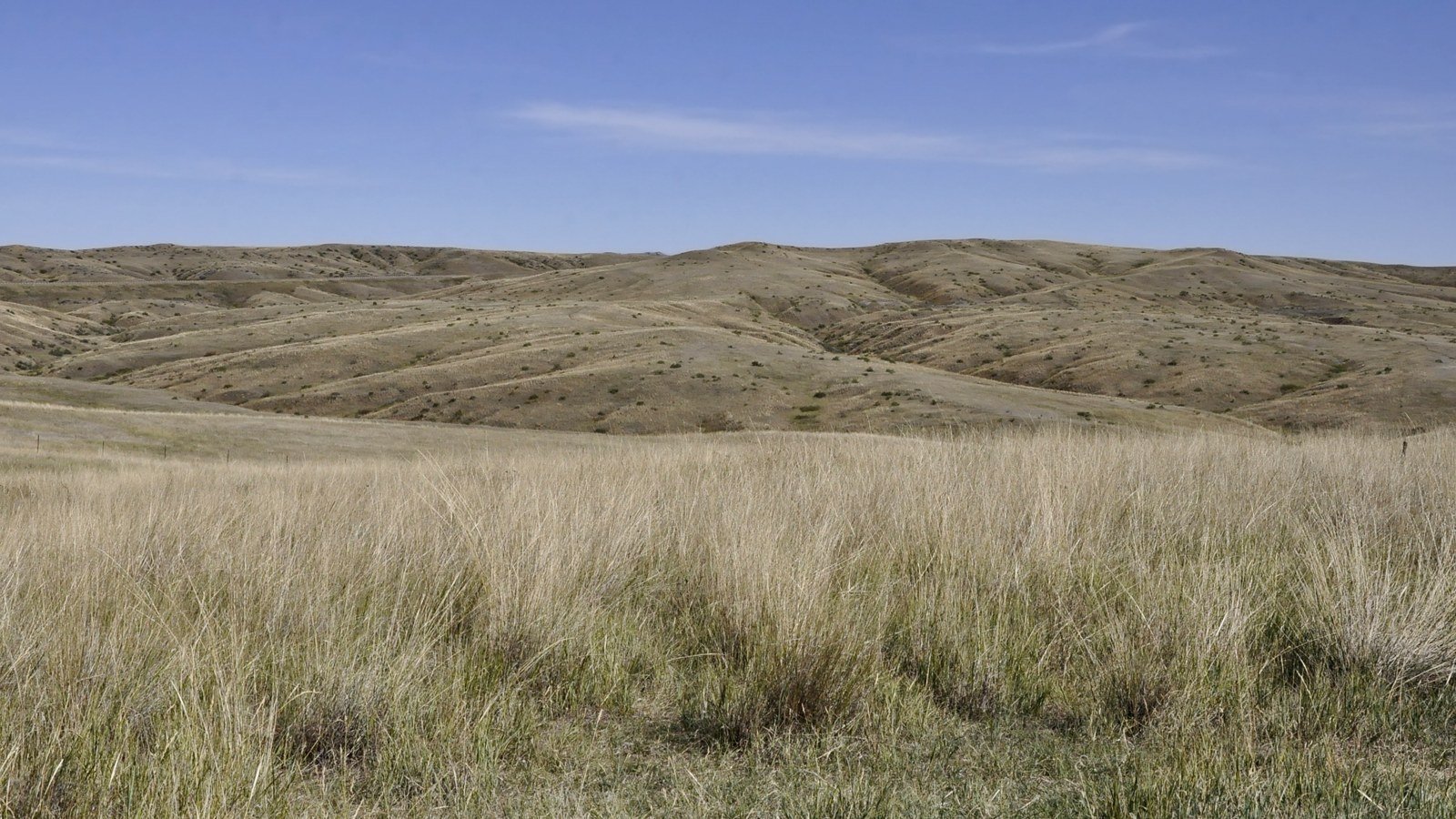
Calhoun’s Company L took a position on a hill at the southern end of the long ridge. As warriors closed in from several directions, the company was overrun. The rise where Calhoun and his men died is still called Calhoun Hill.
At the far northern end of the ridge, on the small hill now known as Last Stand Hill, George Custer and the last of his men were surrounded. According to the National Park Service, Tom Custer, Boston Custer and young Autie Reed were found in the group near George’s position. No soldier who was with them survived, so no one can say exactly how their last moments unfolded.
Found Two Days Later
On June 27, soldiers of General Alfred Terry’s column reached the battlefield and began the grim work of identifying and burying the dead. Tom Custer could only be identified by the initials “TWC” tattooed on his arm, according to the National Park Service.
The bodies of the soldiers, including the Custer brothers, were buried in shallow graves on the field where they fell.
The News Reaches Fort Lincoln
Back at Fort Abraham Lincoln, in Dakota Territory, the families of the 7th Cavalry had heard nothing. In early July, the steamboat Far West brought the news down the river.
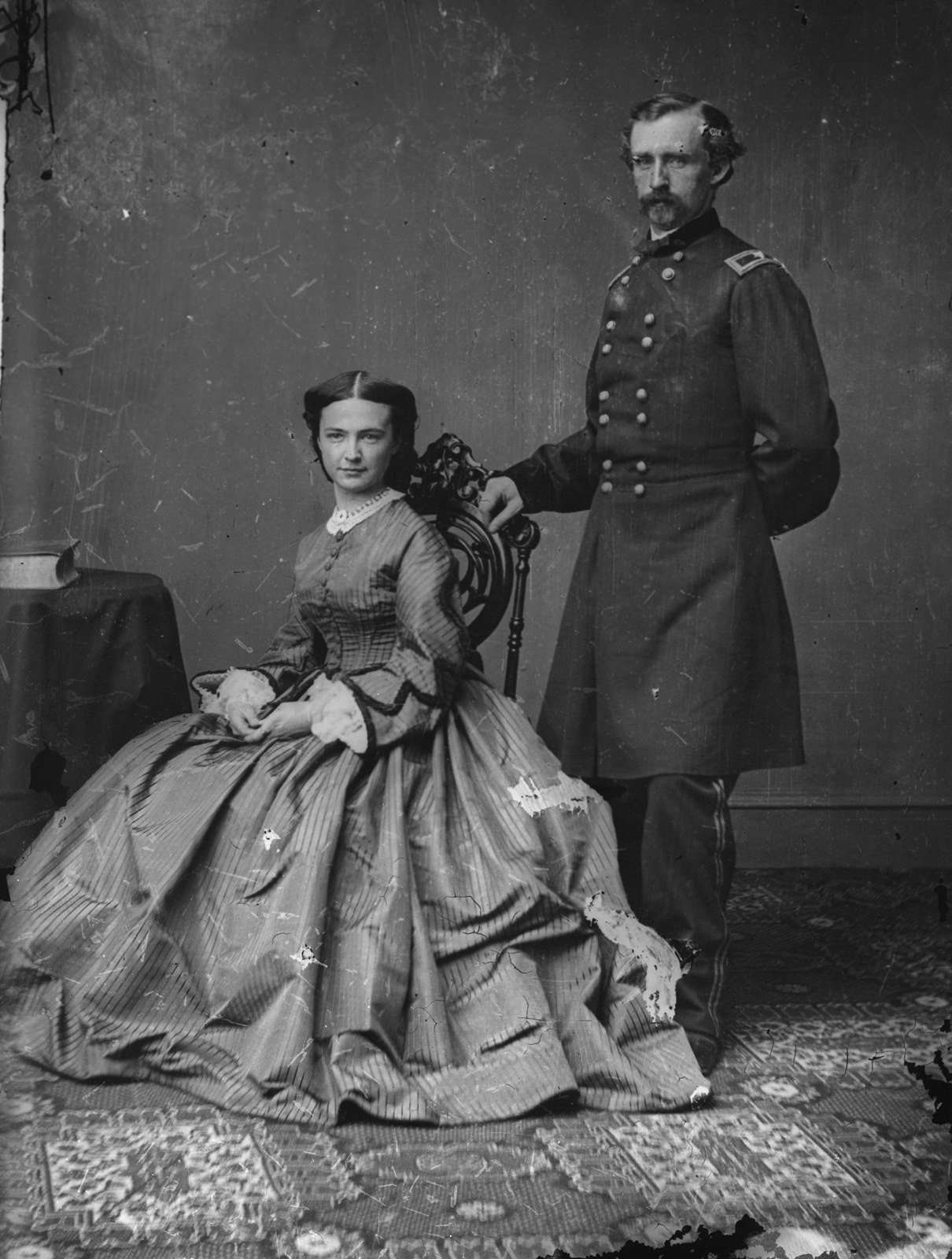
Officers came to the Custer house. In the parlor, Libbie Custer, George’s wife, listened as the dispatch was read, with her sister-in-law Margaret Calhoun and her niece Emma Reed beside her. In one day, Margaret had lost her husband, three of her brothers and her nephew.
According to HistoryNet’s account, Libbie then asked for her shawl and went with the officers to tell the other women of the fort that their husbands were dead. Years later, in her book Boots and Saddles, she wrote that the battle “wrecked the lives of twenty-six women at Fort Lincoln.”
Even In Death, They Were Separated
The family could not even be buried together. In 1877, the Army brought the bodies of the officers back from the battlefield. George was reburied with full military honors at West Point on October 10, 1877. Tom Custer and James Calhoun were reburied at Fort Leavenworth National Cemetery in Kansas.
Boston and Autie were a different matter. Because they had been civilians, the Secretary of War refused to authorize or pay for bringing their remains home. The family had to wait. Their remains finally arrived in Monroe, Michigan, in January 1878, a year and a half after the battle, and they were buried in the family plot at Woodland Cemetery.
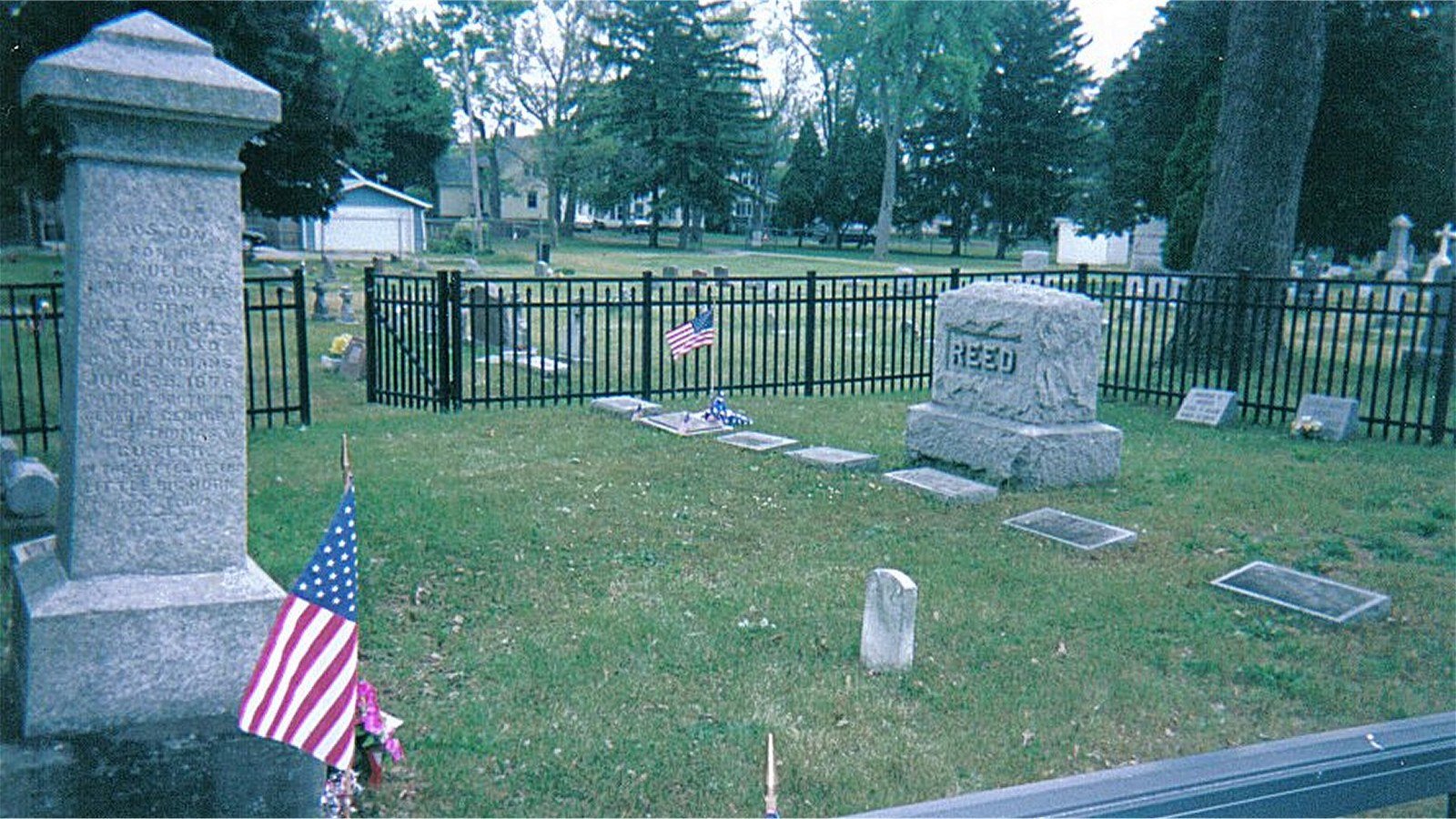
The Family Left Behind
In Monroe, Emanuel and Maria Custer had lost three of their sons, their son-in-law and their grandson on the same day. Only one son, Nevin, who had stayed home to farm, survived.
Libbie Custer never remarried. She spent the next 57 years, until her death in 1933, writing books and giving lectures that turned her husband into an American legend.
The battle that made Custer famous also destroyed his family. And on the other side of the ridge, in the lodges along the river, Lakota and Cheyenne families were mourning their own dead that night.
After reading about the Custer family, find out who really killed Custer. Then, read what America said about Custer’s Last Stand.