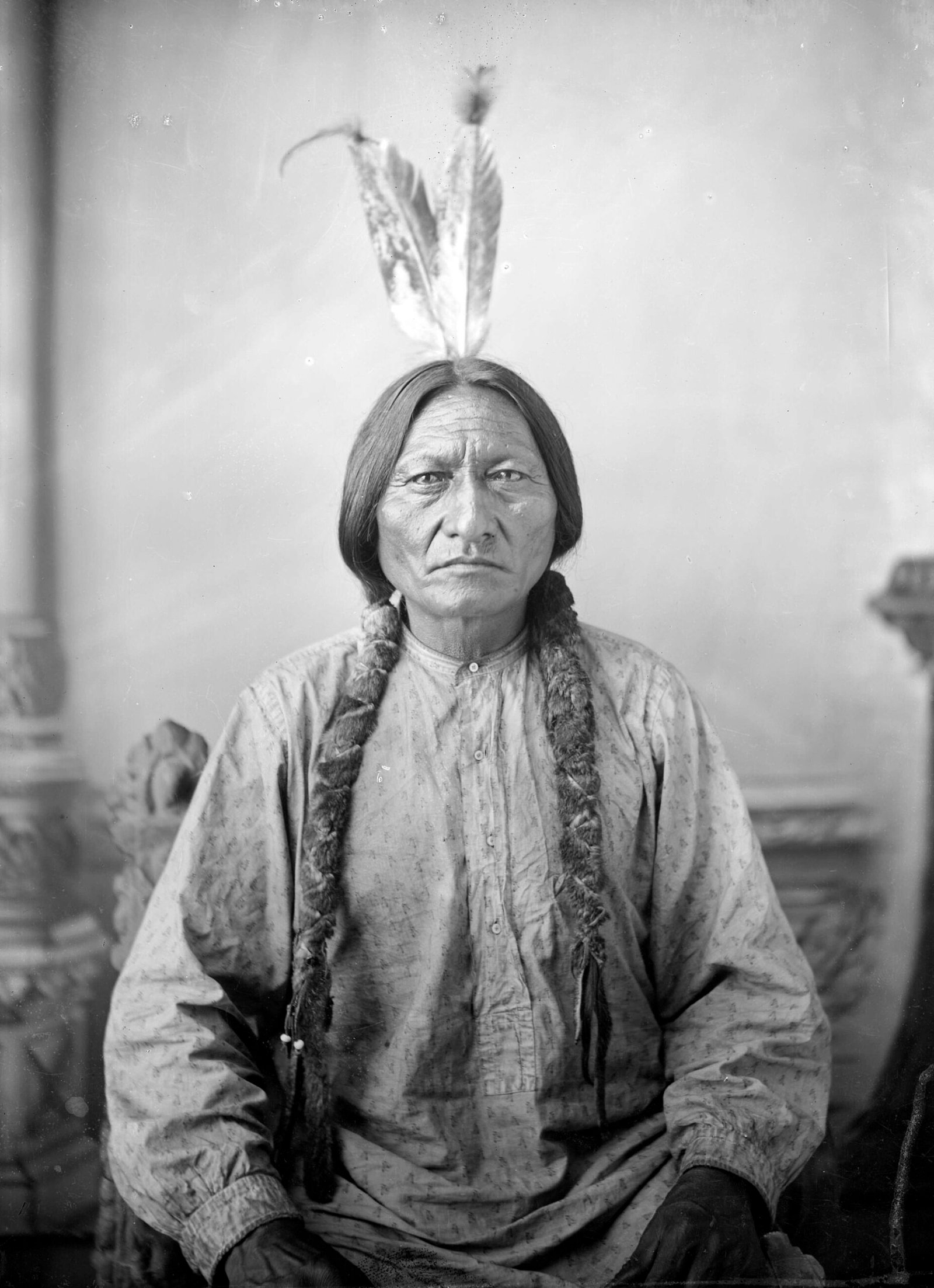
In early June 1876, a Lakota holy man danced through the night until he fainted from loss of blood.
When he woke, he told his people what he had seen. Soldiers were falling upside down into the Lakota camp, with their feet toward the sky.
Less than three weeks later, soldiers of the 7th Cavalry attacked the great camp on the Little Bighorn River. The holy man was Sitting Bull, and his vision became one of the most famous prophecies in American history.
A Camp Of Thousands On The Rosebud
That spring, Lakota and Cheyenne bands were gathering along the Rosebud River in Montana. They came to hunt, to be together, and to stand against the soldiers who were being sent against them. The camps grew larger by the week. One account says the Sun Dance gathering held more than three thousand people.
Sitting Bull, a Hunkpapa Lakota born around 1831, was a respected holy man and a leader of his people. As the soldiers drew closer, many people looked to him for guidance.
The Sun Dance
The Sun Dance is the most sacred ceremony of the Lakota and other Plains nations. Dancers pray, fast and sacrifice, so that the Great Spirit will hear them and help their people.
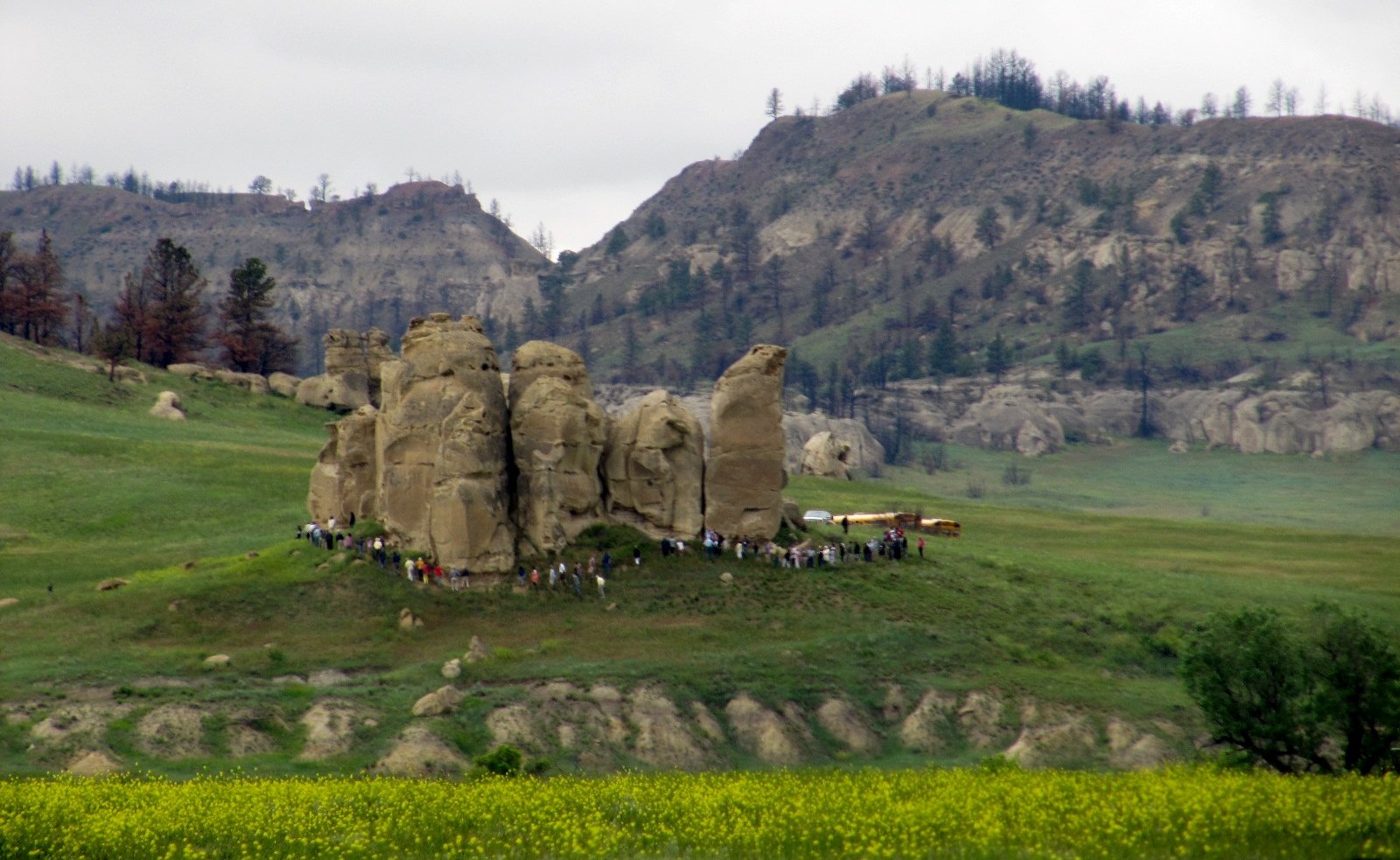
Sitting Bull’s Sun Dance took place around June 6, 1876, near Rosebud Creek, at a place known today as Deer Medicine Rocks. As an offering, he had one hundred small pieces of flesh taken from his arms. One account says fifty from each arm. Then he danced, and kept dancing through the night until he fainted.
The Vision
When Sitting Bull woke, he described what he had seen. He said he had watched soldiers and their horses falling into the camp, upside down, with their heads toward the ground and their feet toward the sky. Many accounts say they fell like grasshoppers. Some versions add that a voice told him these soldiers had “no ears,” meaning they did not listen. This detail appears in fewer sources, so it is less certain.
The people took the vision as a promise of victory. In a camp preparing for war, it gave them new courage.
Eight Days Before Custer
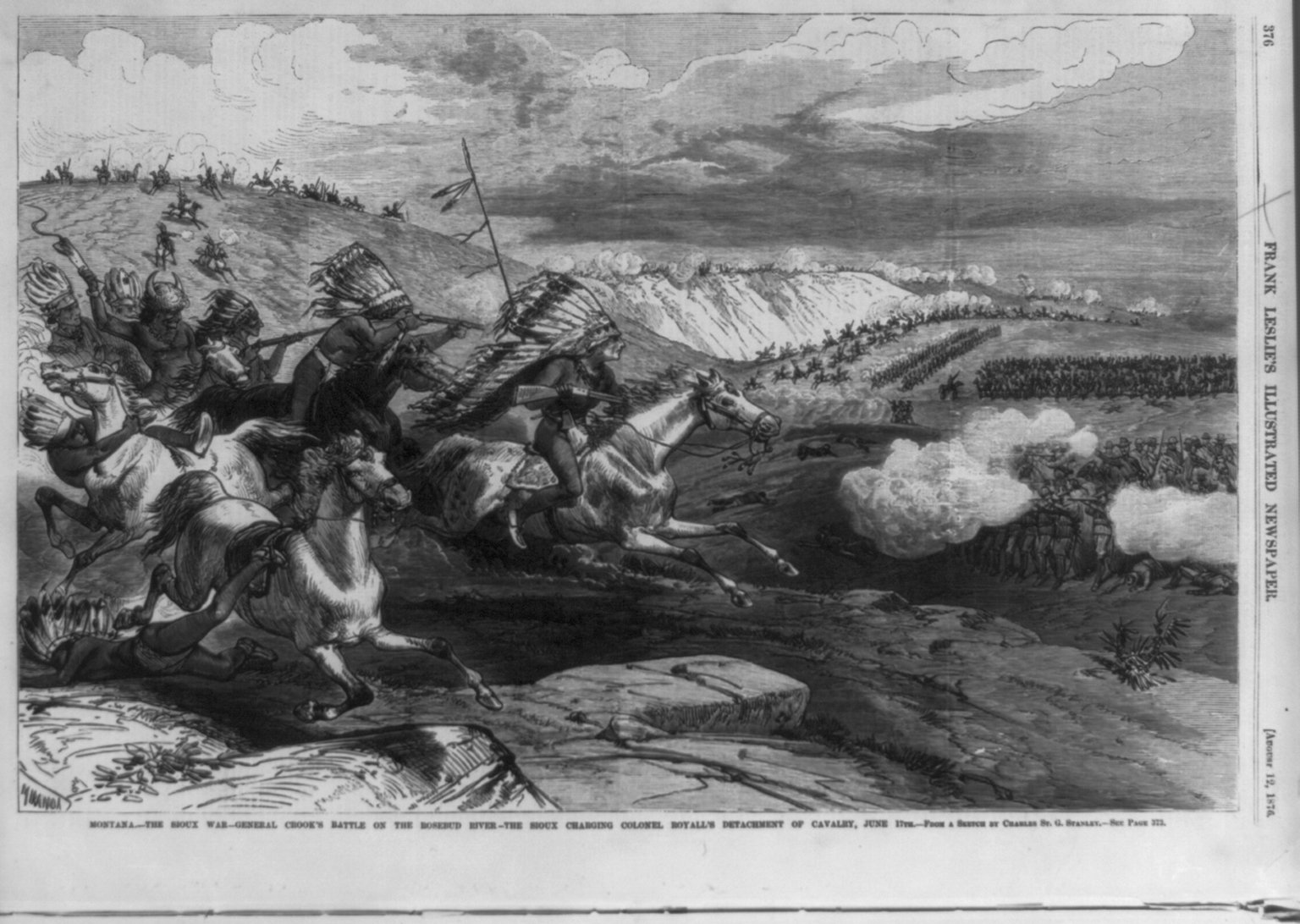
Eleven days later, on June 17, General George Crook’s army attacked the Lakota and Cheyenne camps near the Rosebud. The warriors, led by Crazy Horse among others, fought hard, and Crook turned back. For people who believed the vision, it felt like the first sign of what was coming.
The Day The Soldiers Fell
On June 25, soldiers charged into the southern end of the great camp on the Little Bighorn River. Warriors rushed out to meet them. Major Reno’s men were driven back across the river, and then Custer’s battalion was surrounded on the ridges.
To the Lakota and Cheyenne, it was the vision come true. Soldiers had fallen into their camp, just as Sitting Bull had said.
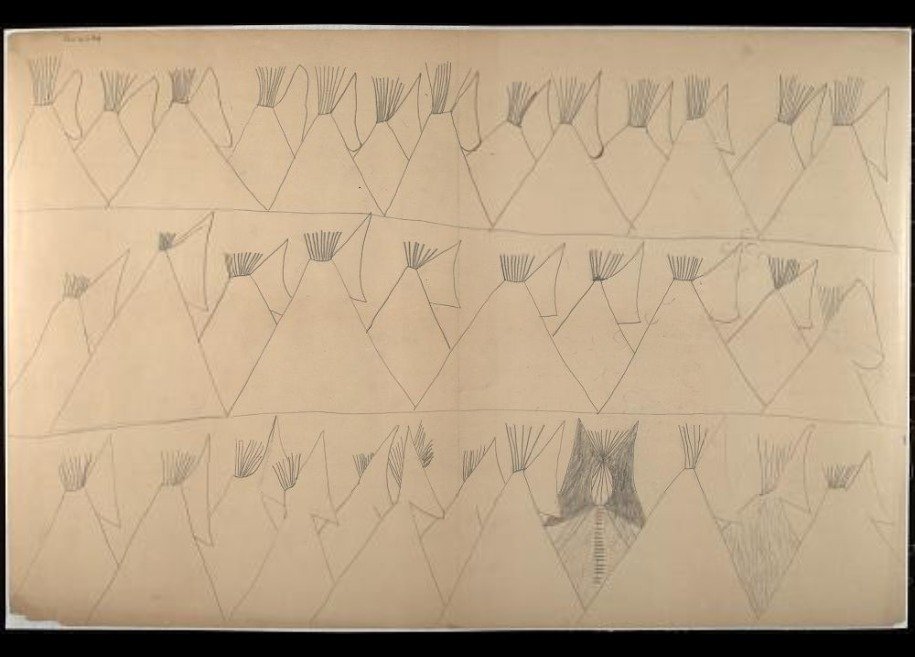
Accounts differ about how much Sitting Bull fought that day. By then, he was in his mid-forties and was known more as a spiritual leader than as a war leader. What mattered to the people was that his vision had been right.
How Do We Know About The Vision?
Like many Native accounts of the time, the vision was passed down by word of mouth, and written accounts came later. The writer Stanley Vestal told it in his 1932 biography of Sitting Bull, and the historian Robert Utley later wrote about it in his own biography in 2008. Historians use these accounts carefully, but the story is a central part of Lakota memory.
At Deer Medicine Rocks itself, one panel of rock carvings shows soldiers with long, grasshopper-like legs falling into a camp. The Lakota and Cheyenne read this as a picture of Sitting Bull’s vision. The ages of the carvings are debated, so this is an interpretation, not a proven fact.
A Sacred Place Today
In 2012, Deer Medicine Rocks was named a National Historic Landmark. It was the first landmark of the Great Sioux War that was not a battlefield, and the first to give a Native view of the campaign. The site is on private land, and visitors need a tribal guide. People still leave coins on the stones at the base as a prayer.
Sitting Bull went on to lead his people to Canada, and he was killed in 1890. But the vision he described in the summer of 1876 lived on as a reminder of why so many Lakota and Cheyenne stood their ground that day.
After reading about Sitting Bull’s vision, find out the 10 mysteries of Crazy Horse. Then read what happened to the Native warriors after the Little Bighorn.
Related Stories
- Who Really Killed Custer? His Two Wounds And The Conflicting Accounts
- 10 Things You Didn’t Know About George Armstrong Custer
- The Sacred Cheyenne Warning Custer Ignored Seven Years Before The Little Bighorn
- What Happened To Crazy Horse’s Body? The Secret His Family Kept
- How Bad Was The Fetterman Fight? The Day 81 U.S. Soldiers Rode Into A Trap