Ten years before Custer’s Last Stand, the U.S. Army suffered another disaster on the Northern Plains, one that many Americans have never heard of.
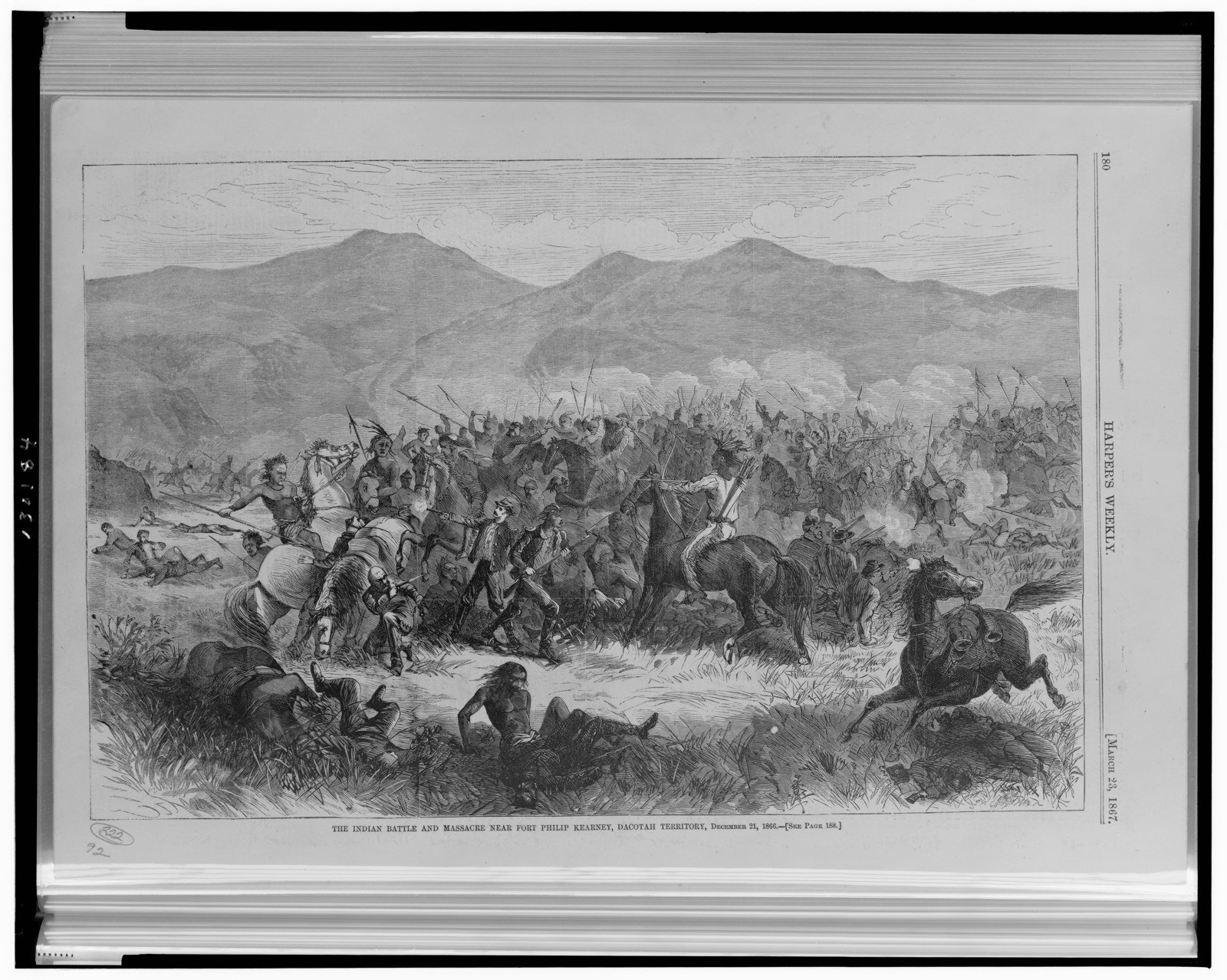
On December 21, 1866, Captain William J. Fetterman led 80 men out of Fort Phil Kearny in present-day Wyoming to chase a small group of Lakota, Cheyenne and Arapaho warriors. The warriors were decoys. Waiting beyond the ridge were about a thousand more.
Within about 40 minutes, Fetterman and every man with him were dead. It was the worst defeat the U.S. Army had ever suffered on the Great Plains, and it would stay that way until the Little Bighorn. The Lakota remember it as the Battle of the Hundred in the Hands.
A Fort In The Middle Of Lakota Hunting Grounds
In the 1860s, gold miners were heading for Montana along the Bozeman Trail, a shortcut that cut straight through the Powder River country. Those were the prized hunting grounds of the Lakota, Northern Cheyenne and Arapaho.
In 1866, the Army sent Colonel Henry B. Carrington to guard the trail. His men built Fort Phil Kearny near what is now Story, Wyoming. About 700 soldiers and 300 civilians lived there.
The Oglala leader Red Cloud and his allies saw the forts as an invasion. They answered with constant raids on the trail, the fort’s horse herds and especially its wood trains, the wagons that went out daily to cut timber in the hills. By December, the fort was almost under siege. This was the beginning of what became known as Red Cloud’s War.
The Captain Who Wanted A Fight
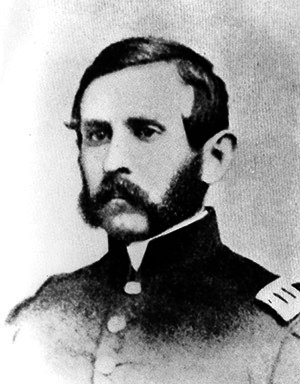
William Judd Fetterman had served with distinction in the Civil War and held the honorary rank of brevet lieutenant colonel. Like a number of officers at the fort, he was frustrated with Carrington’s cautious command.
He is famous for one line. Fetterman allegedly boasted, “Give me 80 men and I can ride through the whole Sioux nation.” Historians debate whether he ever really said it. But by grim coincidence, 80 men is almost exactly what he led to their deaths.
The Decoys
On the morning of December 21, 1866, warriors attacked the wood train again. Carrington sent out a relief party, and Fetterman claimed command of it because of his higher brevet rank.
Carrington later said he gave clear orders: under “no circumstances” was the party to pursue the warriors over Lodge Trail Ridge, out of sight of the fort. Historians still argue over exactly what Fetterman was told. But what happened next is not in dispute.
Ten warriors rode out as decoys: two Cheyenne, two Arapaho, and two each from the Oglala, Miniconjou and Brulé Lakota. Among them was a young Oglala named Crazy Horse. They taunted the soldiers, stayed just out of reach and drew them on.
Fetterman followed them north, over Lodge Trail Ridge. The fort lost sight of his men.
A Thousand Warriors Waiting
On the other side of the ridge, hidden in the grass and gullies, were around a thousand warriors. A Cheyenne named White Elk later said there were more than there would be at the Little Bighorn ten years later.
When the decoys crossed Peno Creek, the trap closed. Warriors rose up from both sides of the trail.
Fetterman’s command was strung out. The cavalry under Lieutenant George Grummond had ridden ahead of the infantry. Grummond and his troopers were cut off and driven back toward the ridge. The infantry, with Fetterman and Captain Frederick Brown, were surrounded among the rocks.
About 40 Minutes
According to the accounts, the infantry was overwhelmed in about 20 minutes, and the cavalry in about 20 more. The Lakota physician and author Charles Eastman, who spoke with men who fought there, wrote that it was over in less than half an hour.
Two civilians, James Wheatley and Isaac Fisher, had gone along to try out their new 16-shot Henry repeating rifles. With a few veteran soldiers, they made a stand among a cluster of rocks and fought until they too were killed.
Captains Fetterman and Brown died together. A story spread that they shot each other rather than be captured, but the Army’s own medical report recorded a different wound for Fetterman, and Lakota accounts credit a warrior named American Horse. The truth may never be known.
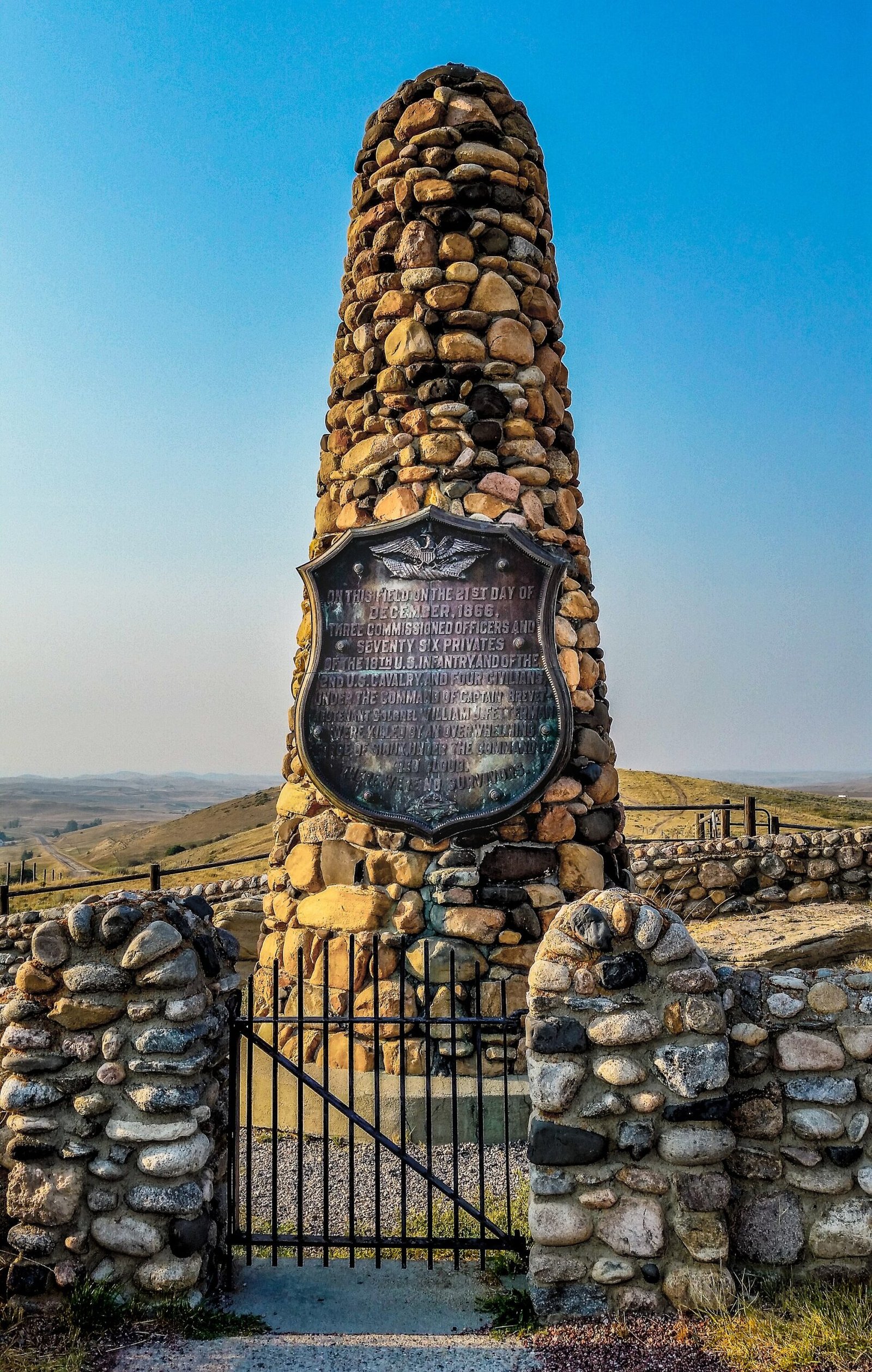
All 81 men were killed: Fetterman, 2 other officers, 76 enlisted soldiers and the 2 civilians.
Why The Lakota Call It The Hundred In The Hands
The warriors’ losses are still debated. Estimates range from about a dozen to many more, and one modern account lists 21 men by name.
Before the battle, according to Lakota tradition, a holy person rode out to seek a vision and came back with his hands full: he saw a hundred soldiers in each hand, too many to hold. The warriors took it as a promise of victory. That is why the Lakota remember it as the Battle of the Hundred in the Hands.
A Ride Through The Blizzard
Back at Fort Phil Kearny, the garrison feared the fort itself would be attacked next. A civilian named John “Portugee” Phillips volunteered to ride for help.
He rode about 236 miles through bitter winter weather to Fort Laramie, arriving late on Christmas night, 1866, in the middle of a holiday ball. His ride became a frontier legend.
The War The Army Couldn’t Win
The Fetterman Fight shocked the country. Carrington was relieved of command and blamed for the disaster, though an investigation later cleared him.
And Red Cloud did not stop. The raids went on through 1867 and into 1868. Finally, the United States gave in. In the Fort Laramie Treaty of 1868, it agreed to abandon its forts along the Bozeman Trail and recognized the Powder River country as Native hunting ground. One historian put it bluntly: the U.S. “negotiated a peace which conceded everything demanded by the enemy.”
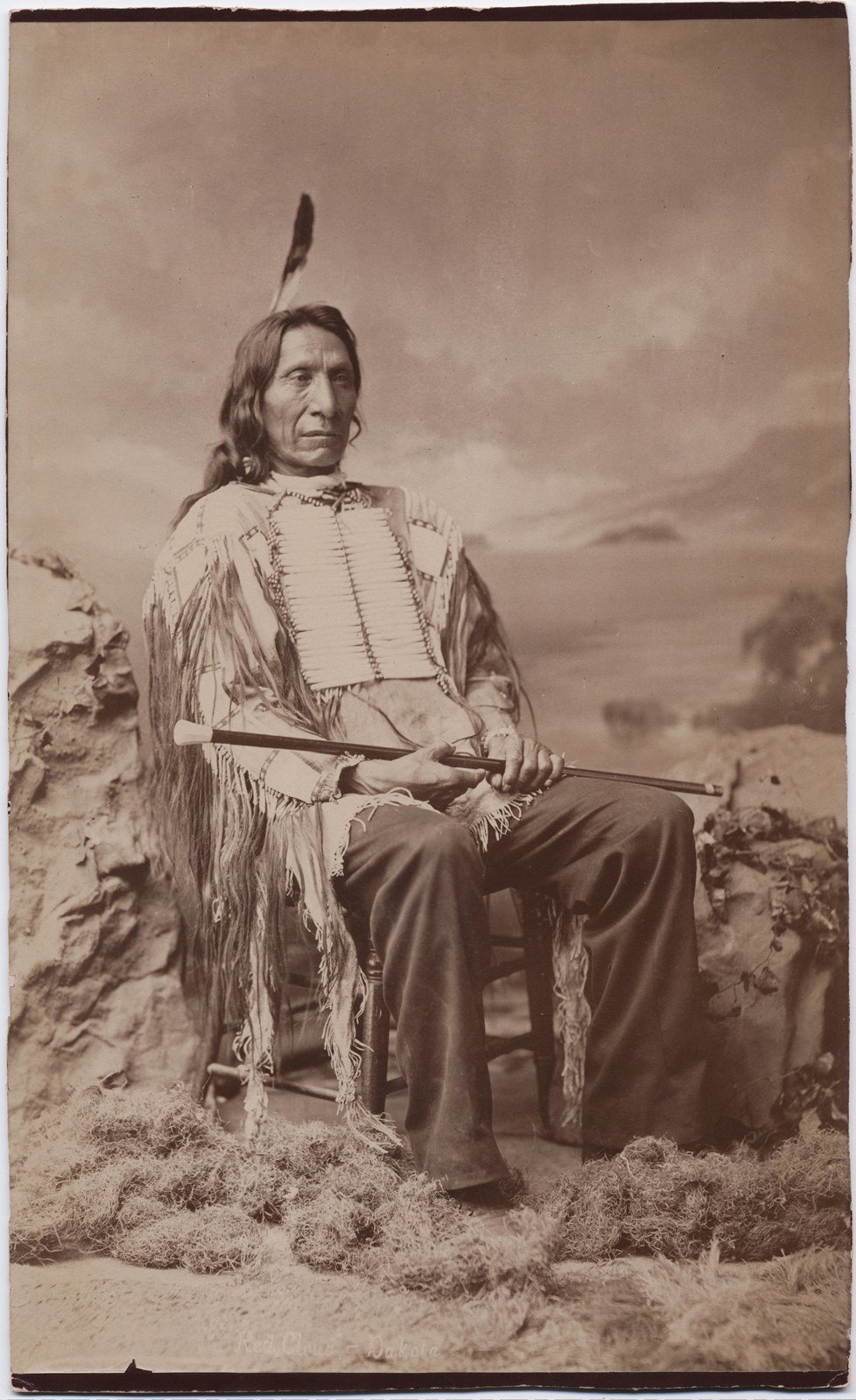
In August 1868, the soldiers marched out of Fort Phil Kearny. Soon after, warriors set it on fire. Red Cloud’s War is often called the only war the United States ever lost to a Native nation.
Today, a stone monument stands on the ridge where Fetterman’s men died. And the young decoy, Crazy Horse, would meet the U.S. Army again ten years later, on the Little Bighorn.
After reading about the Fetterman Fight, find out how Crazy Horse destroyed Custer’s command. Then, read how bad Custer’s Last Stand really got.