For most of the 20th century, millions of people learned everything they “knew” about Native Americans from Western movies. Warriors in feathered headdresses circled wagon trains. Chiefs spoke in broken English. Custer died a hero. And at the end of the film, the “vanishing Indian” rode off into the sunset.
Almost none of it was true. Here are 10 things Hollywood got wrong about Native Americans, and what really happened.
1. Every Native Person Wore A Feathered War Bonnet
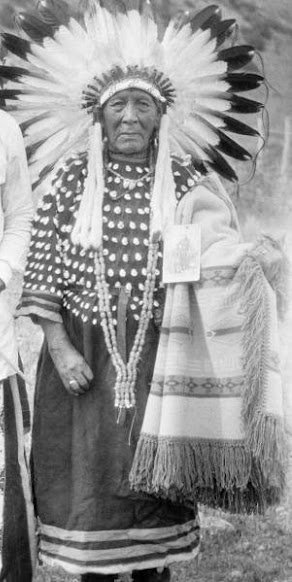
In the movies, nearly every Native character wears a sweeping headdress of eagle feathers. In real life, the feathered war bonnet belonged to some Plains nations, such as the Lakota, Cheyenne and Crow, and it wasn’t everyday clothing.
Among those nations, each eagle feather had to be earned through a brave deed, such as being the first to touch an enemy in battle and escape. Some warriors earned only a few feathers in a lifetime, and a full bonnet was reserved for men who had proven themselves. Most Native nations across North America never wore one at all.
Even some of the most famous Plains warriors didn’t. Crazy Horse, according to his friends, never wore a war bonnet, only a single feather in his hair.
2. Everyone Lived In A Tipi
The tipi was a brilliant invention for people who followed the buffalo across the Plains: it could be taken down, packed and moved in a short time. But it was only one kind of home among many.
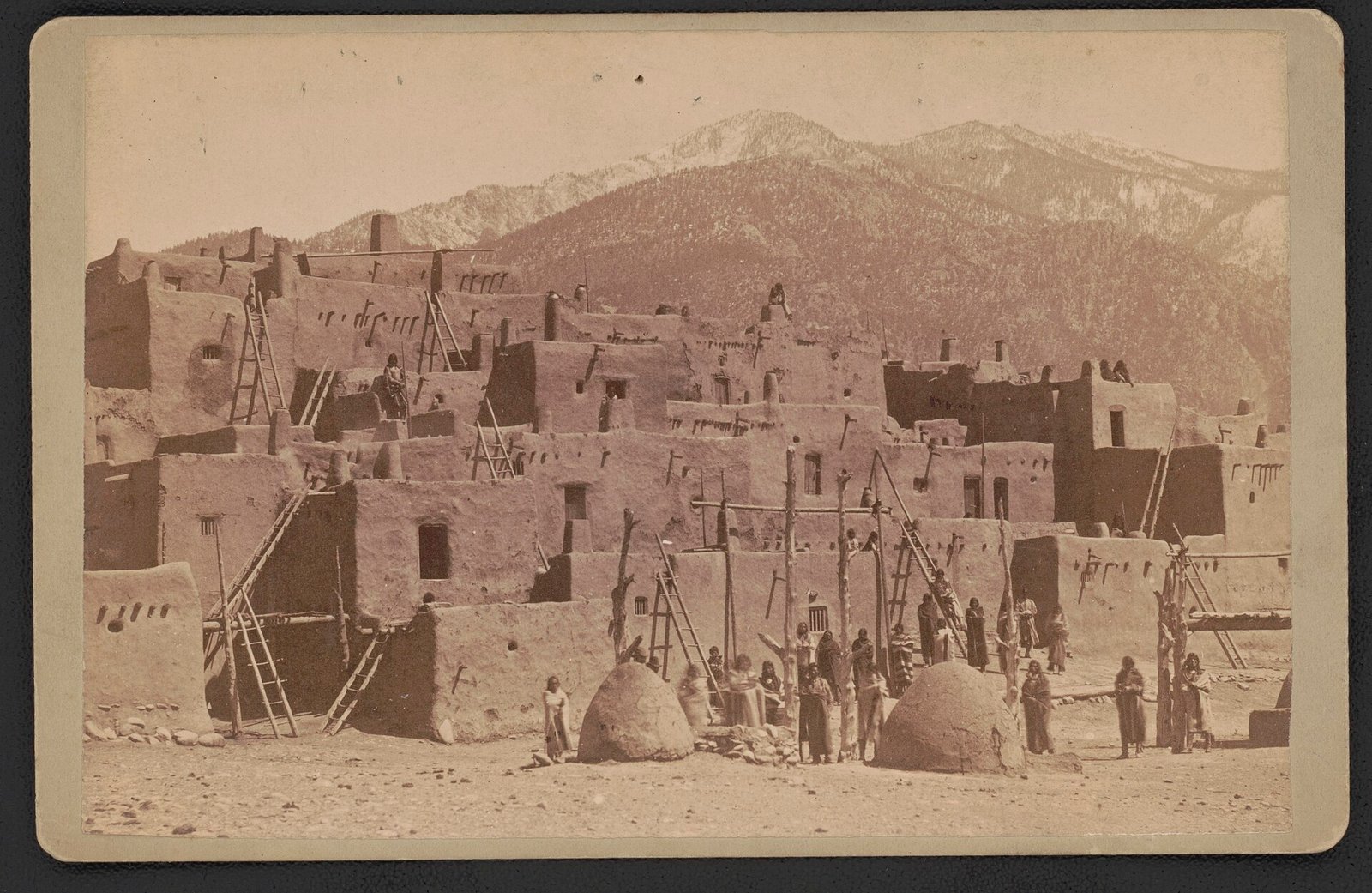
The Haudenosaunee (Iroquois) lived in long bark-covered longhouses that held many families. The Pueblo peoples of the Southwest built multistory adobe towns, some lived in for centuries. Taos Pueblo in New Mexico has been continuously inhabited for roughly a thousand years. Nations of the Pacific Northwest built great cedar plank houses, the Mandan lived in earth lodges along the Missouri River, and the Navajo built hogans.
3. Native Americans Always Rode Horses
Hollywood rarely shows a Native warrior without a horse. But horses as we know them were brought to the Americas by the Spanish.
They spread to the Plains nations from Spanish New Mexico, through trade and raiding, during the 1600s and 1700s. A recent scientific study suggests horses reached some Plains peoples by the early 1600s. Within a few generations, nations like the Comanche, Lakota and Cheyenne had built some of the greatest horse cultures the world has ever seen. But for thousands of years before that, people on the Plains traveled on foot, using dogs to help carry their belongings.
4. Wagon Trains Were Constantly Attacked
One of the most famous scenes in Western movies is the wagon train circling up as warriors ride around it. In reality, it was rare.
Historian John Unruh studied the overland trails for his book The Plains Across. Between 1840 and 1860, hundreds of thousands of emigrants crossed to Oregon and California. By his tentative count, about 362 emigrants were killed by Native people in that time, while more than 400 Native people were killed by emigrants. Far more travelers died from disease, especially cholera, and accidents than from any attack. Many Native people actually traded with emigrants, sold them food and horses and guided them across rivers.
5. Pocahontas Fell In Love With John Smith
Disney made Pocahontas and Captain John Smith into a romantic couple. History tells a very different story.
Pocahontas, whose real name was Matoaka, was only about 10 or 11 years old when the English arrived at Jamestown in 1607. Smith himself called her “a child of ten years old.” Historians find no evidence of any romance between them. Even the famous story of her saving Smith’s life comes only from Smith, who first told it about 17 years later. Some historians think he misunderstood an adoption ceremony.
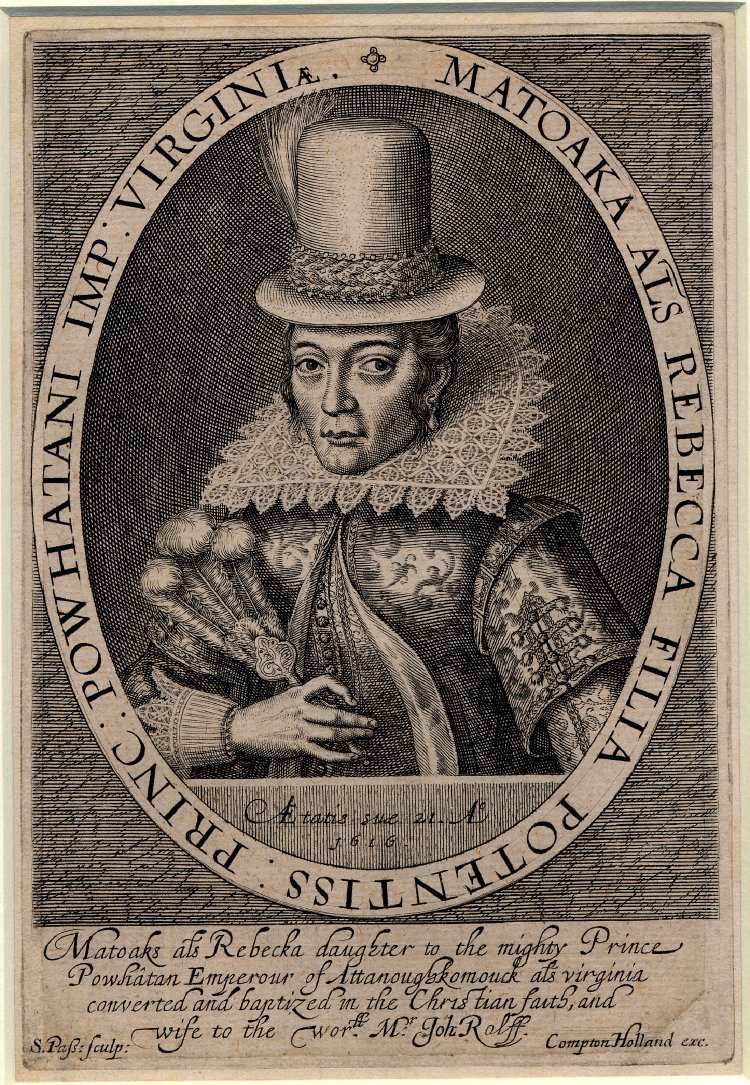
The real Pocahontas brought food to the starving colonists and acted as a go-between. She was later captured by the English, married the colonist John Rolfe, sailed to England and died there in 1617, at about 21 years old. The engraving of her made in London in 1616 is the only portrait made from life.
6. Native Americans Were One People With One Language
Western movies tended to show “Indians” as a single group who dressed, lived and spoke the same way. In fact, when Europeans arrived, North America north of Mexico was home to hundreds of distinct nations and nearly 300 languages, according to linguists, from more than 50 separate language families.
A Lakota and a Cherokee spoke languages as different from each other as English and Chinese. And the broken “Hollywood Indian” English heard in so many old films, full of “how” and “heap big,” was invented by screenwriters.
7. Native Characters Were Played By Native Actors
For decades, many of Hollywood’s biggest Native roles went to white actors in makeup. Jeff Chandler played the Apache leader Cochise in Broken Arrow (1950) and was nominated for an Academy Award. Burt Lancaster played an Apache warrior in Apache (1954). Mexican-born Anthony Quinn played Crazy Horse in 1941, and Victor Mature played him again in 1955.
Most surprising of all was Iron Eyes Cody, famous as the “Crying Indian” in a 1971 anti-pollution TV ad. He spent decades claiming Native heritage. But according to his birth records and family, he was born Espera Oscar de Corti in Louisiana, the son of Italian immigrants. In 2023, the rights to that famous ad were handed over to the National Congress of American Indians.
8. Custer Was The Hero
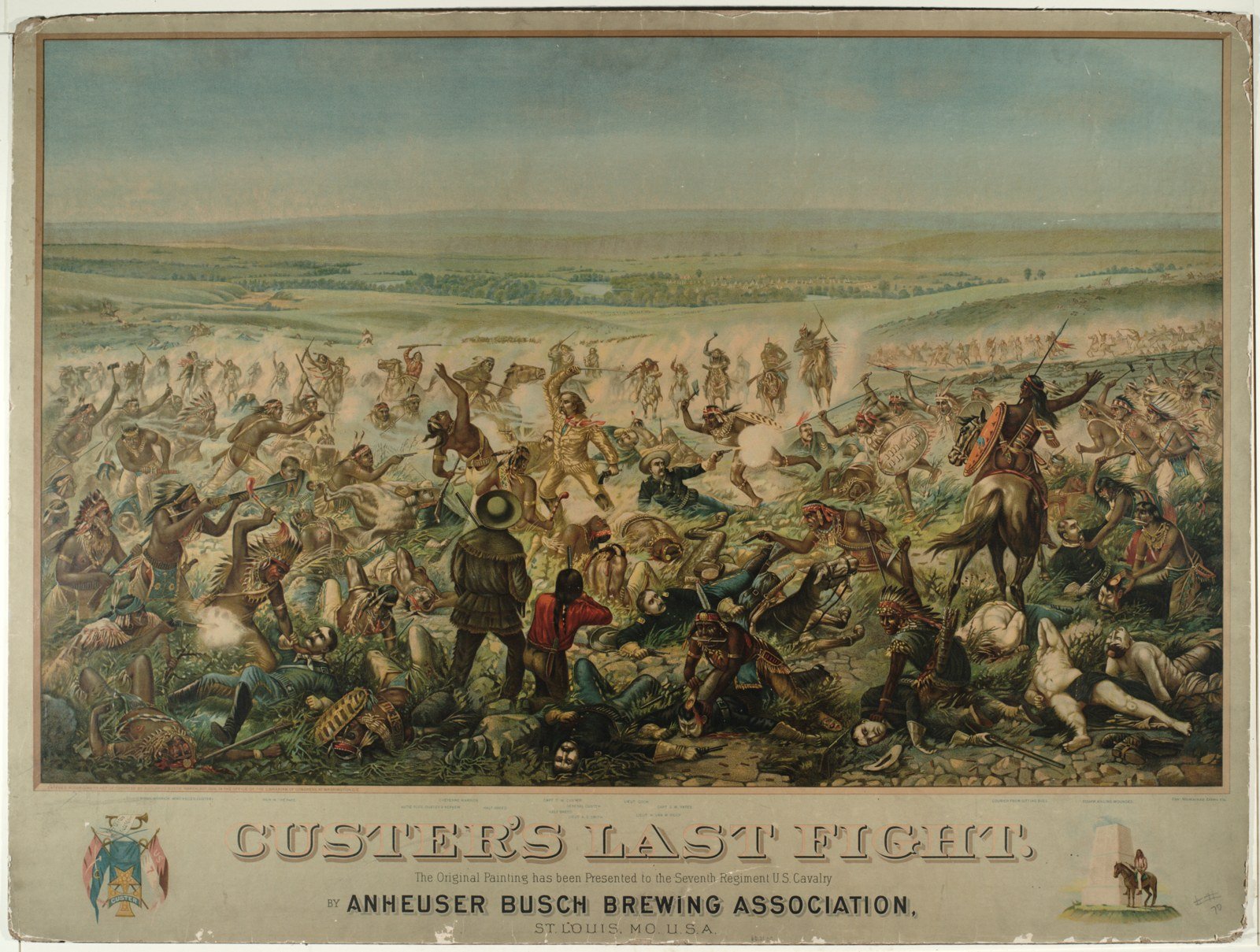
In the 1941 film They Died with Their Boots On, Errol Flynn plays Custer as a noble, honorable soldier who dies bravely at the Little Bighorn, even blaming the war on crooked politicians and businessmen. For generations, that was how many Americans saw the battle.
The Lakota, Cheyenne and Arapaho remember it very differently. Custer had attacked Black Kettle’s peaceful Cheyenne village on the Washita River in 1868 and led the 1874 expedition that announced gold in the sacred Black Hills, land guaranteed to the Lakota by treaty. On June 25, 1876, the people in the camp on the Little Bighorn were defending their families.
9. Native Women Stayed In The Background
In most Westerns, Native women are silent figures in the background, or “Indian princesses” who fall for white heroes. Real Native women were often anything but quiet.
At the Battle of the Rosebud in 1876, the Cheyenne woman Buffalo Calf Road Woman rode into the fighting to rescue her wounded brother. At the Little Bighorn, women such as Moving Robe Woman, Pretty Nose and Minnie Hollow Wood fought or helped defend the camp. In many nations, women owned the family home, held political power and helped choose leaders. Among the Haudenosaunee, clan mothers chose the chiefs and could remove them.
10. Native Americans Vanished
Many old Westerns ended with the idea of the “vanishing Indian,” as though Native peoples belonged only to the past. They never vanished.
Today the United States recognizes 574 tribal nations, each with its own government. In the 2020 census, about 9.7 million people identified as American Indian or Alaska Native, alone or in combination with another race. Native languages, ceremonies, art and nations are still very much alive, and many Native filmmakers and actors are now telling their own stories on screen.
After reading about the myths Hollywood created, discover 4 Native American women who fought Custer at the Little Bighorn. Then, read how Crazy Horse destroyed Custer’s command.