The story of the American West is usually told as one long march of victories for the U.S. Army. But again and again, from the 1790s to the 1870s, Native nations met American soldiers on the battlefield and won, sometimes so decisively that the government was forced to rethink its entire strategy.
These are seven battles where Native warriors defeated the U.S. Army, told in the order they happened.
1. Harmar’s Defeat (1790): The Northwestern Confederacy Strikes First
In October 1790, General Josiah Harmar led more than 1,400 men, mostly Kentucky and Pennsylvania militia, toward Kekionga, a major Miami town near present-day Fort Wayne, Indiana. He meant to crush the alliance of nations resisting American settlement north of the Ohio River.
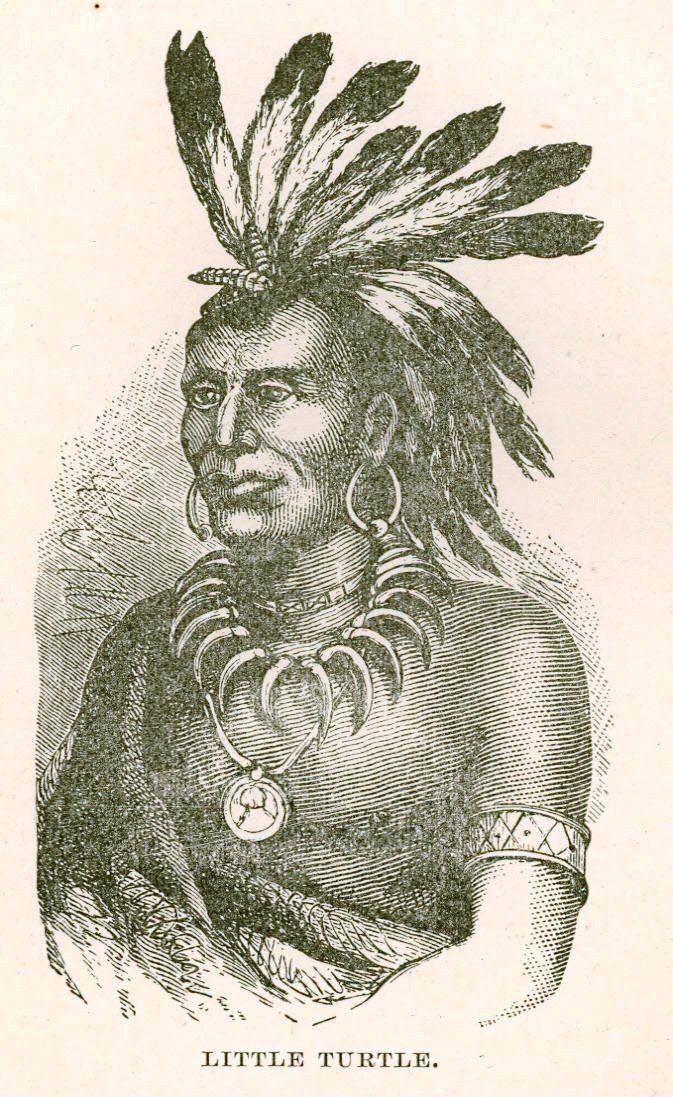
Instead, warriors of the Northwestern Confederacy, led by the Miami war chief Little Turtle and the Shawnee leader Blue Jacket, ambushed and routed his detachments in a series of fights. On October 22 alone, 129 of Harmar’s men were killed. At the time, it was the worst defeat U.S. forces had ever suffered against Native warriors. It would not hold that title for long.
2. St. Clair’s Defeat (1791): The Worst Defeat In U.S. Army History
A year later, President George Washington sent Major General Arthur St. Clair, the governor of the Northwest Territory, to finish the job. On the morning of November 4, 1791, near present-day Fort Recovery, Ohio, St. Clair’s army was camped beside the Wabash River when more than 1,000 warriors, led by Little Turtle, Blue Jacket and the Delaware leader Buckongahelas, struck at dawn.
St. Clair’s army was destroyed. More than 800 soldiers and militia were killed, and nearly all the rest were wounded. Of 52 officers, 39 were killed. The Native confederacy lost an estimated 21 warriors killed.
Historians describe it as the most decisive defeat in the history of the American military, and the greatest victory ever won by Native American forces against the United States. Washington forced St. Clair to resign, and Congress launched its very first investigation of the executive branch.
3. Dade’s Battle (1835): The Seminole Stand In Florida
On December 28, 1835, Major Francis Dade was marching 110 soldiers through the Florida wilderness, near present-day Bushnell, to reinforce Fort King. The government was trying to force the Seminole people out of Florida and west to Indian Territory.
About 180 Seminole and Black Seminole warriors were waiting. Led by Micanopy, Jumper, Alligator and others, they opened fire from the cover of pine trees and palmettos. Alligator later recalled that Micanopy fired the first shot as the signal. By the end of the day, 108 of Dade’s soldiers had been killed, including Dade himself. Only three soldiers survived. The Seminole lost three warriors.
The battle started the Second Seminole War, which lasted seven years and became one of the longest and costliest wars the U.S. fought against a Native nation.
4. The Fetterman Fight (1866): The Decoy That Worked
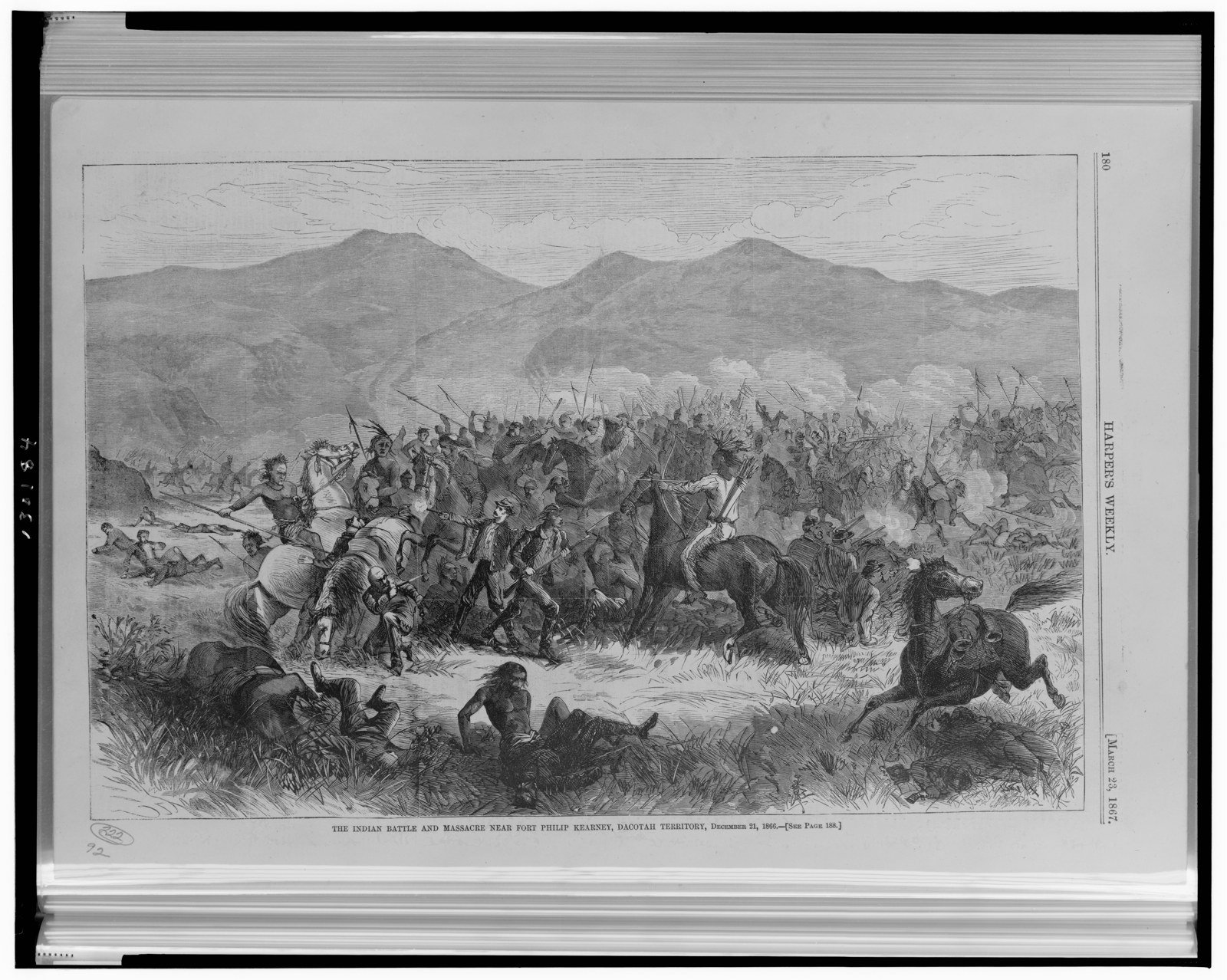
In 1866, the U.S. Army built forts along the Bozeman Trail through prime Lakota hunting grounds in present-day Wyoming. The Lakota leader Red Cloud led a war to drive them out.
On December 21, 1866, a small decoy party of warriors, including a young Crazy Horse, lured Captain William J. Fetterman and his men away from Fort Phil Kearny and over a ridge. Waiting on the other side were about 1,000 Lakota, Cheyenne and Arapaho warriors. All 81 soldiers and civilians with Fetterman were killed. It was the worst disaster the U.S. Army had suffered on the Great Plains up to that time.
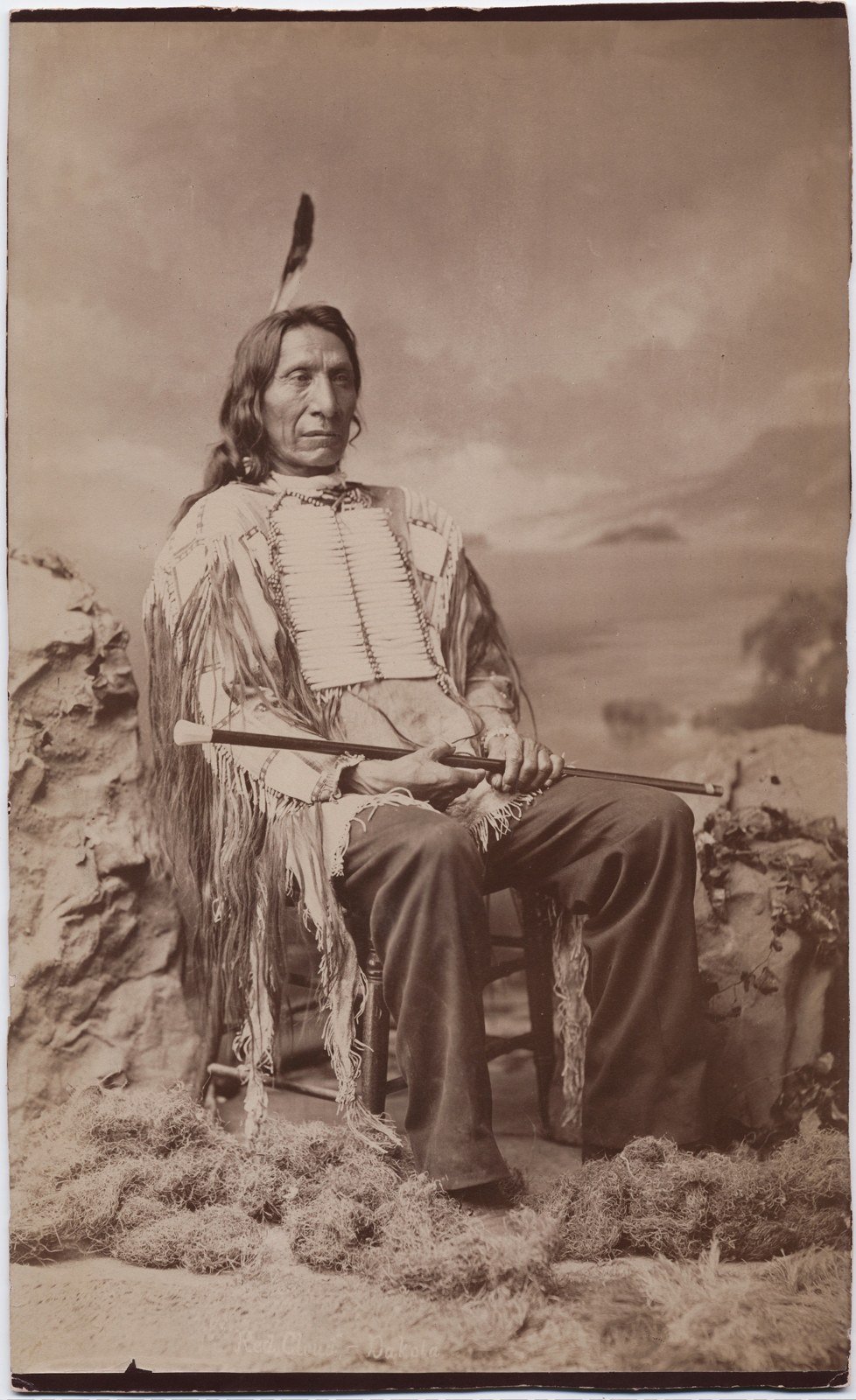
Red Cloud’s War ended in 1868 with the Treaty of Fort Laramie. The Army abandoned its forts along the Bozeman Trail, and the Lakota burned them. It was, as one account puts it, the first time the U.S. government had negotiated a peace that conceded everything the enemy demanded.
5. The Battle Of The Rosebud (1876): The Army Turned Back
On June 17, 1876, General George Crook led about 950 soldiers, along with Crow and Shoshone scouts, north into Montana Territory. Along Rosebud Creek, they were met by Lakota and Northern Cheyenne warriors, with Crazy Horse among their leaders.
The fighting raged for about six hours. Crook held the field and claimed victory, but his actions told a different story: low on supplies and burdened with wounded, he retreated to his base camp on Goose Creek and stayed there for seven weeks. His army played no part in the battle that came eight days later. The Cheyenne remember this fight as “The Battle Where the Girl Saved Her Brother.”
6. The Battle Of The Little Bighorn (1876): The Most Famous Victory
On June 25, 1876, Lieutenant Colonel George Armstrong Custer attacked a great camp of Lakota, Northern Cheyenne and Arapaho families along the Little Bighorn River, which the Lakota call the Greasy Grass. Led by warriors including Crazy Horse and Gall, with Sitting Bull among the camp’s leaders, the defenders destroyed Custer’s command.
Custer and every soldier in the five companies with him were killed, and in total, 268 men on the U.S. side died. It remains the most famous defeat in American military history, and for the Lakota and Cheyenne, a lasting symbol of resistance.
7. The Battle Of White Bird Canyon (1877): The Nez Perce Victory
A year later and hundreds of miles to the west, the Nez Perce were being forced onto a small reservation in Idaho. On June 17, 1877, Captain David Perry led more than 100 cavalrymen and civilian volunteers into White Bird Canyon to attack their camp.
About 70 Nez Perce warriors, led by Ollokot and others from the bands of Chief Joseph and White Bird, were outnumbered and armed with inferior weapons. They still routed Perry’s force. Thirty-four soldiers were killed, while the Nez Perce had only three men wounded and none reported killed. The warriors also captured dozens of rifles that helped them in the months to come.
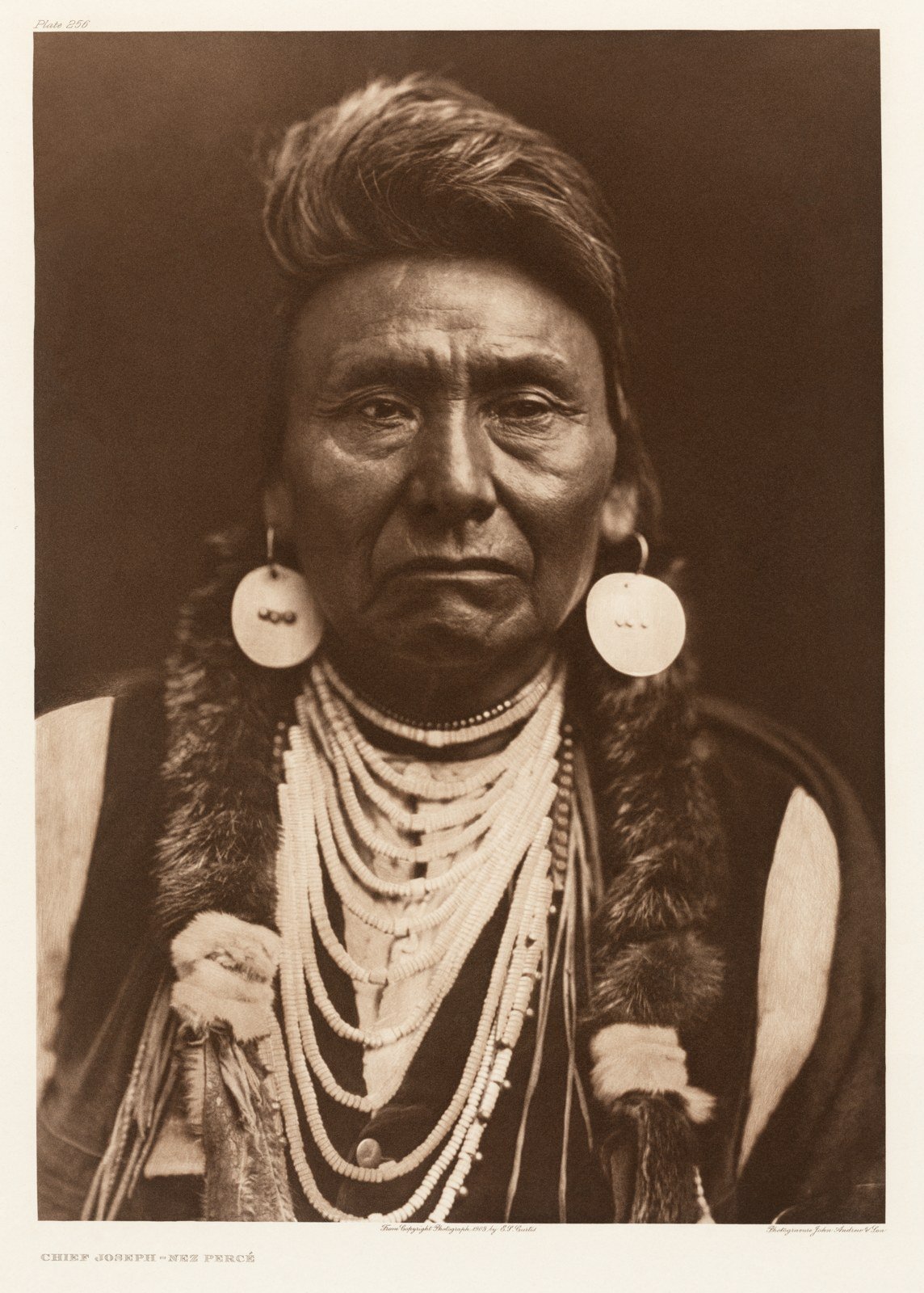
White Bird Canyon opened the Nez Perce War, a remarkable fighting retreat of some 1,170 miles that ended months later, just short of the Canadian border, with Chief Joseph’s famous words: “I will fight no more forever.”
Victories That Couldn’t Stop The Tide
None of these victories stopped the United States from taking Native land in the end. Armies could be rebuilt; settlers, railroads and the destruction of the buffalo kept coming. But these battles show something the old stories left out: Native nations were skilled, organized and courageous fighters who, again and again, beat the U.S. Army on its own terms.
Which of these battles had you never heard of? Tell us in the comments.
Read more: 10 Mysteries Of Crazy Horse That Historians Still Can’t Answer and What If Custer Had Won At Little Bighorn?