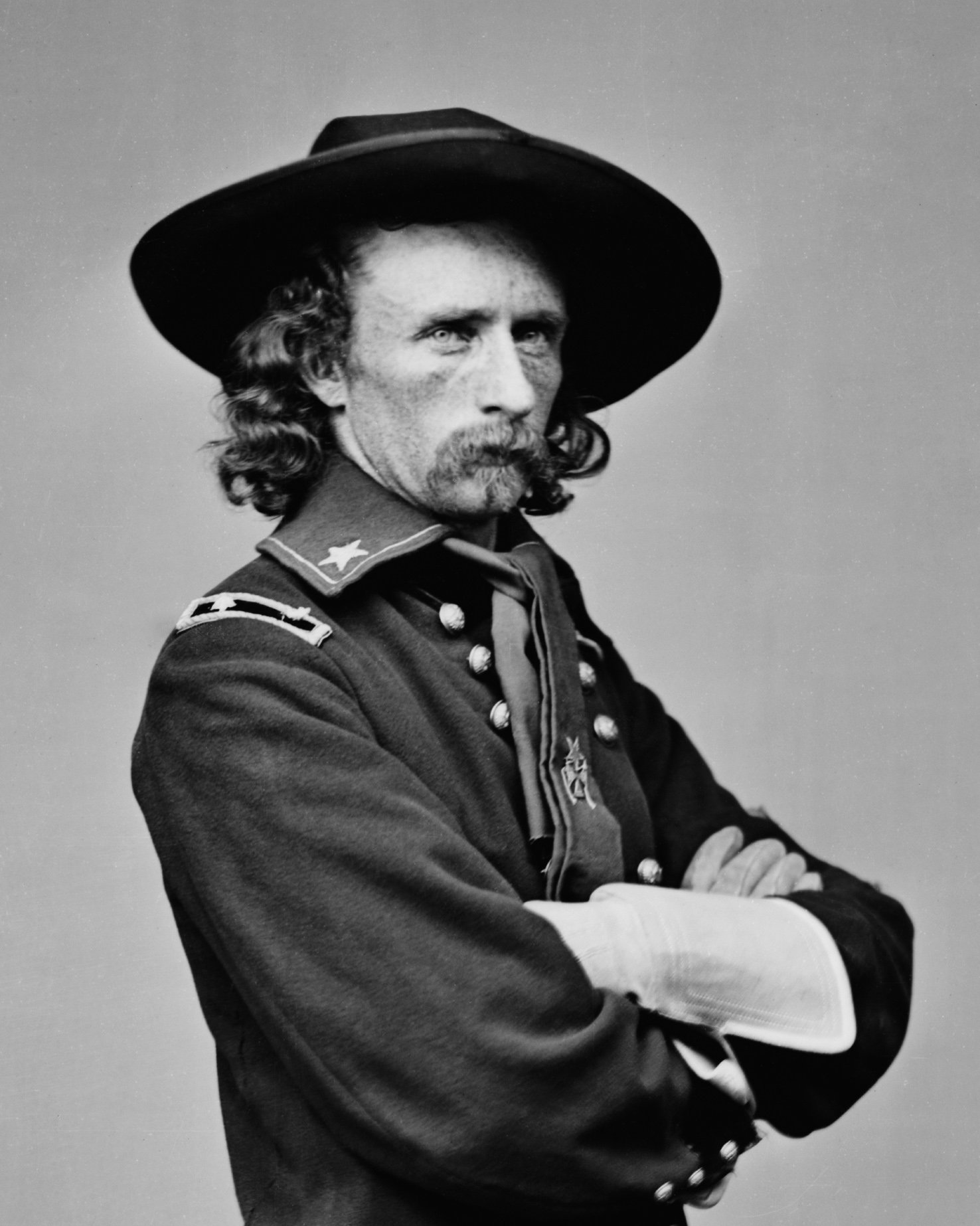
Here is the uncomfortable answer: if Custer had won, the Lakota and Cheyenne would almost certainly still have lost their land. What would have changed is the story America tells about itself.
On June 25, 1876, Lt. Col. George Armstrong Custer led the 7th Cavalry into the valley of the Little Bighorn River in Montana. Within hours, he and every man in his five companies, about 210 soldiers, were dead. It became the most famous defeat in American military history.
But flip the result for a moment. Imagine Custer rides out of that valley a winner. Does the Great Sioux War end differently? Does the West look different today? The answer reveals something deeper than one battle.
What Actually Happened
The war was about gold and land, not one battle. The 1868 Treaty of Fort Laramie guaranteed the Black Hills to the Lakota. Then Custer himself led an 1874 expedition that announced gold there, and miners poured in.
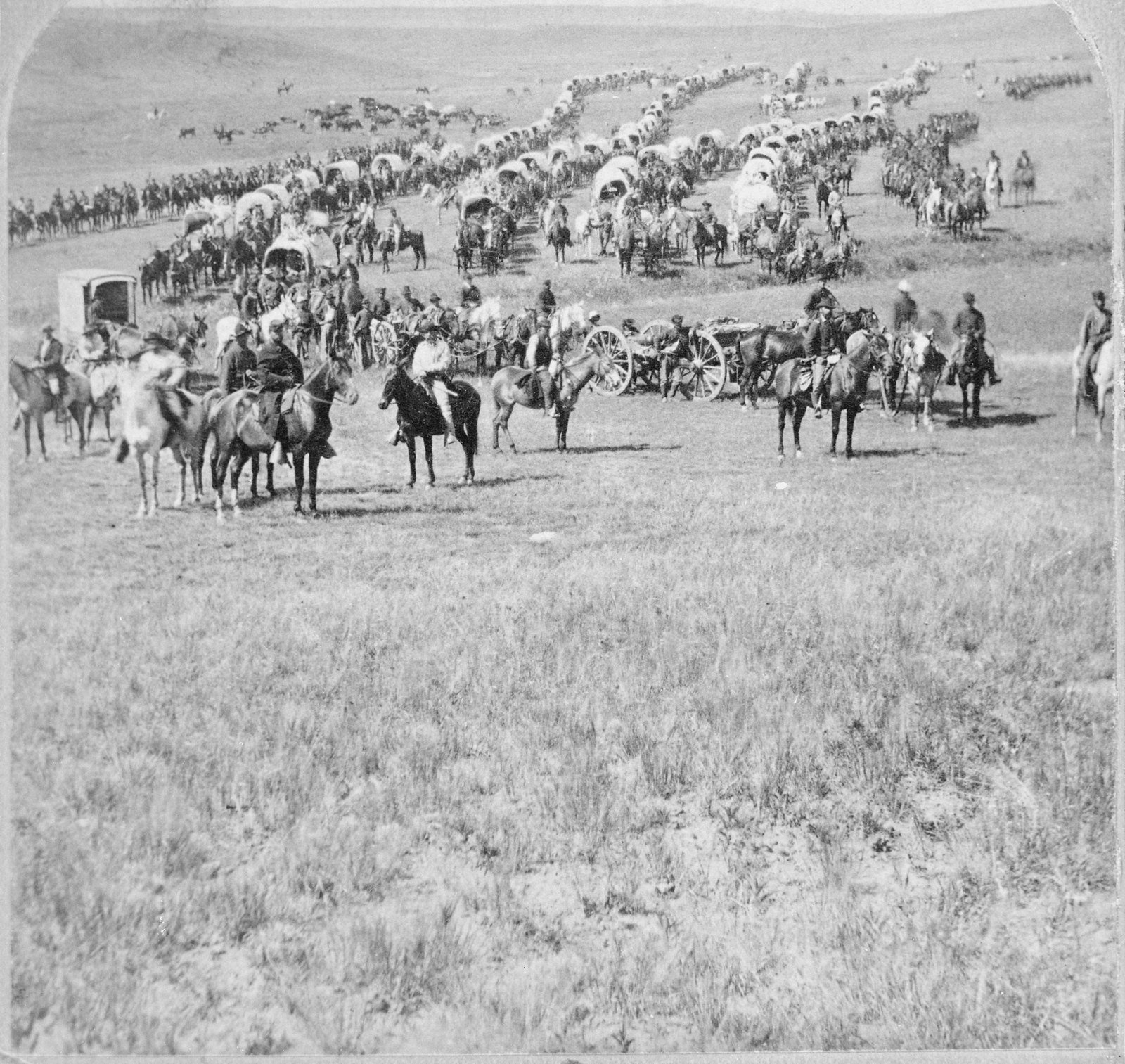
When the Lakota refused to sell, Washington ordered all bands onto reservations by January 31, 1876. Those who stayed out were declared hostile. The Army sent three columns to crush them.
- June 17, 1876: General Crook’s column is fought to a standstill at the Rosebud by Crazy Horse’s warriors and pulls back.
- June 25, 1876: Custer finds a huge village on the Little Bighorn, perhaps 6,000 to 8,000 people with 1,500 or more fighters, led by Sitting Bull, Crazy Horse and Gall.
- The attack: He splits his regiment into three. Major Reno attacks the south end and is driven back. Custer’s battalion is surrounded and destroyed. Reno and Benteen survive on a hilltop until relief arrives.
Custer had been warned the camp was big. He attacked anyway, without waiting for the other columns, fearing the village would scatter.
Could Custer Have Won, And What Would Winning Mean?
A win was possible, but only with different choices. If Custer had kept his roughly 600 men together, brought the Gatling guns he left behind, or waited a day for Terry and Gibbon, the fight might have gone the other way.
But “winning” would not have meant beating 1,500 warriors in open battle. Custer’s real plan was the one he used at the Washita in 1868: storm the village, seize the women and children, and use them as hostages to force the warriors to surrender.
So a Custer victory most likely means a massacre or a mass capture of families. That is the part most “what if” stories leave out, and it matters. The battle Americans mourned as a tragedy would have been, for the Lakota and Cheyenne, a far greater one.
Would It Have Changed The Great Sioux War?
It would have changed the timeline, not the ending. In real life the Lakota won the battle and still lost the war within a year:
| Date | What happened after the real battle |
|---|---|
| Aug 1876 | Congress passes the “sell or starve” rider: no rations until the Black Hills are given up |
| Nov 1876 | Army destroys Dull Knife’s Cheyenne village |
| Jan 1877 | Colonel Miles fights Crazy Horse at Wolf Mountain |
| Feb 1877 | Congress formally takes the Black Hills |
| May 1877 | Crazy Horse surrenders at Camp Robinson |
| Sep 1877 | Crazy Horse is killed in custody |
| Jul 1881 | Sitting Bull, exiled in Canada, surrenders |
The big village could not have stayed together anyway. Thousands of people and horses needed grass and game, and the bands split up days after the battle. The forces that decided the war were bigger than Custer:
- The buffalo were vanishing, slaughtered by hide hunters and railroads.
- Settlers and miners kept coming, gold or no treaty.
- The Army could replace losses; the Lakota could not.
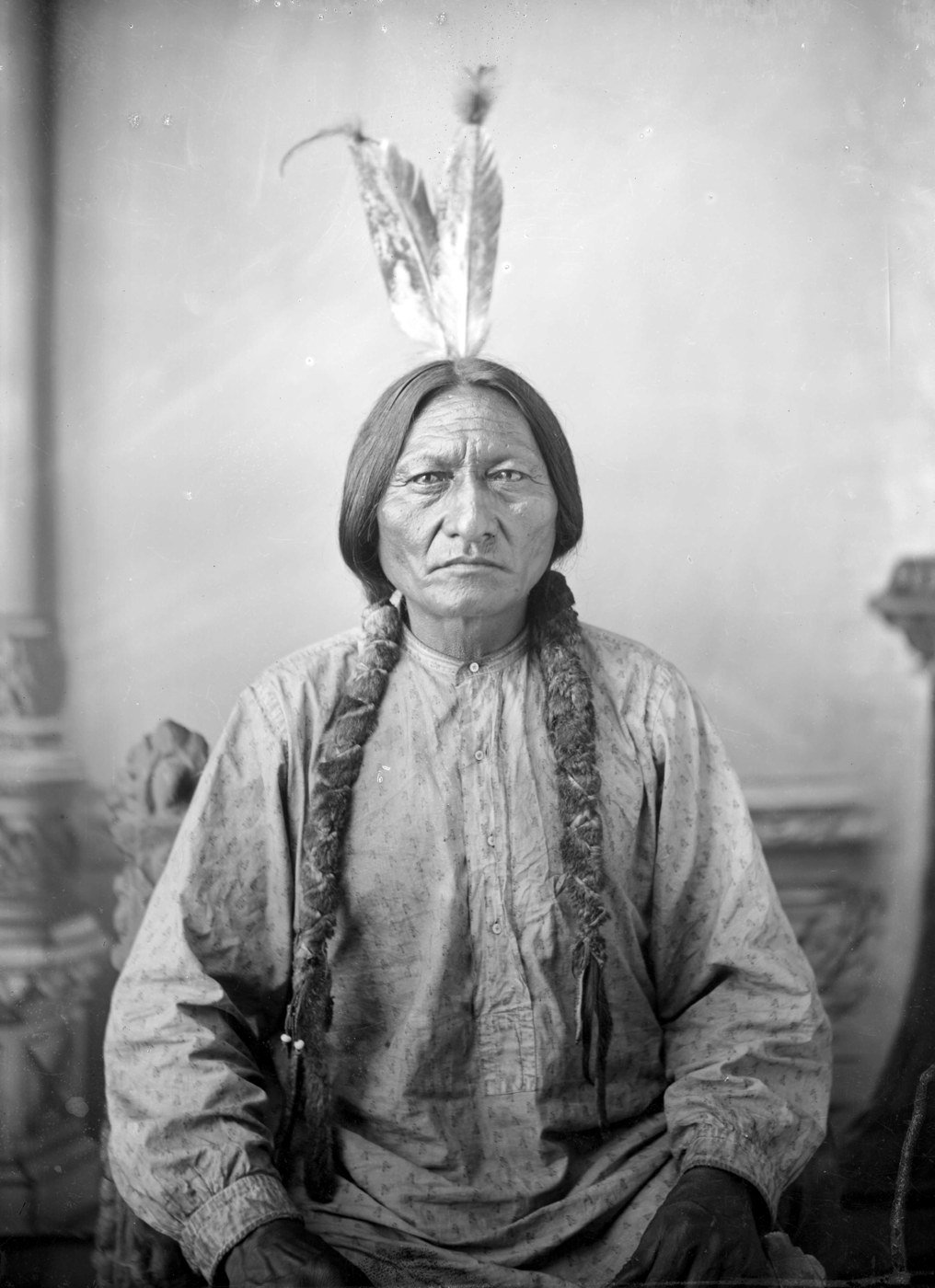
A Custer victory would probably have ended major resistance by late 1876 instead of 1877. Sitting Bull or Crazy Horse might have been killed or captured on the spot. But the Black Hills would still have been taken and the reservations still imposed.
What Would Really Have Changed
The biggest changes would have been to memory, myth and one man’s career.
Custer the politician. In 1876 Custer was in trouble. He had testified against President Grant’s circle in a corruption scandal, and Grant had nearly kept him off the campaign. A dramatic victory, arriving as the nation celebrated its 100th birthday, would have made him a national hero. Rumors that he dreamed of the presidency are probably exaggerated, but a run for office or a senior command would have been realistic.
The myth of the Last Stand never exists. “Custer’s Last Stand” became paintings, dime novels, Wild West shows and Hollywood films. It turned a reckless attack into a heroic sacrifice and justified harsher policy toward Native nations. Without it, the American frontier legend loses one of its central images.
Native memory loses its great victory. For the Lakota and Cheyenne, the Battle of the Greasy Grass is a symbol of resistance and survival. In 1991 the site was renamed Little Bighorn Battlefield National Monument, and an Indian Memorial was added in 2003. In our alternate timeline, the valley would instead mark a massacre, more like Sand Creek or Wounded Knee.
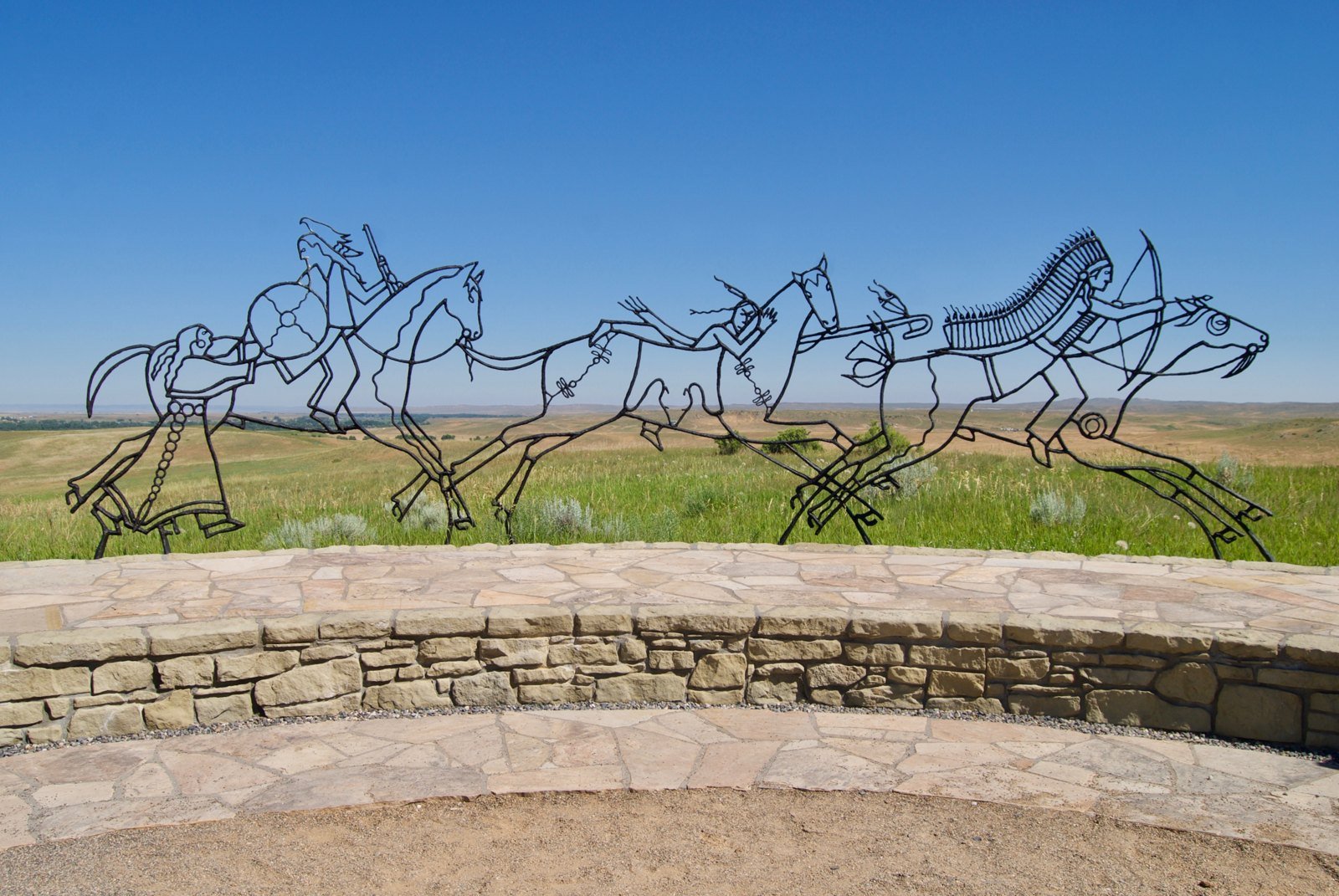
The Black Hills fight continues either way. In 1980 the U.S. Supreme Court ruled the Black Hills were taken illegally and awarded compensation. The Sioux Nation has refused the money, now grown to over a billion dollars, because they want the land back. That struggle would exist in any version of 1876.
The Verdict
Little Bighorn did not decide who won the West. Gold, railroads, the buffalo’s collapse and a government determined to take the land decided that. Custer’s defeat changed something else: who got to be the hero of the story.
The Lakota and Cheyenne won the battle and lost the war. A Custer victory would have meant they lost both, and lost the one moment history remembers them winning.
Your turn: Was Little Bighorn a turning point, or just a famous detour on a road that was already decided? Tell us in the comments.
Read more: You Had No Idea How Bad Custer’s Last Stand Really Got and 4 Native American Women Who Fought Custer At The Little Bighorn.