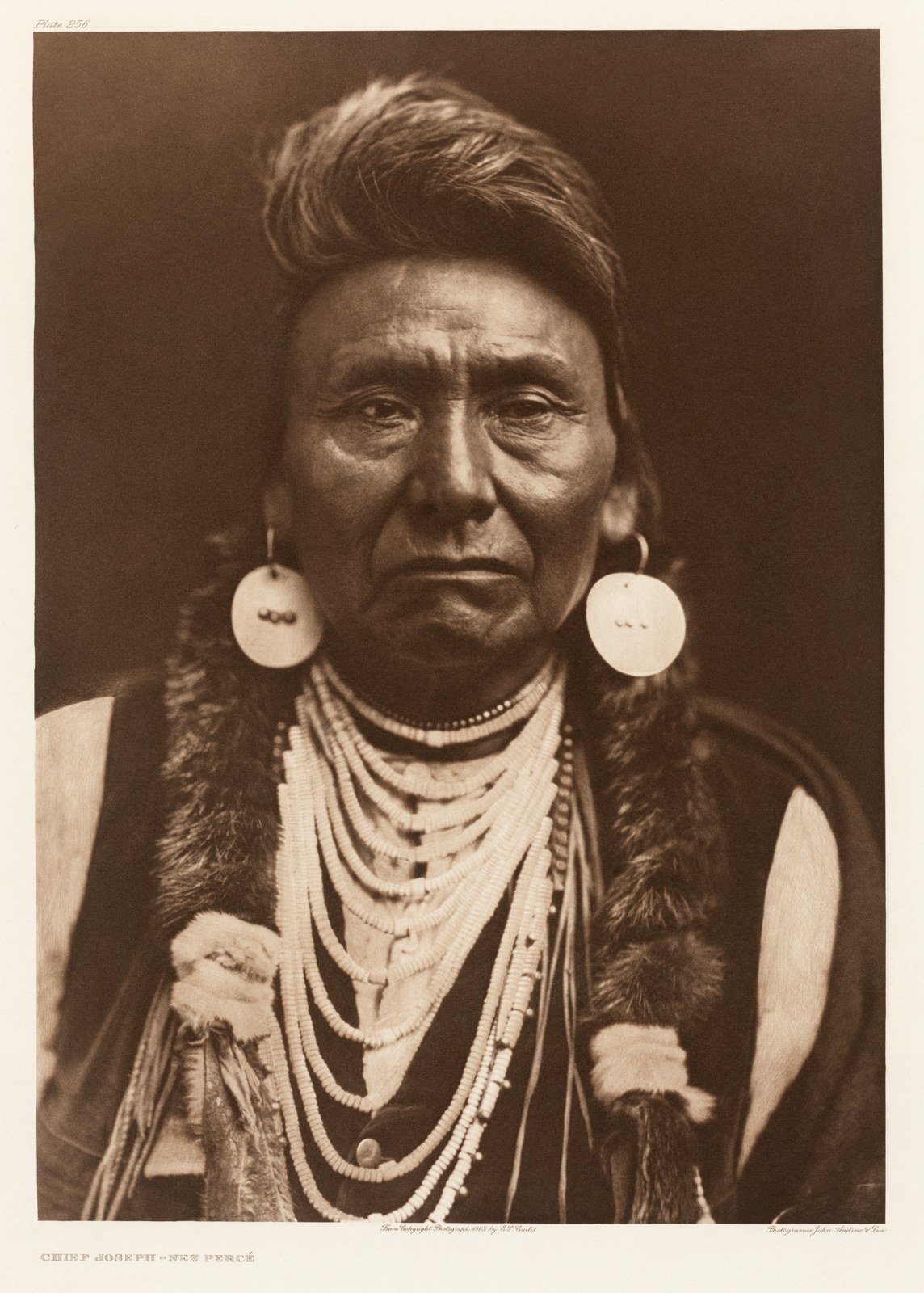
Some of the most powerful words in American history were spoken by Native leaders at moments of war, surrender, grief and defiance. Many were spoken in Native languages, translated on the spot by interpreters, and written down by officers, reporters or officials. Some were polished along the way. A few famous ones were never said at all.
Here are 10 powerful quotes from Native American leaders, the moments behind them, and what historians know about how they were recorded.
1. Logan: “Who Is There To Mourn For Logan? Not One.” (1774)
Logan was a Mingo leader in the Ohio Valley who had long been known as a friend to white settlers. In the spring of 1774, a group of frontiersmen killed members of his family at Yellow Creek, in what is now Ohio. Logan went to war in revenge, and the violence helped spark what became known as Lord Dunmore’s War.
When peace talks began that fall, Logan refused to attend. Instead, he sent a message to Virginia’s governor, Lord Dunmore, explaining his grief and anger. It ended: “Who is there to mourn for Logan? Not one.”
The speech, known as “Logan’s Lament,” was printed in the Virginia Gazette in 1775 and made famous by Thomas Jefferson, who included it in his book Notes on the State of Virginia. Its exact wording was questioned even in Jefferson’s lifetime, and he spent years defending it.
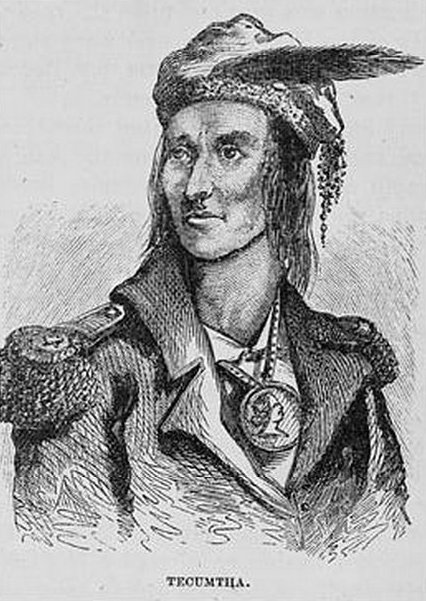
2. Tecumseh: “Sell A Country! Why Not Sell The Air?” (1810)
By 1810, the Shawnee leader Tecumseh was building an alliance of nations to stop American settlers from taking more land in the Ohio Valley and the Great Lakes region. The year before, Indiana’s governor, William Henry Harrison, had bought about 3 million acres from a few chiefs in the Treaty of Fort Wayne. Tecumseh insisted that no single chief or nation had the right to sell land that belonged to all.
In August 1810, he met Harrison face to face at Vincennes, in the Indiana Territory. According to the published versions of his speech, he asked: “Sell a country! Why not sell the air, the clouds and the great sea, as well as the earth?” The meeting nearly ended in violence. Three years later, Tecumseh was killed fighting alongside the British in the War of 1812.
3. Ten Bears: “I Was Born Upon The Prairie, Where The Wind Blew Free” (1867)
In October 1867, thousands of Comanche, Kiowa, Cheyenne, Arapaho and Plains Apache people gathered at Medicine Lodge Creek in Kansas to meet a U.S. peace commission. The government wanted them to move onto reservations in what is now Oklahoma.
Ten Bears, an elderly leader of the Yamparika Comanche, told the commissioners he did not want to live in houses or within walls. “I was born upon the prairie, where the wind blew free and there was nothing to break the light of the sun,” he said, according to the record of the council. “I want to die there and not within walls.”
The Comanche signed the Medicine Lodge Treaty anyway. Ten Bears died at Fort Sill, on the reservation, in 1872.
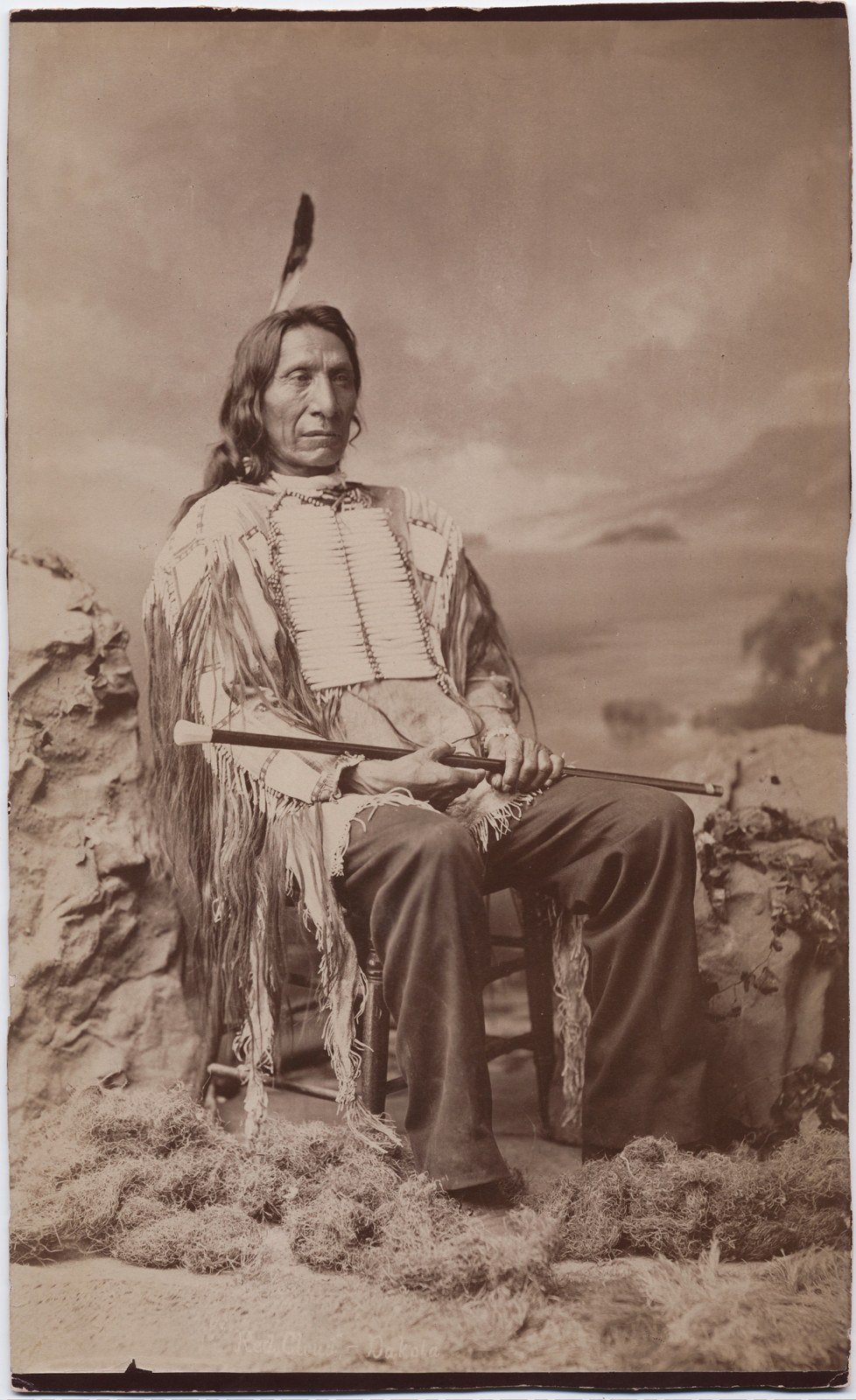
4. Red Cloud: “The Good Spirit Made Us Both” (1870)
Red Cloud had just done something almost no other Native leader managed: he had won a war against the United States. In 1868, after two years of Red Cloud’s War, the U.S. abandoned its forts on the Bozeman Trail.
In 1870, Red Cloud traveled to Washington to meet President Grant, then went on to New York. On June 16, he spoke to a packed hall at Cooper Union. According to the New York Times report of his speech, he told the crowd, “The Good Spirit made us both,” and, “We, too, have children.” He asked Americans to keep the promises made in the treaty. His speeches won him wide public sympathy across the East.
5. Chief Joseph: “I Will Fight No More Forever” (1877)
In the summer of 1877, about 800 Nez Perce men, women and children fled their homeland in the Pacific Northwest rather than be forced onto a reservation. With the U.S. Army in pursuit, they traveled about 1,170 miles through Idaho, Wyoming and Montana, winning or escaping battle after battle, trying to reach safety in Canada.
They were caught at the Bear Paw Mountains, about 40 miles from the Canadian border. After days of fighting in freezing weather, with many of their leaders dead and their children hungry and cold, Chief Joseph surrendered on October 5, 1877.
His surrender speech, as written down by Lieutenant Charles Erskine Scott Wood, ends: “My heart is sick and sad. From where the sun now stands I will fight no more forever.” Historians debate whether those were his exact words. Joseph’s message was carried by two Nez Perce men to the Army, and no one else present ever confirmed Wood’s text. But most agree it reflects what Joseph felt.
Two years later, in Washington, Joseph gave a long speech that was published in the North American Review. In it he asked to be “a free man, free to travel, free to stop, free to work.” He was never allowed to return to his homeland in the Wallowa Valley.
6. Crazy Horse: “It Is No Good For The People To Depend On Me Any Longer” (1877)
Crazy Horse surrendered with his people at Camp Robinson, Nebraska, in May 1877. That September, amid rumors and distrust, officers decided to arrest him. As soldiers tried to lead him into the guardhouse, he struggled, and a soldier stabbed him with a bayonet.
He died late that night, on September 5, 1877. According to accounts of his last hours, he told his father: “Father, it is no good for the people to depend on me any longer. I am bad hurt.” He was about 37 years old.
7. Standing Bear: “I Am A Man” (1879)
In 1877, the U.S. government forced the Ponca people from their homeland in Nebraska to Indian Territory (Oklahoma). Many died there, including Standing Bear’s son. Standing Bear had promised to bury him in their homeland, and in 1879 he set out north with his son’s remains. He was arrested on the way.
Lawyers took his case to federal court in Omaha. At the end of the trial, Standing Bear was allowed to speak. Through his interpreter, Susette La Flesche, he held out his hand and said, in the version most often recorded, that his hand was not the color of the judge’s, but if it were pierced he would feel pain, and the blood would be the same color. “I am a man,” he said. “The same God made us both.”
On May 12, 1879, Judge Elmer Dundy ruled that “an Indian is a person” within the meaning of the law. It was a landmark civil rights decision. Standing Bear returned home to bury his son.
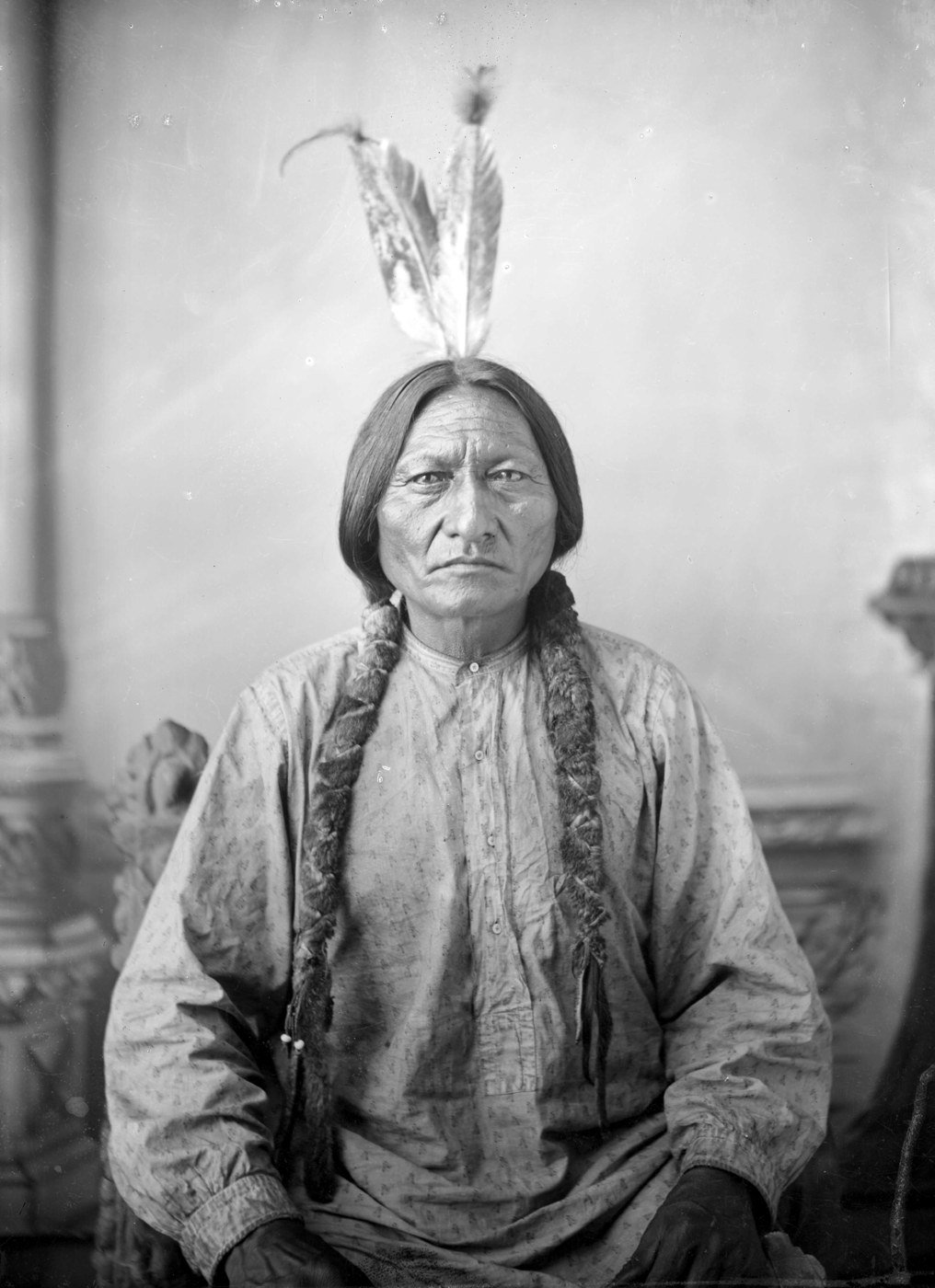
8. Sitting Bull: “I Was The Last Man Of My Tribe To Surrender My Rifle” (1881)
After the Little Bighorn, Sitting Bull led his people north into Canada, out of reach of the U.S. Army. For four years they lived in exile. But the buffalo were disappearing and his people were starving. One by one, families went south to surrender.
In July 1881, Sitting Bull rode into Fort Buford, in Dakota Territory, with the last of his followers, fewer than 200 people. He handed his rifle to his young son, Crow Foot, and had the boy give it to the commanding officer. According to the record of that day, Sitting Bull said: “I wish it to be remembered that I was the last man of my tribe to surrender my rifle.”
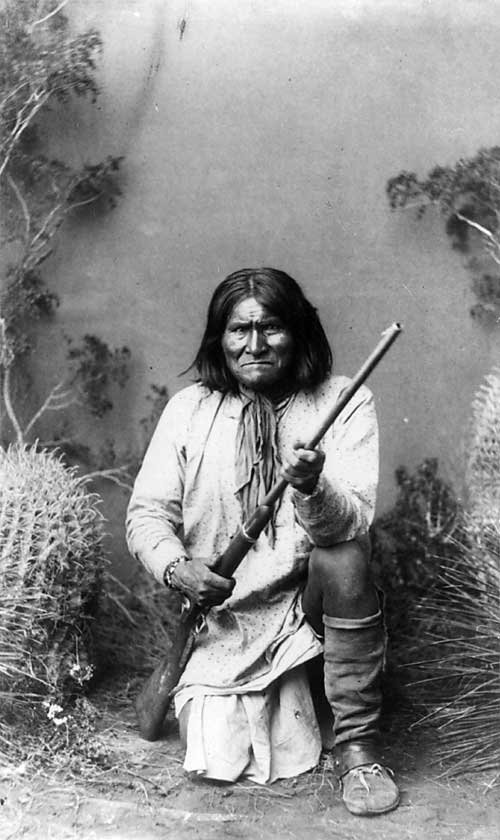
9. Geronimo: “Once I Moved About Like The Wind” (1886)
For years, the Chiricahua Apache leader Geronimo and a small band of followers evaded thousands of U.S. and Mexican soldiers in the mountains of Arizona and northern Mexico. In March 1886, he met General George Crook at Cañón de los Embudos, in Sonora, Mexico, to talk about surrender.
According to the record of those talks, he told Crook: “Once I moved about like the wind. Now I surrender to you and that is all.” Days later, fearing he would be killed, he slipped away again. He finally surrendered for good in September 1886 and was sent as a prisoner of war to Florida. He never saw his Arizona homeland again.
10. Chief Seattle: The Famous Speech He Probably Never Gave
You may have seen these words on posters: “How can you buy or sell the sky?” They are usually credited to Chief Seattle (Si’ahl), a leader of the Duwamish and Suquamish peoples, in a speech from 1854.
Seattle was a real leader, and he likely did speak at a meeting with Washington’s territorial governor in 1854. But the only record of that speech was published 33 years later, in 1887, by a settler named Henry Smith, from his own incomplete notes. The famous environmental version was written in the early 1970s by a screenwriter named Ted Perry for a film, and it was later passed around as Seattle’s own words. As one scholar concluded, we can never know exactly what Chief Seattle said.
It is a reminder that Native leaders’ real words are powerful enough. They don’t need to be invented.
Words That Still Echo
These leaders spoke at the hardest moments their nations ever faced: losing land, losing children, surrendering their freedom. Their words reached Americans through interpreters, reporters and officers, and some were surely changed along the way. But the voices behind them were real, and more than a century later, people still listen.
After reading these quotes, discover 10 things Hollywood got wrong about Native Americans. Then, read how Crazy Horse destroyed Custer’s command.