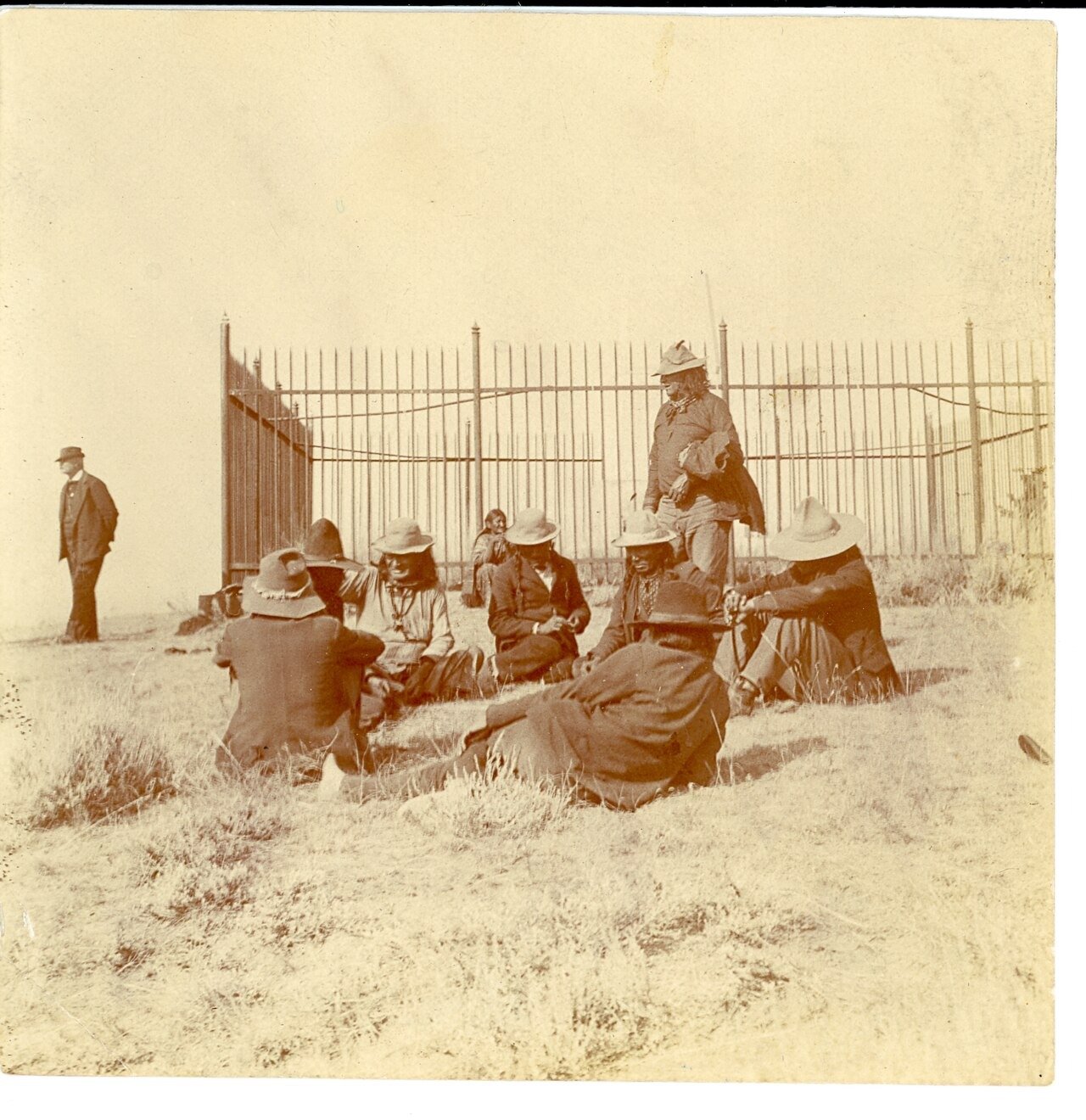
The valley of the Little Bighorn River in Montana is one of the most famous battlefields in America. For much of the 20th century, it was officially called Custer Battlefield.
In 1991, Congress changed the name. The fight over that change tells you a lot about how the Battle of the Little Bighorn has been remembered, and by whom.
A Field That Remembered One Side
After the battle in June 1876, the soldiers who died were buried where they fell. In January 1879, the Secretary of War set the site aside as a national cemetery to protect their graves. In July 1881, soldiers of the 2nd Cavalry built a large granite monument on Last Stand Hill. It carries the names of the men of the 7th Cavalry who died.
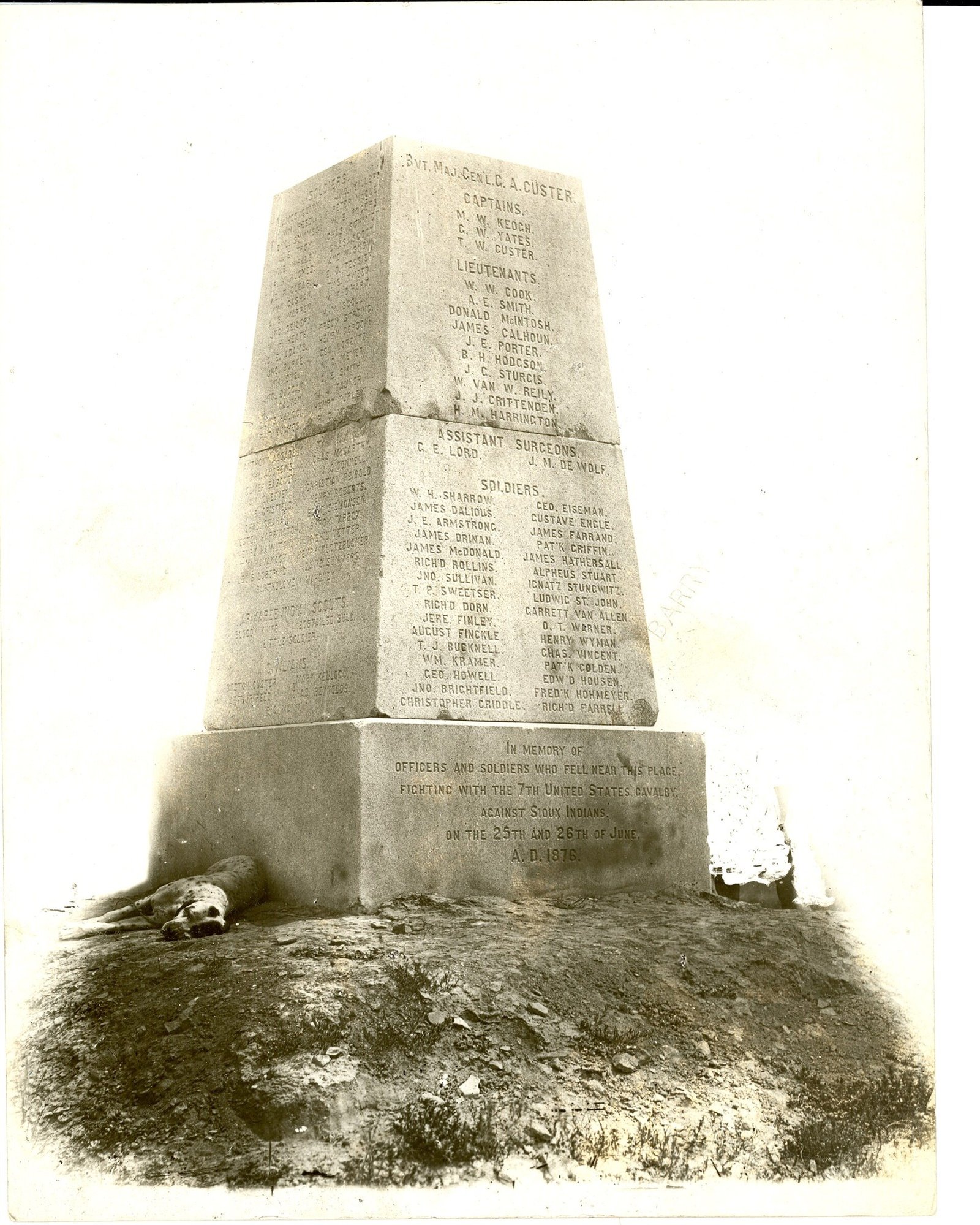
In 1946, the site became “Custer Battlefield National Monument.”
But for more than a century, there was no marker for the Lakota, Cheyenne and Arapaho warriors who also died on that field, defending their families. Many of the Native dead were carried away by their families and honored in their own ways. The official site did not mention them.
The Protests
The silence began to be challenged in the 1970s. In 1976, at the 100th anniversary, members of the American Indian Movement protested the centennial events. They said that celebrating the battle meant honoring a man who led an army against Native people.
On June 25, 1988, according to an account from the Friends of the Little Bighorn Battlefield, AIM leader Russell Means led a group to Last Stand Hill. They dug into the soldiers’ mass grave and placed a makeshift plaque meant to honor the Indian warriors. It created an uproar. It also forced a question that the Park Service could no longer avoid: why were the dead of only one side remembered?
The Bill
In 1991, Congress took up the question. The bill was sponsored by Colorado Representative Ben Nighthorse Campbell, a member of the Northern Cheyenne Tribe. It would rename the monument and add a memorial to the Native people who fought there.
Not everyone saw the change as obvious. Even the historian Robert Utley, a former chief historian of the National Park Service, once opposed renaming the site. In 1991, he changed his mind. He said that most Native Americans “look upon Custer as a personification of all that was wrong in American Indian policy,” and that “the time is now here to sacrifice that bit of history as a concession to Indian sentiment.” He also called the battle “one of the most myth-laden events in all of American history.”
The bill passed the House in June 1991. By November, it was stalled in the Senate, where a senator had placed a hold on it.
December 10, 1991
The bill became law on December 10, 1991, when President George H. W. Bush signed it. Public Law 102-201 renamed the site the Little Bighorn Battlefield National Monument, after the river where the battle took place. The same law called for an Indian Memorial near Last Stand Hill.
The Lakota remember the river as the Greasy Grass, and the battle by the same name.
The Indian Memorial
The memorial took more than a decade. In 1996, the National Park Service held a national design competition, with an advisory committee that included people from the Native nations that took part in the battle. A winning design by John Collins and Alison Towers was chosen in 1997.
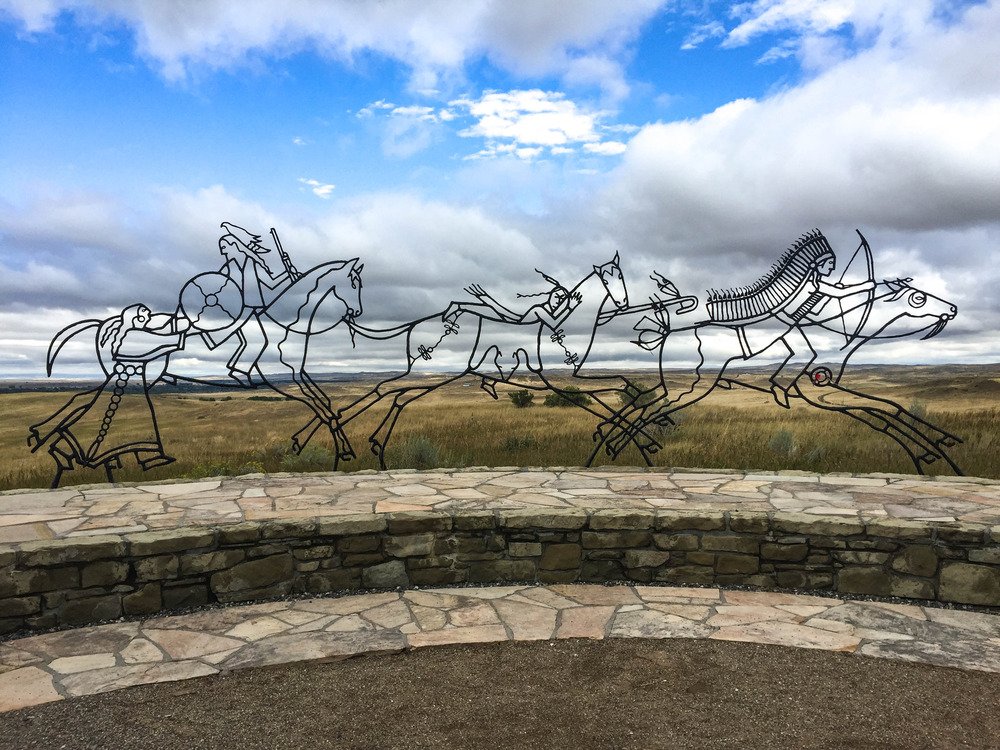
The memorial was dedicated in 2003. Its theme is “Peace Through Unity.” A circular wall of stone is topped by a bronze sculpture called Spirit Warriors, by the artist Colleen Cutschall. It shows warriors riding to battle, and a woman handing a shield to one of them. Cutschall wanted to show the battle from a woman’s point of view. The quote on the memorial comes from Enos Poor Bear Sr., an Oglala Lakota elder.
The Warriors Get Markers
Even before the memorial was finished, markers for Native warriors began to appear on the field. On Memorial Day 1999, the first red granite marker was placed for the Cheyenne warriors Lame White Man and Noisy Walking. Markers followed for Long Road, a Sans Arc Lakota, and Dog’s Back Bone, a Minneconjou Lakota. On June 25, 2003, a marker for an unknown Lakota warrior was placed on Wooden Leg Hill. They stand on the same field as the white markers for the soldiers.
Was It The Right Decision?
Some people say that renaming the field erased a piece of history, and that Custer’s name belongs there because it was his command that was destroyed. Others say the old name told only one side of what happened, and that the new name tells the story of the place. The cemetery next to the monument still carries Custer’s name.
For a related debate, read Should Custer Be Honored?
Related Stories
- What Became Of The Survivors: Reno, Benteen And Windolph After The Little Bighorn
- Custer Died For Your Sins: The 1969 Book That Changed How America Saw Native People
- What Custer Wrote About Native People In His Own Book, My Life On The Plains
- How Was The Only “Crazy Horse” Photo Taken? The Story Behind The Disputed Tintype
- Jim Thorpe: The Sac and Fox Athlete Who Won Two Olympic Golds And Had Them Taken Away