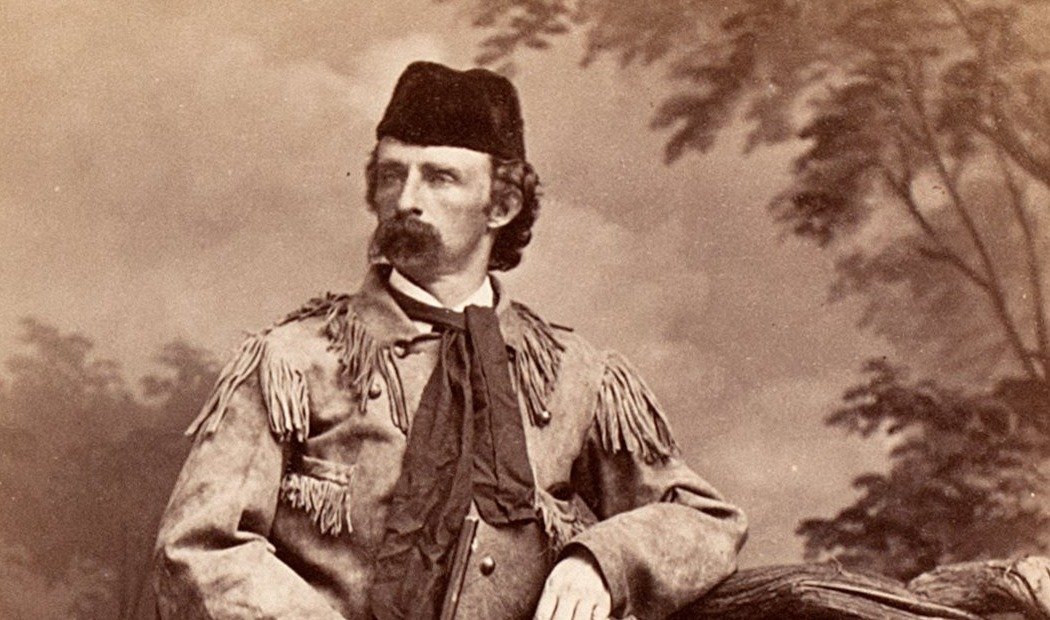
For 150 years, the battle has carried one man’s name. Custer’s Last Stand. Books, paintings and films put him at the center, a general facing the warriors who came to kill him.
But many of the people who were actually there remember it differently. When Lakota and Cheyenne witnesses were asked who led the soldiers, a common answer was: we did not know.
“Nobody Knew Who The Leader Was”
Historians who have collected Native testimony note that most Indian witnesses said no one really knew who the soldiers’ commander was until long after the battle. Their accounts come from interviews recorded mostly between 1876 and the 1930s, many collected by the historian Richard Hardorff in Indian Views of the Custer Fight.
Several of them say so directly:
- Low Dog, a Lakota war chief, told army officers in 1881 that he did not see Custer and did not know who killed him. He learned the white chief had been among the soldiers only after the fight was over.
- Wooden Leg, a Northern Cheyenne warrior, said he heard afterward that the soldiers had been commanded by Pehin Hanska, “Long Hair.”
- Two Moon, the Cheyenne chief, spoke about it with doubt. He said he had heard it was Long Hair, but he did not know.
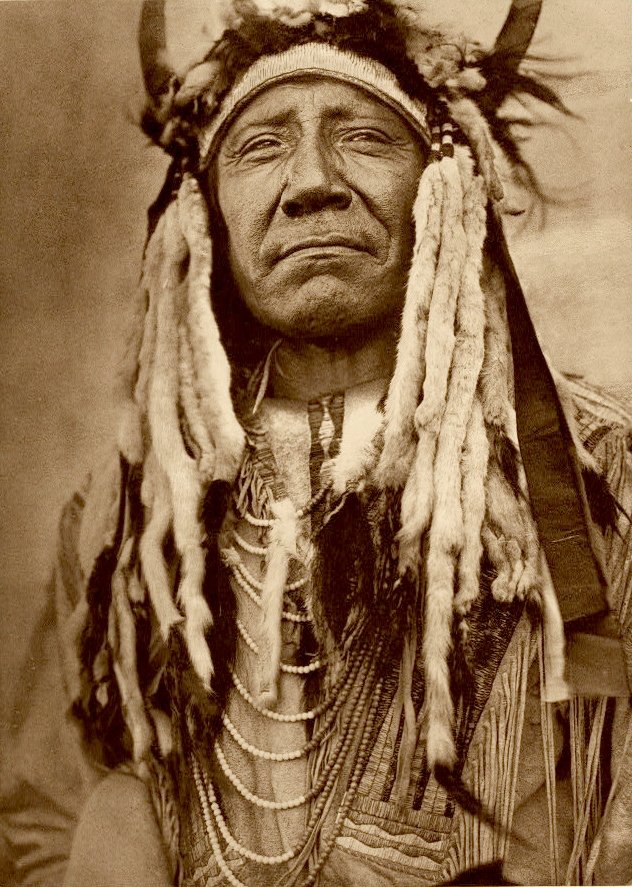
But Some Knew The Name
The picture is not one-sided. Custer was no stranger to the Plains nations.
- The Cheyenne had known him since the Washita in 1868. Kate Bighead recalled that her people gave him the name “Long Hair” after that fight.
- In 1873, Lakota warriors fought his 7th Cavalry on the Yellowstone, and the Lakota Rain-in-the-Face was later arrested by his brother Tom.
- In 1874, he led the expedition into the Black Hills. A man who commanded that march was known across the Lakota nation.
- The Oglala warrior Little Killer was reported to have recalled warriors singing Custer’s name that night. He said nobody knew which body was Custer’s, but they knew he had been there.
So the question is not whether Native people knew the name. They did. The question is whether anyone could tell which soldier was Custer, in the dust and smoke, in the middle of a fight that lasted a few hours.
Why It Was Hard To Tell
Several reasons are given for the confusion:
- The soldiers were scattered across the ridge. Warriors attacked different groups from different directions, and many saw only the men in front of them.
- Warriors were fighting Reno first. Iron Hawk, for example, was busy in the valley with Reno’s men when Custer’s column moved on the camp. Read his account.
- Appearance. One account says that only a handful of the warriors had ever seen Custer, and that he had cut his famous long hair before the campaign. This is repeated in several books, but it should be treated as a claim and not a certainty.
- Clothing. Iron Hawk said some of the men on the hill wore buckskin, not uniforms, which would make it harder to pick out an officer.
The Claims That Followed
Because nobody was sure, many men later said they had killed Long Hair. Red Horse, a Miniconjou, is among those listed as a claimant in early accounts. Another Miniconjou, Charging Hawk, did not deny it when others said they had seen him kill the soldier chief. White Bull’s account has him saying, “If that is Long Hair, I am the man who killed him,” when the body was later identified. Buffalo Bill Cody even tried to credit Sitting Bull, though that claim is treated skeptically. Historians have never been able to settle who did it, and you can read the debate in Who Really Killed Custer?
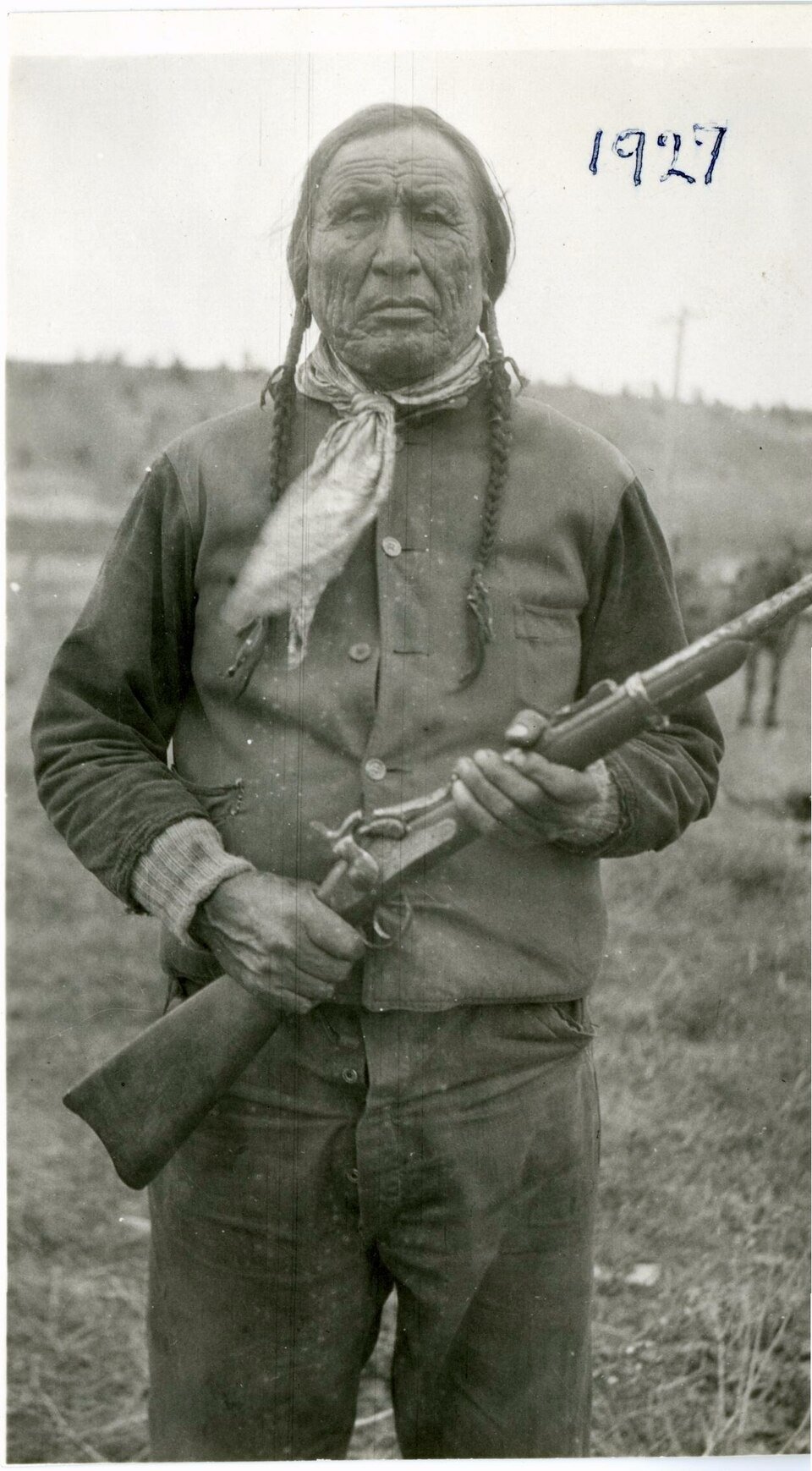
What It Changes
If most warriors did not know it was Custer, then the battle did not look to them the way it looks to us. To them, it was a day of defending families against two attacks on the camp. The idea of a duel with a famous general was something that came later, from newspapers, books and paintings.
As Low Dog put it, he learned only afterward that the white chief had been there at all. For the people in the camp, what mattered was that the soldiers were gone, and that the soldiers would come back in greater numbers.
How Reliable Is The Evidence?
- Most accounts were recorded years or decades later, often through interpreters, and shaped by what interviewers asked.
- Witnesses were speaking to army officers and white interviewers, which can shape what a person chooses to say.
- Different witnesses saw different parts of the field, so no single account covers it all.
Even so, the pattern in Native testimony is strong enough that historians take it seriously: they knew who he was, but in the moment, most of them did not know it was him.
Related Stories
- Who Really Killed Custer? His Two Wounds And The Conflicting Accounts
- 10 Things You Didn’t Know About George Armstrong Custer
- The Sacred Cheyenne Warning Custer Ignored Seven Years Before The Little Bighorn
- How Was The Only “Crazy Horse” Photo Taken? The Story Behind The Disputed Tintype
- Jim Thorpe: The Sac and Fox Athlete Who Won Two Olympic Golds And Had Them Taken Away