On May 13, 1907, a Lakota man in his mid-40s sat in a tent in Chadron, Nebraska, and began to describe the biggest battle of his life. He did not use English. He used sign language.
The man was Iron Hawk. The interviewer, the Nebraska lawyer and historian Eli S. Ricker (the transcript spells the name Richter), wrote that his account was “graphic in the extreme.”
Who Was Iron Hawk?
Iron Hawk was born around 1862, and historian Richard Hardorff identifies him as a Hunkpapa Lakota. That means he was only about 14 years old when he fought at the Rosebud and the Little Bighorn in 1876. (Some sources place him with the Oglala of Crazy Horse‘s circle, so his exact band is not settled.)
Richter described him as a large, powerful man with a grave manner that came alive when he talked about something that mattered to him. The interview took place in the tent of Archie Sword, Iron Hawk’s son-in-law, who worked as a freight handler.
The Morning The Soldiers Came
The great village had been camped on the Little Bighorn for about two nights. Iron Hawk said that two young men who were out looking for ponies saw the soldiers approaching. One of them was killed. The other raced back to warn the camp, and everything fell into confusion.
The Hunkpapa camp was at the upper end of the village. Reno’s soldiers formed a line and began to fire. Iron Hawk said he spent the first part of the fight rousing warriors to mount their horses and defend the camp.
The Fight With Reno
According to Iron Hawk, Reno’s men stayed in the timber for only a short time. They did not push into the tipi camp. Warriors gathered on the flank near a high bank. Then Crazy Horse charged into the soldiers, shouting, and when the warriors on the bank heard him, they attacked from the side.
The soldiers broke and retreated. Iron Hawk said that the Lakota fought mostly with war clubs at close range, and some with bows and arrows. He thought the warriors were so thick around the soldiers that Reno’s men would have been overrun if they had stayed.
Turning On Custer
Then word spread that another group of soldiers was moving along the far side of the ridge. The warriors rushed to cross the river. Iron Hawk placed himself on the side toward the ridge, between the ridge and the river, and said the Lakota and their allies surrounded Custer’s men.
He said Crazy Horse was at one end of the attacking line. About Sitting Bull, he was less certain. “There was no telling about many things,” he said, because there were so many Indians.
What He Said About The Soldiers
Iron Hawk made several specific points:
- The soldiers shot well at first, then wildly. He said Custer’s men at first fired accurately, but later they fired wildly, “like drunken men,” shooting into the ground and the air.
- The numbers near Custer. Around the spot where Custer fell, he estimated about 20 men on horseback and about 30 on foot.
- The first warriors to arrive. He said about 100 Indians reached Custer’s men first.
- Keogh’s men. He recalled that Captain Keogh and his men were killed near a small ravine.
- Captured weapons. As Custer’s men fell back toward the hill, the Lakota picked up revolvers and ammunition and used them in place of clubs and bows.
- Men who ran. Soldiers who broke from the hill and ran toward the river were killed as they tried to escape.
- Native losses. He said about 19 Indians were killed. He did not know how many were wounded.
The Soldier Who Got Away
One part of Iron Hawk’s story is especially haunting. He said that one soldier broke through on horseback and rode away. Iron Hawk told the others to let him go so that he could tell the story. But the man did not live to tell it. According to Iron Hawk, he took his own life after riding about three-quarters of a mile.
Hardorff notes that the evidence about this soldier’s identity is “at variance,” meaning accounts disagree.
His Own Wound
Iron Hawk himself was wounded in the fight. He showed Richter the scar from a bullet that struck his body below the ribs. A roster of Lakota participants lists him as wounded in the Custer fight, and it also credits him with killing a soldier with an arrow, although that roster does not give a source for the detail.
What Historians Question
Iron Hawk’s account is valuable, but it has limits.
- It was recorded 31 years later. In 1907, Iron Hawk was recalling the fight from when he was a teenager, and he spoke through sign language.
- He was fighting Reno when Custer first moved on the village. He said that Custer never came near the river. Other witnesses, including Cheyenne warriors, described a charge toward the river at Medicine Tail Coulee. An editor of the transcript notes that Iron Hawk was busy with Reno at that time, which would explain his limited view of that moment.
- The timing is uncertain. Iron Hawk’s account points to June 23 as the day the great village was set up on the Little Bighorn, though some sources suggest June 24.
Even so, his story agrees with other Native accounts on key points: the large number of warriors, the speed of the attack, and the way that Custer’s command came apart.
More Voices From The Battle
Iron Hawk is one of many Lakota and Cheyenne who described the Little Bighorn. For others, read Red Horse’s account, Wooden Leg’s account, and Red Star’s account from the Arikara scouts. A 1948 photograph of the last survivors of the battle lists an Iron Hawk among them, though we could not confirm that it is the same man.
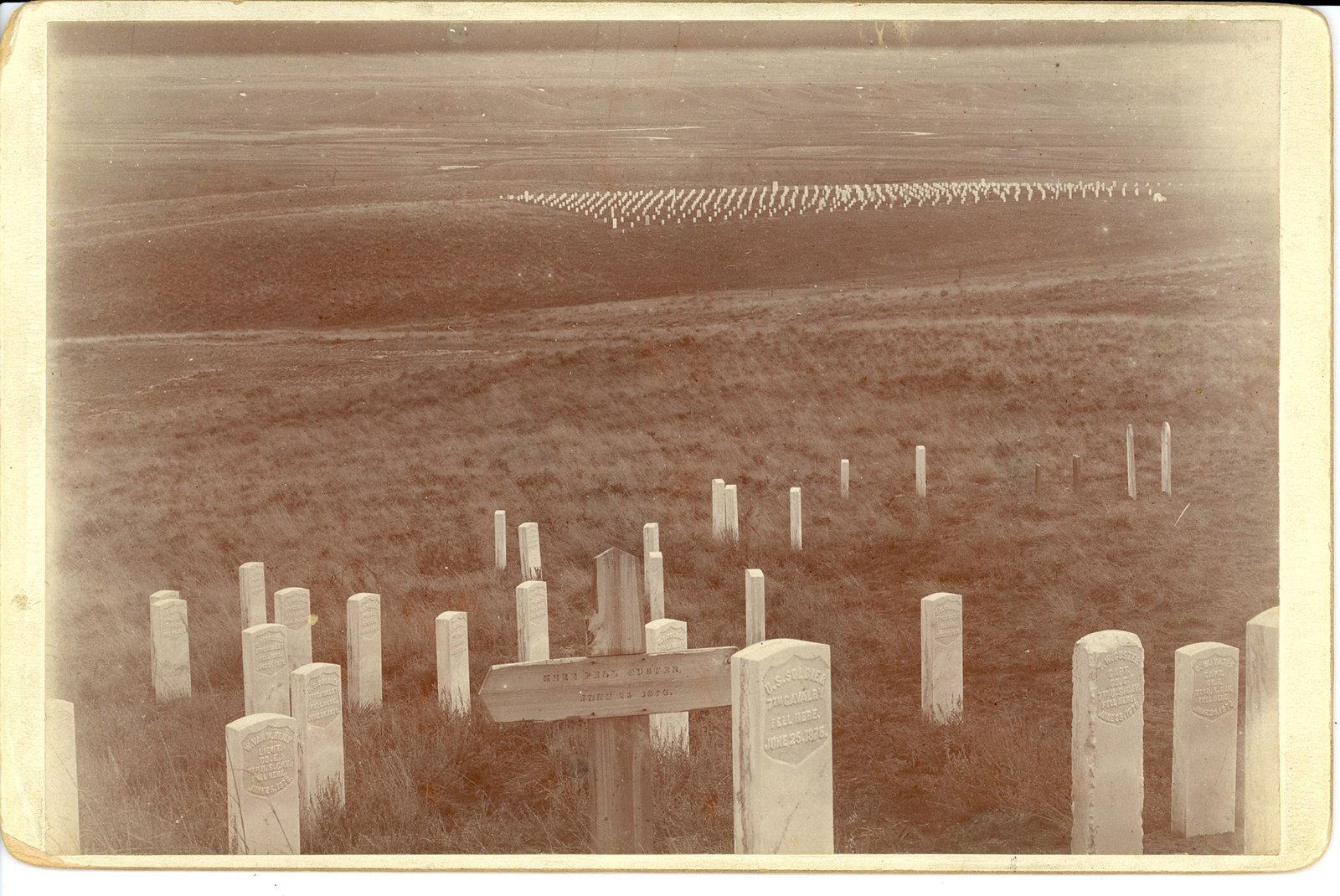
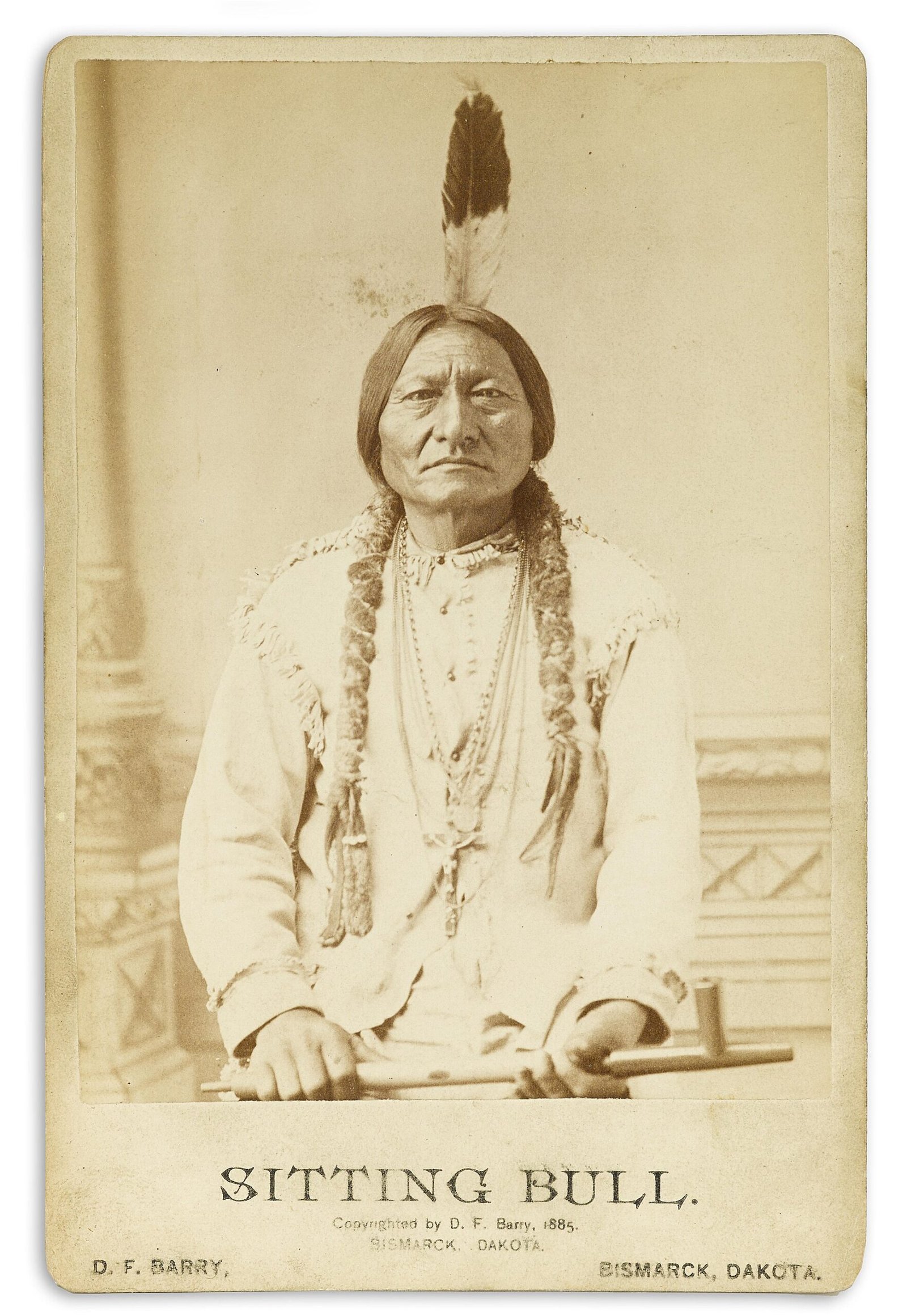
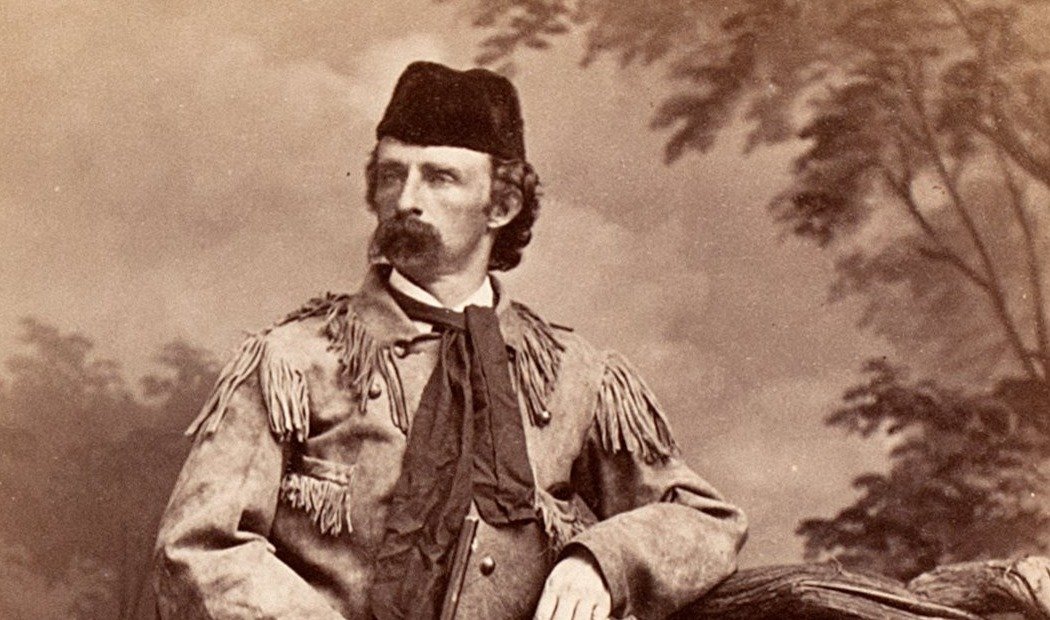
A note on the images: we could not find a verified, freely licensed portrait of Iron Hawk. A 1948 group photograph of the last survivors, held by the Smithsonian, lists an Iron Hawk, who may be him. The pictures above show the battlefield, Sitting Bull and Custer.
Related Stories
- How Crazy Horse Destroyed Custer’s Command At The Little Bighorn
- Who Really Killed Custer? His Two Wounds And The Conflicting Accounts
- 10 Things You Didn’t Know About George Armstrong Custer
- Red Cloud’s War: The War The U.S. Army Walked Away From
- Lincoln, Grant, Sherman And Custer: 4 American Heroes And The Records Textbooks Skip