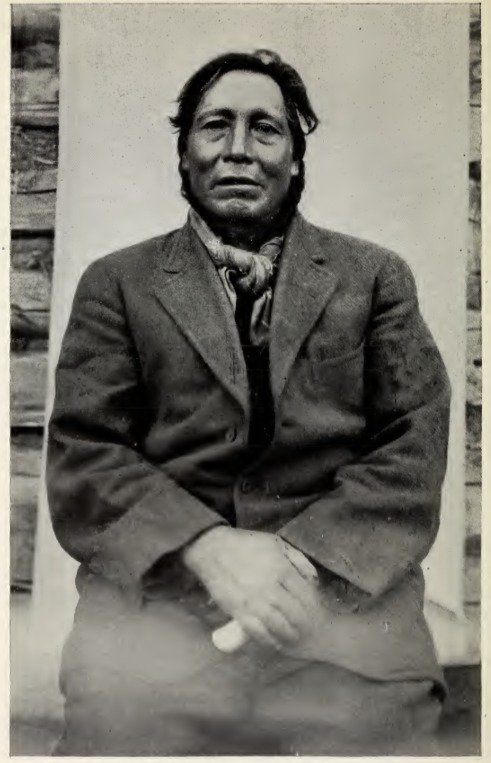
On the morning of June 25, 1876, a young Arikara scout stood on a hilltop in the Wolf Mountains of Montana and looked at a faint smudge of smoke far in the distance. He did not know it yet, but he was among the first men on Custer’s side to see the great village on the Little Bighorn.
His name was Red Star. At the time, he was called Strikes-the-Bear. He later took the name Red Star in honor of his father. Years afterward, he told what he saw to historians, and to government investigators when he applied for a pension.
Red Star did not see Custer’s last stand. He was with the scouts, not with Custer’s five companies. But he was a witness to the road that led to it, and his account holds some of the most striking details of those final days.
Who Was Red Star?
Red Star was an Arikara (Sahnish) man, born around 1857 in what is now North Dakota. He enlisted as a U.S. Army scout at Fort Abraham Lincoln in the spring of 1876, at about age 18, and rode out with Custer’s Seventh Cavalry. Among the other Arikara scouts were Bloody Knife, Young Hawk, Strikes Two, Boy Chief, Red Bear and Little Sioux.
The Arikara were old enemies of the Lakota. Their scouts served the Army, and many Arikara saw the soldiers as allies against Lakota attacks.
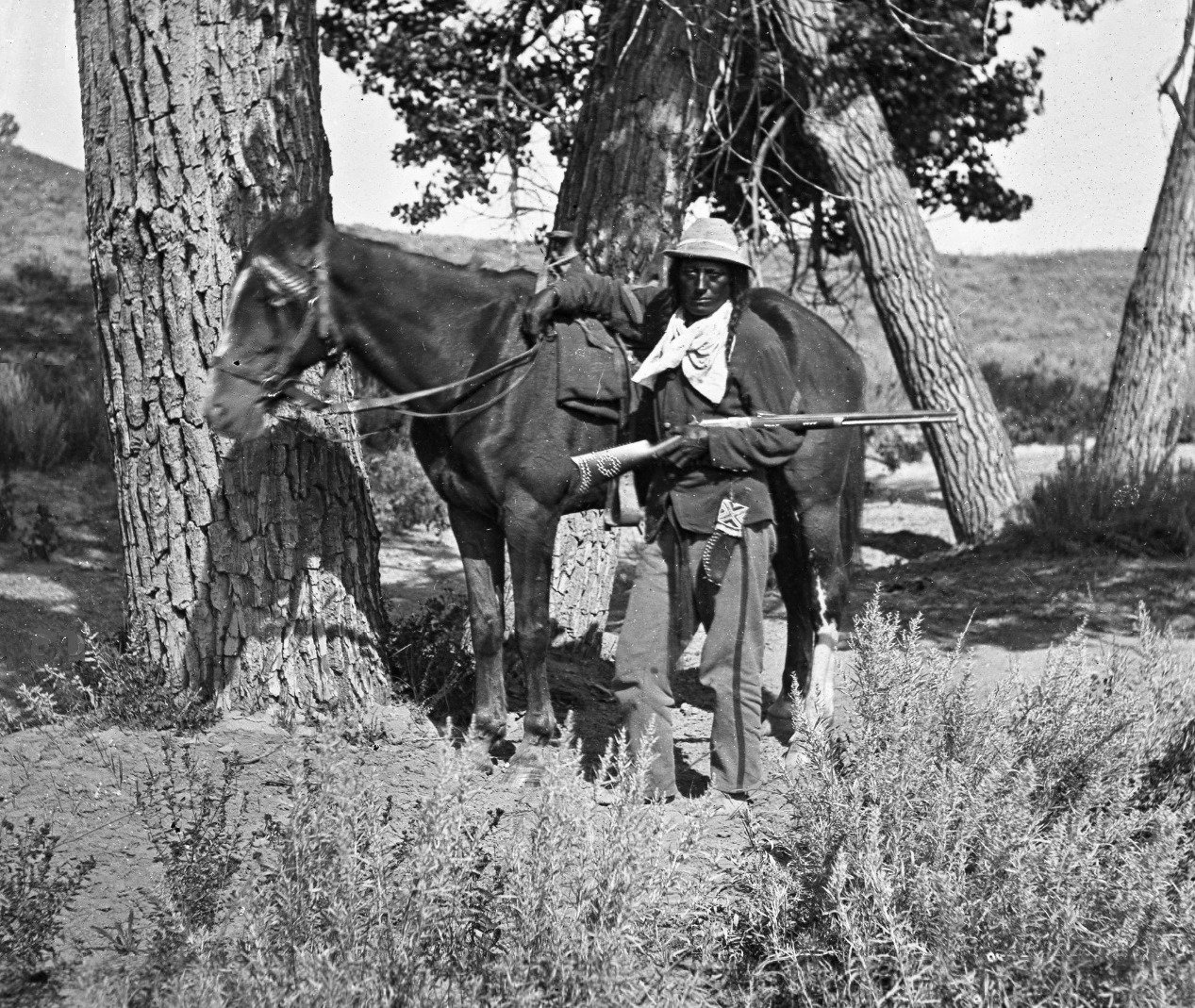
A Warning In The Sand
As the column followed the Rosebud River toward the Little Bighorn, the scouts passed the remains of a large Lakota camp used for a Sun Dance, a sacred ceremony. In one of the sweat lodges was a long ridge of sand.
According to Red Star and two other scouts, Red Bear and Soldier, figures had been drawn in the sand. On one side were hoof prints, standing for Custer’s men. On the other side were the Dakota. Between them were drawn dead men lying with their heads toward the Dakota.
The Arikara scouts understood this to mean the Dakota medicine was too strong for them, and that they would be defeated. Historians point out that the Sun Dance had happened weeks earlier, so the drawing’s meaning is the scouts’ own interpretation. But the scouts took the sign seriously.
The Night Ride
On the evening of June 24, Custer sent a group of scouts ahead to find the village. Red Star was one of them. Custer told them, through the interpreter Fred Gerard, to go without sleep, and to keep looking until noon if they had to. Four Crow scouts guided them, and the famous scout Charley Reynolds went along as interpreter.
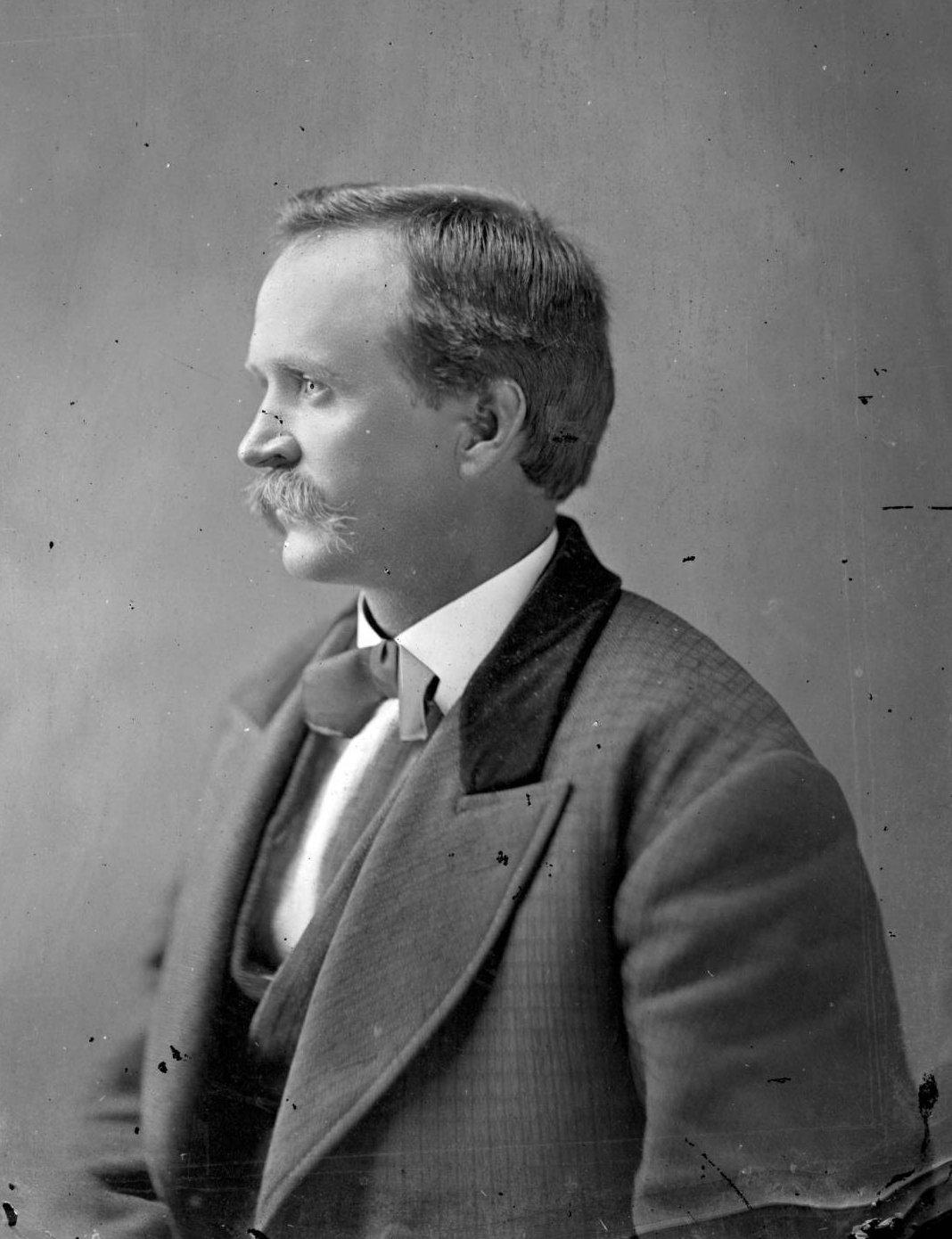
They rode all night. At daybreak they climbed a high peak. Two Crow scouts went ahead to the top and came back, signaling silence. They had seen tepees.
The scouts crept up to look. Red Star’s elder, an Arikara scout named Crooked Horn, said to him, “Look sharp, my boy, you have better eyes than I.” Red Star saw a dark mass in the distance, and above it light smoke rising from the Lakota tepees. Beyond that, he saw black specks, which he thought were horses.
Charley Reynolds studied the view through field glasses for a long time. Then he wrote a note, folded it, and handed it to Crooked Horn. Red Star and another young scout, Bull, were told to ride back to Custer with it.
The Message For Custer
Red Star reached camp as the soldiers were finishing breakfast. He was drinking coffee when Custer came over, sat on one knee beside him, and asked, by signs, whether he had seen the Lakota. Red Star said that he had. He handed over the note, and Custer read it and nodded.
Custer then took a small party, including Red Star, back to the hilltop to see for himself. Reynolds pointed out the camp, and Custer looked through his field glasses. At first, Custer reportedly doubted that what he saw was a large camp.
An Argument Over Time
The scouts told Custer that they had been seen by Lakota riders, six of them, near the hill. According to the Arikara account, Custer answered angrily that the camp had not seen his army. A Crow scout named Big Belly replied that those Sioux were good scouts who had seen the smoke of the soldiers’ camp.
Custer said he wanted to wait until dark and attack the village at night. The Crow scouts told him that was a bad plan. They wanted him to attack at once, that day, and capture the Lakota ponies so the village could not move quickly. In Red Star’s telling, Custer finally agreed. Red Star said that, listening, he had at first thought Custer’s plan was a good one.
Captain Edward Godfrey and other officers later wrote that Custer was well aware his column had been discovered. Others, including General Sheridan, believed the Indians did not know of the approach until the last moment. The Arikara account fits the first view.
What Red Star Saw Next
Custer sent the scouts forward to capture the Lakota horses. Other scouts remembered Red Star riding with them as they passed the abandoned lone tepee, and he joined the fight in the valley, on the Reno side, where the Arikara captured some Lakota ponies. In his account, he saw Lieutenant Varnum nearby, wounded in the ankle, as Reno’s command broke and the soldiers retreated up the hill.
From where Red Star was, he said, he heard constant firing. Years later, in a sworn statement for his pension, he said that Custer “was not killed while holding a council.” He was, Red Star said, killed in battle. It was a pointed correction of a rumor that had spread.
The Rumor That Custer’s Men Were Beaten
Red Star described one more scene from that afternoon. On the ridges above the valley, three Crow scouts, Goes Ahead, Hairy Moccasin and another man, rode up to the Arikara scouts and told them to leave. The army was beaten, they said, and the Dakotas were killing the soldiers easily. They also said that the Crow scout Curley, along with White Swan and Big Belly, had been killed.
That last claim was wrong, at least for Curley, who survived the battle and became one of the most famous witnesses. It is a reminder of how much confusion there was that afternoon, even among people who were there.
The Pension That Almost Wasn’t
After the battle, the Arikara scouts went home. Many scouts struggled for years to have their service recognized. In 1921, Red Star applied for a pension for his service. He was rejected at first because the Army had no scout on record under the name Red Star or the name Strikes-the-Bear. It took a thorough investigation, with interviews of other scouts, for the government to confirm that he had been there. He finally received his pension in 1925. He died on June 7, 1929.
How Reliable Is His Account?
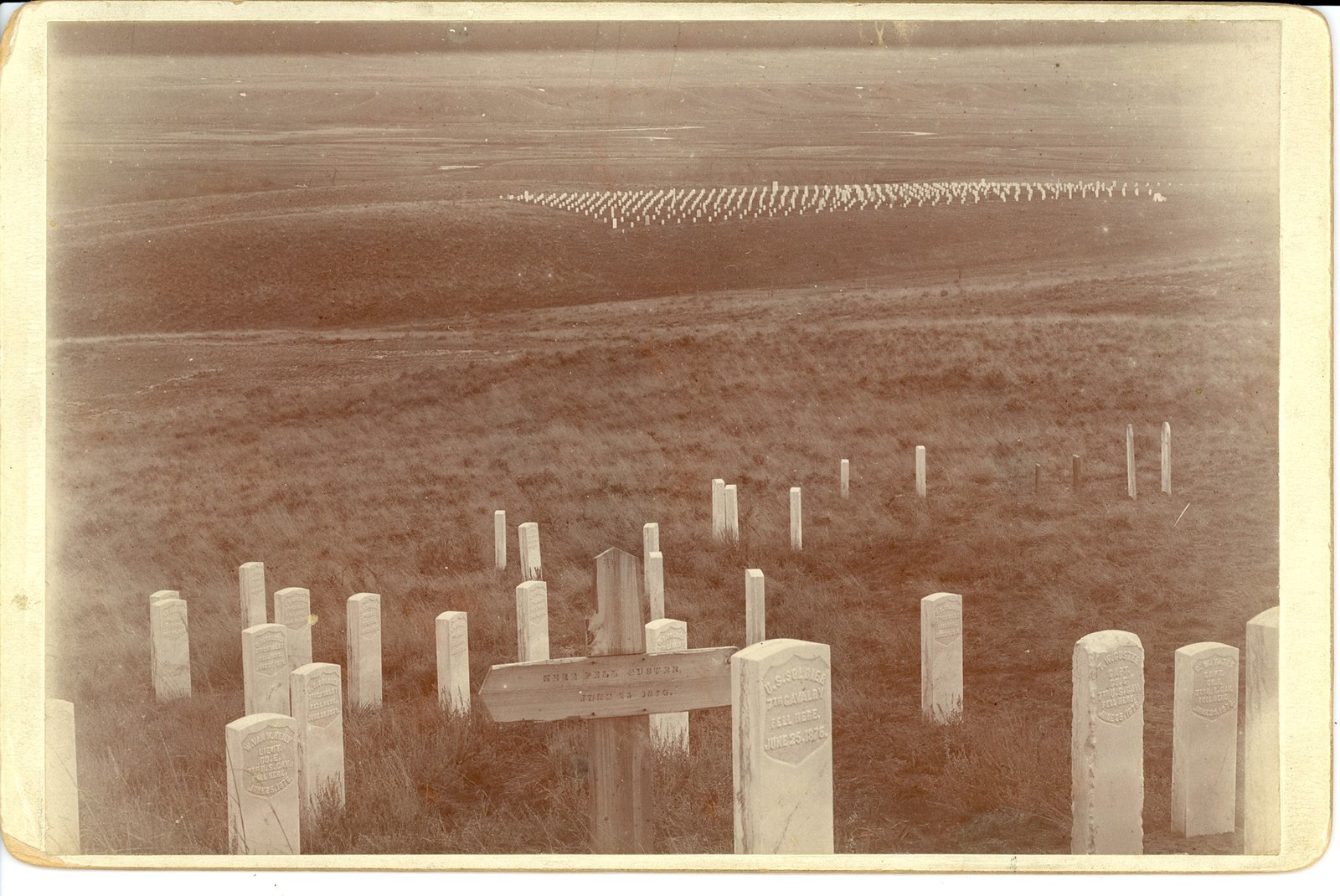
Red Star’s longest account was recorded in August 1912, 36 years after the battle, by Orin G. Libby of the North Dakota State Historical Society, with the help of an interpreter, Peter Beauchamp. The scouts agreed to tell only what they had seen themselves. The accounts were read back to them for corrections. His later pension statements were given under oath in 1923 and 1925.
Even so, memories fade, and translation adds distance. Red Star never claimed to have seen Custer die. What he gives us is something different and valuable: the view from the scouts who first found the village, and who knew the Lakota well enough to read the signs.
For more on the people who gave accounts of Custer’s last battle, see Red Horse’s Lakota account and Wooden Leg’s Cheyenne account.
Related Stories
- 10 Mistakes That Led To Custer’s Last Stand
- How Crazy Horse Destroyed Custer’s Command At The Little Bighorn
- Who Really Killed Custer? His Two Wounds And The Conflicting Accounts
- St. Clair’s Defeat Vs. Custer’s Last Stand: Which Was Worse? Counting The Dead Side By Side
- Who Was Allowed To Wear An Eagle Feather, And Who Earned It?