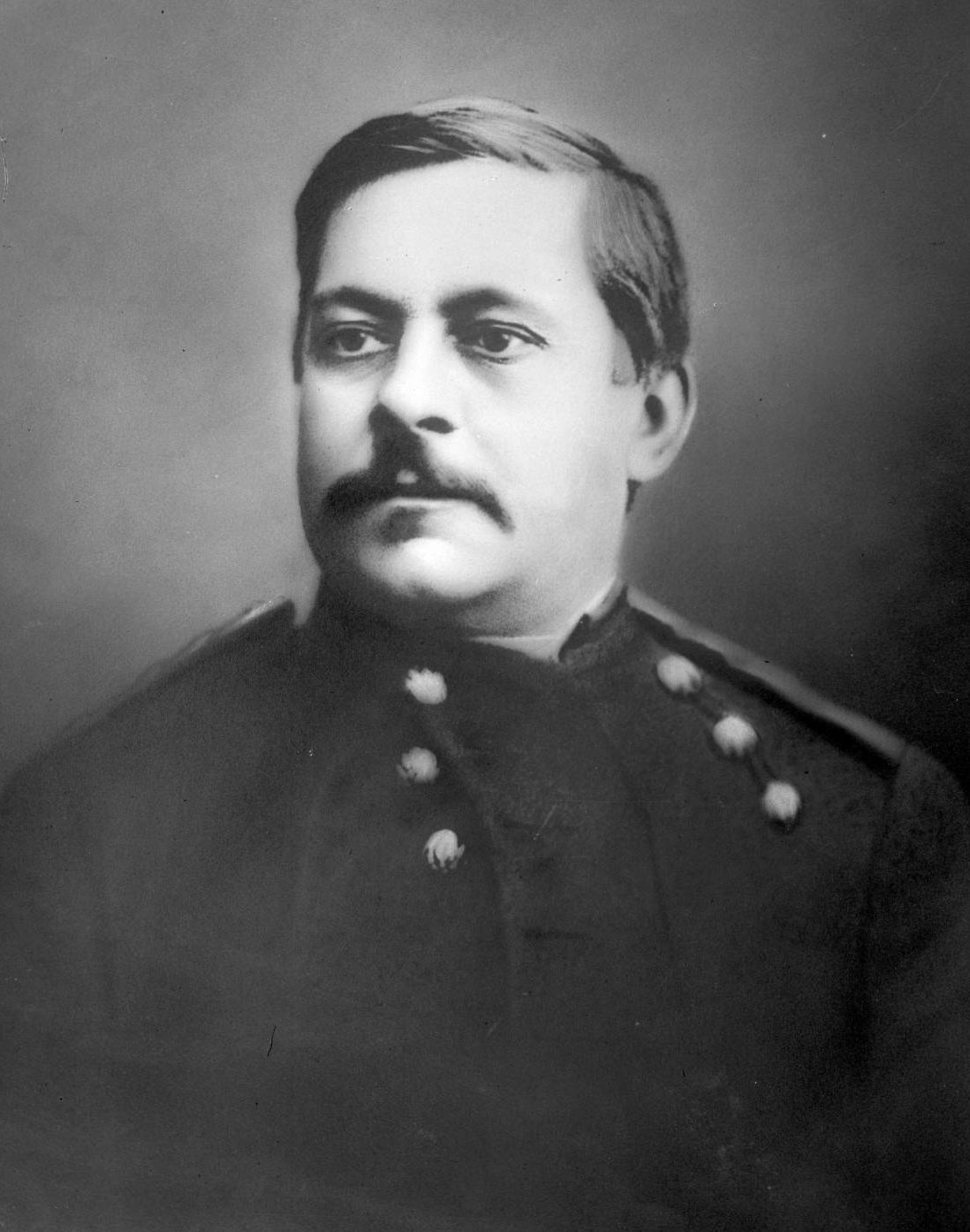
On July 5, 1876, ten days after the Battle of the Little Bighorn, Major Marcus Reno sat down in a camp on the Yellowstone River and wrote his official report.
It was addressed to the assistant adjutant general of the expedition, and it later appeared as Appendix 3B to General Alfred Terry’s annual report. It is one of the first detailed accounts of the battle by an officer who was there, following General Terry’s earlier telegraphed report. And its author was a man who would be blamed for the disaster for the rest of his life.
One thing must be said first. Reno did not see Custer’s last stand. He was on a hill about four miles away. What his report gives us is a view of everything that led up to it, and of what the Army found afterward.
The Orders
Reno writes that he was the senior surviving officer after the fight. He describes how Custer divided the regiment. Reno was given Companies M, A and G. Captain Benteen received H, D and K. Custer kept C, E, F, I and L, and Captain McDougall’s Company B guarded the pack train.
Lieutenant William Cooke, Custer’s adjutant, gave Reno his instruction. In Reno’s words, he was “to move forward at as rapid a gait as prudent, and to charge afterward, and that the whole outfit would support me.”
That sentence matters. Reno’s defenders have long argued that he was told he would be supported, and that support never came.
The Charge Down The Valley
Reno crossed the Little Bighorn, gathered his battalion and sent word to Custer that he had the Indians in front of him. He then charged, with the Arikara scouts on his left. For about two and a half miles, he says, he drove the Indians “with great ease.”
Then he began to doubt. The warriors were fighting harder. The village was still standing. And he could see no sign of Custer or any other support. He decided he was being drawn into a trap, and that he had to “defend myself and give up the attack mounted.”
The Timber And The Retreat
Reno placed his men on foot in a stand of trees along the river. He says he was near the village and facing “odds of at least five to one.” He reckoned that he was up against nearly the whole Sioux nation and their allies, “at least twenty-five hundred warriors.” Many historians think the number was higher.
He judged that his only chance was to leave the woods before he was surrounded and reach high ground. So he mounted his men and charged through the warriors between him and the bluffs across the river. Reno’s report says that the retreat cost “three officers and twenty-nine enlisted men killed and seven wounded.” The officers killed in the crossing, he writes, included Lieutenants Donald McIntosh and Benjamin Hodgson and Acting Assistant Surgeon J. M. De Wolf.
This is the part critics seized on. In their view, the retreat was a panic. In Reno’s view, it was the only way to save his men. Lakota witnesses sound different from both. Iron Hawk said Reno’s men stayed in the timber only a short time, and Low Dog said that Reno “fought well.” Read Iron Hawk’s account and Low Dog’s account.
The Hill
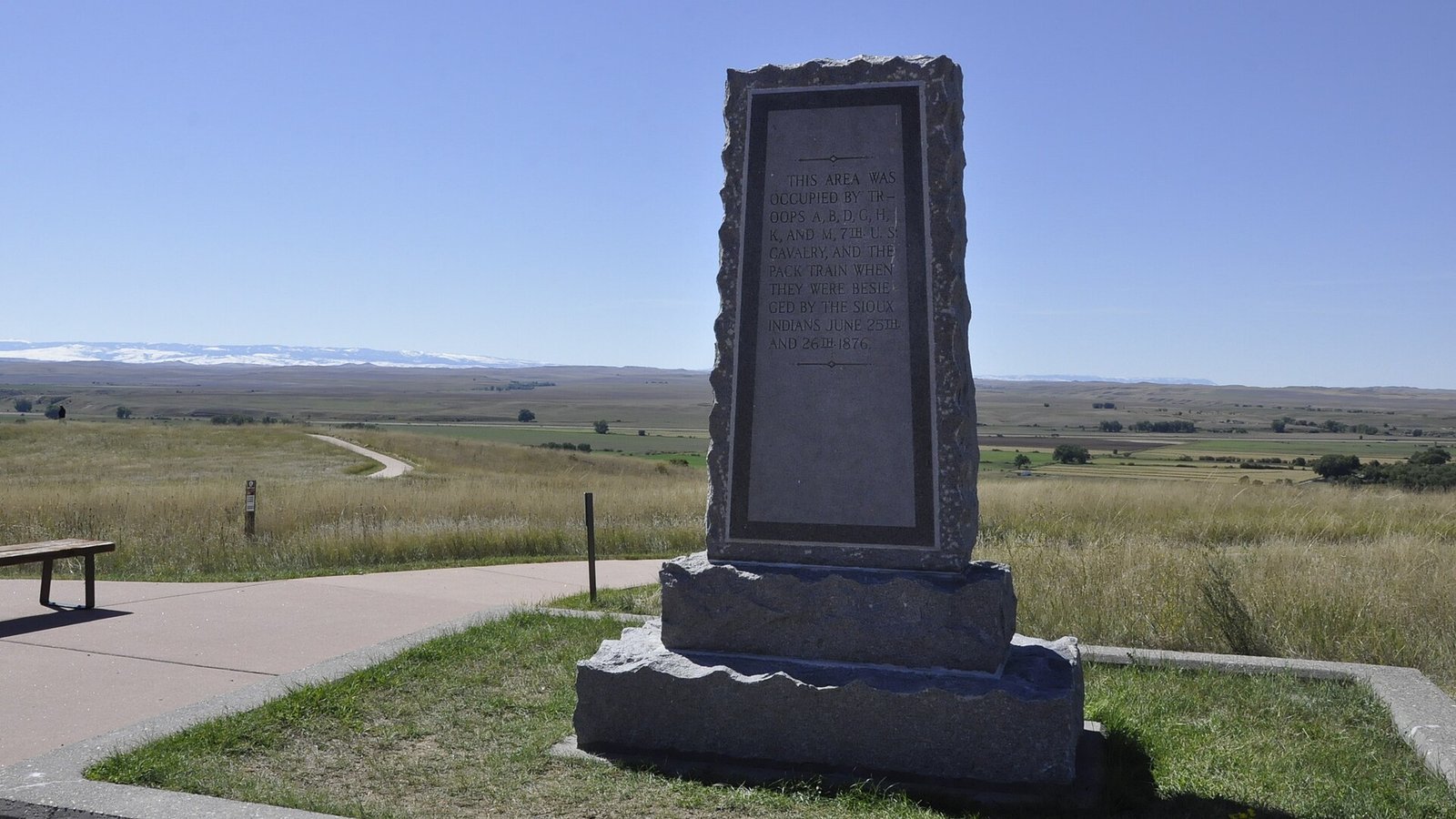
On the bluff, Reno placed his men along the crests and sheltered the pack animals in a hollow. Mounted men appeared on the ridge. They were Benteen’s battalion. After the pack train arrived, Reno counted about 380 men.
The attacks began around 6 p.m. and stopped about 9. His men lost eighteen killed and forty-six wounded that night. They dug rifle pits and built barricades from dead horses, mules and boxes of hardtack.
On June 26, heavy fire began before dawn and lasted until about 9:30, when a final charge against Companies H and M was driven back. Reno’s men had gone about sixteen hours without water. Around 2 p.m., the Indians set the grass on fire to cover their withdrawal, and by evening the great village had moved away.
What He Heard Of Custer
Reno writes that his men had heard firing in Custer’s direction on the evening of the 25th. “We had heard firing in that direction and knew it could only be Custer,” he says. But after that they saw and heard nothing. He writes that “the awful fate that did befall him never occurred to any of us as within the limits of possibility.”
On the morning of the 27th, he saw a dust cloud and decided it must be cavalry. He sent three volunteers to find out. General Terry rode into his lines at about 10:30.
The Dead
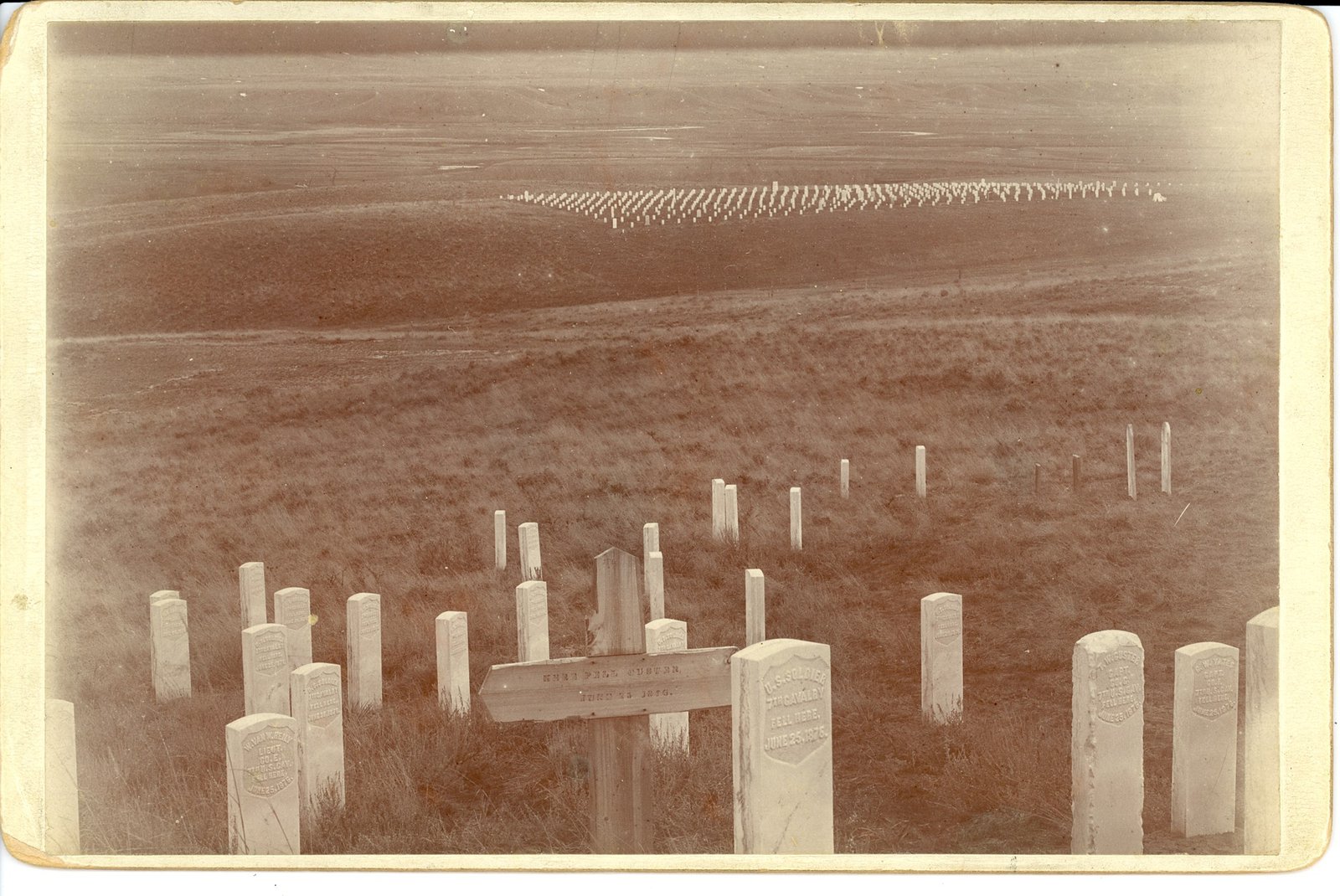
The report names the officers recognized on the field: Custer, Cooke, Keogh, Yates, Tom Custer, Smith, Calhoun, Reily and Crittenden. The bodies of Porter, Harrington, Sturgis and Lord were not recognized, but “there is every reasonable probability they were killed.” On June 28, Reno writes, the regiment buried 204 bodies. You can read about the missing men in The Mystery Of Custer’s Missing Soldiers.
Why Did Custer Fail, According To Reno?
Reno offered his own theory. He believed Custer meant to attack the village in flank but found the ford harder than he expected and met heavy fire. He blamed the disaster on a combination of things: Custer’s two-day forced march, an attack at midday instead of early morning, and the division of the regiment into three parts. In closing, he also questioned a policy that put opposing forces in the field, “armed, clothed, and equipped by one and the same Government.”
He praised Benteen’s conduct and enclosed Benteen’s own report.
Cleared, But Not Believed
Many people did not accept Reno’s version. Officers accused him of cowardice, and later of drinking. In 1879, at his own request, a Court of Inquiry examined his conduct. After 26 days, the Judge Advocate General advised that he be cleared of cowardice. The finding did little to change public opinion. Some enlisted men later said they had been pressured to speak in his favor. For what became of him afterward, read What Became Of The Survivors.
How To Read The Report
- It is a defense as well as a report. He was the senior survivor, and he knew he would be asked why he did not reach Custer.
- It was written from a hilltop view. Reno saw the valley fight and the siege. He did not see Custer’s command.
- The numbers are estimates. His figure of 2,500 warriors is lower than many modern estimates.
- Other voices differ. Native witnesses and other officers describe the same events differently. For Native accounts, see Red Horse and Wooden Leg.
Reno’s report is not Custer’s last stand. It is the account of the man who survived it, and who spent the rest of his life defending what he did that day.
Related Stories
- The Sacred Cheyenne Warning Custer Ignored Seven Years Before The Little Bighorn
- The Custer Family Who Died Together At The Little Bighorn
- What Happened To Custer’s Body After The Little Bighorn?
- 10 Things Hollywood Got Wrong About Native Americans
- 10 Mysteries Of Crazy Horse That Historians Still Can’t Answer