
In 1969, a bumper sticker was making the rounds in Native communities. It read: “Custer Died for Your Sins.”
That same year, a book with that title landed in American bookstores. Its author was a young Native lawyer who was tired of how everyone else talked about his people. The book was a bestseller, and many scholars credit it with helping to launch a new era in Native American politics.
The Author
Vine Deloria Jr. was born in 1933 in Martin, South Dakota, near the Pine Ridge Reservation. His father was an Episcopal archdeacon and missionary, and his grandfather was an Episcopal priest and a leader of a Yankton band. His family belonged to the Standing Rock Sioux.
Deloria served in the Marines from 1954 to 1956 and studied theology before becoming a lawyer. From 1964 to 1967, he was executive director of the National Congress of American Indians. During his time there, the number of member tribes grew from 19 to 156.
The Title
The title came from a bumper sticker and from the slogans of 1960s Native activism. It is a joke with a bite. Custer is the national symbol of Native defeat, and Americans have always told his story as a tragedy. Deloria’s title flips that story with humor: the dead general becomes the one who supposedly paid for America’s wrongs. It is one reading of the joke, and the book itself never explains it as a single line.
If you want to see what Native witnesses said about Custer’s last battle, read Did The Warriors Know They Were Fighting Custer?
What The Book Said
The book was published by Macmillan as Custer Died for Your Sins: An Indian Manifesto. It is a collection of eleven essays on subjects from treaties to humor.
- The Indian grandmother myth. Deloria joked that many white Americans claim to have an “Indian princess” in their family tree.
- Broken treaties. He wrote that the United States had made hundreds of treaties with Native nations and had failed to honor them. Our article on the treaties that were honored shows how rare the exceptions were.
- Termination. In the 1950s, the government tried to end the federal status of tribes. Deloria argued that it was a way to get at Native land.
- Anthropologists. This chapter became famous. He urged Native people not to cooperate with anthropologists, saying they studied Native people to advance their own careers and created the stereotypes that shaped government policy. The book reportedly led anthropologists to rethink how they studied tribes.
- Missionaries. He criticized churches for trying to replace Native religion, and he favored a return to traditional religion and wider use of the Native American Church.
- The Bureau of Indian Affairs. He proposed restructuring it and giving tribes more control over their own money.
- Humor. The chapter on Native humor is the most quoted. Deloria argued that laughter is a way for tribes to keep their balance and avoid extremes.
- Race. He compared Native and Black Americans, arguing that Black oppression often kept people out of white society while Native oppression often forced them in. He said many liberals did not understand Native nationalism.
A Book At The Right Moment
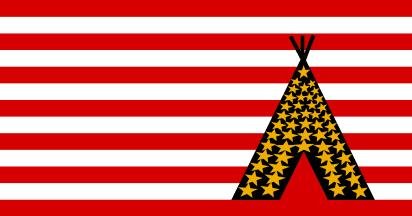
The timing mattered. In November 1969, the same year the book appeared, Native activists occupied Alcatraz Island in San Francisco Bay. The American Indian Movement was growing. Native writers, lawyers and activists were calling for self-determination, and many drew on Deloria’s work.
Sources describe the book as important to what became known as the Red Power movement, and it has been displayed in the National Museum of the American Indian. It remains one of the most significant nonfiction books by a Native American author.
What Happened Next
Deloria went on to write more than twenty books, including God Is Red in 1973. He earned a law degree in 1970 and taught at several universities, where he helped start the country’s first master’s program in American Indian studies, at the University of Arizona. In 1974 he was the first defense witness at the Wounded Knee trials, after the 1973 occupation, and the judge admitted the 1868 Fort Laramie Treaty as evidence. He also supported treaty fishing rights in Washington State, which helped lead to the Boldt Decision.
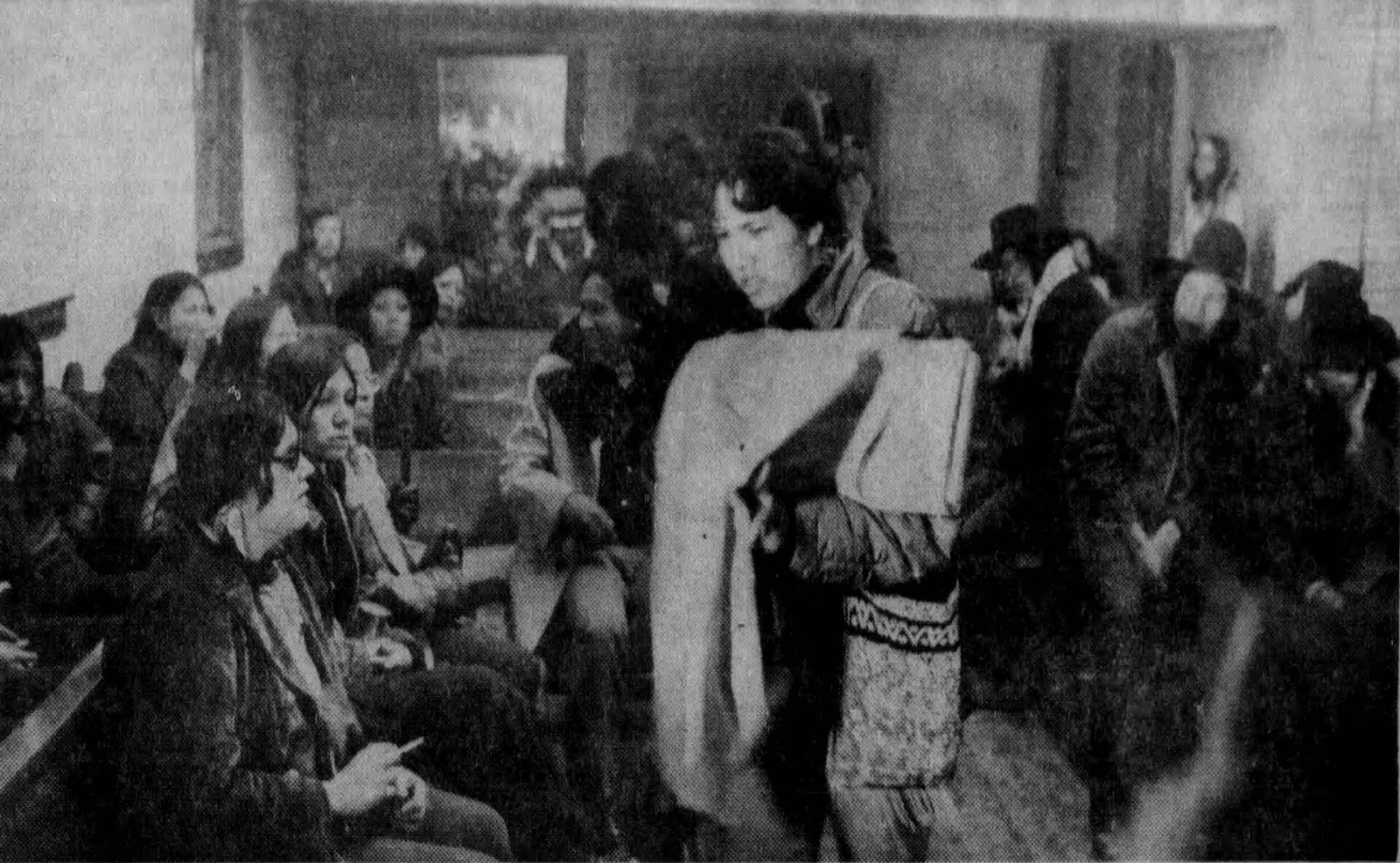
He died on November 13, 2005, at age 72. In 2018 he was inducted into the National Native American Hall of Fame.
The Criticism
Deloria was not without critics. In later books, especially Red Earth, White Lies in 1995, he rejected the mainstream scientific account of how the Americas were first settled. Scholars including Bernard Ortiz de Montellano and H. David Brumble argued that some of his claims were pseudoscience. That later work is separate from the 1969 book, but it is part of the debate over his legacy.
Why It Still Matters
Many of the things the book mocked are still with us: the Indian princess grandmother, the mascots, the idea that Native people belong to the past. The title is still a joke that makes people stop and think. And Custer, who has been the center of the American story of the West for 150 years, was the one Deloria chose to put on the cover.
Related Stories
- How Crazy Horse Destroyed Custer’s Command At The Little Bighorn
- Who Really Killed Custer? His Two Wounds And The Conflicting Accounts
- 10 Things You Didn’t Know About George Armstrong Custer
- Crazy Horse Vs. Red Cloud: The Rivalry Inside The Lakota Nation
- 10 Native American Warrior Women History Forgot