Between 1778 and 1871, the United States Senate ratified about 370 treaties with Native nations. A treaty is a promise between two governments, and the U.S. Constitution calls treaties the “supreme law of the land.”
Yet many tribes and historians say the U.S. broke or ignored most of them. Land was taken. Payments were late or never came. Reservations were cut down after gold or settlers arrived.
But not every promise was broken. A few treaties were honored, some from the start and some only after a court made the government keep its word. Here is a short list.
1. The Treaty Of Canandaigua (1794)
This treaty was signed in Canandaigua, New York, between the United States and the Haudenosaunee, or Six Nations. It was negotiated for President George Washington by Timothy Pickering, and it is also called the Pickering Treaty or the “Calico Treaty.”
The United States promised to respect Haudenosaunee lands, and it promised an annual payment. The treaty’s text sets that payment at $4,500, to be spent every year “forever” on clothing and other goods. According to the Haudenosaunee and other sources, the United States still delivers it today, in the form of treaty cloth, and the Haudenosaunee gather each November 11 in Canandaigua to remember the agreement.

It is not a perfect record. The Haudenosaunee lost large amounts of land in the decades after 1794, and many of their leaders say the treaty was violated many times. But it is one of the oldest treaties that both sides still treat as valid.
2. The Navajo Treaty Of 1868 (Bosque Redondo)
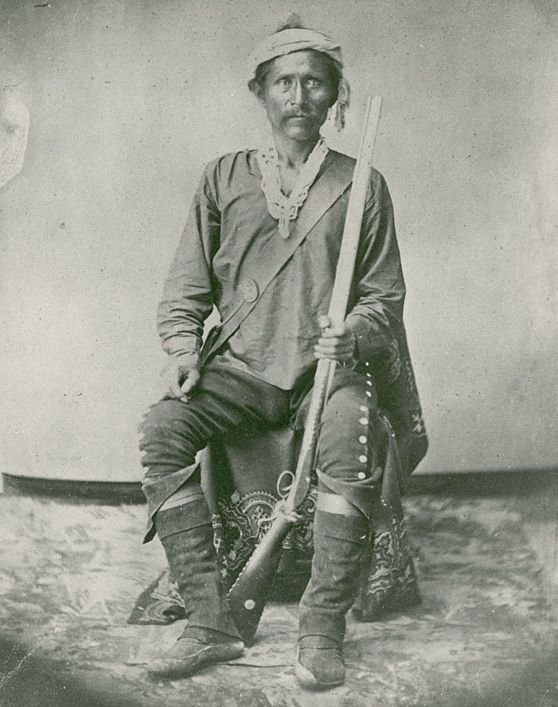
In 1864, the U.S. Army forced thousands of Navajo to walk about 300 miles to Bosque Redondo in New Mexico. It is remembered as the Long Walk. Many people died there of hunger and disease.
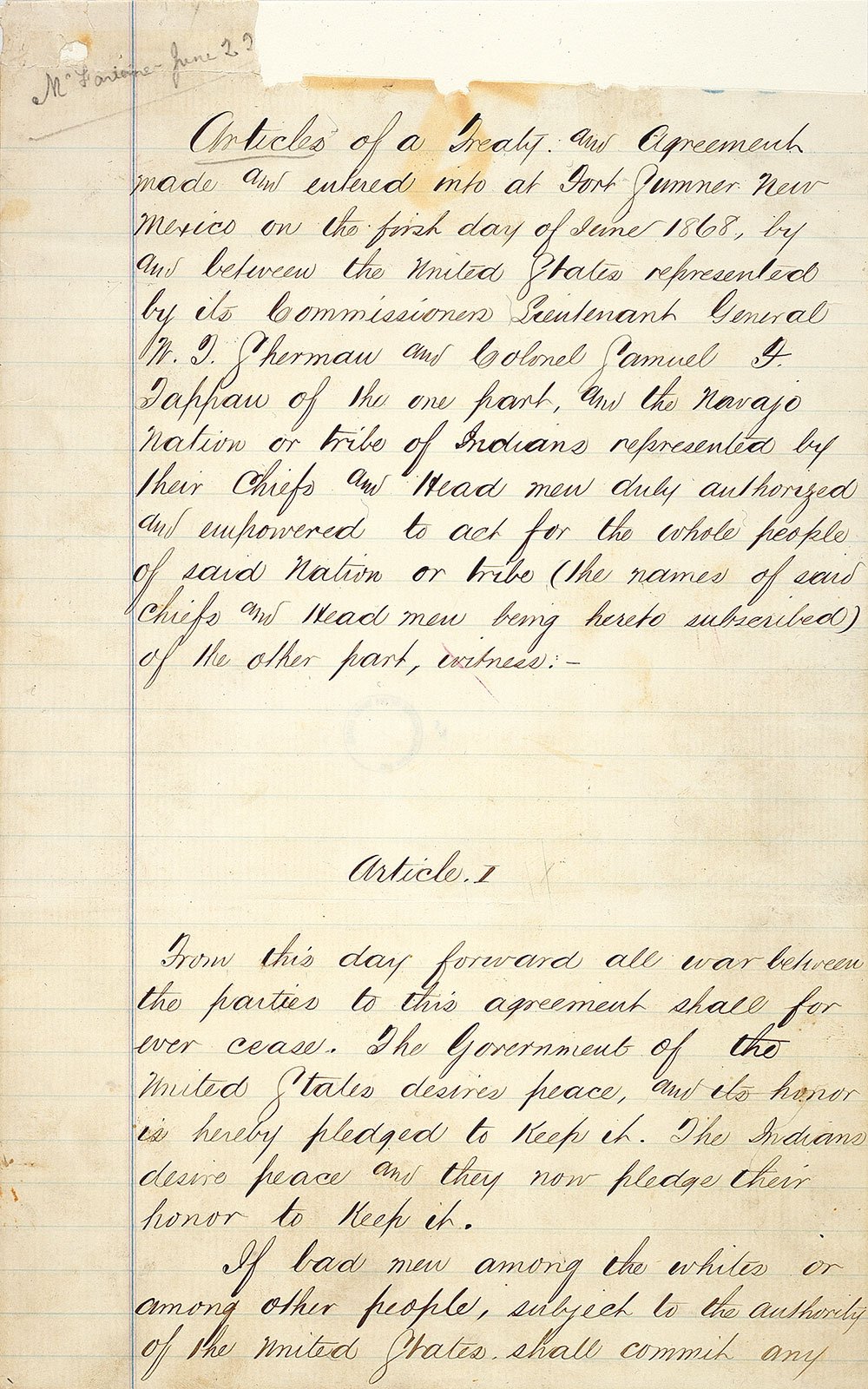
In 1868, General William T. Sherman and the Peace Commission came to Fort Sumner to negotiate. Sherman wanted to move the Navajo to Indian Territory, in present-day Oklahoma. But the Navajo leader Barboncito pleaded for a return home. The commissioners agreed.
The treaty was signed on June 1, 1868. It let the Navajo go back to their homeland, between four sacred mountains, on a reservation of about 5,300 square miles. Not every promise in the treaty was kept, and the reservation was later enlarged. But the Navajo people did return home, which is rare among removal-era treaties.
3. The Medicine Creek Treaty And The Fishing Treaties Of The Northwest (1854-55)
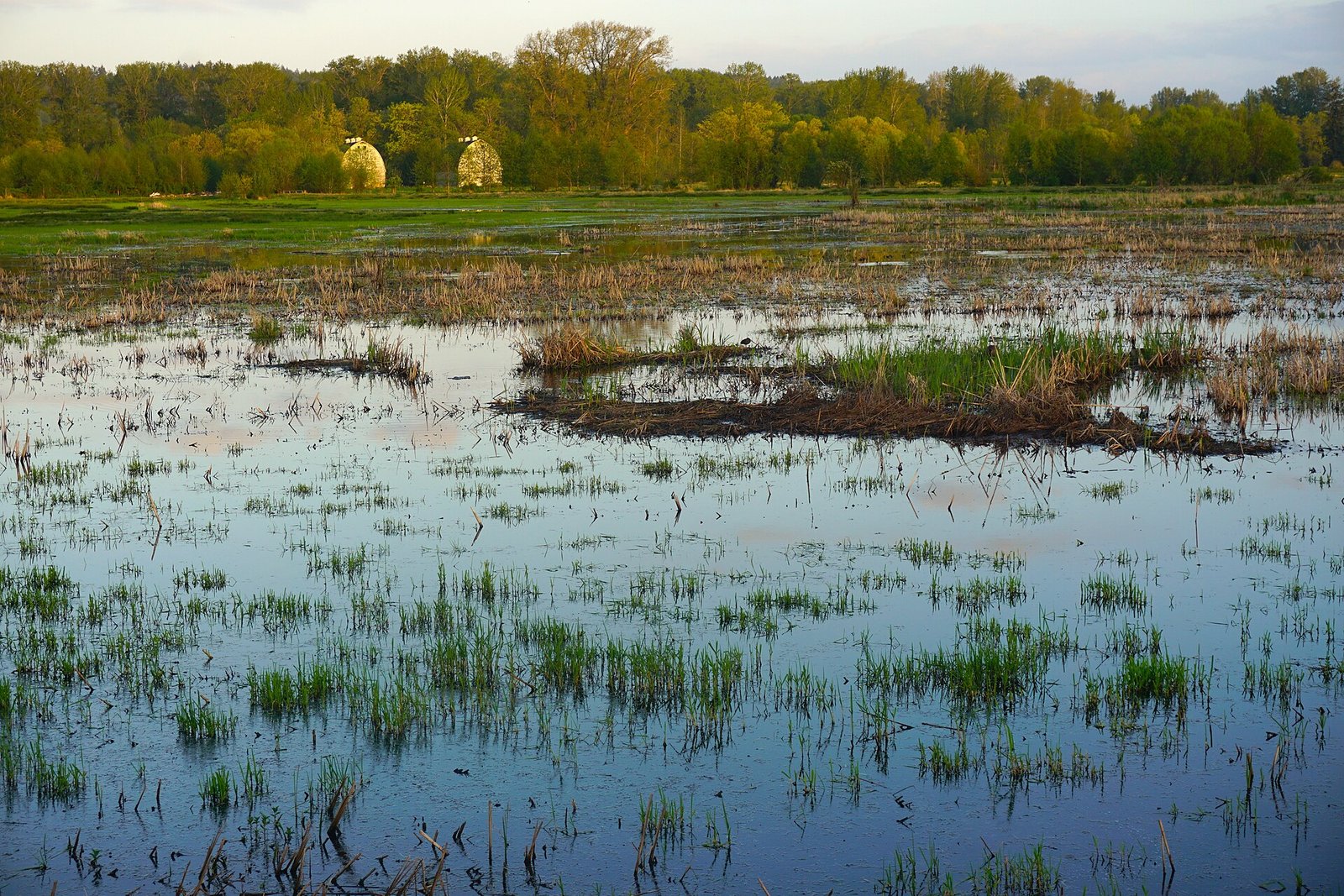
In the mid-1850s, Governor Isaac Stevens signed a series of treaties with tribes in Washington Territory, beginning with the Medicine Creek Treaty of 1854. The tribes gave up much of their land, but they kept the right to fish “in common with” the settlers.
For about a century, Washington State largely ignored that promise. Tribal members were arrested for fishing in their traditional waters. In the 1960s and 1970s, leaders such as Billy Frank Jr. of the Nisqually Tribe staged “fish-ins” and went to jail to defend the treaty right.
In 1974, in a case called United States v. Washington, Judge George Boldt ruled that the treaties guaranteed the tribes a share of the fish. In 1979, the U.S. Supreme Court agreed, 6 to 3, in Washington v. Washington State Commercial Passenger Fishing Vessel Association. The court held that the tribes were entitled to a fair share of each run, up to as much as half, to provide a moderate living.
This treaty was honored, but only after more than 100 years and decades of court fights.
4. The Treaty Of Wolf River (1854) And The Menominee
In the 1950s, Congress passed a law ending the federal recognition of the Menominee Tribe in Wisconsin. The state then argued that the Menominee had lost their hunting and fishing rights under their 1854 treaty.
In 1968, the Supreme Court disagreed. In Menominee Tribe v. United States, it held that the treaty rights had survived, because Congress had not clearly said it was ending them. The tribe’s federal recognition was restored in 1973.
5. The Creek Treaties And McGirt v. Oklahoma (2020)
In the 1830s, the Muscogee (Creek) Nation was forced from the Southeast to what is now Oklahoma. The U.S. signed treaties promising the Creek a permanent homeland there.
For more than a century, Oklahoma acted as if that reservation no longer existed. In July 2020, in McGirt v. Oklahoma, the Supreme Court ruled, 5 to 4, that Congress had never ended it. Only Congress can do that, the court said, and it must say so clearly. The decision held that the promises in the Creek treaties still stood.
A Pattern
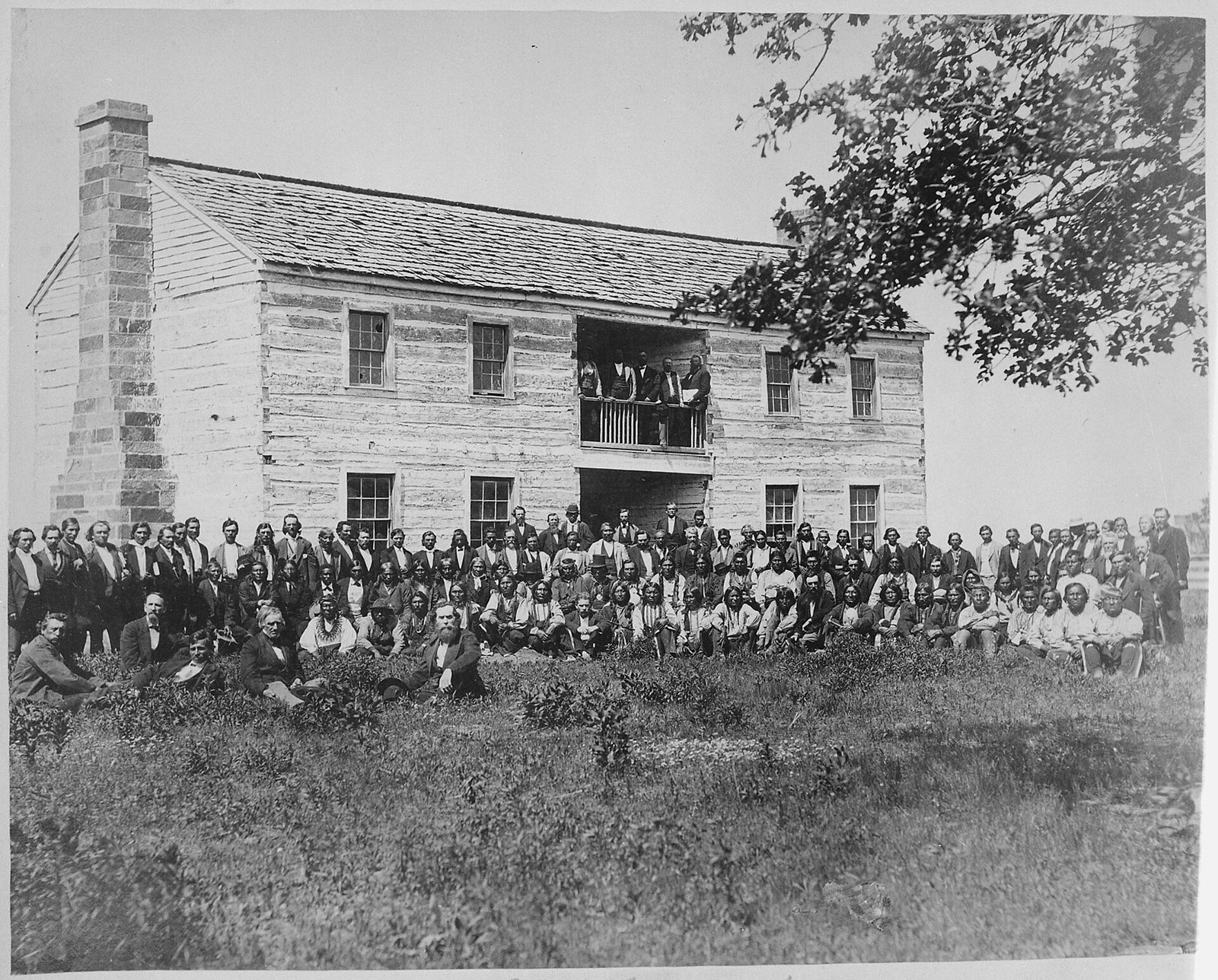
These stories share a pattern. Most of the treaties that were honored were honored late, and only because Native nations went to court or protested for years. That is the other side of the story told in Red Cloud’s War, where the United States signed a treaty in 1868 that promised the Lakota the Black Hills. Within a decade, gold was found there and the treaty was broken. In 1980, the Supreme Court ruled that the Black Hills had been taken illegally.
The words of a treaty do not enforce themselves. When they have been kept, it is usually because Native nations insisted that the United States do what it had promised.
Related Stories
- 10 Things Hollywood Got Wrong About Native Americans
- 10 Powerful Quotes From Native American Leaders, And What Was Happening When They Said Them
- Lincoln, Grant, Sherman And Custer: 4 American Heroes And The Records Textbooks Skip
- How Crazy Horse Destroyed Custer’s Command At The Little Bighorn
- What If Custer Had Won at Little Bighorn?