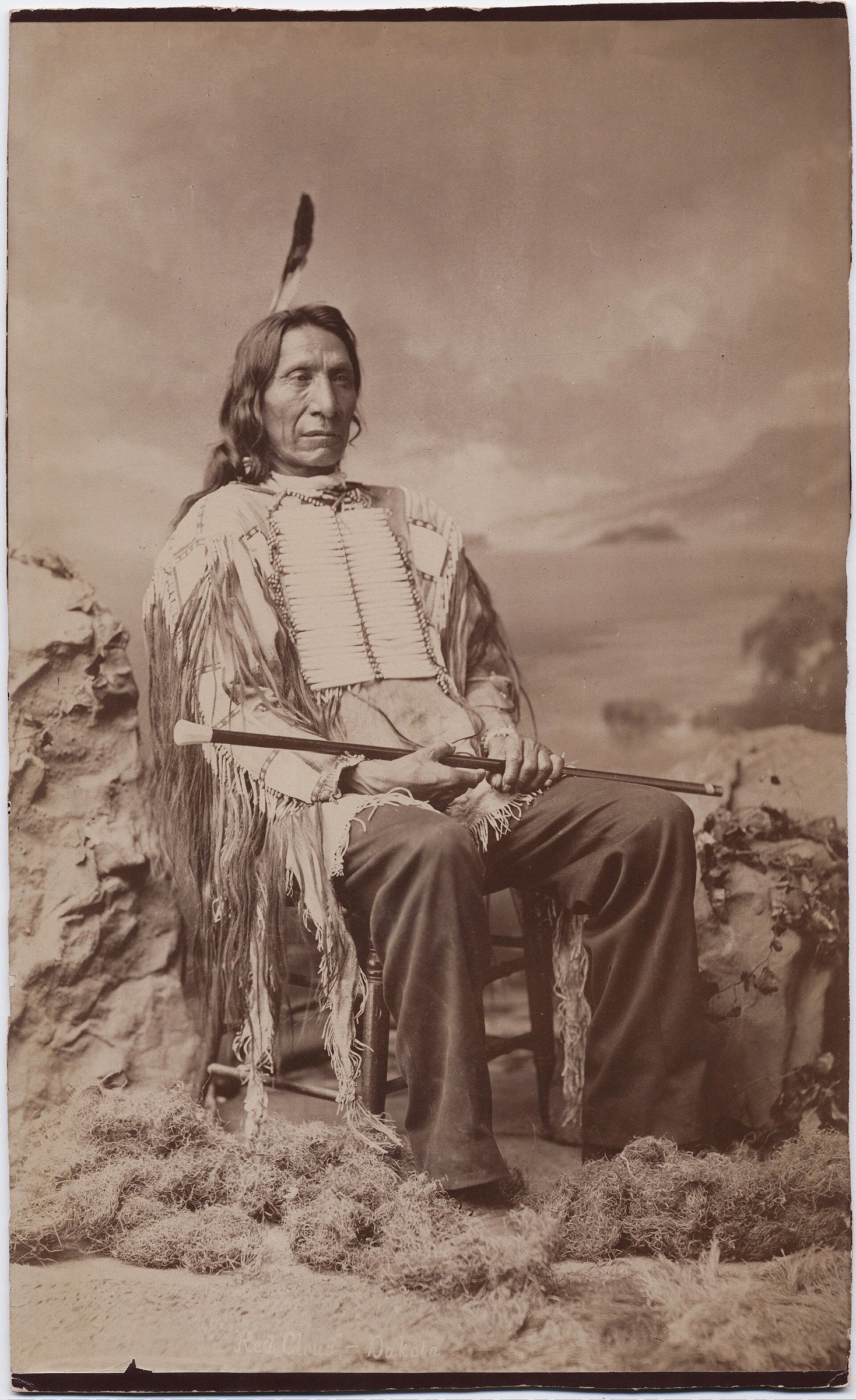
In the summer of 1868, U.S. soldiers marched out of three forts in the Powder River country of Wyoming and Montana. Behind them, the forts were set on fire.
The Army did not often walk away from a fight on the Great Plains. But it did here. The conflict is known as Red Cloud’s War, and many historians count it among the few wars in which Native forces got almost exactly what they demanded.
A Road To The Gold Fields
In 1863, a guide named John Bozeman blazed a shortcut to the new gold mines of Montana. The Bozeman Trail ran north through the Powder River country, hunting grounds of the Lakota, Northern Cheyenne and Arapaho. Jim Bridger, the famous mountain man, warned against opening a road through that land.
Tensions were already high. In November 1864, Colorado volunteers attacked a peaceful Cheyenne and Arapaho camp at Sand Creek. Survivors fled north to the Powder River country, where Lakota, Cheyenne and Arapaho bands gathered in large camps. In 1865, the Army sent the Powder River Expedition into the same country. It was poorly run, lost many animals to bad weather, and accomplished little.
The Council That Fell Apart
In the summer of 1866, government commissioners called Lakota leaders to Fort Laramie to talk about safe passage on the Bozeman Trail. At the same moment, Colonel Henry B. Carrington arrived with about 700 soldiers, headed for the Powder River country to build forts along the trail.
Red Cloud, an Oglala leader, saw what that meant. The Army was moving in before the Lakota had agreed to anything. He refused to sign, left the council, and went north to prepare for war.
Three Forts Under Siege
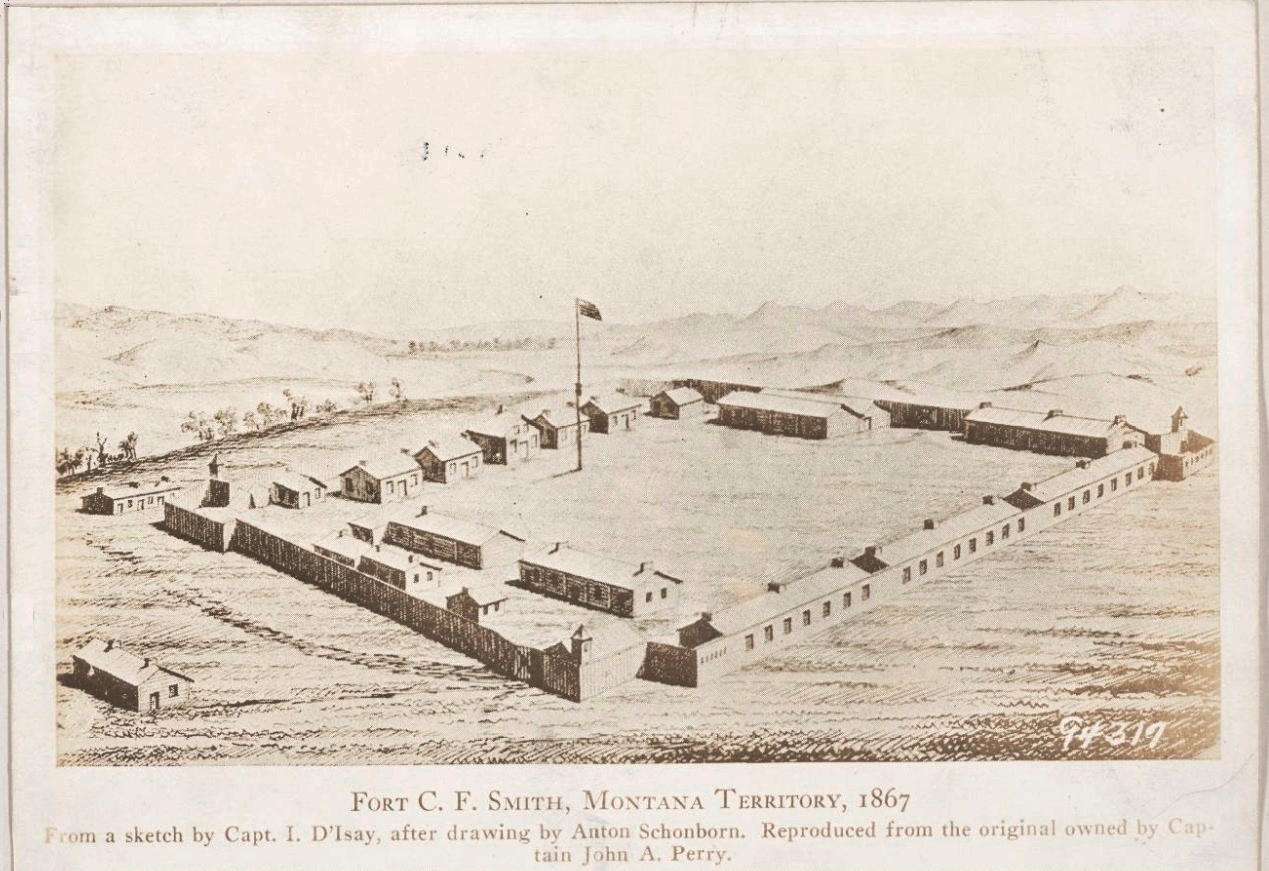
Carrington built three posts along the trail: Fort Reno in the south, Fort Phil Kearny in the middle, and Fort C. F. Smith in Montana Territory, the farthest north. Warriors led by Red Cloud, with Cheyenne and Arapaho allies, struck wagon trains and herds and kept the soldiers pinned inside.
Fort Phil Kearny was hit hardest. Its soldiers had to send wood trains out into the hills every day to cut timber, and the warriors attacked them again and again. Before long, the fort was almost under siege.
The Fetterman Fight
On December 21, 1866, a small group of warriors, including a young Crazy Horse, attacked a wood train outside Fort Phil Kearny. Captain William J. Fetterman led out a relief party of about 80 men. Carrington said he had ordered them not to cross Lodge Trail Ridge, but the decoys drew them on.
On the far side, hundreds of warriors were waiting. Within about half an hour, Fetterman and every man with him were dead. At the time, it was the worst defeat the Army had suffered on the Plains. Read the full story of the Fetterman Fight.
After the fight, a civilian scout named John “Portugee” Phillips rode about 236 miles through winter weather to Fort Laramie to carry the news. Help did not reach Fort Phil Kearny until January.
The Wagon Box Fight
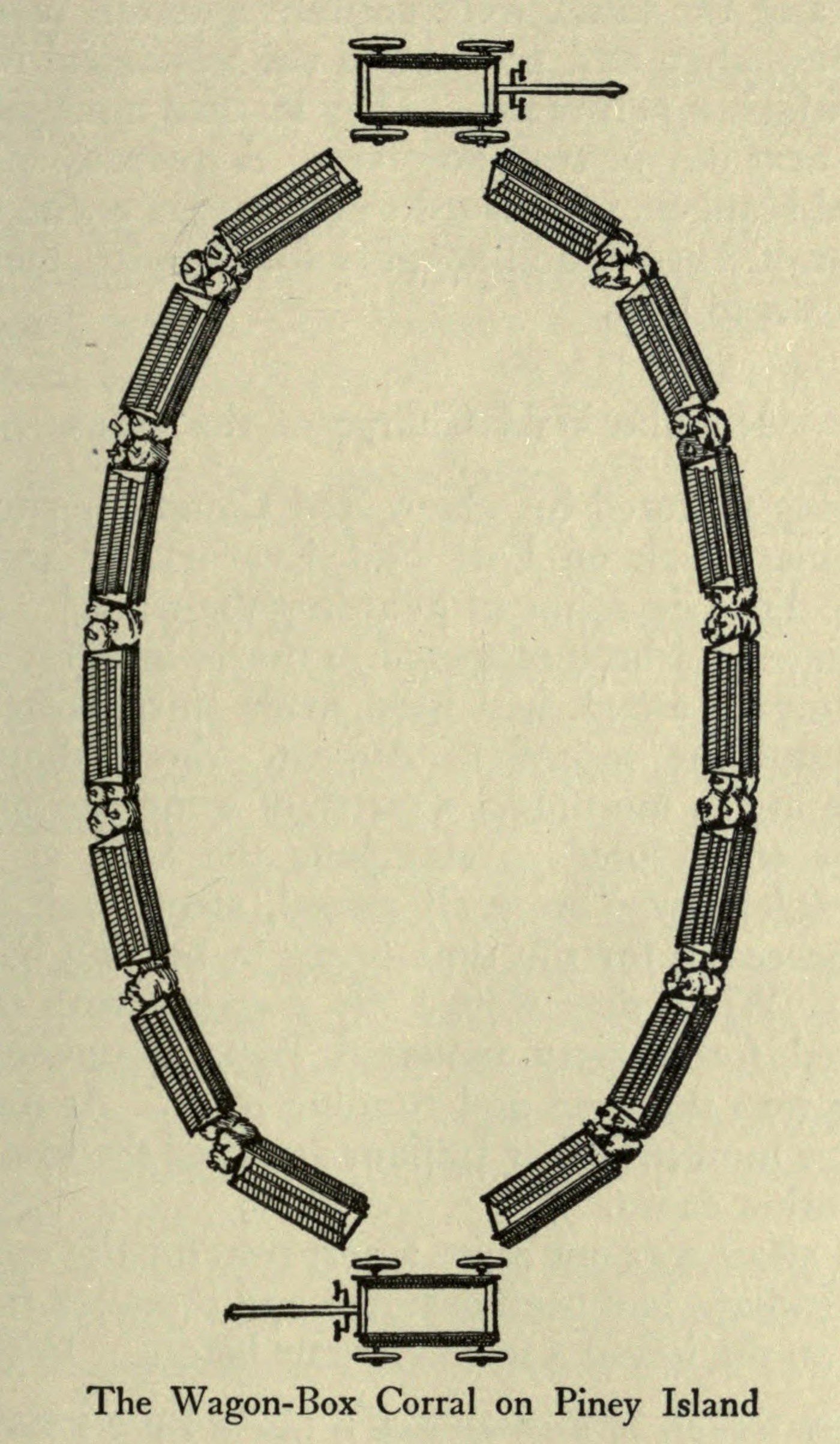
In August 1867, the Army answered with new weapons. On August 2, warriors attacked a woodcutting party a few miles from Fort Phil Kearny. Thirty-two men took cover inside a corral of wagon boxes, and fired new breech-loading rifles that could be reloaded much faster than the old muzzle-loaders. The Army lost four men. Native casualties are disputed: the Lakota counted six dead, while army estimates ran from dozens to more than a thousand.
A day earlier, a smaller group had held out against a large force near Fort C. F. Smith in the Hayfield Fight. The two fights showed that the Army could hold its ground with better weapons. But they did not open the Bozeman Trail. Holding a few forts was one thing. Keeping the road safe for thousands of miners was another.
Why The Army Gave Up
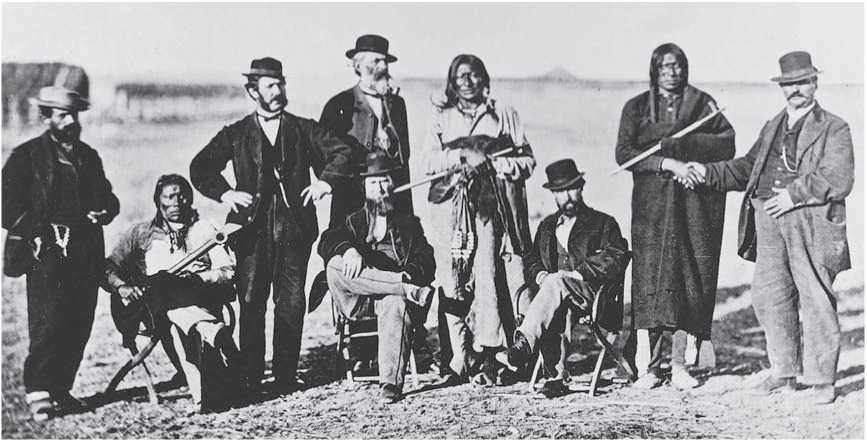
By 1868, Washington had reasons to quit. The forts were expensive and hard to supply. The Union Pacific Railroad was building across southern Wyoming and offered a safer route to the West than the Bozeman Trail. The government sent a peace commission, which included General William T. Sherman, to Fort Laramie.
Red Cloud refused to meet them until the Army left the forts. In the summer of 1868, the soldiers left. According to accounts, Cheyenne warriors burned Fort Phil Kearny as the troops marched away. In November 1868, Red Cloud finally came to Fort Laramie and signed the treaty.
What The Treaty Promised
The Treaty of Fort Laramie of 1868 closed the Bozeman Trail and set aside a large reservation, the Great Sioux Reservation, which included the Black Hills. It also recognized the Powder River country as unceded hunting ground, where no white settlers could enter without the Lakota’s consent. For the Lakota, it was a rare victory over the U.S. government.
The Promise That Did Not Last
The peace lasted less than a decade. In 1874, an army expedition led by Custer found gold in the Black Hills, and miners poured in despite the treaty. When the Lakota refused to sell, the Army moved in. Two years later, the Great Sioux War began, and with it came the Little Bighorn.
Red Cloud himself never fought again. He spent the rest of his life dealing with the government on behalf of his people. His rival, Crazy Horse, took a different path. Read about their rivalry.
Red Cloud’s War proved that the Lakota could stop an American army. What the treaty could not do was stop the demand for their land.
Related Stories
- St. Clair’s Defeat Vs. Custer’s Last Stand: Which Was Worse? Counting The Dead Side By Side
- How Bad Was The Fetterman Fight? The Day 81 U.S. Soldiers Rode Into A Trap
- How Crazy Horse Destroyed Custer’s Command At The Little Bighorn
- Iron Hawk’s Account Of Custer’s Last Stand: A Teenage Lakota Warrior Tells What He Saw
- 10 Powerful Quotes From Native American Leaders, And What Was Happening When They Said Them