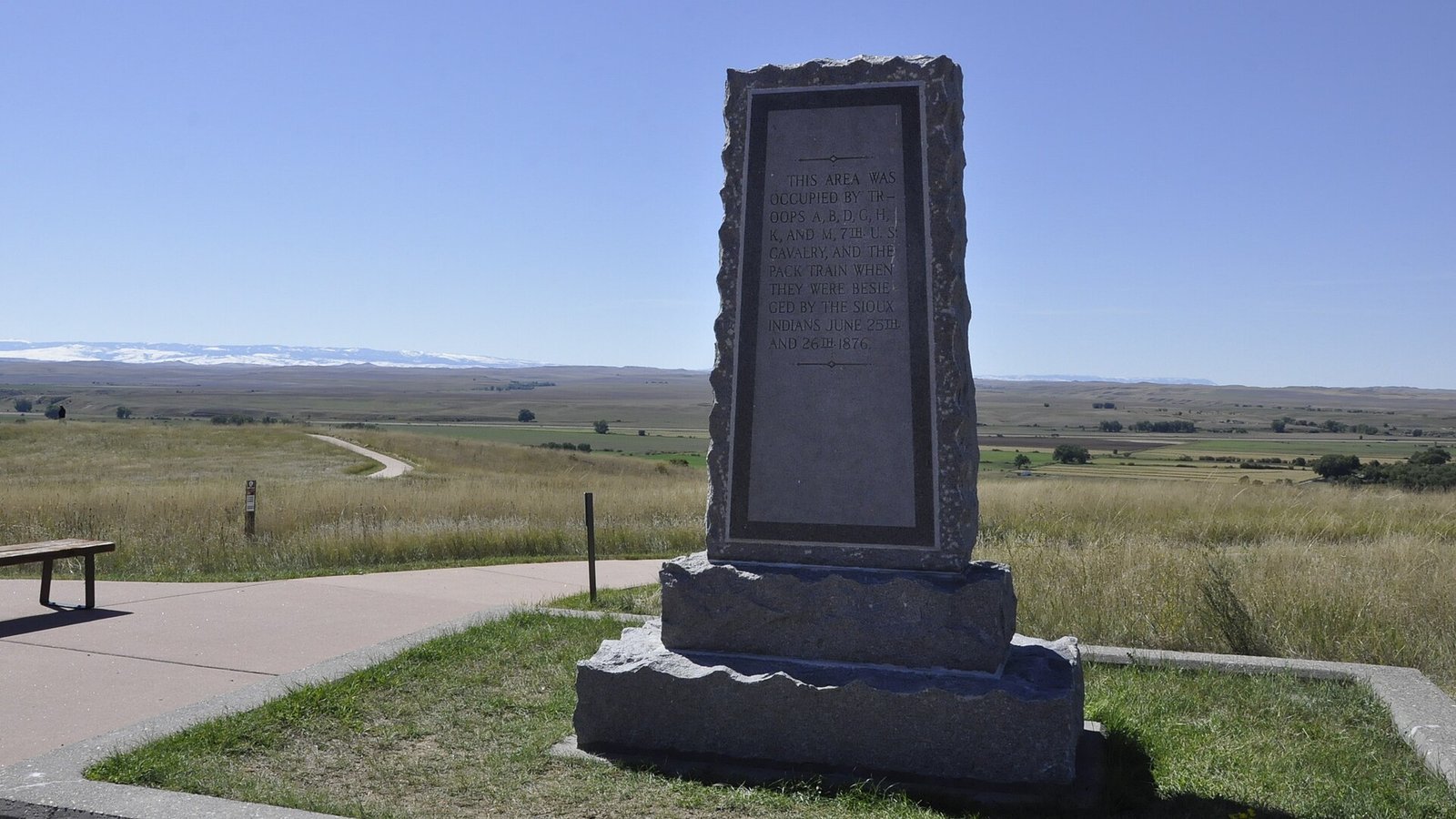
When the smoke cleared on June 27, 1876, the Army counted its dead. Custer and every man with him were gone. But on a hilltop four miles away, soldiers of the 7th Cavalry were still alive.
They had survived because Major Marcus Reno and Captain Frederick Benteen had held a hill, not because they had won a fight. And for the rest of their lives, the survivors were asked the same question: why didn’t you reach Custer?
Here is what became of three of them.
Major Marcus Reno: Cleared, Then Dismissed
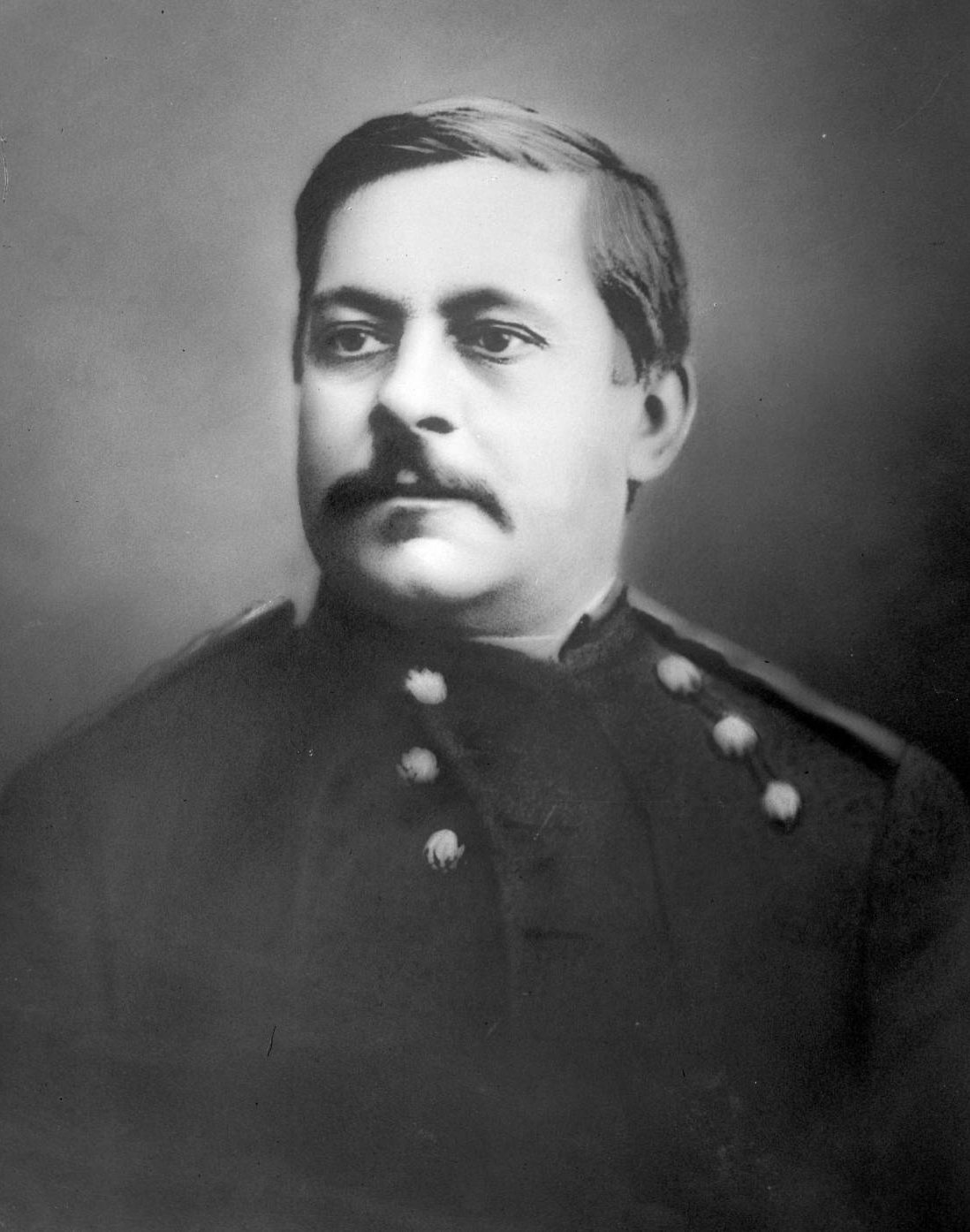
Reno led the first attack on the village, and when it collapsed, he led the retreat across the river to the bluffs. Some officers accused him of cowardice and, privately, of drinking. In 1879, at his own request, an Army Court of Inquiry met in Chicago. It heard most of the surviving officers over 26 days. In the end, the Judge Advocate General advised that Reno be cleared of cowardice and said that the suspicion that his failure to help Custer caused Custer’s death was laid to rest.
The ruling did not change public opinion. Some enlisted men later said they had been pressured to give favorable testimony.
Reno’s career was already in trouble. In 1877, a court-martial found him guilty of unwanted advances toward the wife of another officer, Captain James Bell. He was ordered dismissed, and President Hayes reduced the sentence to a two-year suspension. In 1880, while commanding at Fort Meade in Dakota Territory, he was convicted of conduct unbecoming an officer, including a physical assault on a junior officer. This time, he was dismissed from the Army on April 1, 1880.
Reno moved to Washington, D.C., where he worked as a pension examiner and spent years trying to win his rank back. He married in 1882, but the marriage failed, and he filed for divorce in 1889. That year he was diagnosed with oral cancer. He died in Washington on March 30, 1889, at age 54.
A Burial Delayed By 78 Years
Reno was buried first in a Washington cemetery, since no room could be found in a family plot. In the 1960s, one of his great-nephews asked the Army to review the 1880 court-martial. A military review board reversed it, ruled that the dismissal had been improper and granted an honorable discharge. On September 9, 1967, Reno was reburied with military honors at Custer National Cemetery, on the Little Bighorn battlefield. He is the only participant in the battle buried there with such honors.
Elizabeth Custer never forgave him. In 1926, according to one account, she called him “the one coward of the regiment” and opposed a memorial to him on the field.
Captain Frederick Benteen: The Man Who Did Not Go
Benteen commanded the part of the regiment that Custer sent off on a scout away from the village. When he finally met Reno on the hill, he stayed and helped to defend it. Critics have argued ever since that he should have ridden at once to Custer. Defenders say he could not have abandoned the wounded and the pack train. In 1879, at the Court of Inquiry, he said he was “not allowed to turn loose on Custer.” Many of his fellow officers considered him utterly reliable.
Benteen went on to fight in the Nez Perce campaign in 1877. At Canyon Creek in Montana, his men charged several times, but the Nez Perce escaped. In 1883, he was promoted to major in the 9th Cavalry, a Black regiment. In 1887, while building Fort Duchesne in Utah, he was convicted by court-martial of drunk and disorderly conduct. President Cleveland reduced the sentence to a one-year suspension at half pay. In 1888, a medical board declared him unfit for duty because of poor eyesight and other illness, and he retired.
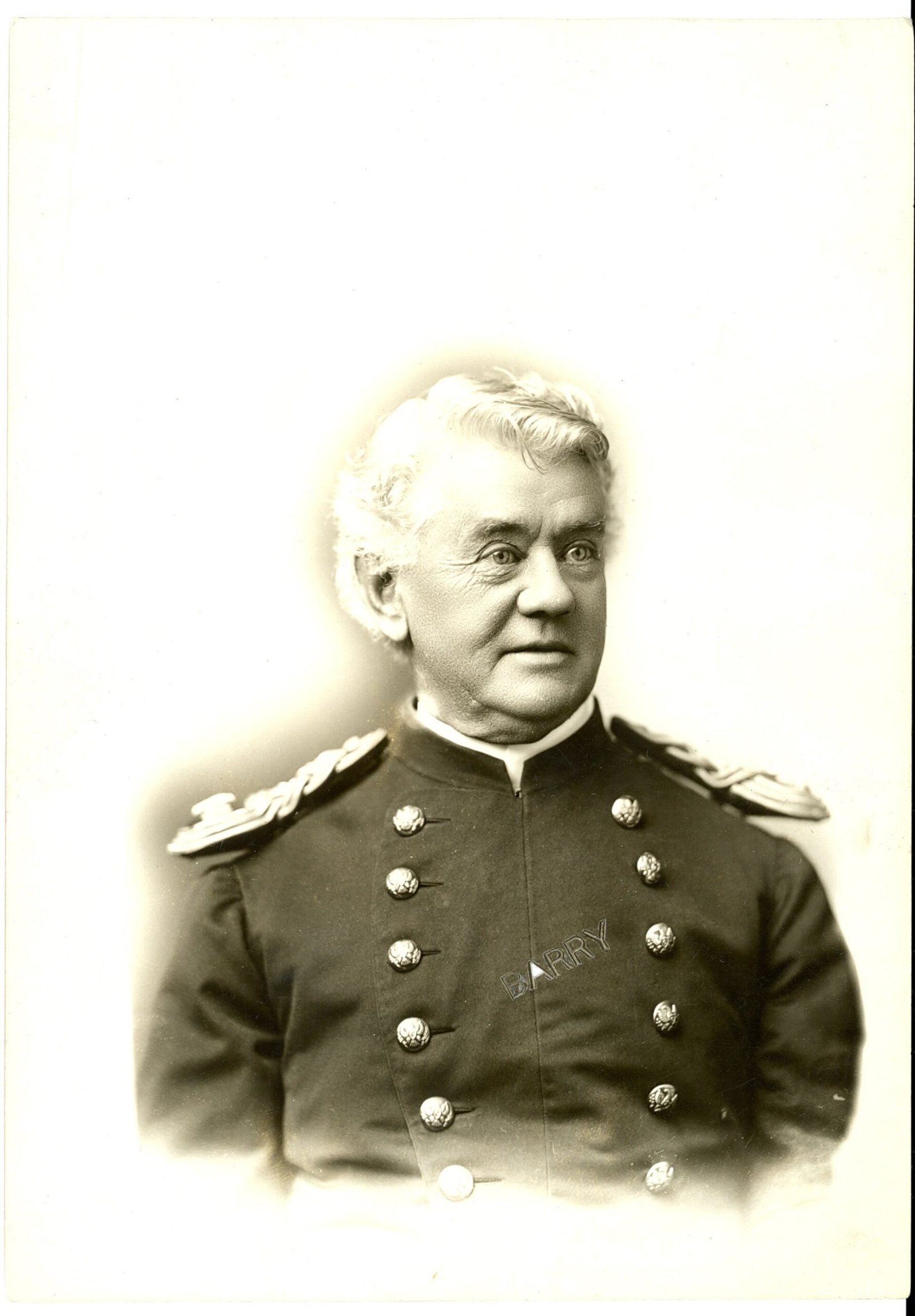
He lived in Atlanta, Georgia, and died there on June 22, 1898, at age 63. In 1890, he was awarded the rank of brevet brigadier general for his actions at Canyon Creek and at the Little Bighorn. He was first buried in Atlanta and later reburied at Arlington National Cemetery.
Benteen never stopped quarreling with Custer’s widow Libbie, who spent decades defending her husband’s name. Their dispute is one of the reasons the survivors’ accounts still disagree.
Sergeant Charles Windolph: The Last Veteran
Windolph‘s story is quieter. He was a German immigrant who had joined the 7th Cavalry in 1872. At the Little Bighorn he fought on Reno Hill with Company H, and he was wounded. On October 5, 1878, he received the Medal of Honor for helping to hold a position that secured water for the wounded during the battle. You can read his own account in Charles Windolph’s Shocking Account.
He was discharged as a sergeant in 1883 and moved to Lead, in the Black Hills of South Dakota. For 49 years, he worked at the Homestake Mine. In 1947, in his nineties, he told his story to the writer Frazier Hunt, who published it as I Fought With Custer.
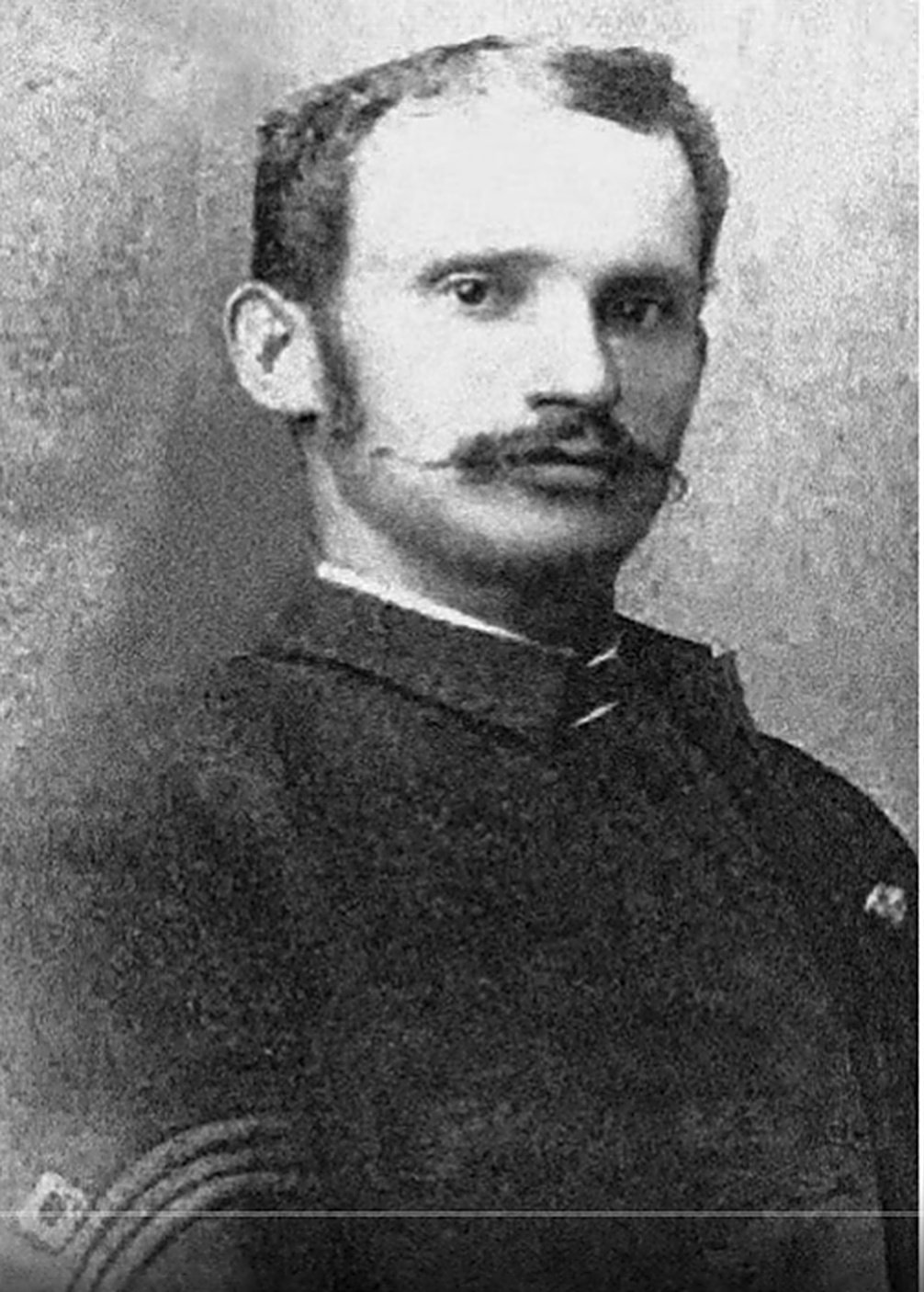
Windolph died on March 11, 1950, at age 98. He is buried at the Black Hills National Cemetery and is described as the last of the white participants in the battle.
Three Men, Three Verdicts
Reno was cleared of cowardice, but his life collapsed anyway, and he was not honored until 78 years after his death. Benteen was a hero of the hilltop, a soldier who retired after a court-martial, and he was never forgiven by Custer’s admirers. Windolph spent his life in a mine and outlived nearly everyone who was there.
None of them was ever able to say what happened to Custer, because they never saw it. What they could say was what the Little Bighorn had cost the men who lived. For the Native side of the story, read Red Horse’s account and what the warriors knew about Custer.
Related Stories
- Who Really Killed Custer? His Two Wounds And The Conflicting Accounts
- 10 Things You Didn’t Know About George Armstrong Custer
- The Sacred Cheyenne Warning Custer Ignored Seven Years Before The Little Bighorn
- 7 Battles Where Native Nations Defeated The U.S. Army
- Red Cloud’s War: The War The U.S. Army Walked Away From