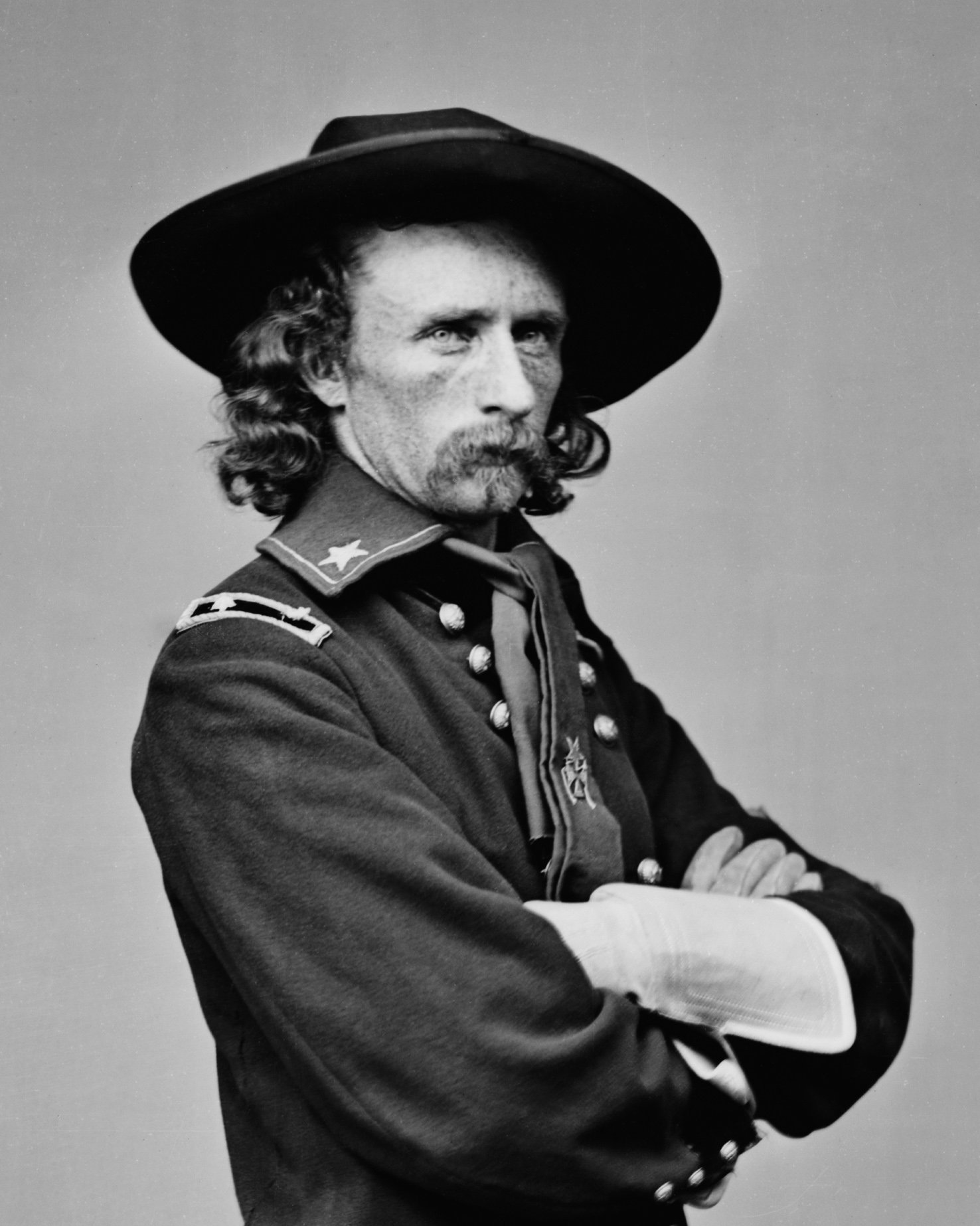
On June 25, 1876, Private Peter Thompson should have died with Custer.
He was riding in Company C of the 7th Cavalry, commanded by Custer’s own brother, Captain Tom Custer. Every man who stayed with that column was killed. But Thompson’s horse gave out. He fell behind, and he lived.
Decades later, he told an astonishing story. He said that after falling behind, he had seen Custer near the river, alive, in the last hour of his life. If he was telling the truth, he was the last white man to see Custer alive. But almost no one believed him.
A Scottish Miner In The 7th Cavalry
Peter Thompson was born in Markinch, in Fife, Scotland, in the early 1850s. His family emigrated to the United States in 1865, and he worked as a coal miner in Pennsylvania before enlisting in the Army in September 1875.
He was assigned to Company C of the 7th Cavalry. Less than a year later, the regiment rode toward the Little Bighorn.
The Horse That Saved His Life
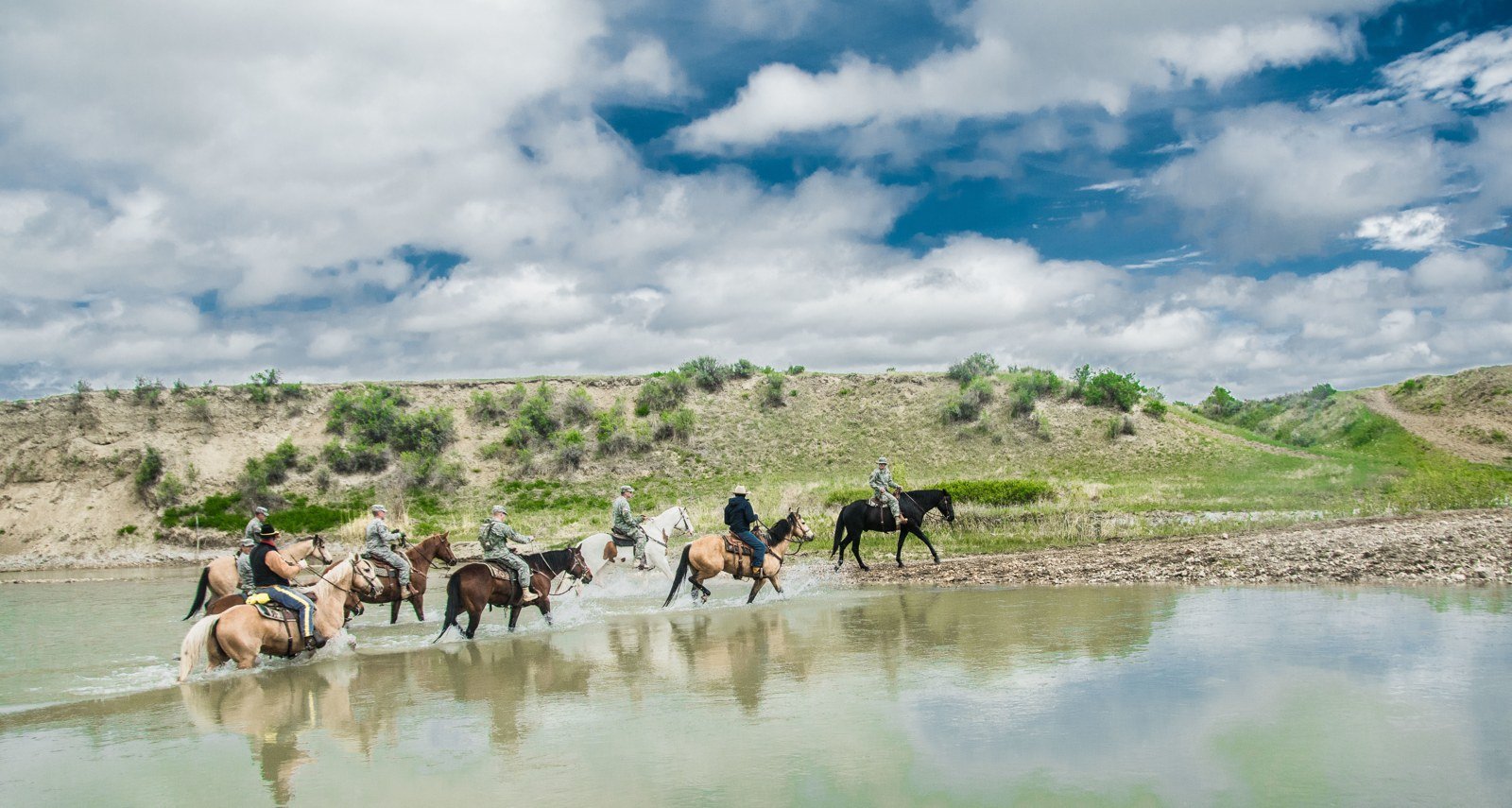
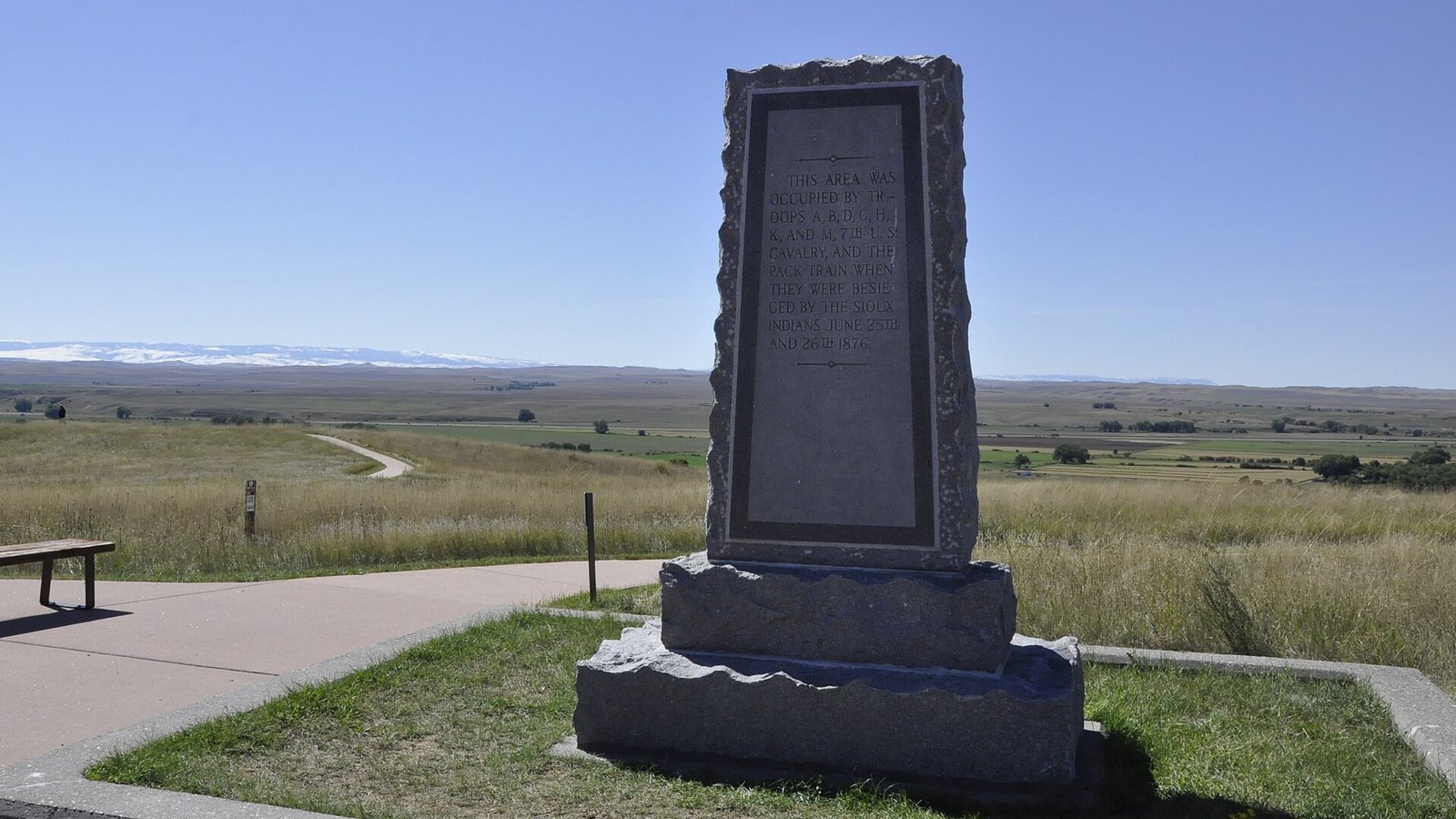
On the afternoon of June 25, Custer led five companies north along the high bluffs above the river, looking for a way to attack the great Lakota and Cheyenne camp. The horses were exhausted after days of hard riding and a night march.
Thompson’s horse, and that of another private, James Watson, could not keep up. The two men dropped behind the column. Their companions rode on over the hills, and out of sight. Within the hour, all of them would be dead.
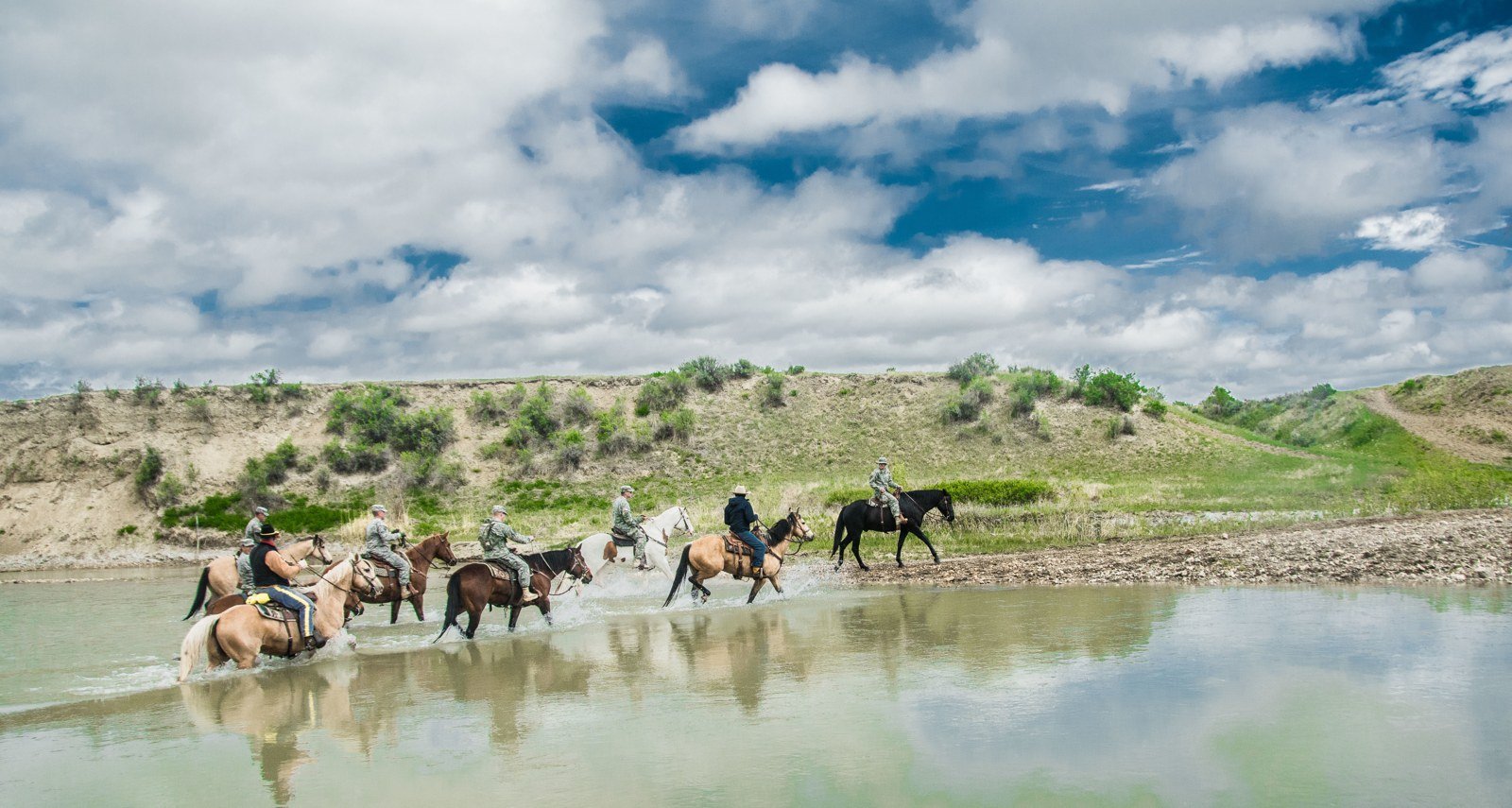
Thompson and Watson did not turn back. According to Thompson, they kept going, trying to catch up, and worked their way down toward the river.
The Strange Account
This is where Thompson’s story becomes strange.
According to his narrative, while he and Watson were searching the riverbank, they came upon Custer himself, with one of his Crow scouts, near the water. In his telling, he also saw the beginning of the fight in which Custer’s command was destroyed, while he hid nearby.
His account includes other details that no one else ever reported, including a scene in which, he said, Custer ordered a captured Lakota woman to be released.
If even part of this were true, it would mean Custer had come down to the river personally, and that Thompson was the last white man to see him alive.
Back To Reno Hill
Thompson and Watson somehow survived the afternoon and eventually reached the hilltop where Major Marcus Reno’s and Captain Frederick Benteen’s men were surrounded.
There, on June 26, Thompson did something no one disputes. With the wounded crying for water, he volunteered to go down the ravine to the river with canteens, under fire from warriors hidden in the brush. He was shot through the hand, and still made two more trips. His Medal of Honor citation says he “voluntarily brought water to the wounded,” and kept going even after he was wounded and his sergeant told him to stop.
“A Liar”?
For decades, Thompson told his story to anyone who would listen. In 1909, the historian Walter Mason Camp interviewed him on the battlefield, but Camp could not make Thompson’s account fit with what other survivors said. In 1913 and 1914, Thompson published a long account of about 26,000 words in a South Dakota newspaper, the Belle Fourche Bee.
Many fellow veterans scoffed. In a 1925 book, a former soldier of the regiment, William Slaper, called him a liar. Thompson could not prove his story, because James Watson, the only other witness, could not be found.
Most historians today do not accept Thompson’s claim that he saw Custer at the river. Accounts by other survivors and by Lakota and Cheyenne warriors do not support it.
But the story has never quite gone away. In 1974, the historian Daniel O. Magnussen published a detailed study of Thompson’s narrative. He concluded that Thompson was probably honest, but that his account was full of errors, perhaps because of the stress of the battle and his wound. And Walter Camp’s own notes, published long after his death, seemed to support some of Thompson’s most controversial details.
The Last Witness?
After his Army service ended in 1880, Thompson settled in the Black Hills, worked at the Homestake Mine in Lead, South Dakota, and later became a rancher in Montana. He married in 1904 and had two children. He died of heart failure on December 3, 1928, in Hot Springs, South Dakota.
Was Peter Thompson the last white man to see George Armstrong Custer alive? Or was he a confused, wounded young soldier whose memories grew stranger with every retelling? More than 150 years later, no one can say for certain.
After reading Thompson’s account, read Charles Windolph’s shocking account of Custer’s Last Stand. Then, meet Curly, the Crow scout, and his disturbing account.