Ask most Americans to name the worst defeat of the U.S. Army by Native warriors, and nearly all will say Custer’s Last Stand.
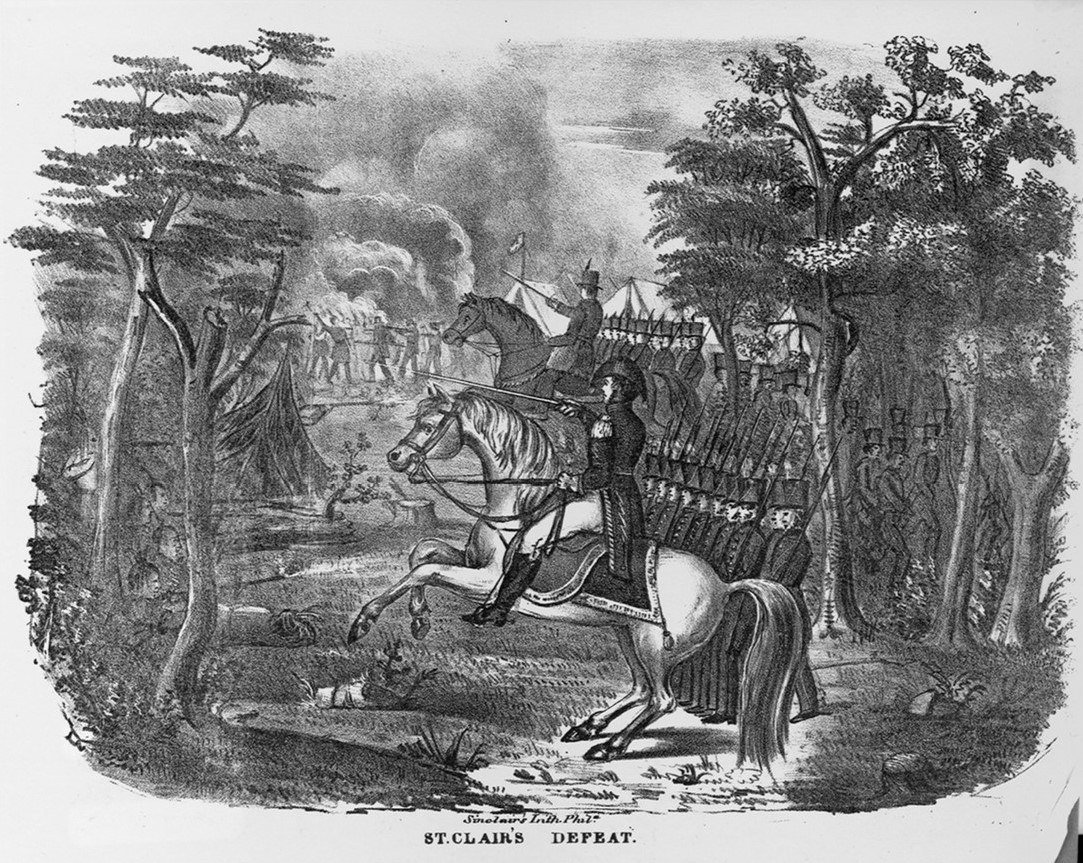
The real answer is a battle most people have never heard of: St. Clair’s Defeat, fought on the Wabash River in 1791. So which was worse? Let’s count.
The Two Battles
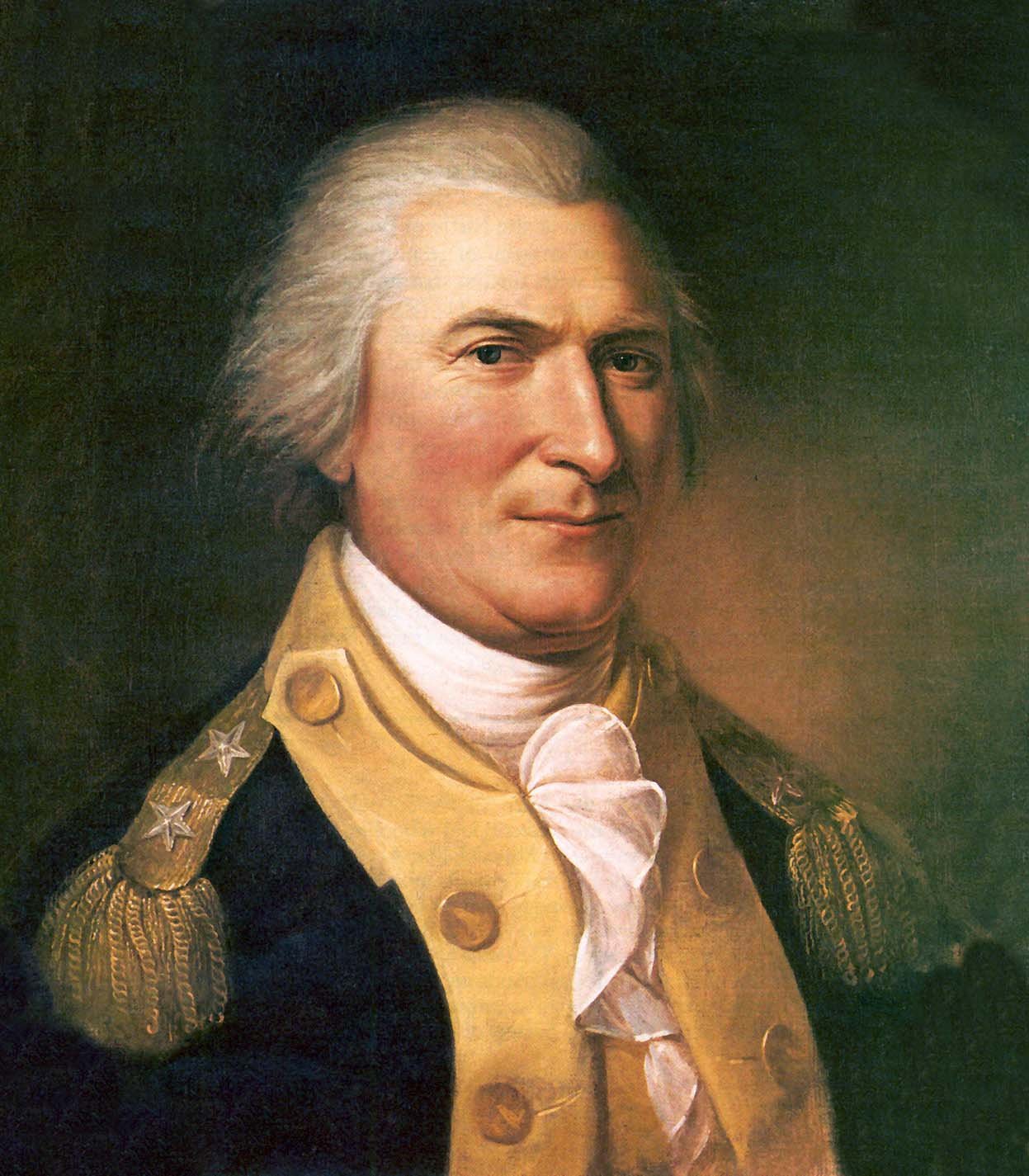
St. Clair’s Defeat (November 4, 1791). General Arthur St. Clair led an army of about 920 soldiers, with some 200 camp followers, into the Ohio country. A Native alliance of more than 1,000 warriors, led by Little Turtle of the Miami, Blue Jacket of the Shawnee and Buckongahelas of the Lenape, surrounded the camp at dawn. After about three hours, the army was broken.
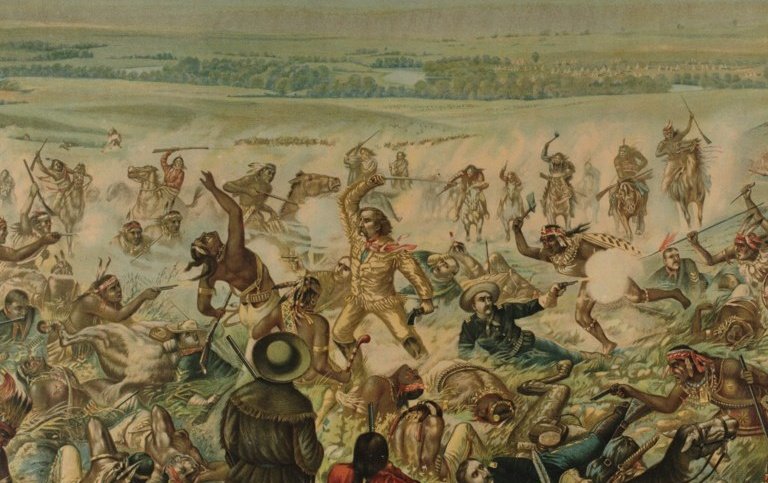
Custer’s Last Stand (June 25, 1876). Lieutenant Colonel George Armstrong Custer led the 7th Cavalry, about 700 men including scouts, against a huge Lakota and Cheyenne camp on the Little Bighorn River. He divided the regiment. Custer and the five companies with him, about 210 men, were killed. Others survived on Reno Hill.
The Numbers, Side By Side
The exact figures for both battles differ from source to source, so these are the commonly cited counts.
| St. Clair’s Defeat, 1791 | Little Bighorn, 1876 | |
|---|---|---|
| American force | about 920 soldiers | about 700 (7th Cavalry, with scouts) |
| Killed | 632 soldiers | about 268 (16 officers, 242 troopers, 10 civilians and scouts) |
| Wounded | 264 | about 55 |
| Officers | 39 of 52 killed, 7 wounded | 16 killed |
| Camp followers | nearly all of about 200 killed or captured | none with the army |
| Native losses | about 21 killed, 40 wounded | estimates from about 31 to 100 killed (disputed) |
| Length | about 3 hours | Custer’s fight about an hour; the whole battle about two days |
| Share of the U.S. Army | about a quarter | one regiment of the Army’s 25 or so regiments |
The Verdict By The Numbers
By almost every count, St. Clair’s Defeat was worse.
- More than twice as many soldiers killed: 632 compared with about 268 at the Little Bighorn.
- About three times Custer’s own command. Custer’s five companies numbered around 210.
- A far higher casualty rate. About 97 percent of St. Clair’s soldiers were killed or wounded, and 88 percent of his officers.
- A bigger loss for the nation. St. Clair lost about a quarter of the entire U.S. Army in one morning.
- A far more lopsided exchange. About 30 Americans died for every Native warrior at the Wabash, compared with roughly 3 to 9 at the Little Bighorn, depending on the estimate.
But Custer’s Command Was Wiped Out
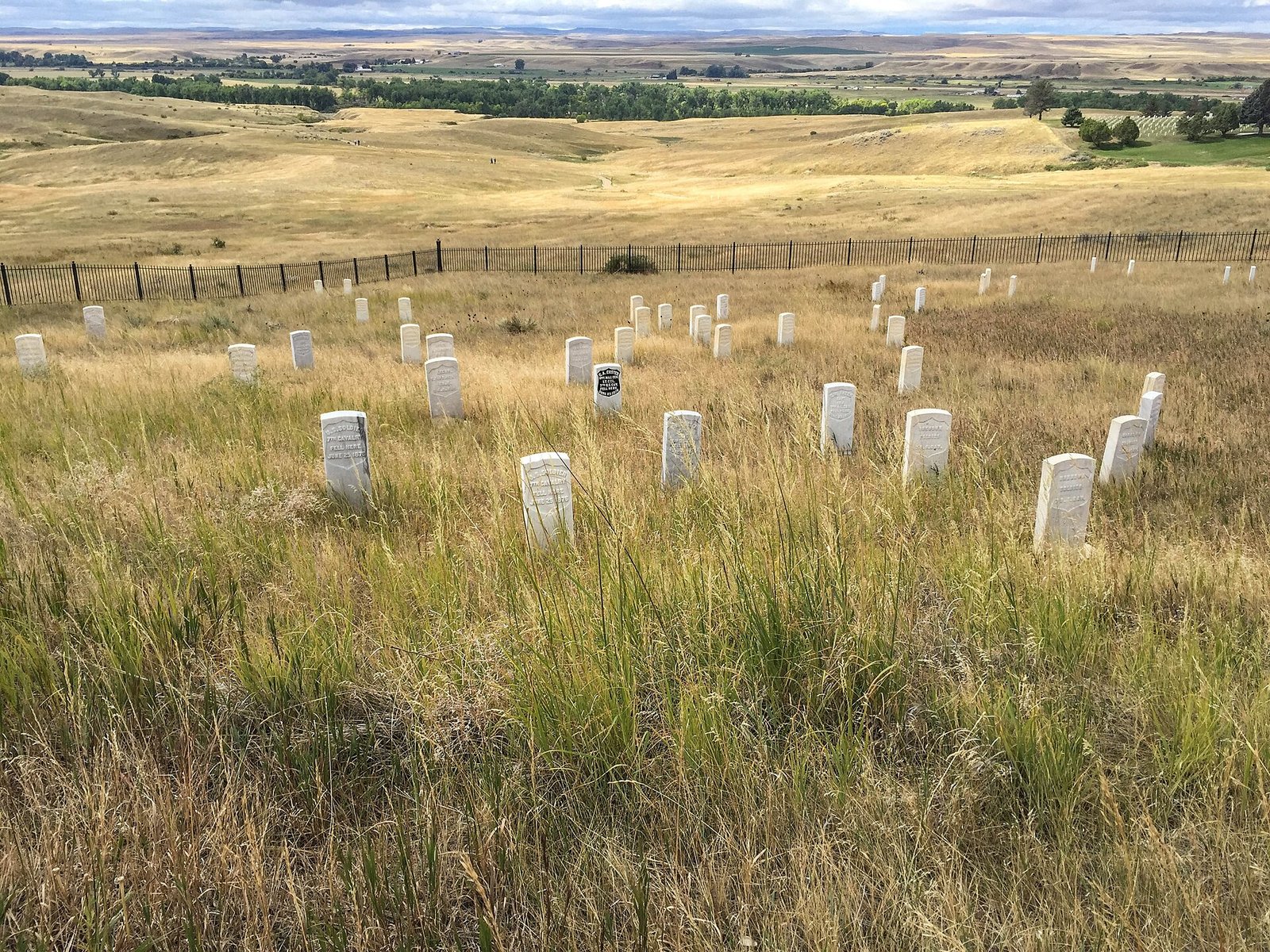
There is one way in which the Little Bighorn was more complete. Every man in Custer’s five companies died. At the Wabash, about 69 percent of the soldiers were killed, and some escaped to tell the story. St. Clair himself survived and later answered to Congress. Custer left no survivors from his command to explain what happened, and that mystery fueled his legend.
So Why Is Custer Famous, And St. Clair Forgotten?
Historians point to several reasons. These are explanations, not proof, but they are widely discussed.
- The timing. The Little Bighorn came in the summer of 1876, just as America celebrated its 100th birthday. The news arrived with the national holiday.
- The telegraph and the press. In 1876, newspapers could spread the news across the country in days. In 1791, it took weeks.
- A famous name. Custer was already a celebrity, the “Boy General.” His widow, Elizabeth, spent decades defending his image.
- A legend with no survivors. The unanswered question of what happened to Custer made it a story people kept telling in paintings, books and shows.
- An embarrassing story. St. Clair’s Defeat was a disaster for the new government, and Washington himself was furious. It led to the first congressional investigation of the executive branch. It was not the kind of story the young nation wanted to celebrate.
- The ending. The Wabash defeat was followed by a U.S. victory at Fallen Timbers three years later, so it was folded into a story of eventual success.
What The Native Nations Won
The victories had very different results. At the Wabash, the Native alliance destroyed an American army, but three years later it lost at Fallen Timbers, and the 1795 Treaty of Greenville gave up much of Ohio. At the Little Bighorn, the Lakota and Cheyenne won the field, but within a year most had surrendered, and the Black Hills were taken.
Both victories were real. Neither saved the homelands in the end.
Which Was Worse?
If “worse” means more soldiers killed, a bigger share of the army, and a more one-sided result, then St. Clair’s Defeat was worse. If “worse” means a total wipe-out of a famous commander and his men, many would say the Little Bighorn. But in terms of the numbers, the Wabash comes first. It is the worst defeat the United States Army has ever suffered against Native warriors.
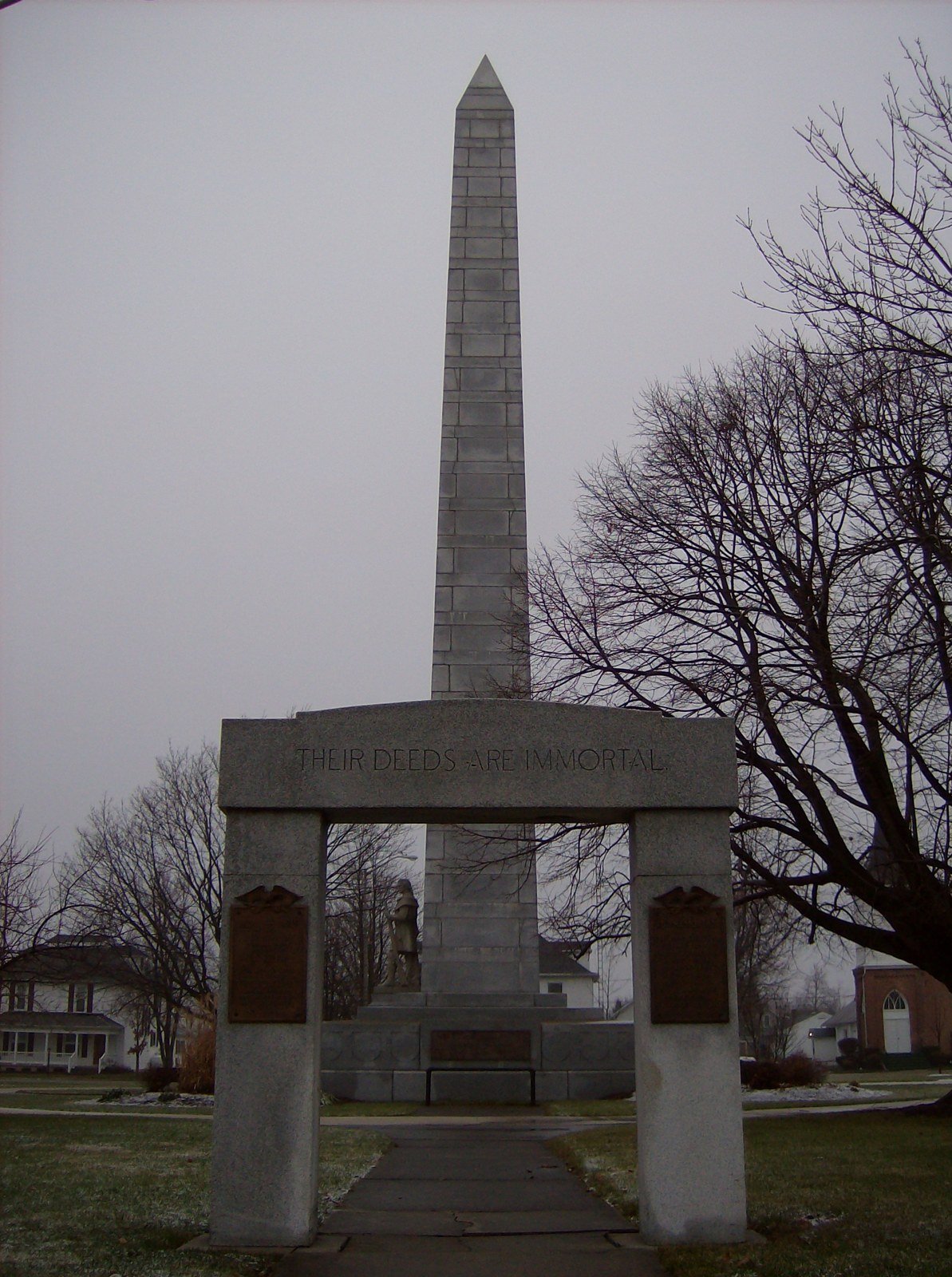
After reading the comparison, find out how bad St. Clair’s Defeat was, by the numbers. Then read how bad Custer’s Last Stand really got.
Related Stories
- 7 Battles Where Native Nations Defeated The British Empire
- Red Cloud’s War: The War The U.S. Army Walked Away From
- 7 Battles Where Native Nations Defeated The U.S. Army
- The Mystery Of Custer’s Missing Soldiers: The Men Who Were Never Found
- What Happened To The Native Warriors After The Little Bighorn?