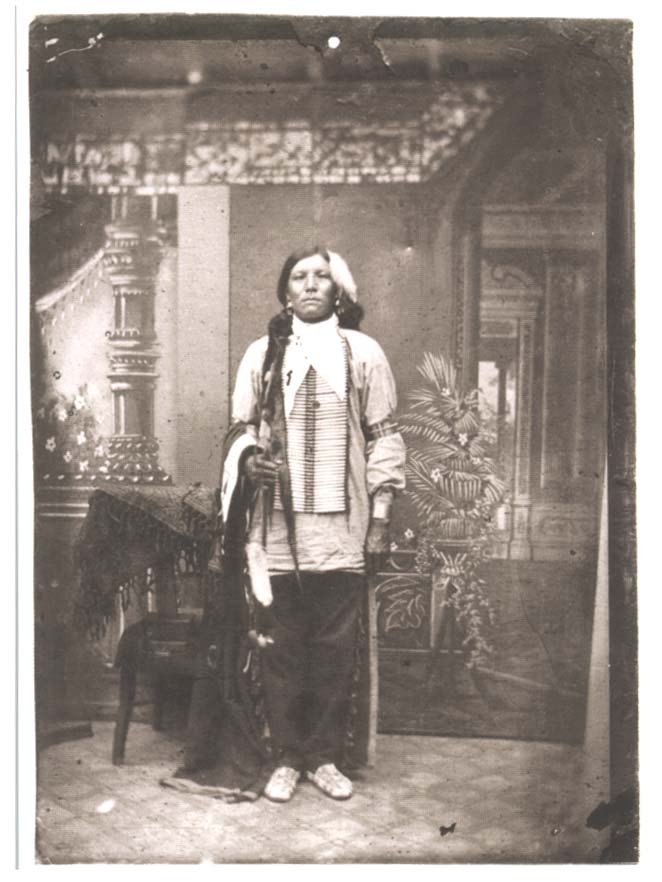
Crazy Horse was one of the most famous Lakota leaders in history. Yet no confirmed photograph of him exists.
Many Lakota people say he never let anyone take his picture. But for decades, one small tintype has been shown to the world as “the only photograph of Crazy Horse.” If it is real, how was it taken? And if it is not, who is the man in it?
A Man Who Avoided Cameras
Lakota historians and Crazy Horse’s descendants say he kept away from photographers. Donovin Sprague, a Minneconjou Lakota historian related to Crazy Horse, says it is on record that he did not want his picture taken. Many Lakota believed a camera could capture a person’s soul. Crazy Horse’s great-grandson, Don Red Thunder, said he “stayed away from any cameraman.”
Some people who defend the tintype say the reason may have been different. They argue Crazy Horse was not afraid of cameras, but believed that staying anonymous would protect him.
The Story Of The Tintype
The tintype is owned today by the Custer Battlefield Museum in Garryowen, Montana, a privately owned museum. The museum says it was taken in late summer 1877 at Fort Robinson, Nebraska, within weeks or days of Crazy Horse’s death on September 5, 1877.
Its story goes like this. A scout named Baptiste “Little Bat” Garnier, a friend of Crazy Horse, is said to have persuaded him to sit for a picture. Garnier supposedly promised that it would be kept secret until after Crazy Horse died.
Garnier was murdered in 1900. According to the museum, the tintype then passed to his wife, who is said to have been a cousin of Crazy Horse, and then to their daughter, Ellen Howard. In 1956, it was published by Fred Hackett and J. W. Vaughn. It was later owned by the historian Carroll Friswold before it reached the museum.
Who Was The Photographer?
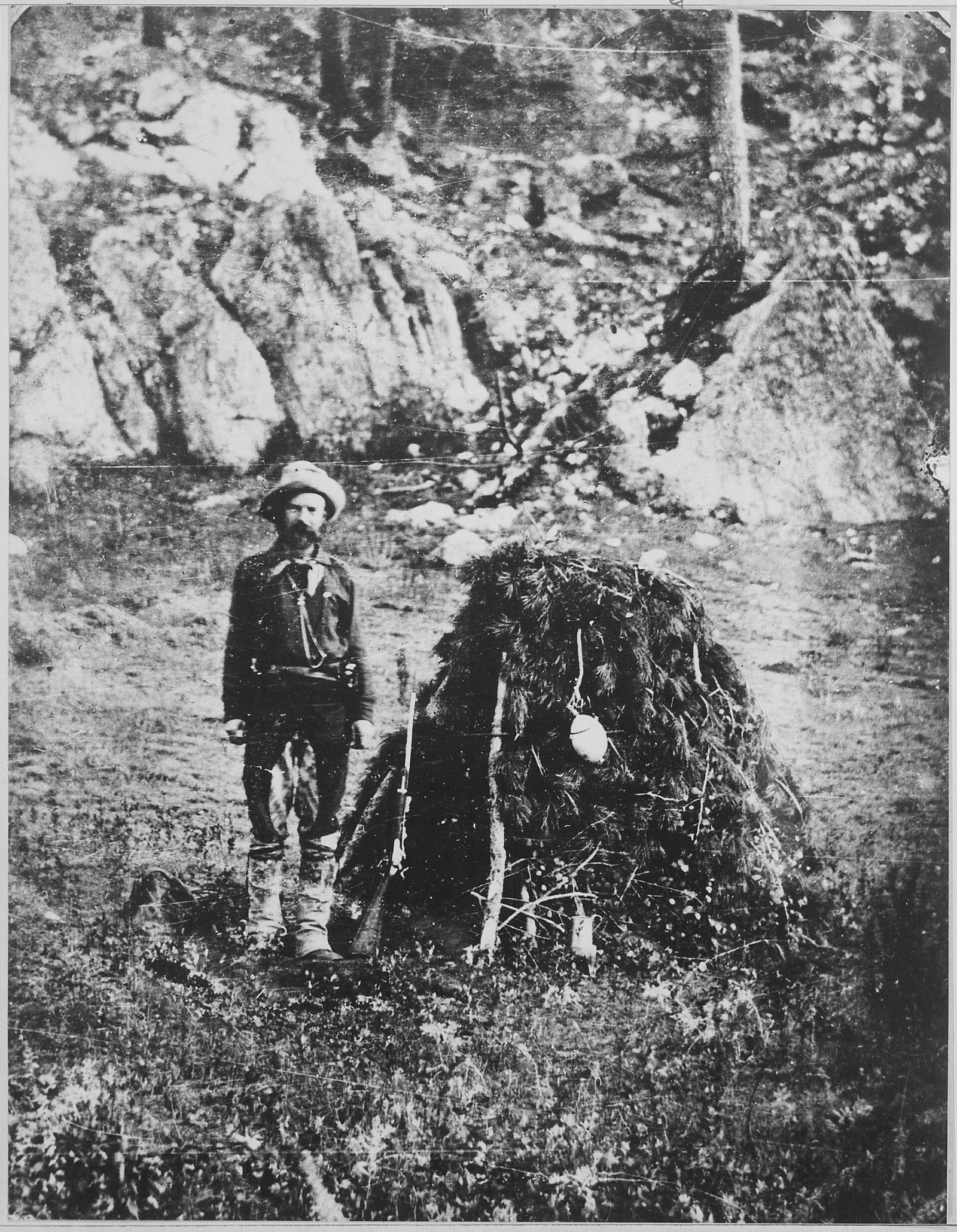
The museum points to a Sioux City, Iowa, photographer named James Hamilton. In 1877, Hamilton traveled west to photograph the Black Hills gold rush and the Native people at the Camp Robinson agencies. His son later said he “secured negatives of all of the leading Indians.” The museum says Hamilton’s catalog lists photograph number 104 as Crazy Horse.
Tom Buecker, the curator at the Fort Robinson Museum, is cautious. He believes Hamilton photographed Crazy Horse’s temporary grave. But he is “middle of the road” on whether the tintype shows Crazy Horse alive. He notes that the man seems to be standing on a tiled floor or large carpet, which would be unlikely at Camp Robinson in 1877. And he points out that if Hamilton had really photographed Crazy Horse, he would have advertised it.
The Photograph That Was Never Printed?
There is one more story. In 1954, an old frontiersman named John Y. Nelson told an anthropologist that the only photograph he knew of was taken by Dr. Valentine McGillycuddy, the Army doctor, while Crazy Horse lay dying in the guardhouse. According to Nelson, Crazy Horse turned his face to the wall as the picture was taken, so the image was worthless.
This is only one man’s recollection decades later, and McGillycuddy himself is generally said to have doubted that any picture of Crazy Horse had been taken.
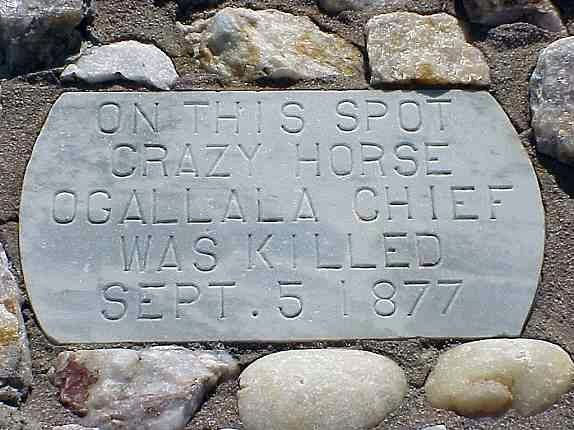
Why Many Doubt It
Many historians say the man in the tintype is not Crazy Horse. Their reasons include:
- The clothing. Jeremy Johnston, a curator at the Buffalo Bill Center of the West, says the man appears to be “dressing up for a photo or a performance,” like the Native performers in Buffalo Bill’s Wild West shows, which began years later. He says the photo resembles souvenir postcards of the time, and that “the attire just doesn’t fit the 1870s era.”
- Flashy dress. Sprague says the man wears flamboyant clothing unlike how Crazy Horse dressed.
- A different chief. Sprague and John Doerner, the chief historian at Little Bighorn Battlefield National Monument, believe the man is No Neck, a chief who surrendered with Crazy Horse in 1877. Doerner says he based this on authenticated pictures of No Neck.
- The scar. Crazy Horse had a known scar on his face from an old gunshot wound. Critics say the man in the tintype does not have it. The museum says a scar can be seen on the man’s left cheek.
What The Museum Says
The museum maintains that the man is Crazy Horse. It points to what it calls a “striking correlation” between eyewitness descriptions of Crazy Horse and the man in the portrait, and says a specialist in facial skeletal structure agreed. Its supporters argue that a photograph of Crazy Horse need not match what Lakota historians expect.
Still Unsolved
In 2015, True West magazine included the tintype in its “100 Best Historical Photos of the American Indian,” with the caption “Is This Crazy Horse?” About fifteen pictures have been attributed to him over the years, and at least some have turned out to be other people.
Doerner has said that a true photograph of Crazy Horse would be “the find of the century.” So far, no one has found it. It may be that Crazy Horse got what he wanted: to be remembered, but never seen.
After reading about the photo, find out what happened to Crazy Horse’s body. Then read 10 mysteries of Crazy Horse that historians still can’t answer.
Related Stories
- 8 Native Chiefs Who Fought At The Little Bighorn
- Sitting Bull’s Sun Dance Vision: “Soldiers Falling Into Camp” Before The Little Bighorn
- 10 Powerful Quotes From Native American Leaders, And What Was Happening When They Said Them
- Private Peter Thompson’s Strange Account Of Custer’s Last Moments
- 7 Battles Where Native Nations Defeated The U.S. Army