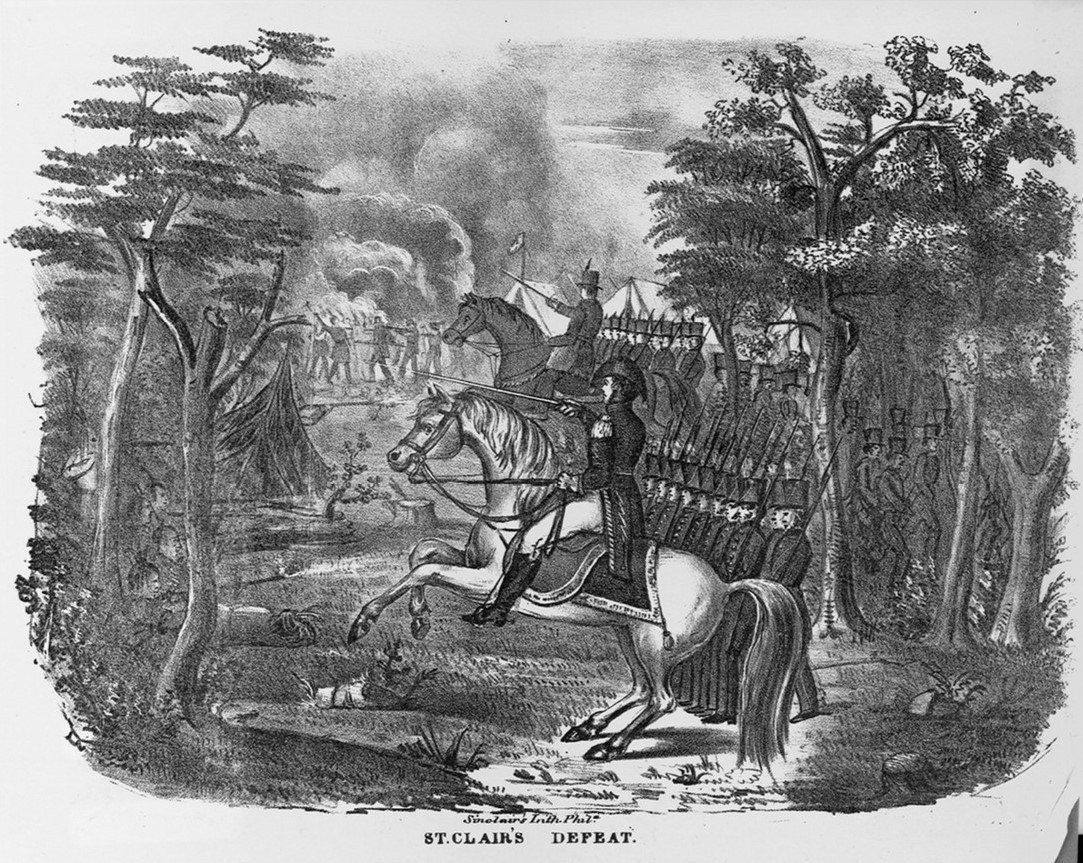
On the morning of November 4, 1791, an American army woke to the sound of gunfire beside the Wabash River, in what is now western Ohio.
About three hours later, most of it was gone.
That was St. Clair’s Defeat, and it is the worst loss the United States Army has ever suffered against Native warriors. It was far worse than Custer’s Last Stand, which came 85 years later. This is how bad it really was.
The Numbers
The exact figures vary from source to source, because historians count prisoners, wounded men and camp followers differently. But the main numbers are clear:
- About 920 soldiers were engaged on the American side. (Some sources count about 1,000, and one counts more.)
- 632 were killed, and 264 wounded, according to the commonly cited count. That is about 69 percent killed.
- Only 24 men came out unhurt. About 97 percent of the soldiers were killed or wounded.
- Officers: of 52 officers, 39 were killed and 7 wounded. That is about 88 percent.
- Camp followers: some 200 wives, children, laundresses and others traveled with the army, and nearly all were killed or captured. Counting them, about 832 Americans died.
- Native losses: about 21 killed and 40 wounded, around 61 in all.
That is roughly 30 Americans lost for every one Native warrior.
A Quarter Of The U.S. Army
The loss was not only a battlefield loss. It was a national one. The United States Army was tiny in 1791, and St. Clair’s force was about a quarter of it. When the news reached Philadelphia, the young country had lost much of its army in a single morning.
How Does It Compare To Custer?
At the Little Bighorn in 1876, 268 men of the 7th Cavalry were killed in total, and about 210 of them died with Custer himself. St. Clair’s Defeat killed more than twice that number of soldiers, and about three times as many as Custer’s own command. Yet most Americans have never heard of it.
Why Was It So Bad?
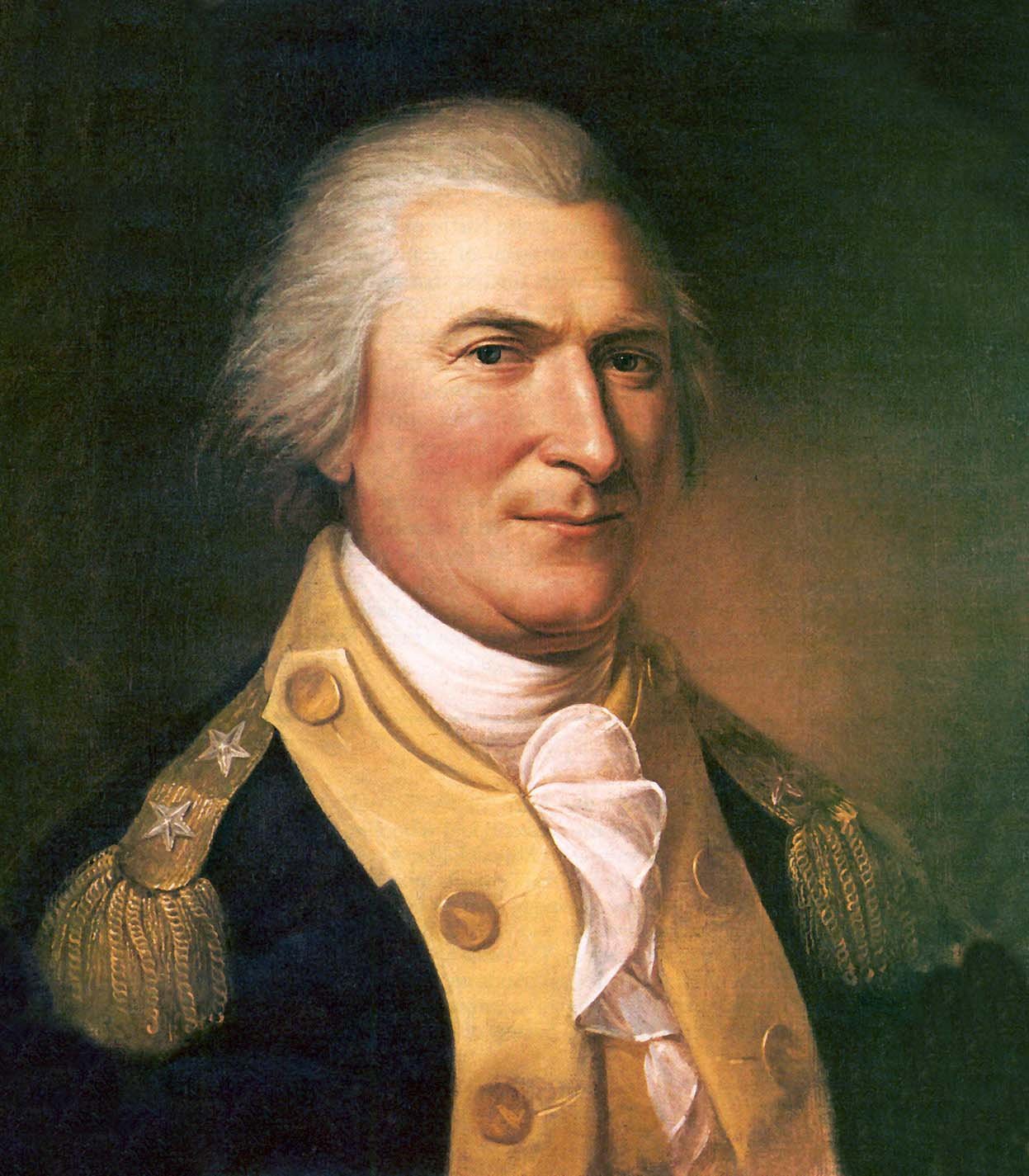
The army was in trouble from the start. General Arthur St. Clair, 57 years old, was ill with gout and sometimes had to be carried. Many of his men were new recruits, rushed through training. Supplies were short, and deserters left in the night. By the time the army reached the Wabash, it had shrunk.
That night, St. Clair did not build any defensive works. The Kentucky militia camped across the river from the regular soldiers, too far away to help them. During the night, more than a thousand warriors from many nations, led by Little Turtle of the Miami, Blue Jacket of the Shawnee and Buckongahelas of the Lenape, quietly surrounded the camp.
They struck at dawn. The militia broke first and ran into the main camp, throwing the soldiers into confusion. The warriors then did two things that made the day so deadly. They shot down the artillery crews as they tried to load their cannons, and some of them deliberately aimed at the officers, who wore the most colorful uniforms. Second-in-command General Richard Butler was one of those killed.
The Flight
After about three hours, St. Clair ordered the survivors to break out. Soldiers threw away their guns and their packs. They left the cannons spiked, and left behind their wounded, and ran for Fort Jefferson, nearly 30 miles away. St. Clair himself later admitted that it had been “a flight.”
Washington’s Reaction
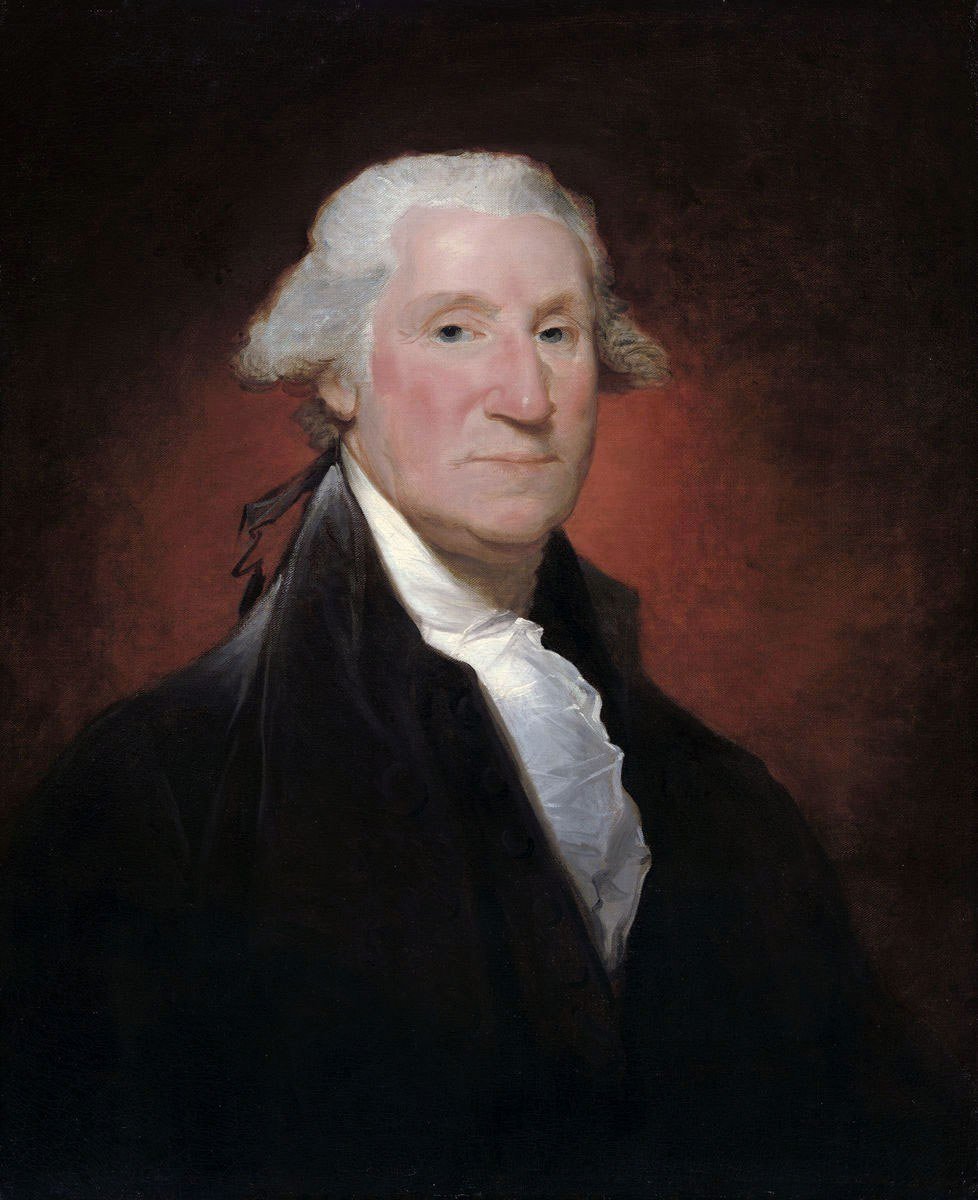
The news reached President George Washington in Philadelphia in December, during a dinner. His secretary, Tobias Lear, quietly told him. Washington said nothing until his guests had left. Then, according to one account, he exploded, calling St. Clair “worse than a murderer!” and saying, “It’s all over!”
Washington demanded St. Clair’s resignation. And the disaster led to another first: the House of Representatives launched the first special congressional investigation of the executive branch, a step that raised the question of executive privilege for the first time. The committee largely cleared St. Clair, but Congress never issued a final report.
The Aftermath
Washington did not give up. In 1792, Congress built a new, better-trained army, the Legion of the United States, and Washington put General Anthony Wayne in charge. In August 1794, Wayne’s Legion defeated the Native alliance at the Battle of Fallen Timbers, and in 1795, the Treaty of Greenville gave the United States much of present-day Ohio.
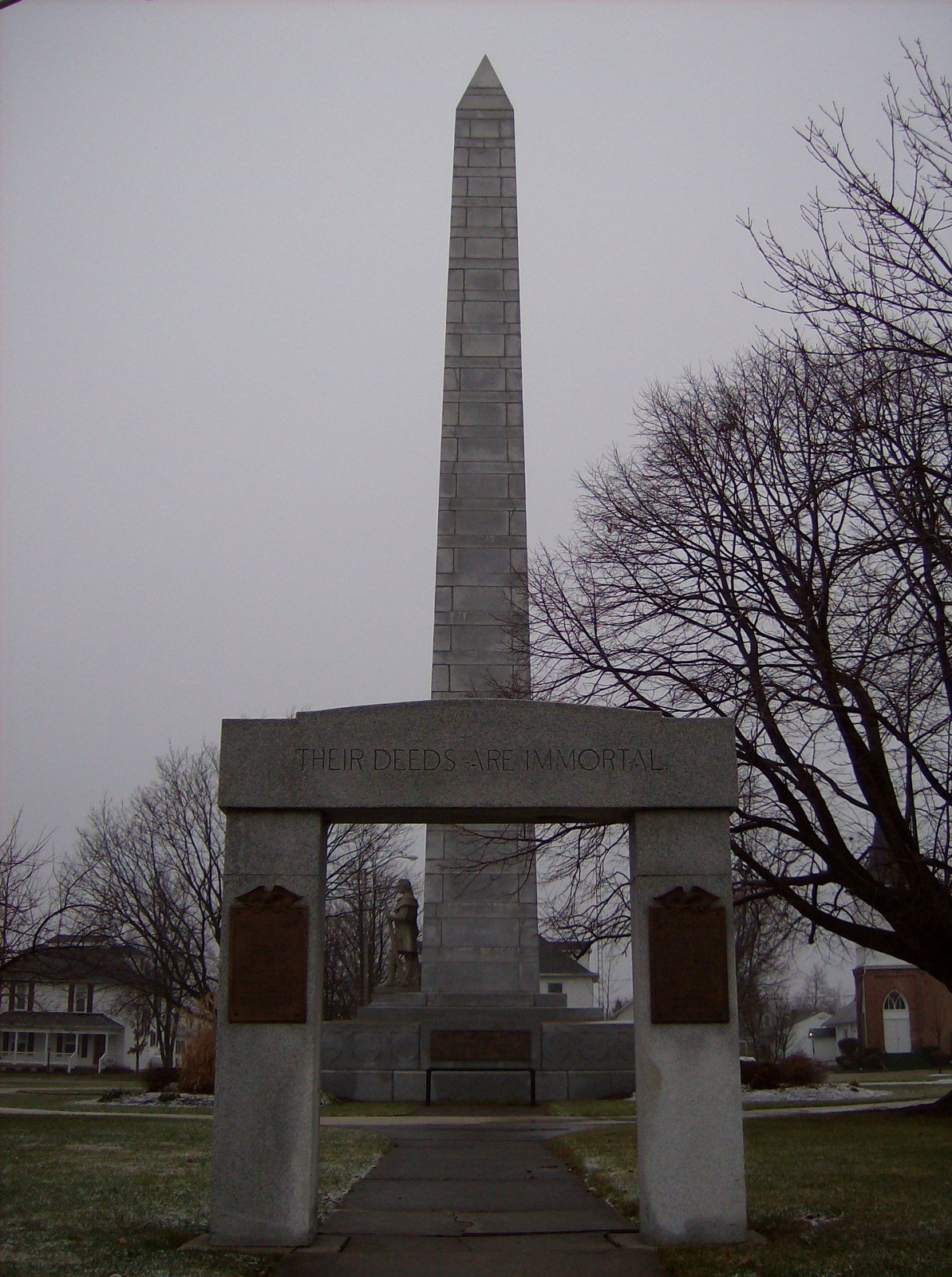
The historian William Hogeland called the battle “the high-water mark in resistance to white expansion,” adding that no comparable Native victory would follow. Today, a monument at Fort Recovery, Ohio, marks the battlefield.
So, How Bad Was It?
It was the worst. In three hours, a young nation lost most of an army, nearly all of its officers and a quarter of its entire military, to a Native alliance that lost about 60 men.
After reading about the numbers, find out the full story of St. Clair’s Defeat. Then read 7 battles where Native nations defeated the U.S. Army.
Related Stories
- 10 Battles Where Native Nations Defeated The Spanish Empire
- 7 Battles Where Native Nations Defeated The British Empire
- Red Cloud’s War: The War The U.S. Army Walked Away From
- What America Said About Custer’s Last Stand, From The Newspapers To The President
- Private Peter Thompson’s Strange Account Of Custer’s Last Moments