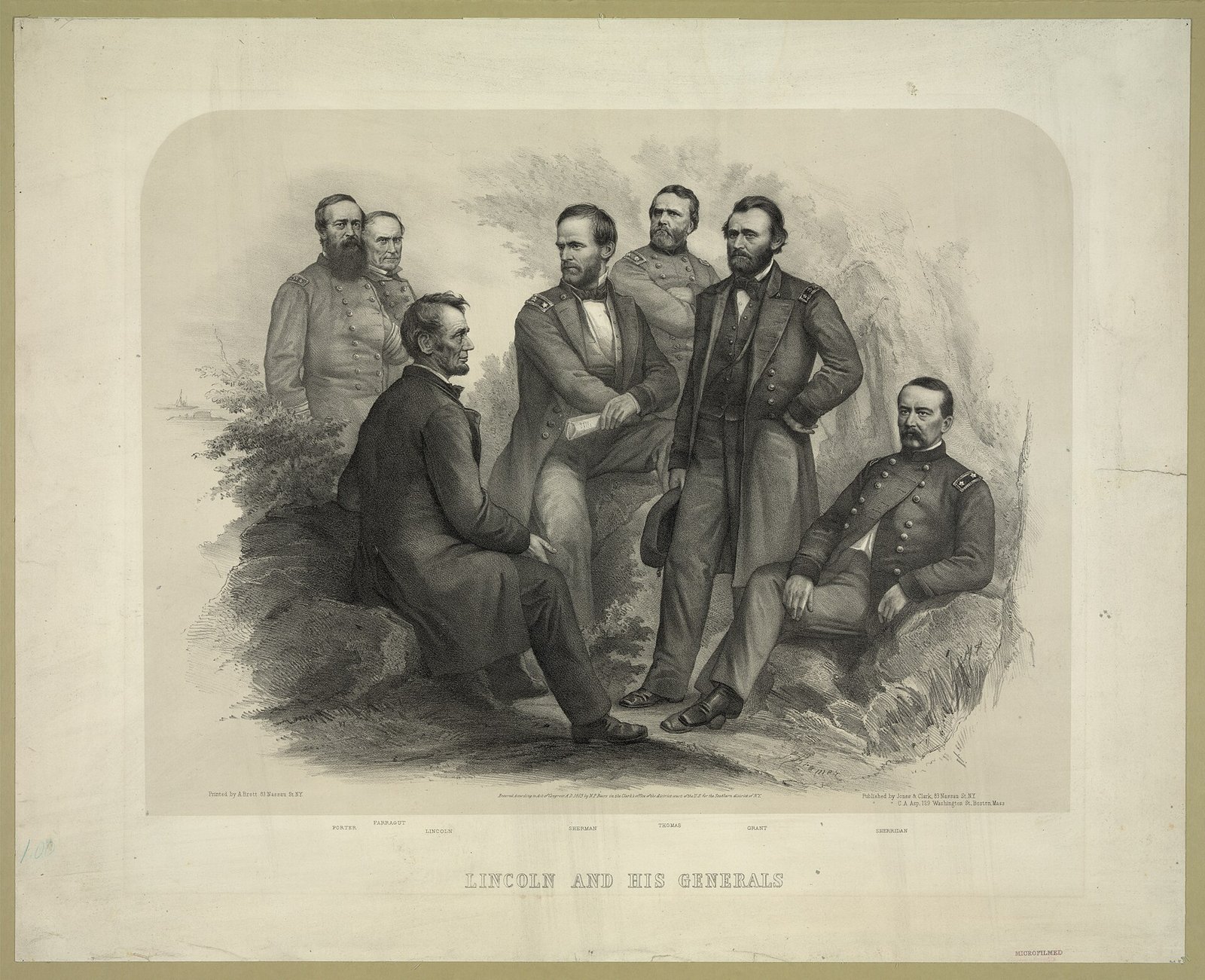
Abraham Lincoln saved the Union. Ulysses S. Grant won the Civil War and became president. William T. Sherman marched through Georgia. George Armstrong Custer became a general at twenty-three.
Their names fill American history books. But each of them also made choices that shaped the lives of Native nations, and those choices are rarely taught. Some people go further and call all four of them “cowards.” That is not what the record shows. This article looks at what it does show.
Were They Cowards?
No. None of these four men is remembered as a coward. Grant and Sherman led armies into some of the bloodiest battles of the Civil War. Custer was known for personal bravery, and led cavalry charges from the front. Lincoln guided the Union through its worst years.
The better question is not about courage. It is about the decisions they made, and whether those decisions were fair to Native people. On that question, the record is more complicated, and more uncomfortable.
1. Lincoln And The Dakota Executions
In 1862, after the Dakota War in Minnesota, a military court sentenced about 300 Dakota men to death. The war had grown out of broken promises, late payments and hunger on the reservation.
Lincoln did not simply sign them all. He reviewed the cases himself and reduced most of the sentences. But he approved 39 hangings, and one was later reprieved. On December 26, 1862, 38 Dakota men were hanged together in Mankato, Minnesota. It remains the largest mass execution in United States history.
Afterward, the Dakota reservations in Minnesota were abolished, and many Dakota people were forced out of the state.
Lincoln is praised for sparing most of the men. He is also criticized for approving the rest. Both statements are true.
2. Sherman’s “Extermination” Telegram
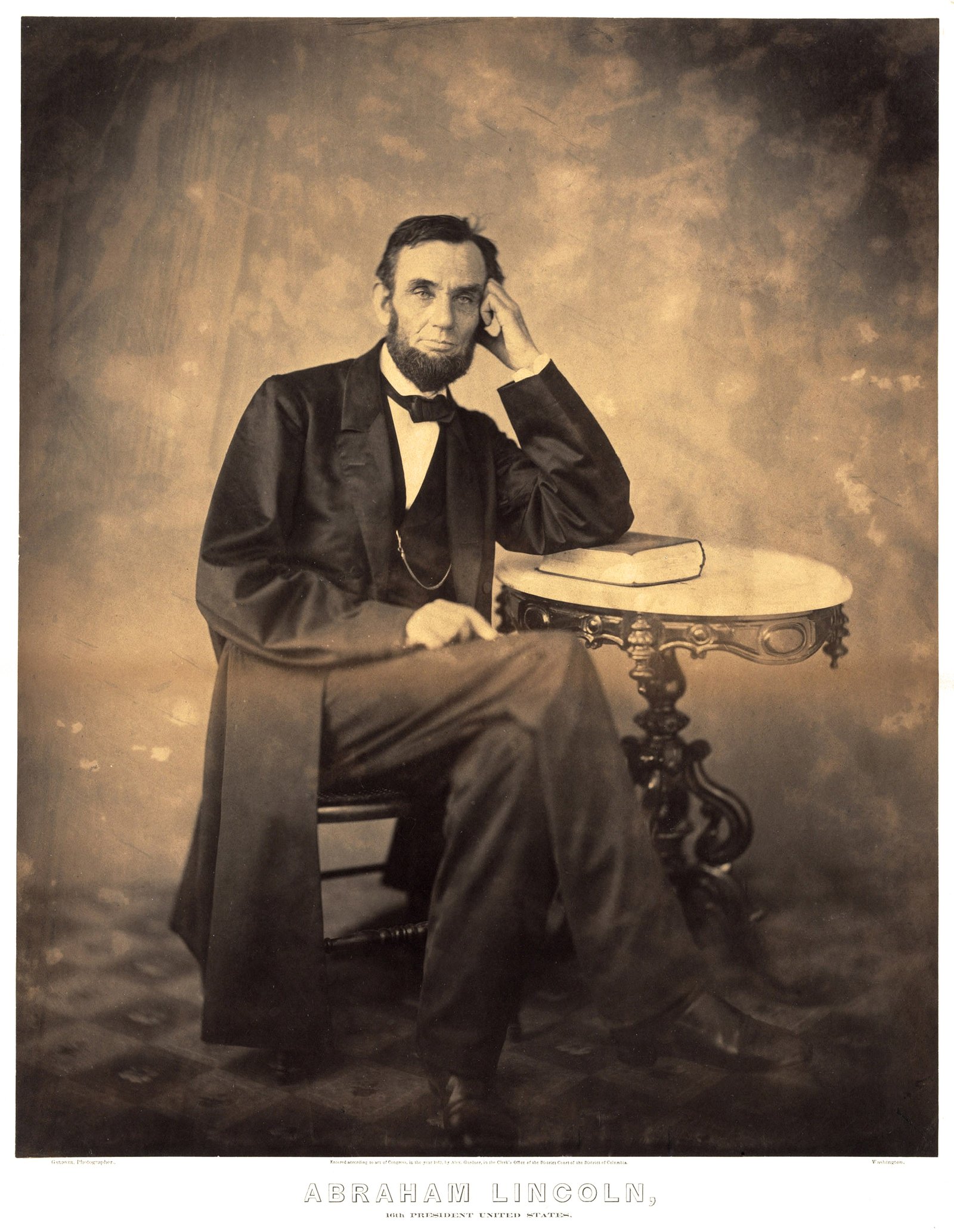
In December 1866, after the Fetterman Fight in Wyoming, General Sherman sent a telegram to Grant. In it, he wrote: “We must act with vindictive earnestness against the Sioux, even to their extermination, men, women and children.” The telegram is preserved in official government records.
Sherman also took part in the peace talks that ended Red Cloud’s War, and he was among the commissioners who met Native leaders at Fort Laramie in 1868. But the 1866 telegram shows how harshly he thought about the Lakota at the time.
3. Grant And The Black Hills
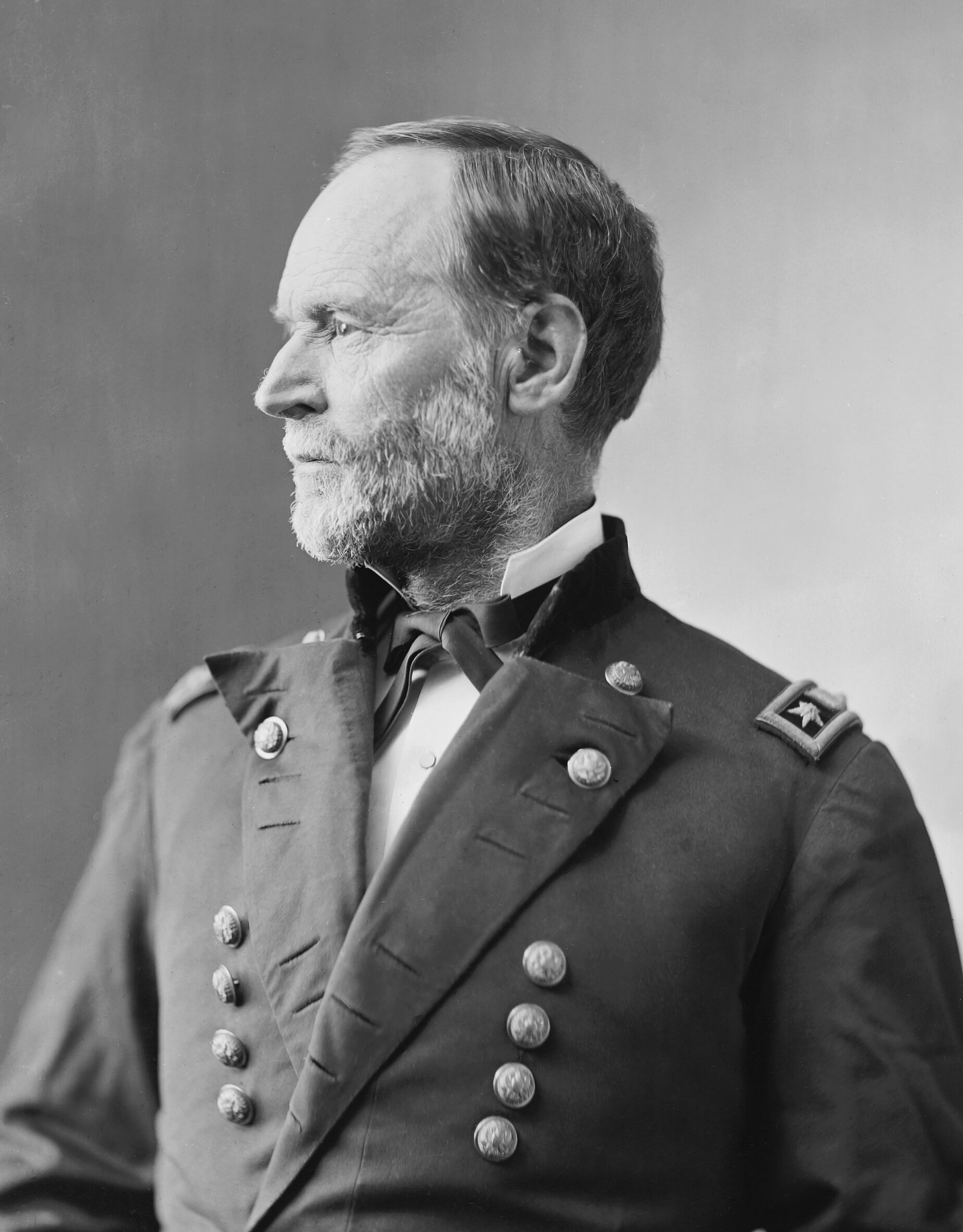
Grant’s record is split. In 1869, he appointed Ely S. Parker, a Seneca who had served on his staff, as Commissioner of Indian Affairs. Parker was the first Native American to hold the post. Grant’s “Peace Policy” tried to reduce violence on the reservations.
But in 1875, a different Grant appeared. Gold had been found in the Black Hills, land that the 1868 Treaty of Fort Laramie promised to the Lakota. On November 3, 1875, after a meeting at the White House with generals and officials, Grant decided the Army would stop trying to keep miners out. Within months, the Great Sioux War began. The Black Hills dispute is still unresolved today.
4. Custer And The Washita
On November 27, 1868, Custer led a dawn attack on the Cheyenne village of Black Kettle on the Washita River. Black Kettle had been trying to keep the peace. He and his wife were killed, along with many women and children, and 53 Cheyenne women and children were taken captive.
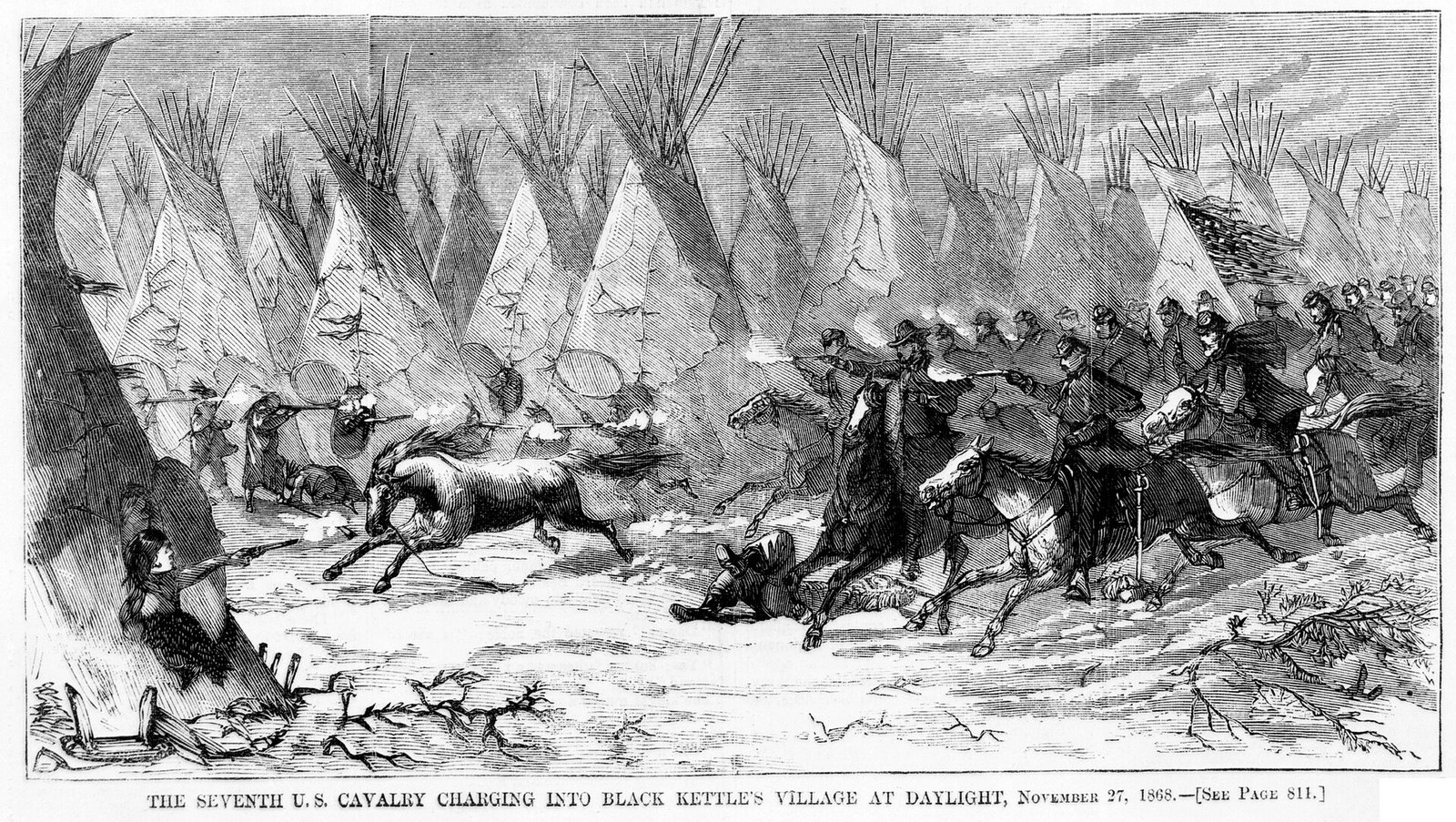
In 1874, Custer led an expedition into the Black Hills and announced there was gold. In 1876, he led the 7th Cavalry to the Little Bighorn, where he and about two hundred men died.
What Do The Records Tell Us?
Each of these men has admirers, and each has critics. Lincoln spared hundreds of men, and approved the hanging of 38. Sherman helped make peace, and also wrote about “extermination.” Grant appointed a Native commissioner, and also opened the Black Hills. Custer was a brave soldier and the leader of the Washita attack.
They were not cowards. They were powerful men who made hard decisions, in an age when the government was pushing Native nations off their land. How history should remember them is a question each reader can answer.
After reading about the four men, find out 10 broken treaties that shaped America. Then read the debate over whether Custer should be honored.