History remembers George Armstrong Custer for his death at the Little Bighorn in 1876. But one of the most debated stories about his life begins eight years earlier, on a freezing morning in Oklahoma.
It is a story about a young Cheyenne woman named Monahseetah, and about a question historians still cannot settle: did Custer have a child with her?
Before we begin, one point matters more than any other. She was a captive. Whatever happened between them cannot be described as a relationship between equals. And nearly everything we know about her was written or told by other people.
Who Was Monahseetah?
Monahseetah, also recorded as Meotzi, was a Southern Cheyenne woman born around 1850. Her name is often translated as “Spring Grass” or “Young Grass That Shoots in Spring.” Most accounts name her father as the Cheyenne leader Little Rock. Some Cheyenne accounts connect her to Black Kettle’s family, so even that detail is not settled.
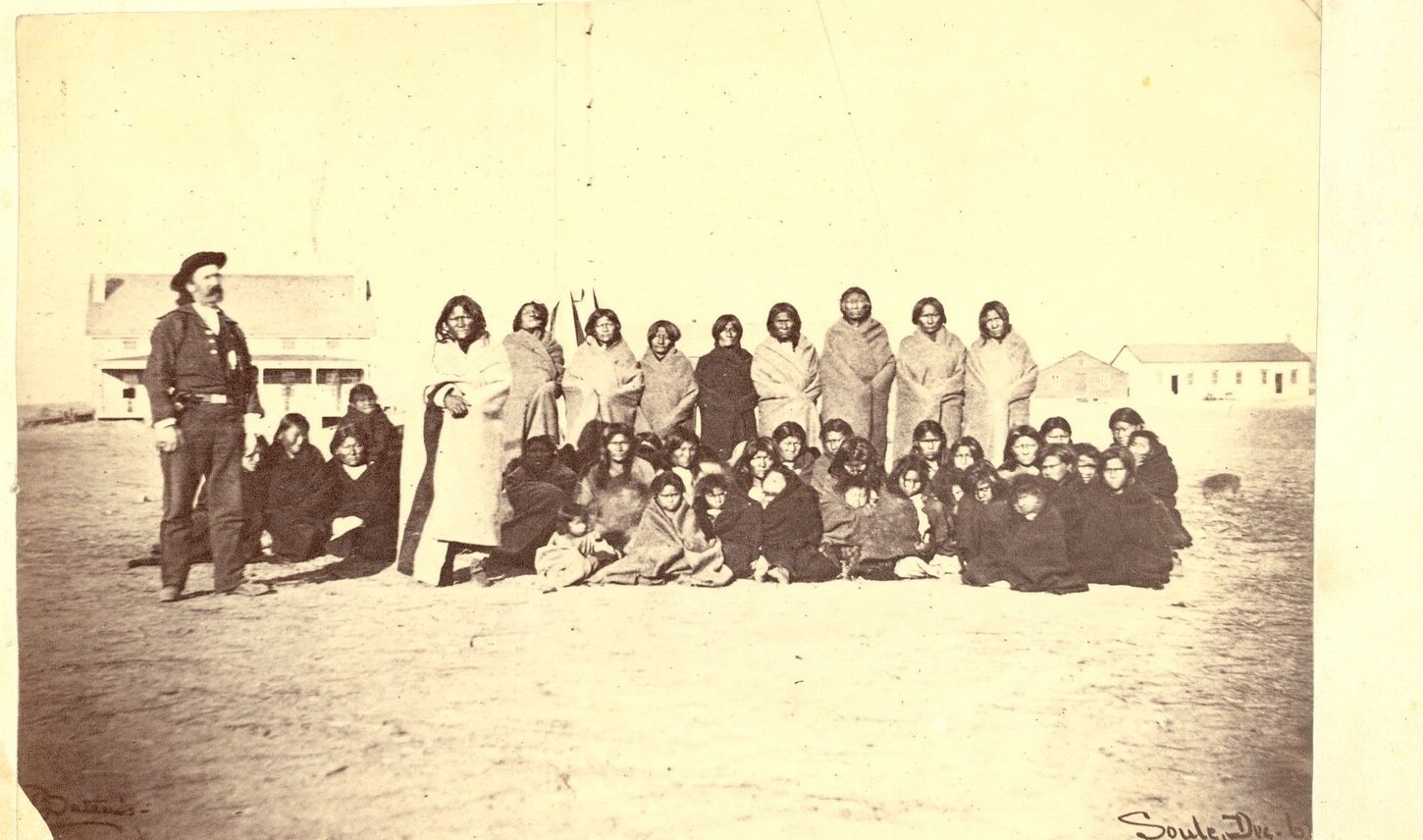
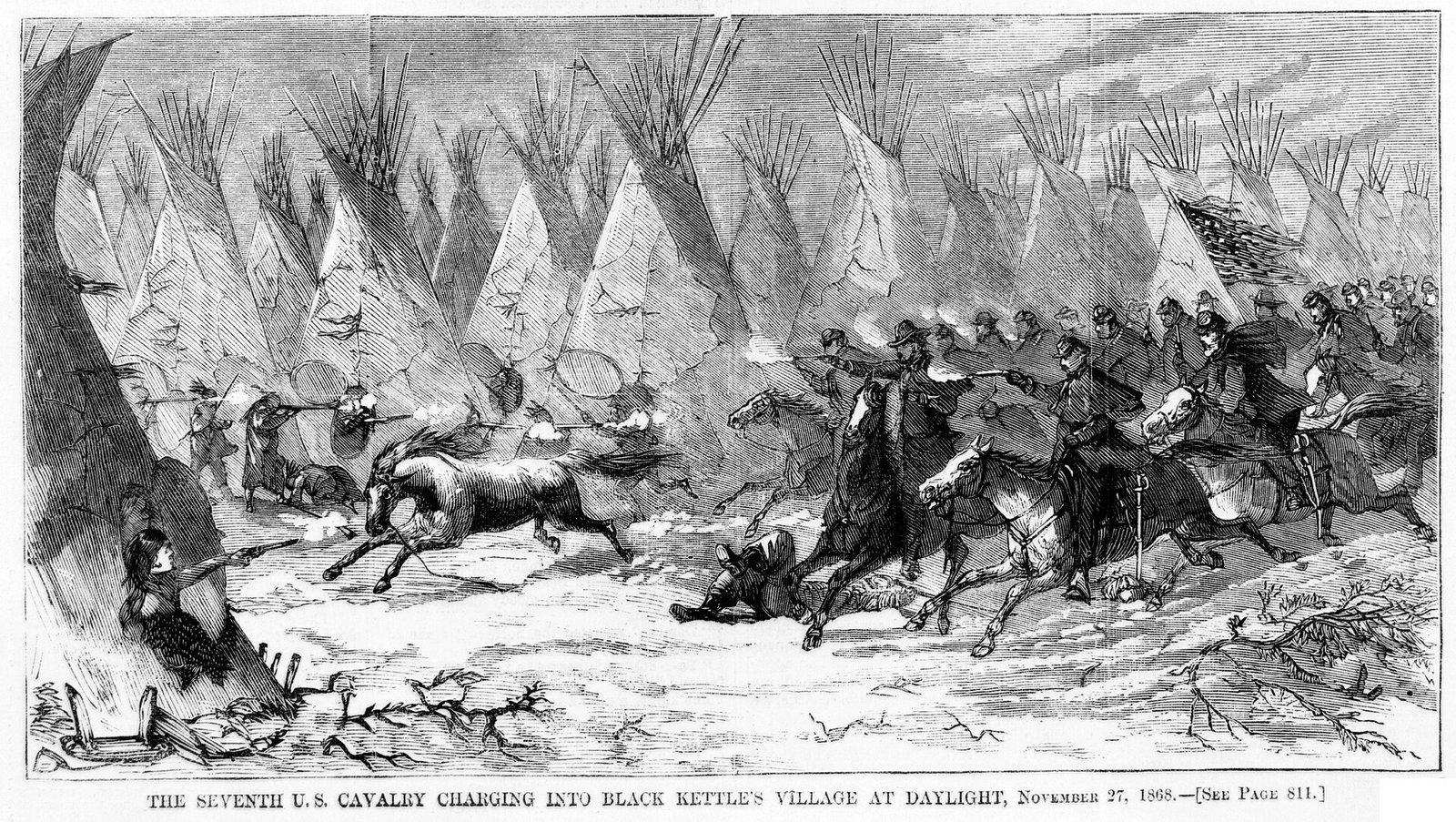
On November 27, 1868, Custer’s 7th Cavalry attacked Black Kettle’s camp on the Washita River. Little Rock was among those killed. About 53 Cheyenne women and children were taken prisoner. Monahseetah was one of them. She was in her teens or early twenties.
What Custer Wrote
In his 1874 book, My Life on the Plains, Custer described a young Cheyenne captive, the daughter of a chief, in flattering terms: attractive, cheerful and intelligent. Historians read his words as hinting at something more, though he does not say so. A number of writers see her in that passage.
In the spring of 1869, Custer took some of the captives with the column as he searched for other Cheyenne camps. The official version says Monahseetah served as a guide, interpreter and goodwill messenger to her people. Some historians doubt that. She is not known to have spoken English, and Custer spoke neither Cheyenne nor Lakota.
The Claim
The accusation that Custer had a sexual relationship with her comes from several directions:
- Captain Frederick Benteen, who hated Custer, publicly denounced the affair. Historians usually treat his account with caution because of that hostility.
- Ben Clark, Custer’s chief of scouts, is also cited as a source for the claim.
- Cheyenne oral history. Kate Bighead, Monahseetah’s cousin, told her story to the historian Thomas Marquis in 1927. She said Monahseetah waited for Custer for years. In 1938, an Oglala Lakota veteran of the Little Bighorn, Joseph White Cow Bull, told the writer David Humphreys Miller that he had met a Cheyenne woman in 1876 who had a young son by “Long Hair.”
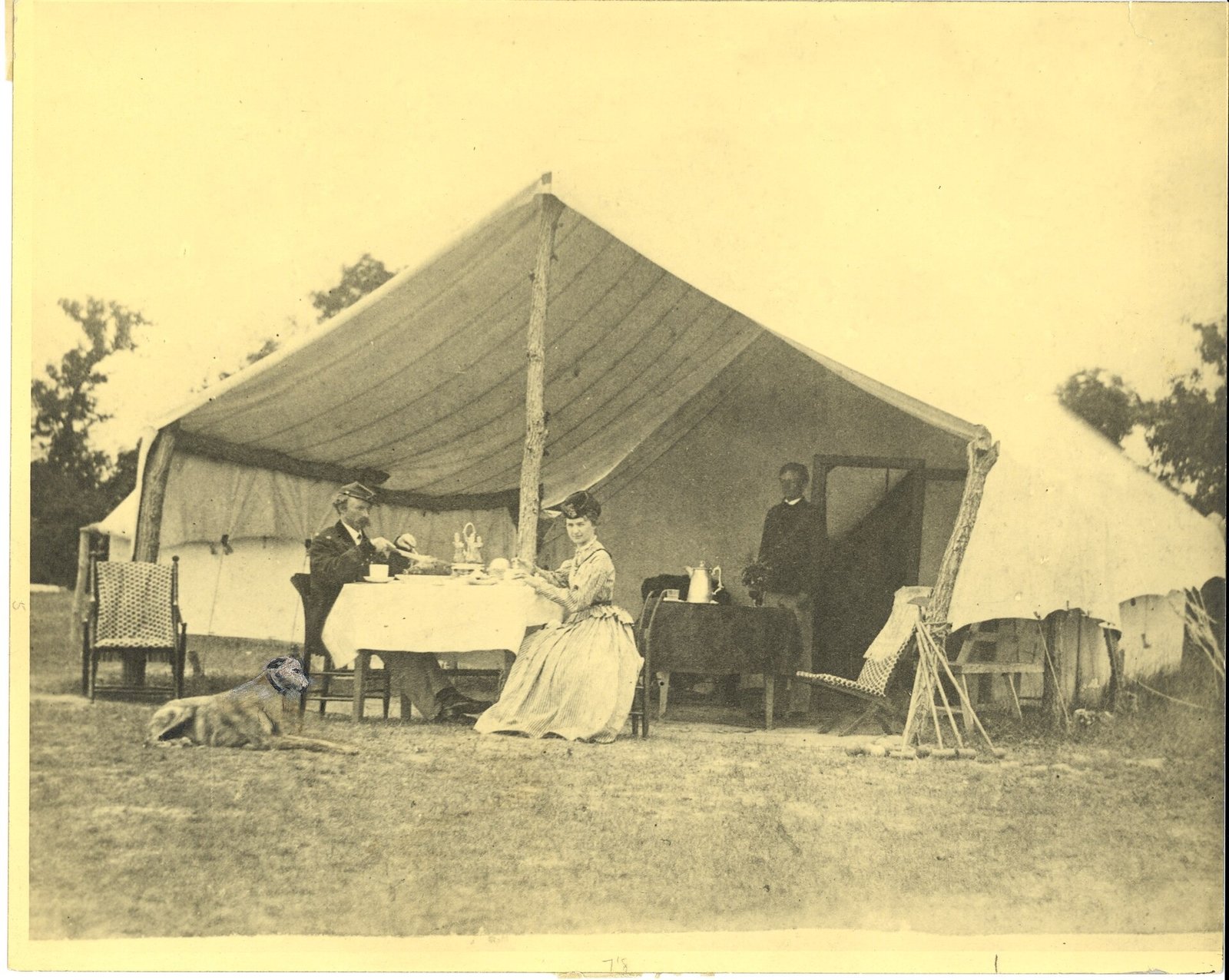
- Libbie Custer. In her memoir Following the Guidon, Libbie wrote about meeting Monahseetah and her baby in 1869. Some historians think she knew of the affair. Her books were written to protect her husband’s reputation.
The Child
Accounts describe two different children, and the sources do not always agree on which is which. Monahseetah gave birth to a baby boy in January 1869, about two months after her capture. A boy named Yellow Swallow (also called Yellow Bird) appears in the oral accounts. Some Cheyenne oral history says she had a second child in late 1869, and that Custer was that child’s father. The historian Tim Lehman, who wrote about the claim in Bloodshed at Little Bighorn, argues that several Cheyenne family traditions overlap and are too consistent to dismiss.
Many historians disagree, for several reasons:
- Timing. A baby born in January 1869, about two months after the attack, was conceived long before she was captured. That rules Custer out as the father of the first baby, and it is a main reason many historians doubt the whole claim.
- Custer’s health. Some biographers, such as Jeffry Wert, believe that an illness Custer contracted earlier in life left him unable to have children. He and Libbie never had a child. That conclusion rests on indirect evidence.
- Another father. A few writers have suggested that his brother Tom Custer, who served with the 7th Cavalry, might have been the father. This, too, is a guess.
- Late sources. The key Cheyenne and Lakota accounts were recorded nearly 60 to nearly 70 years after the events.
John Koster, writing in Wild West magazine, concluded that a relationship was likely, but that the child was probably not Custer’s. Other historians, such as Stephen Ambrose, dismissed the whole story. No documents or DNA evidence have settled it.
Why Oral History Matters
It is easy to dismiss Cheyenne oral history because it was written down late. But historians increasingly treat oral tradition as real evidence, especially when families on different branches tell similar stories. It can be wrong in details, and it can be right in substance. The difficulty here is that the sources disagree on the central point, the child’s father, and that the question cannot be tested.
Kate Bighead’s account has also been criticized. The writer who recorded it, Thomas Marquis, included other claims that historians doubt. So the value of her account is a matter of debate.
What Can We Say?
- Well documented: Monahseetah was captured at the Washita in 1868. She traveled with the army in 1869. Custer described her in his book. Libbie Custer met her and her baby.
- Claimed but contested: that Custer had a sexual relationship with her, and that he fathered a child.
- Unlikely on timing alone: that he was the father of the baby born in January 1869.
- Missing: her own words.
Monahseetah is thought to have lived until 1922. We know almost nothing of her life after Custer’s death, or what she herself thought. For a story that has been told for 150 years, that may be the most important silence of all.