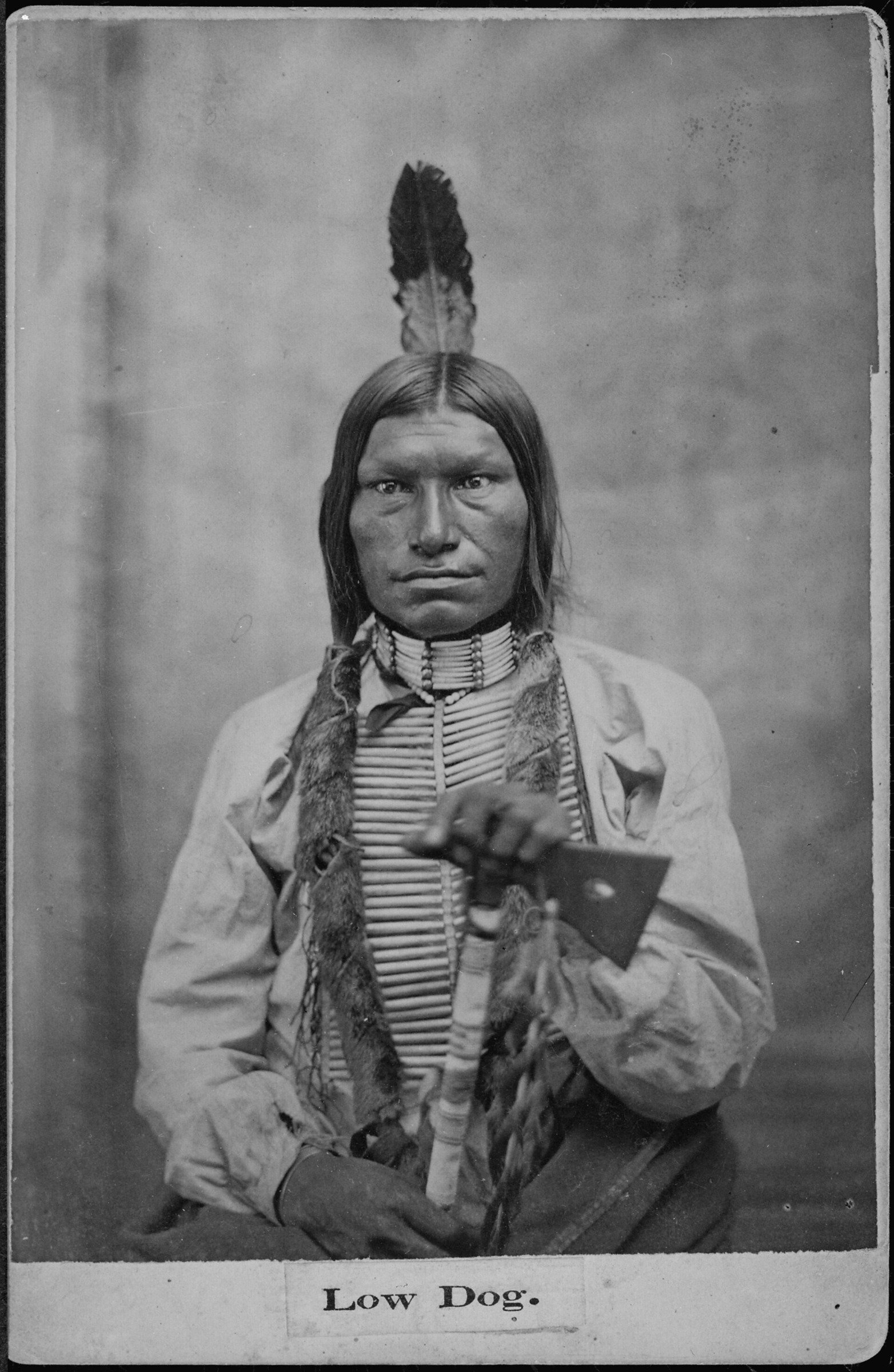
An eagle feather in a warrior’s hair was never just decoration.
For many Native nations, it was a message: this person did something that mattered. And in many nations, no one could simply wear one. It had to be earned, and it had to be given.
Why The Eagle?
Many Native peoples see the eagle as the bird that flies higher than any other, closest to the Creator. For this reason, it is often treated as a messenger that carries prayers upward. The eagle is also admired for its courage, strength and sharp sight. To receive one of its feathers is to be reminded to live up to those qualities.
Nations have different beliefs, and not every nation uses the eagle in the same way. But among the Plains peoples, the eagle feather became one of the most powerful symbols of honor.
For Brave Deeds
On the Great Plains, a warrior earned eagle feathers for brave deeds. The most famous deed was counting coup: touching an enemy in battle, and getting away. Touching an enemy was often valued above killing him.
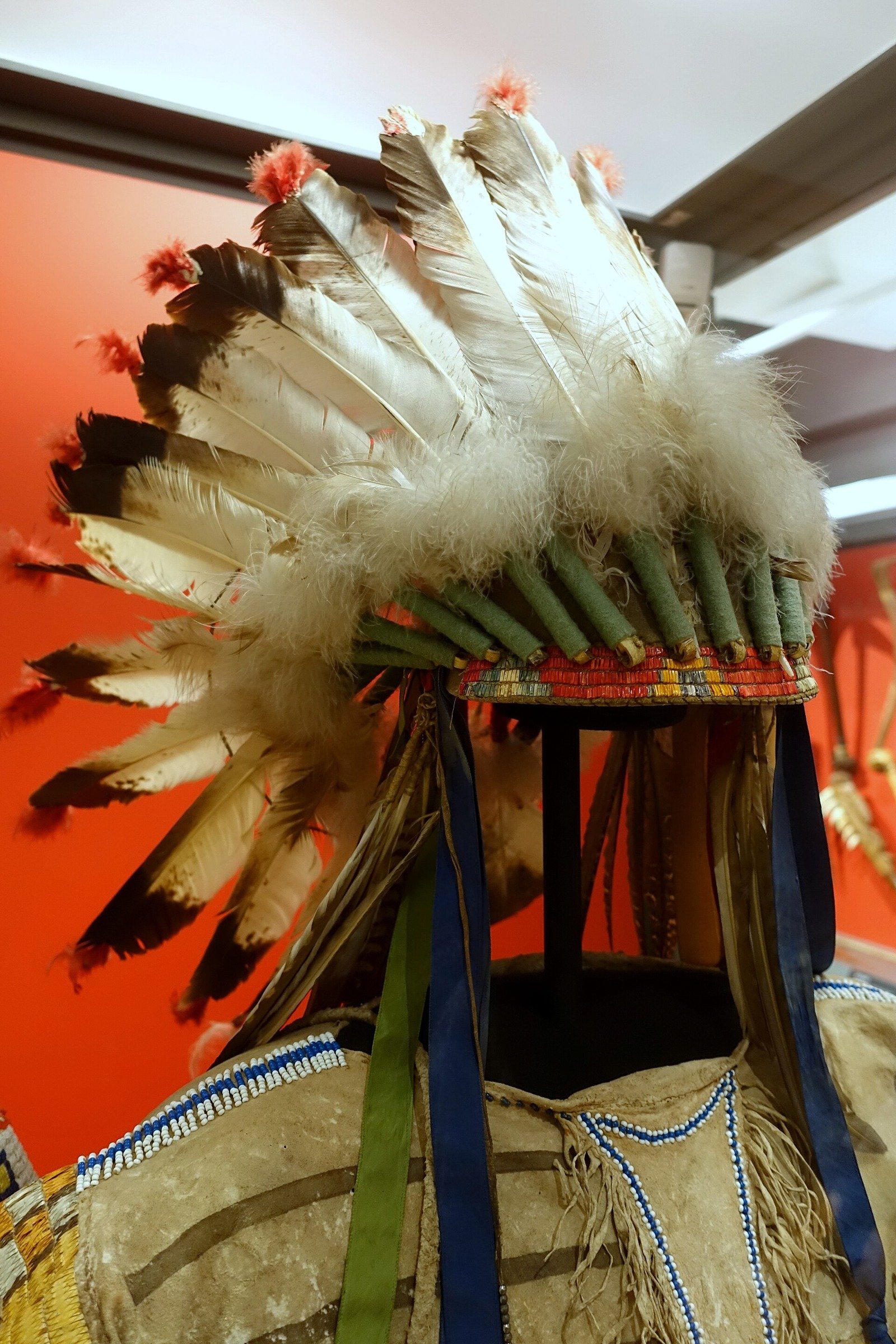
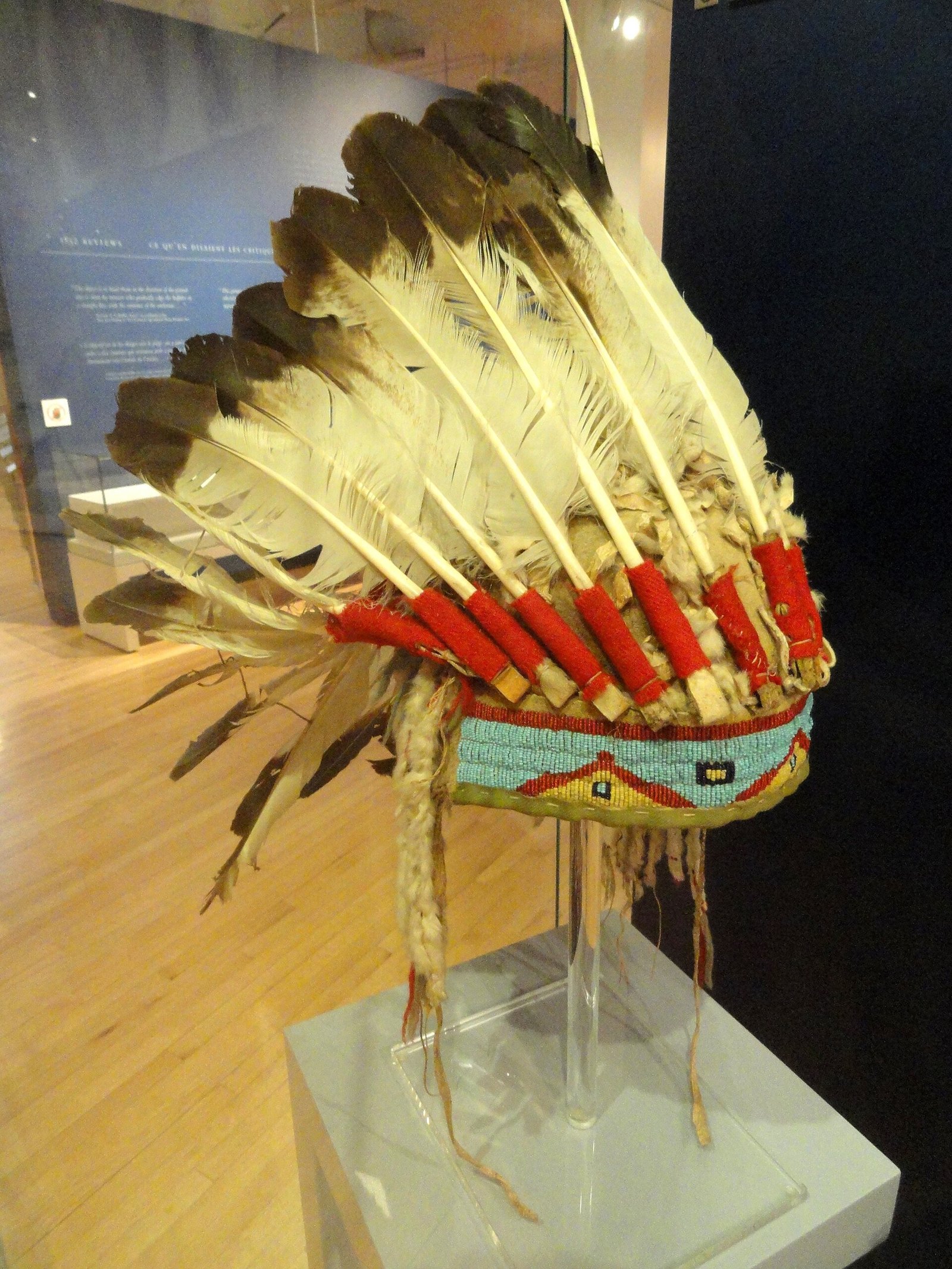
The war bonnet, the long headdress of eagle feathers, is thought to have begun with the Lakota and spread to the Crow, Cheyenne, Blackfoot, Kiowa and other nations. A story from the Sioux describes a bonnet in which every feather stood for a brave deed. Only a man who had shown great courage in battle received one.
Some traditions also marked the feather itself. One account says that a warrior who counted coup unhurt earned a plain feather, while a warrior who was wounded had a red mark painted on his. In this way, a feather could tell a story: what a man had done, and what it had cost him.
Systems for counting coup differed from nation to nation, and deeds were often told aloud at dances and gatherings, so that the community could honor them.
Not Only For Warriors
The eagle feather was not only for men at war. Among many nations, feathers are given to honor many kinds of courage and service. They are given to a young person who graduates from school, to a soldier or veteran who comes home from service, to someone who has done something important for the people, or to a leader who speaks for them.
In each case, the feather is a gift, and it carries responsibility. The person who receives it is expected to live in a way that honors it.
How A Feather Is Treated
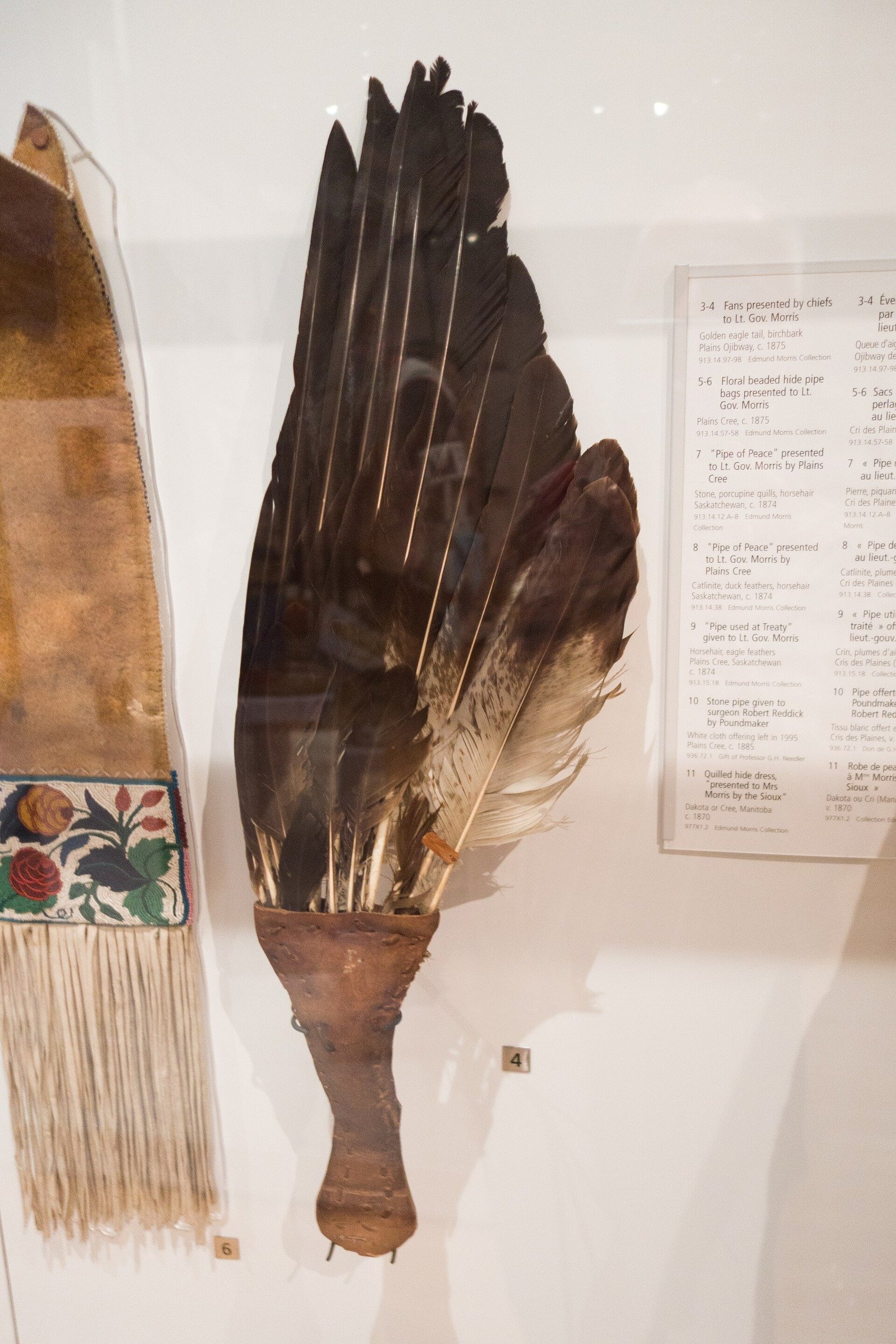
In many communities, an eagle feather is treated with great care. It is kept in a clean, safe place, often wrapped in cloth. It is often cleansed with the smoke of sage or sweetgrass. It is held during prayers and important promises. And at many powwows, if a feather falls to the ground during a dance, the dancing stops, and a respected elder or veteran performs a ceremony to pick it up.
Practices vary by nation and by family, so these are examples and not universal rules.
The Law
The eagle is also protected by American law. Under the Bald and Golden Eagle Protection Act, it is illegal for most people to take, own or sell eagles or their parts, including feathers found on the ground. A violation can bring a fine of up to $100,000 and up to a year in prison for a first offense.
But the law makes an exception for Native Americans. Enrolled members of federally recognized tribes may obtain eagle feathers for religious and cultural purposes.
To make this possible, the U.S. Fish and Wildlife Service runs the National Eagle Repository, which receives eagles that died naturally or in accidents and sends their feathers to qualified tribal members. The demand is high. The Repository’s wait list, as it stood at the time of writing, was filling orders for a whole adult golden eagle placed in January 2018 or earlier.
A Debate Over Who Qualifies
The law is not without critics. Some argue that requiring enrollment in a federally recognized tribe excludes Native people who are not enrolled, or who cannot prove their ancestry. Others reply that the law is the main legal protection for Native spiritual practice, and that limited eagle numbers could not meet wider demand. A federal appeals court has ruled that the restriction does not violate the Religious Freedom Restoration Act, but the discussion continues.
What About Everyone Else?
If you are not Native, the lesson is simple: an eagle feather is not a souvenir or a fashion item. A real one is illegal to own without permission, and a replica worn as a costume is an insult to people for whom the feather must be earned. If you see a feather, or a headdress, treat it with the same respect Native people do.
The Feather That Is Still Earned
Today, Native students wear eagle feathers on their graduation caps. Families give feathers to sons and daughters returning from military service. The old rule still holds: the feather is given, not taken.
After reading about the eagle feather, find out 10 Native American warrior women history forgot. Then read 10 things Hollywood got wrong about Native Americans.