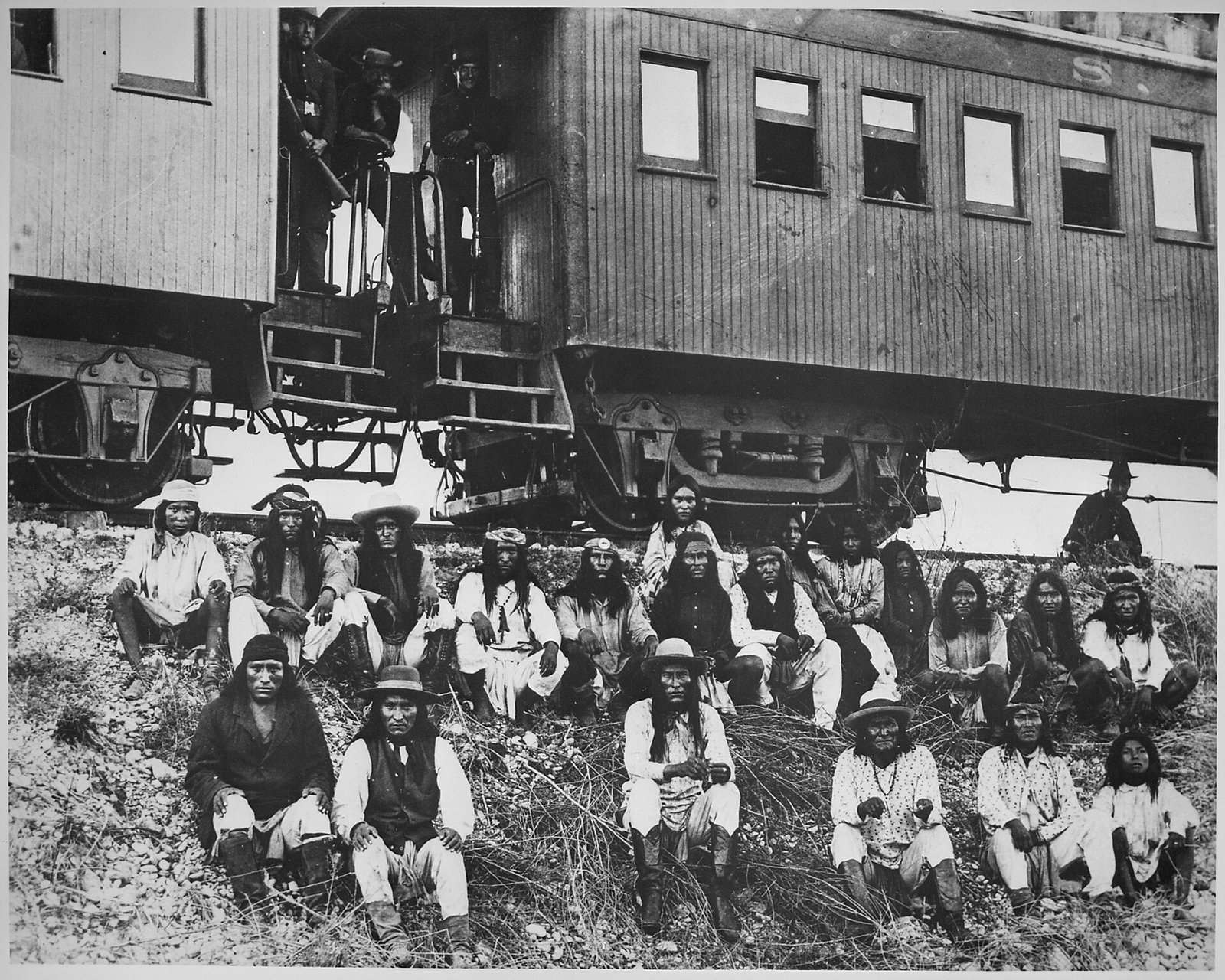
One claim spreads again and again online: “The Apache were Black, because historical photographs show them with dark skin.”
It sounds simple. But it is wrong, and it erases the real history of a Native nation. Here is what the facts show.
Who Are The Apache?
The Apache are not one people but a family of Native nations in the American Southwest and southern Plains. They include the Chiricahua, Mescalero, Jicarilla, Western Apache, Lipan and others. Their languages belong to the Southern Athabaskan family, the same family as Navajo.
Linguistic and genetic research points to a long journey. Southern Athabaskan peoples are thought to have migrated from the Subarctic, in what is now northwestern Canada, down into the Southwest. Studies of their DNA suggest a relatively small group that mixed with Native peoples already living in the Southwest. Sources differ about the exact timing, but the Apache are an Indigenous North American people, with a history that is traced through Native languages, Native homelands and Native genetics.
Why Skin Color Proves Nothing
Skin tone is not a test of ancestry. Native peoples across the Americas have a wide range of skin tones, from lighter to darker brown, and that range exists within the Apache nations themselves. Dark skin is not exclusive to people of African ancestry. Sun exposure, family traits and many other factors play a part, in every population on earth.
So a photograph showing a person with dark skin cannot, on its own, show that person’s ancestry. Only documented family history and genetic evidence can say more, and neither supports the claim that the Apache as a people were Black.
Why Old Photographs Mislead
Photographs from the 1800s are especially unreliable for judging skin color.
- The process. Early photographs were black and white, and the chemicals and printing methods changed how tones looked. Lighting, shadows and age could darken faces and skin.
- Modern edits. Many “colorized” or “restored” images online were changed by software or AI. Some were created by AI from scratch. Faces, skin tones and clothing in these images are often invented, not photographed.
- Wrong labels. Photos are sometimes shared with false captions, so that a picture of one group is presented as another.
If you want to judge a photograph, look for the original, with its date, photographer and archive.
A Possible Source Of Confusion
The Apache wars of the 1800s involved many groups. Black soldiers, the Buffalo Soldiers of the U.S. Army’s 9th and 10th Cavalry, served in campaigns against Apache bands. That is real history, and it is part of the story of the Southwest. But soldiers who fought the Apache were not the Apache.
What The Real Photographs Show
The best way to know the Apache is through authenticated photographs and the records of the people themselves. The photo at the top of this article was taken in 1886, as Geronimo and other Chiricahua Apache were being taken to Florida as prisoners of war. It is held in the National Archives.
After Geronimo’s final surrender in September 1886, the Chiricahua, including many who had served as Army scouts, were held as prisoners for years, in Florida and Alabama and later in Oklahoma. They were Apache people, defending an Apache homeland.
Respect The Real History
The Apache are a living Indigenous people today, with their own nations and traditions. Claiming that they were “really” another people, because of how they look in a photograph, takes away their own story. When you see a post like this one, check the source before you share it.
After reading this, find out 10 Native American leaders who never surrendered. Then read 10 things Hollywood got wrong about Native Americans.