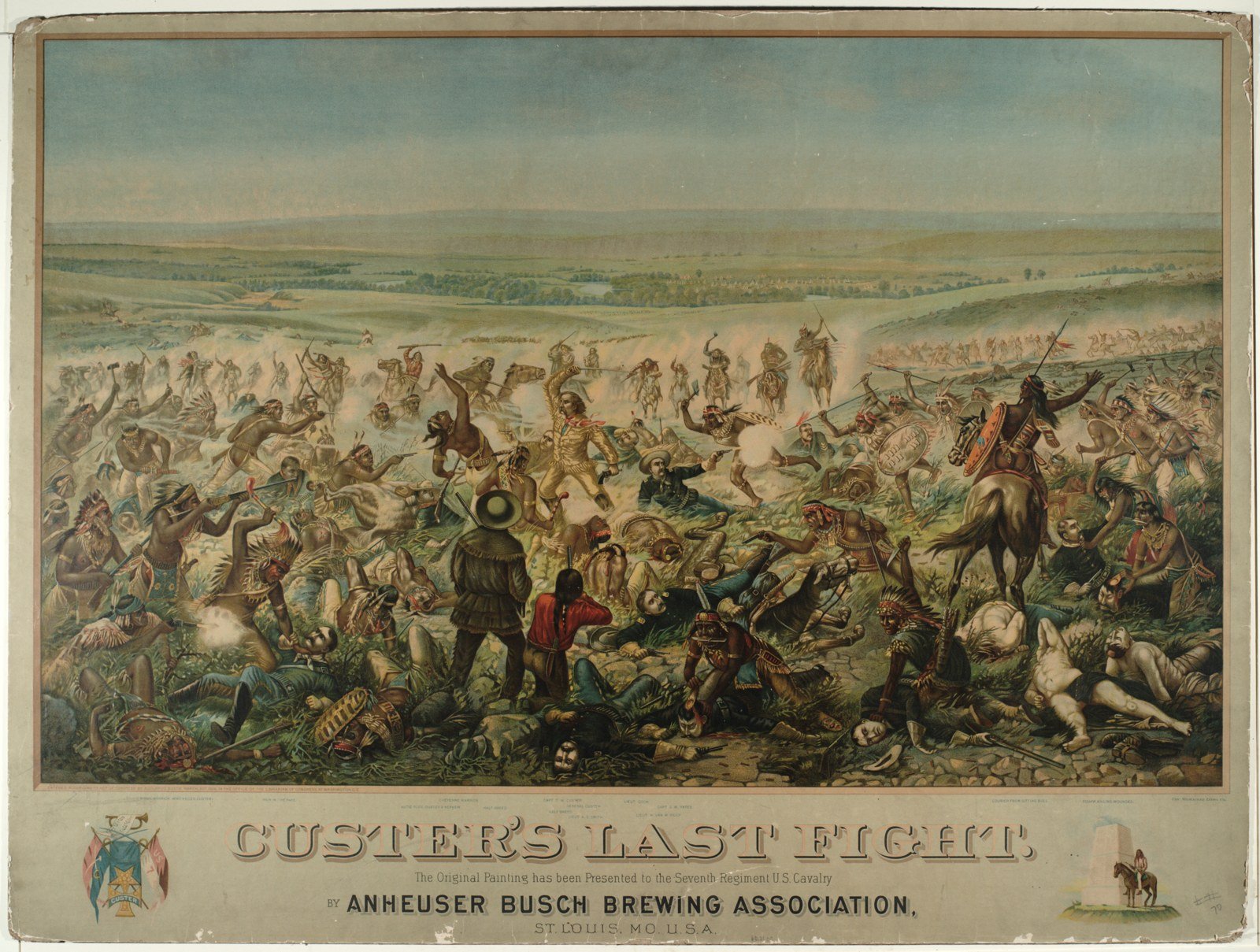
On June 25, 1876, Lieutenant Colonel George Armstrong Custer led the 7th Cavalry into the valley of the Little Bighorn River in Montana. By the end of the day, Custer and every soldier in the five companies riding with him were dead, and the rest of his regiment was trapped on a hilltop, fighting for its life.
The Lakota, Cheyenne and Arapaho warriors who defeated him were defending their families, and they fought with skill and courage. But historians have spent nearly 150 years pointing to the choices Custer made in the days and hours before the battle. Here are 10 mistakes that led to Custer’s Last Stand.
1. He Turned Down Extra Soldiers
On June 21, 1876, aboard the steamboat Far West on the Yellowstone River, General Alfred Terry laid out the plan. Custer and the 7th Cavalry would ride up the Rosebud and come down on the Native camp from the south, while Colonel John Gibbon’s column came up from the north.
Terry offered Custer a battalion of the 2nd Cavalry under Major James Brisbin. Custer said no. According to the National Park Service’s history of the campaign, he argued that if the 7th Cavalry couldn’t handle the opposition alone, the extra battalion wouldn’t make any difference.
2. He Left The Gatling Guns Behind
Terry also offered Custer a battery of Gatling guns, the rapid-firing weapons of their day. Custer turned those down too.
He said the heavy guns, pulled on carriages over rough country by worn-out horses, would slow him down at the moment speed mattered most. The National Park Service notes that many historians think he had a point. But in the investigations that followed the battle, the missing guns became one of the most debated decisions of the campaign.
3. He Badly Underestimated How Many Warriors He Faced
The Army’s planners believed the free Lakota and Cheyenne bands probably numbered fewer than a thousand warriors. They were wrong. That summer, families from many bands had come together along the Little Bighorn, and historians estimate there were somewhere between 1,500 and 2,000 fighting men in the camp.
Custer had about 600 soldiers, scouts and civilians in his whole regiment, and he would not keep them together.
4. He Ignored His Own Scouts
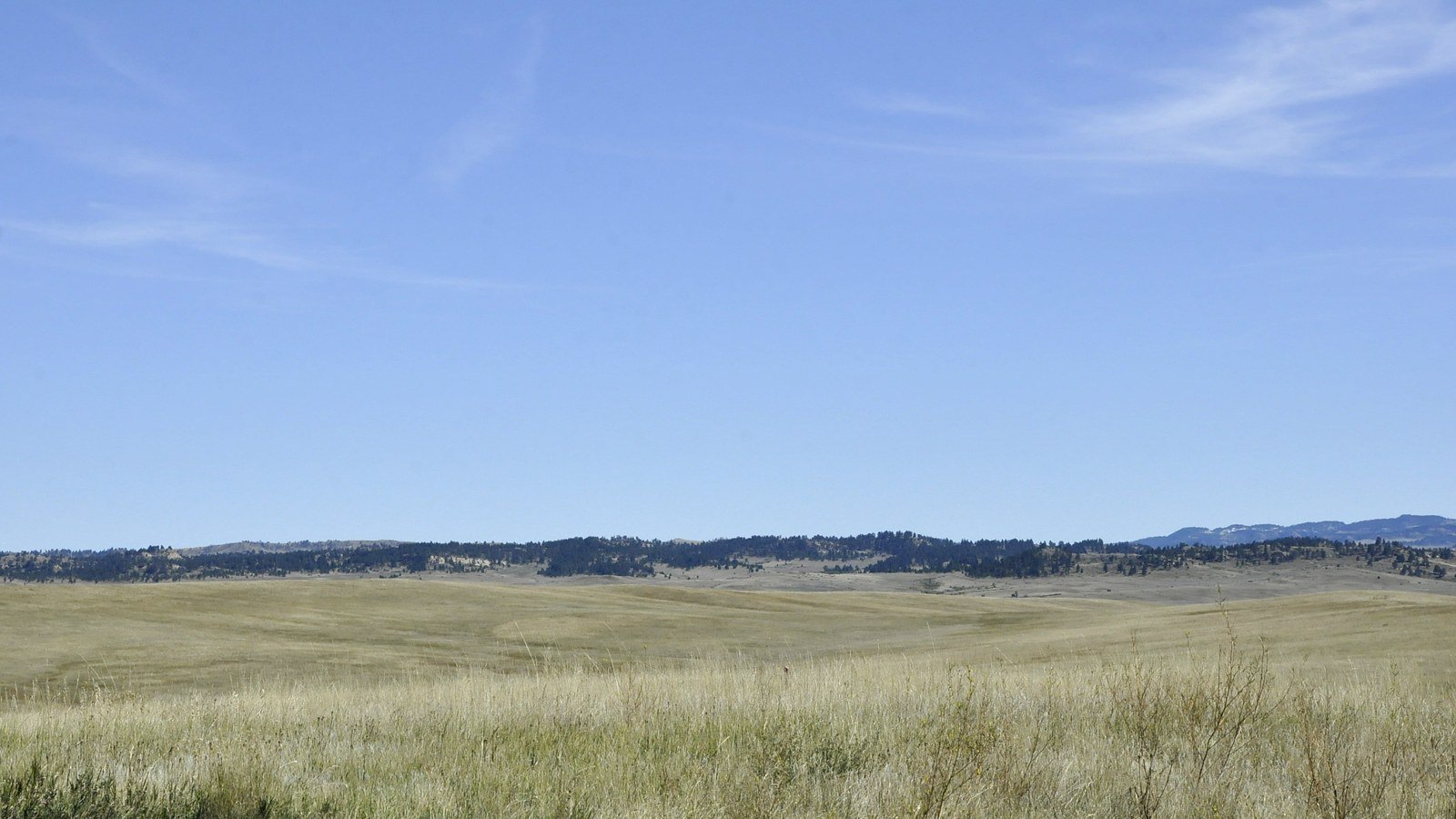
Before dawn on June 25, Lieutenant Charles Varnum and the regiment’s Crow and Arikara scouts climbed a high lookout called the Crow’s Nest. From there the scouts could see smoke from the camp and a huge pony herd on the hills beyond it, about 15 miles away.
Custer rode up to look but said he couldn’t see what they saw. The scouts made no secret of their fears about fighting such a huge gathering. The interpreter Mitch Bouyer is said to have told Custer it was the largest village he had ever known of, and Custer’s favorite scout, Bloody Knife, tried to warn him that there were far more warriors than he expected. Custer pressed on. Bouyer and Bloody Knife were both killed that day.
5. He Wore Out His Men And Horses
Custer had driven his regiment hard for days. On June 24, after about 30 miles in the saddle, he ordered a night march that added another 10 miles in the dark, crossing toward the divide between the Rosebud and the Little Bighorn.
His original plan was to rest on June 25 and attack at dawn on the 26th. Instead, as the National Park Service puts it, he “rushed his exhausted command into battle a day early.”
6. He Attacked Before The Other Army Could Arrive
General Terry hoped that no fighting would start before June 26, the earliest day Gibbon’s infantry could reach the area. The idea was to trap the camp between two forces.
But on the morning of the 25th, small parties of Lakota were seen near the regiment, and Custer believed his column had been discovered. Rather than wait for Gibbon, he decided to find the village and attack it right away. When Terry and Gibbon finally reached the valley on June 26, the battle was already over.
7. He Believed The Village Would Run Away
Custer’s greatest fear was not losing a battle. It was that the camp would scatter before he could strike. He believed that if he waited until the 26th, there would probably be no one left to attack.
He was wrong. The warriors in the camp did not flee. They rode out to protect their families, and they fought.
8. He Split His Regiment Into Pieces
Around noon on June 25, Custer divided the 7th Cavalry. Captain Frederick Benteen took three companies, about 125 men, off to the left to scout the hills. Major Marcus Reno got three companies, about 140 men. Captain Thomas McDougall guarded the slow pack train with one company. Custer kept five companies, about 215 men, for himself.
Benteen was soon miles away. Later in the battle, Custer’s own group appears to have split again. A regiment that was already outnumbered had been broken into small groups too far apart to help each other.
9. He Promised Reno Support That Never Came
Custer ordered Reno to cross the river and charge the south end of the village. According to Reno’s official report, Custer’s adjutant, Lieutenant William Cooke, told him to charge and that “the whole outfit would support me.”
Reno attacked, but Custer did not follow him into the valley. Instead, Custer turned north along the bluffs on the other side of the river. Reno’s men were quickly overwhelmed, retreated across the river in near panic and climbed the bluffs. Of about 130 men who entered the valley fight, 33 were killed, and others were left behind in the timber.
10. He Called For Help Too Late
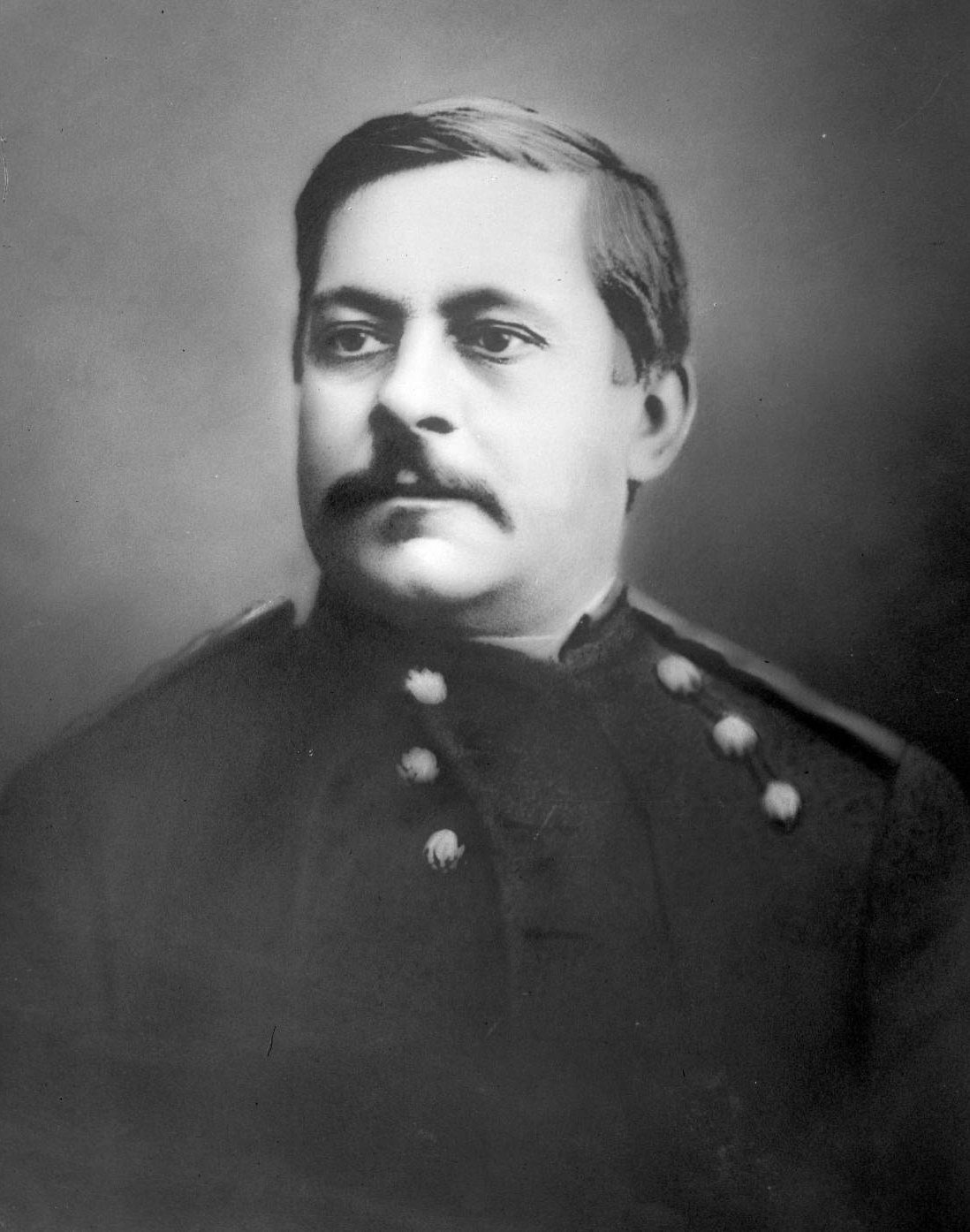
As Custer rode north and saw the full size of the village, he finally sent for help. His adjutant scribbled a note and gave it to the trumpeter, Giovanni Martini, an Italian immigrant: “Benteen. Come on. Big Village. Be quick. Bring packs.”
Martini was the last soldier known to have seen Custer alive. He reached Benteen, but by then Benteen was miles away. Benteen joined Reno’s battered men on the bluffs instead of riding on to find Custer. Some of the soldiers later moved north toward a high point now called Weir Point, where they saw dust and smoke in the distance, but warriors drove them back. Custer and his five companies were already gone.
The Other Side Of The Story
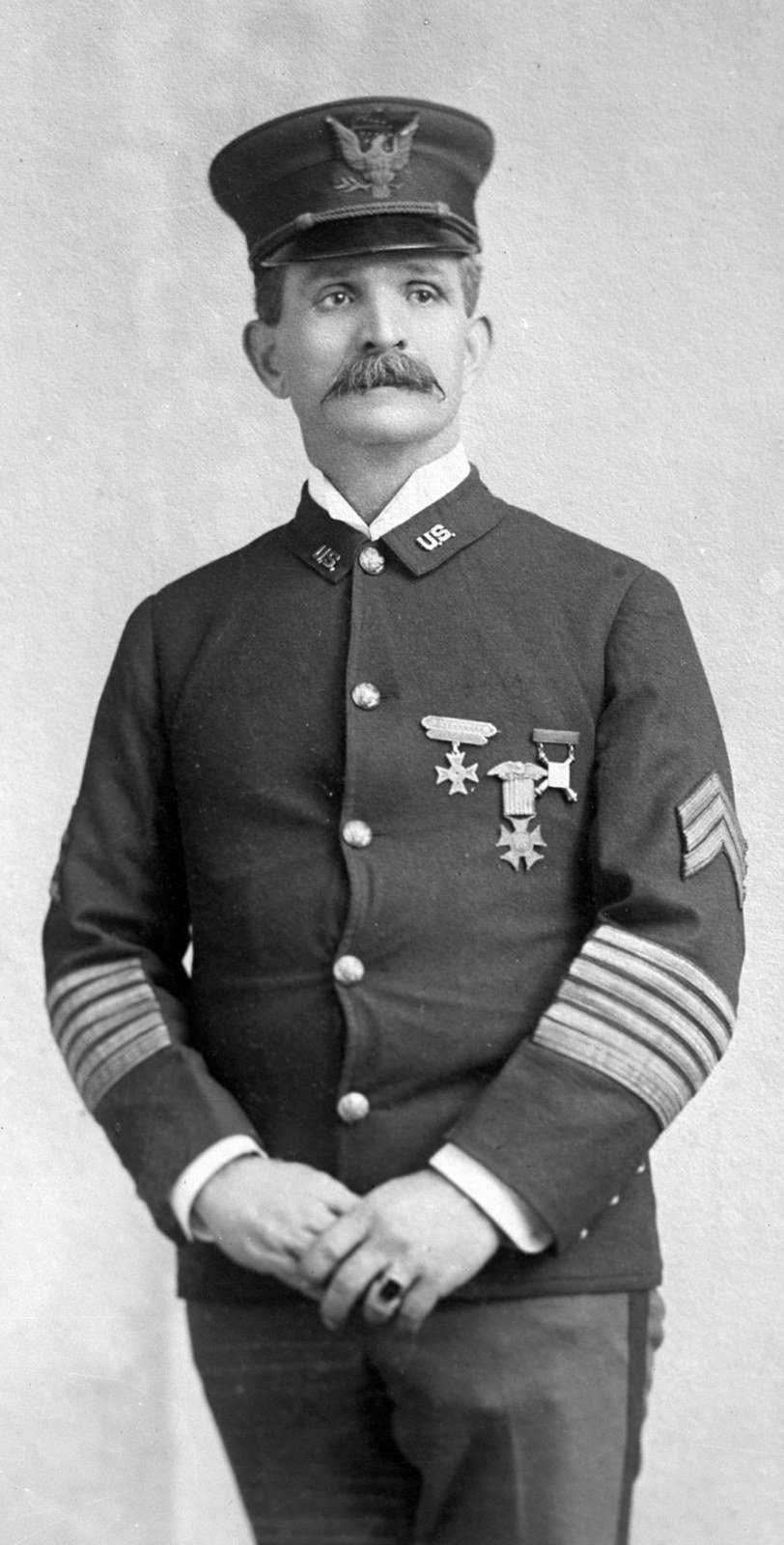
It’s easy to tell the Little Bighorn as a story of one man’s mistakes. But Custer’s errors only mattered because of the people he rode against.
The Lakota, Northern Cheyenne and Arapaho in that camp, led by men like Sitting Bull, Crazy Horse, Gall and Two Moons, responded faster and fought harder than the Army ever expected. They turned back Reno, then surrounded and destroyed Custer’s command in a single afternoon. To them, June 25, 1876, was not a disaster. It was the day they defended their families and won.
After reading about Custer’s mistakes, find out just how bad Custer’s Last Stand really got. Then, read 7 battles where Native nations defeated the U.S. Army.