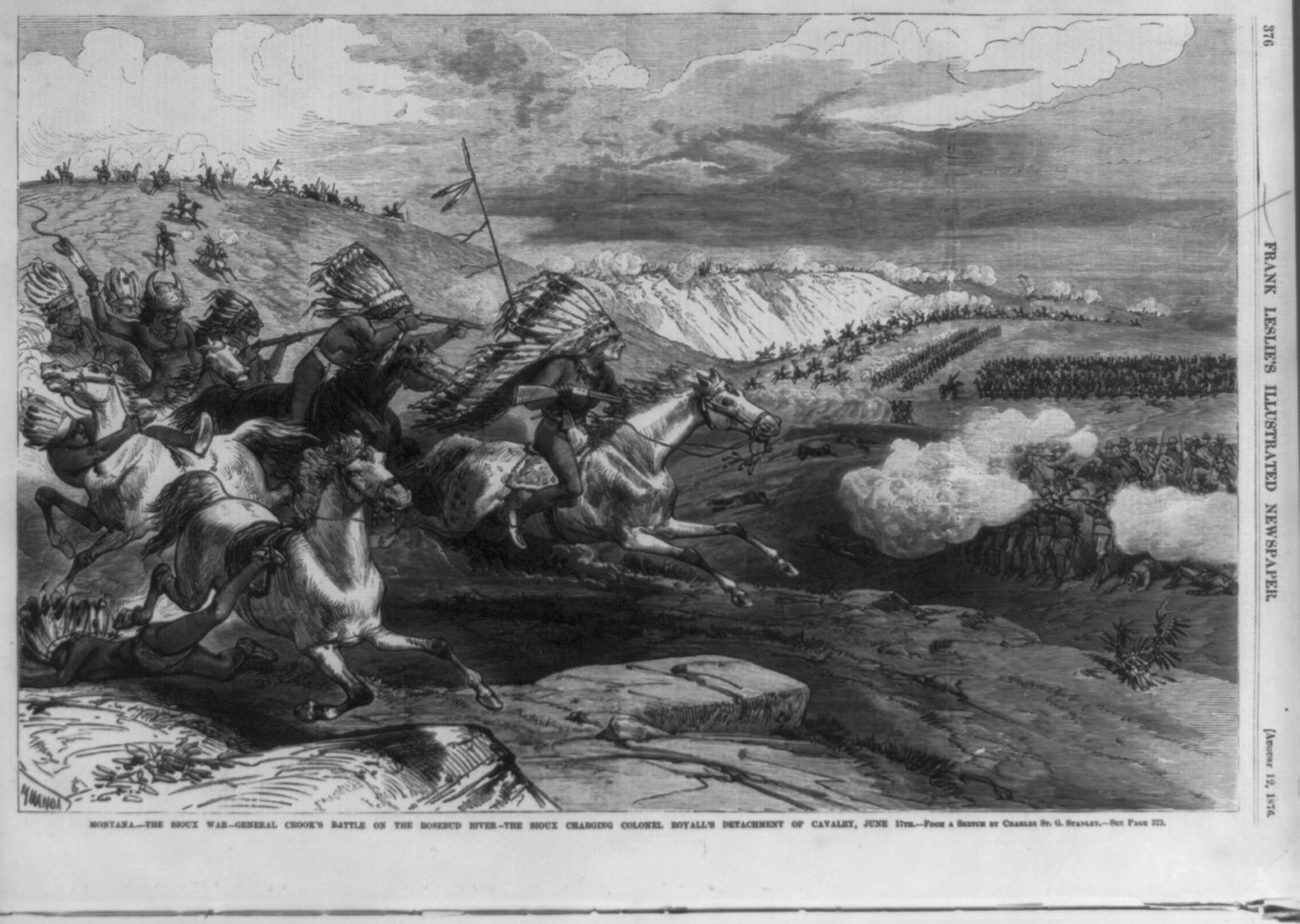
He was one of the greatest war leaders the Lakota people ever knew. Crazy Horse helped turn back General Crook at the Rosebud, fought at the Little Bighorn where Custer’s command was destroyed, and was one of the last Lakota leaders to surrender.
Yet for all his fame, Crazy Horse left almost nothing behind for historians. Unlike many leaders of his time, he left no written statements, signed no treaties, and avoided public speaking. Much of what we know comes from people who knew him, and their memories don’t always agree.
Nearly 150 years after his death, these are the questions about Crazy Horse that historians still can’t answer.
1. Was Crazy Horse Ever Photographed?
Crazy Horse is well known for avoiding the camera all his life. Dr. Valentine McGillycuddy, the Army doctor who knew him at Camp Robinson and tried hard to get him photographed, doubted that any picture of him was ever taken.
And yet one small tintype has been promoted for decades as the only photograph of Crazy Horse, said to have been taken in 1877, shortly before his death. A museum near the Little Bighorn battlefield has championed it, and a book has been written arguing the case for it.
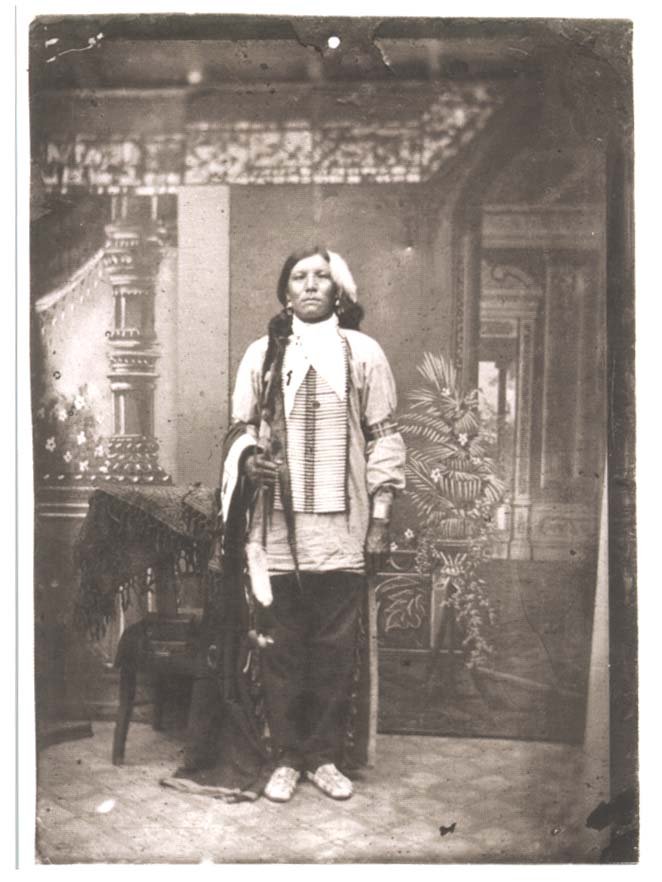
Most Lakota historians and biographers aren’t convinced. The man in the tintype lacks the facial scar Crazy Horse was known to have, and he is dressed far more elaborately than Crazy Horse ever was. Some researchers believe it actually shows No Neck, a Lakota leader who surrendered at around the same time. The debate has never been settled.
2. What Did He Really Look Like?
Without a confirmed photograph, the only clues are descriptions from people who knew him, and they paint a surprising picture. People who knew him described sandy or light brown hair and a complexion lighter than most Lakota. As a boy he was called Curly or Light Hair because of it.
An Army officer, John Bourke, described him in 1877 as “five feet eight inches high, lithe and sinewy.” His sister later said he had hazel eyes. And a newspaper reporter in 1877 noted a bullet scar through his left cheek, from an 1870 confrontation with a man named No Water.
Even the giant Crazy Horse Memorial being carved into a mountain in South Dakota, begun in 1948, is an artist’s vision rather than a true likeness. No one alive today knows what his face looked like.
3. When Was He Born?
Even the year of his birth is uncertain. Historian Kingsley Bray and Lakota author Joseph Marshall place it in 1840, as does oral history from the Cheyenne River Reservation. But the account of his close friend He Dog, along with census records, points to 1842.
His birth name is usually given as Čháŋ Óhaŋ, often translated “Among the Trees.”
4. How Did He Get The Name “Crazy Horse”?
Crazy Horse was not his first name. It belonged to his father. Later, his father took the name Worm and passed the name Crazy Horse to his son.
Exactly why and when is told in different ways. One account says his father simply gave him the name as he came of age. Another says it was given after a vision quest, when holy men honored the young man for what he had seen and done. Both versions survive, and no one can say for sure which is closer to the truth.
5. Was His Famous Vision Real?
According to an account given by the trader William Garnett, the young Crazy Horse fasted alone on the plains and saw a vision of a rider in plain clothes, wearing a single feather, who told him never to wear a war bonnet and to dust himself before battle. Crazy Horse is said to have followed this path all his life. His friend He Dog confirmed that he never wore a war bonnet and rode into battle with a single feather and a small stone tied under his arm.
But not everyone agreed. A medicine man named Chips, who knew Crazy Horse, flatly denied the story of the horseman, saying there was “no truth” in it. Whether the vision happened as described, or grew in the retelling, may never be known.
6. What Exactly Did He Do At The Little Bighorn?
Crazy Horse fought at the Little Bighorn on June 25, 1876, in both the fight against Major Reno and the destruction of Custer’s command. An Arapaho warrior named Water Man remembered him as “the bravest man I ever saw. He rode closest to the soldiers, yelling to his warriors. All the soldiers were shooting at him, but he was never hit.”
But his exact role is still argued over. Did he lead a sweeping attack that cut Custer off from the north, as many accounts say? Or has his part been simplified over the years? Historians agree he was there and fought bravely. Beyond that, the details remain contested.
7. What Did He Really Say In August 1877?
Crazy Horse surrendered at the Red Cloud Agency near Camp Robinson, Nebraska, on May 6, 1877, leading some 900 of his people in a long column singing a peace chant. One officer is said to have exclaimed, “This is a triumphal march, not a surrender!”
Just a few months later, Army officers asked the northern Lakota leaders to help fight the Nez Perce. At a council, the words spoken were translated by the scout Frank Grouard. According to many historians, the speaker said they would go north and fight “until all the Nez Perce were killed,” but Grouard translated it as fighting “until not a white man is left.”
Accounts even differ on whether those words came from Crazy Horse or from the Miniconjou leader Touch the Clouds. Grouard never admitted any mistranslation. Whatever was really said, the Army’s trust collapsed, and within days Crazy Horse was being called a danger.
8. Who Really Killed Crazy Horse?
On September 5, 1877, Crazy Horse was brought to Camp Robinson, believing he would be able to tell his side of the story. Instead, he was led toward the guardhouse, and when he realized he was about to be imprisoned and sent far away, he tried to break free. In the struggle, he was fatally wounded.
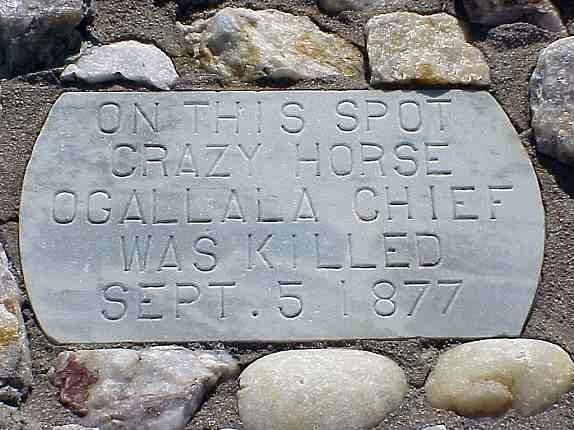
Who struck the fatal blow has never been agreed. At least 17 eyewitness accounts of his death survive, and they differ. Many name a soldier, Private William Gentles, and say the wound came from a bayonet. Other witnesses named different soldiers. Even the Army doctors were unsure whether the wound came from a bayonet or a knife.
Most surprisingly, the Lakota man Little Big Man, who was holding Crazy Horse’s arms during the struggle, later gave a different account. In 1881 he said Crazy Horse’s own knife had been turned against him in the struggle, and that he had thought it best to let people believe a soldier had done it.
9. What Were His Last Words?
Crazy Horse died late that night. Even the time is uncertain: the doctor recorded “about midnight,” while some records suggest earlier, which is why some sources give his date of death as September 6.
Several final words are attributed to him. In one account, as he was hurt in the struggle, he cried out, “Let me go, my friend, you have hurt me plenty bad!” In another, he spoke to his father, Worm: “Father, it is no good for the people to depend on me any longer. I am bad hurt.” Which words were truly his last, no one can say.
10. Where Is Crazy Horse Buried?
After his death, his grieving parents were allowed to take his body. They placed him on a burial scaffold, and later, when the people were moved, they carried his remains away with them.
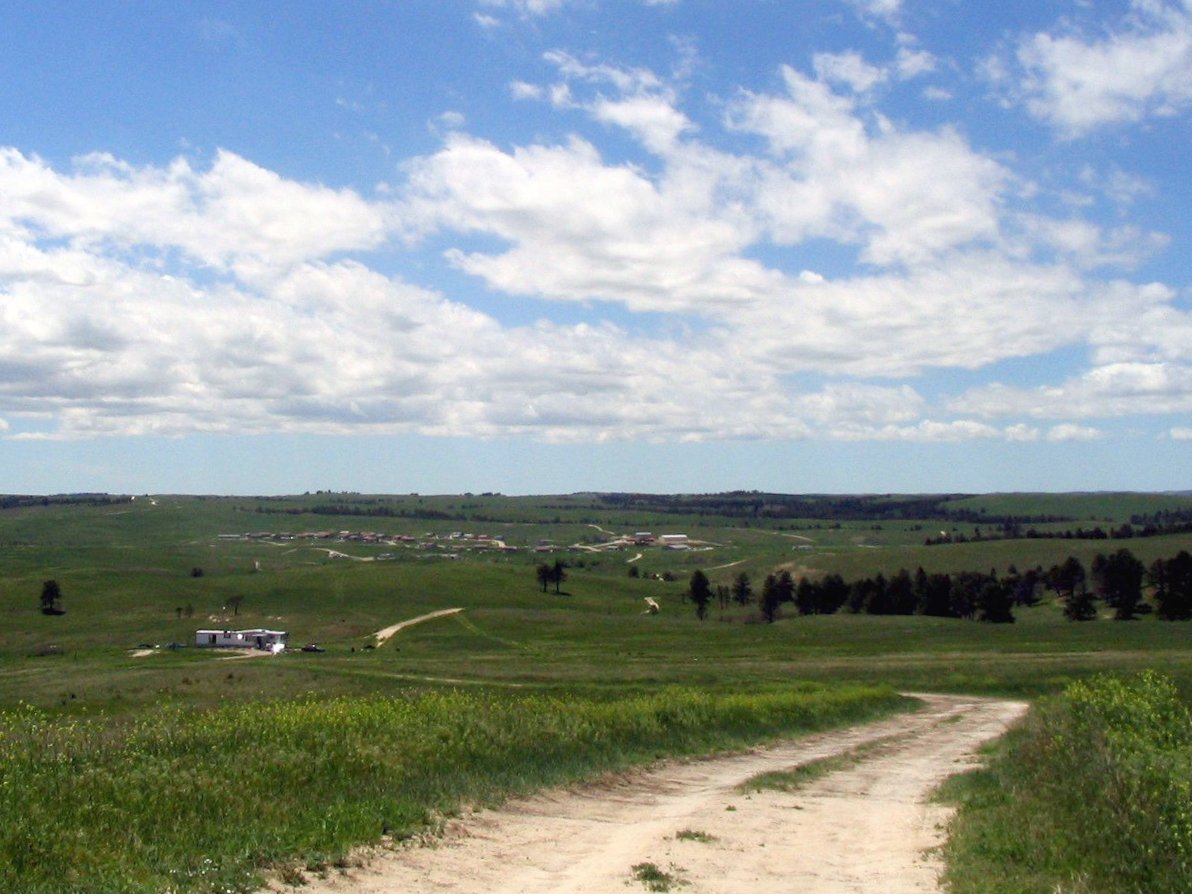
Then they buried him in a place they told no one about. Legend says his grave lies somewhere near Wounded Knee Creek in South Dakota, but it has never been confirmed. His family kept the secret, and to this day, the resting place of Crazy Horse is unknown.
The Man Behind The Legend
Perhaps the greatest mystery of Crazy Horse is that he seems to have wanted it this way. He refused to be photographed, signed no treaties, wrote nothing down, and his family made sure that even his grave would stay hidden.
Today a massive memorial is being carved into a mountain in his honor, though many Lakota believe it goes against everything Crazy Horse stood for. And his face, his final resting place and many of his words remain known only to the people who were there.
Which mystery do you think will be solved first? Tell us in the comments.
Read more: What If Custer Had Won At Little Bighorn? and 4 Native American Women Who Fought Custer At The Little Bighorn.