By the middle of the 1700s, the British Empire was on its way to becoming the most powerful empire on Earth. Its navy ruled the oceans, and its soldiers, the famous redcoats, were among the best-trained in the world.
But in the forests and mountains of North America, British armies kept running into an enemy they did not understand. Native nations fought on their own terms, using the land, surprise and speed. Here are 7 battles where Native nations defeated the British Empire.
1. Braddock’s Defeat (1755): The Day George Washington Should Have Died
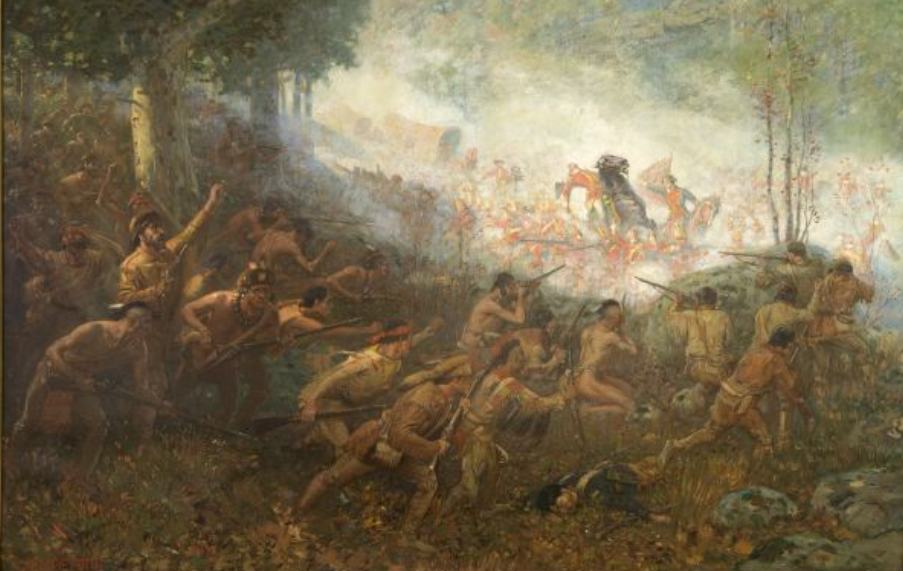
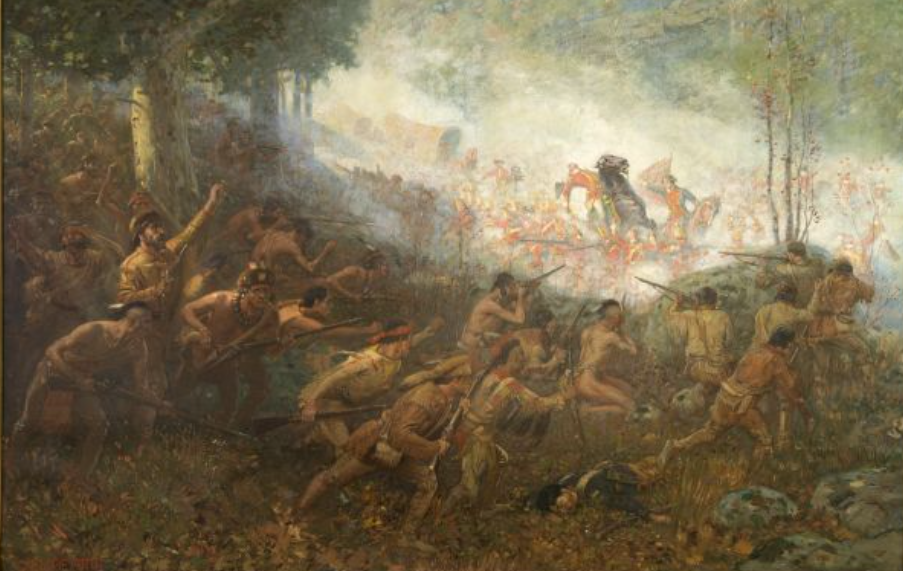
In 1755, General Edward Braddock marched west from Virginia with a powerful army of British regulars and colonial troops to capture the French Fort Duquesne, at the site of modern Pittsburgh. Riding with him as a volunteer aide was a 23-year-old Virginian named George Washington.
On July 9, 1755, near the Monongahela River, Braddock’s column ran into a force of roughly 900 men coming from the fort. According to the American Battlefield Trust, most of them were Native warriors from the Ohio Valley and Great Lakes nations, fighting alongside French and Canadian troops. The warriors spread out through the trees on both sides of the road and poured fire into the redcoats, who were packed together in the open.
The result was a disaster. About 450 of Braddock’s men were killed and about as many wounded. The French and their Native allies lost fewer than 60. Braddock himself was mortally wounded and died during the retreat. Washington rode back and forth trying to rally the men. Two horses were shot from under him, and afterward he found four bullet holes in his coat, but he was not hurt.
2. Sabbath Day Point (1757): Ambush On Lake George
In July 1757, a British force of about 350 New Jersey and New York provincial soldiers under Colonel John Parker set out across Lake George, in New York, in small boats to raid the French at Fort Carillon (later Ticonderoga).
The French knew they were coming. On July 23, near a point of land called Sabbath Day Point, Native warriors, mostly from the Great Lakes nations, along with a small French and Canadian force, lay in wait along the shore. When Parker’s boats approached, the warriors attacked from the shore and from canoes. The British force was nearly destroyed: about 160 men were killed or drowned and around 90 more captured, according to the most common figures. A historical marker at the site says the British suffered about 70 percent casualties. The French side reported only one man slightly wounded.
3. Echoee (1760): The Cherokee Turn Back A British Army
In 1759 and 1760, relations between the Cherokee and the British colonies collapsed into open war, known as the Anglo-Cherokee War. In the summer of 1760, the British sent Colonel Archibald Montgomery with an army of Scottish Highlanders, British regulars and colonial troops to invade the Cherokee towns in the mountains of what is now North Carolina.
On June 27, 1760, near the Cherokee town of Echoee (Etchoe), the army marched into a narrow pass between steep hills and a river. Cherokee warriors attacked from both sides. The British pushed through, but they lost about 20 men killed and about 70 wounded.
Montgomery decided he could not go on. The mountains ahead were too difficult, and he could not carry his wounded forward. Around midnight on June 29, his army quietly turned around and retreated. The Cherokee had stopped a British army in its tracks.
4. Fort Loudoun (1760): A British Fort Surrenders To The Cherokee
Montgomery’s retreat sealed the fate of Fort Loudoun, a British fort built in Cherokee country on the Little Tennessee River, in present-day Tennessee. Cherokee warriors had surrounded it since the spring of 1760. As food ran out, the soldiers and families inside were reduced to eating their horses.
With no help coming, the commander, Captain Paul Demere, surrendered to the Cherokee in August 1760. The garrison was allowed to march out, leaving its cannons and powder behind. But on the second day of the march, about 700 Cherokee warriors attacked the column at Cane Creek, killing Demere, more than 20 soldiers and several others. The Cherokee saw it as revenge for the killing of Cherokee hostages held by the British at Fort Prince George earlier that year.
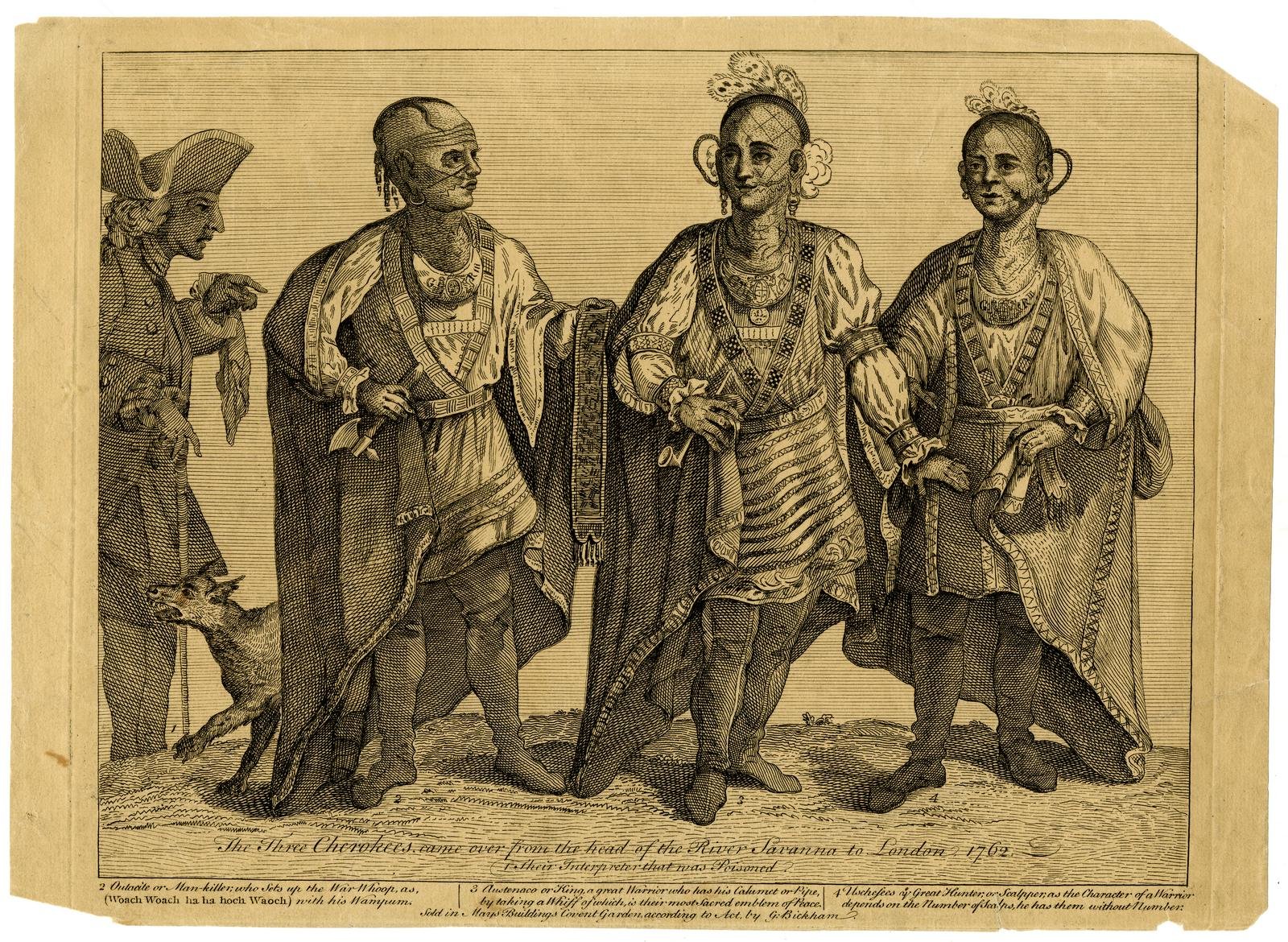
After the war ended, three Cherokee leaders traveled to London in 1762 and met King George III.
5. Fort Michilimackinac (1763): Captured During A Lacrosse Game
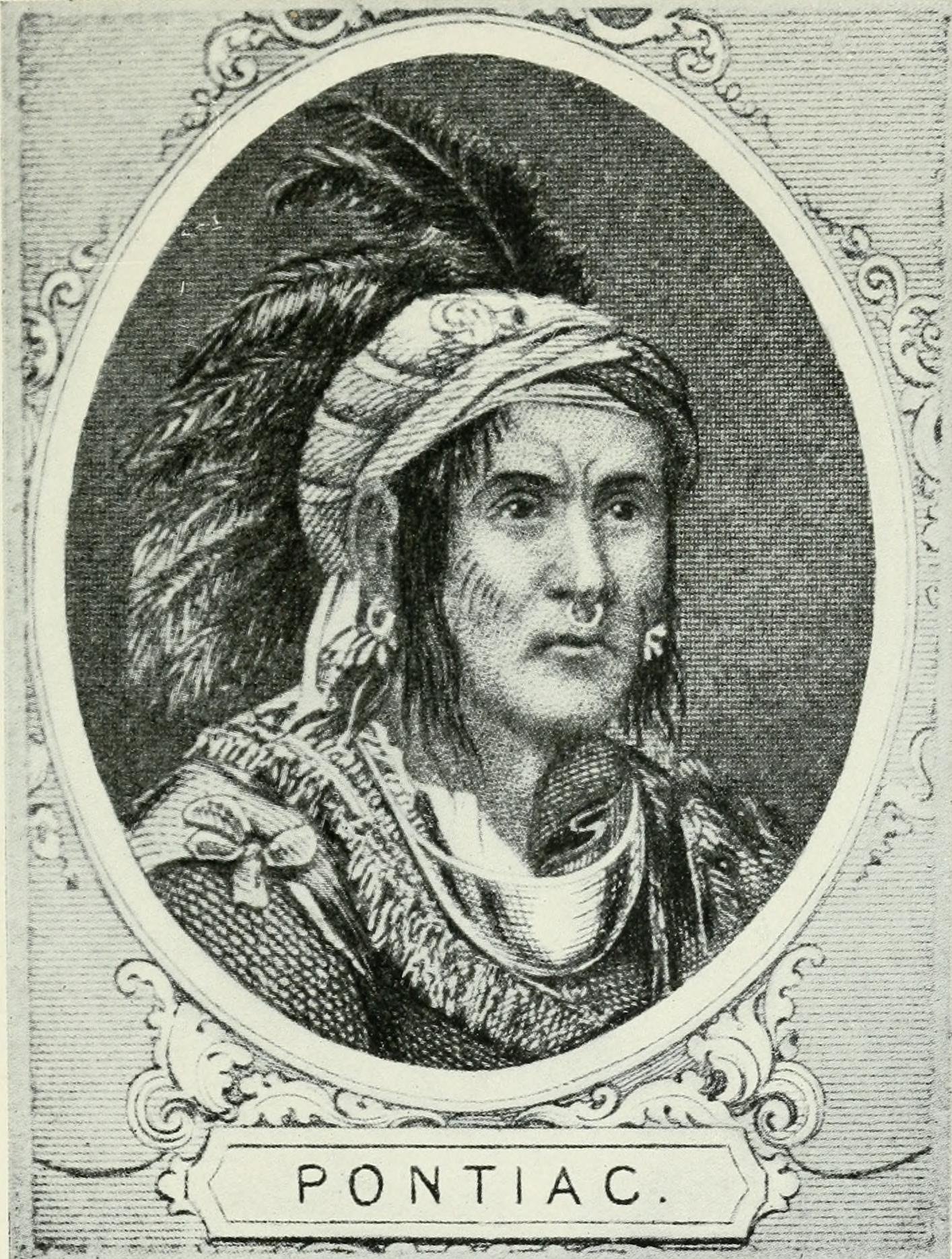
After Britain defeated France in North America, the Native nations of the Great Lakes found their new British rulers far harsher than the French. The British cut back gifts and trade, and settlers pressed onto Native land. In 1763, the Odawa (Ottawa) leader Pontiac and many other leaders rose up in what became known as Pontiac’s War.
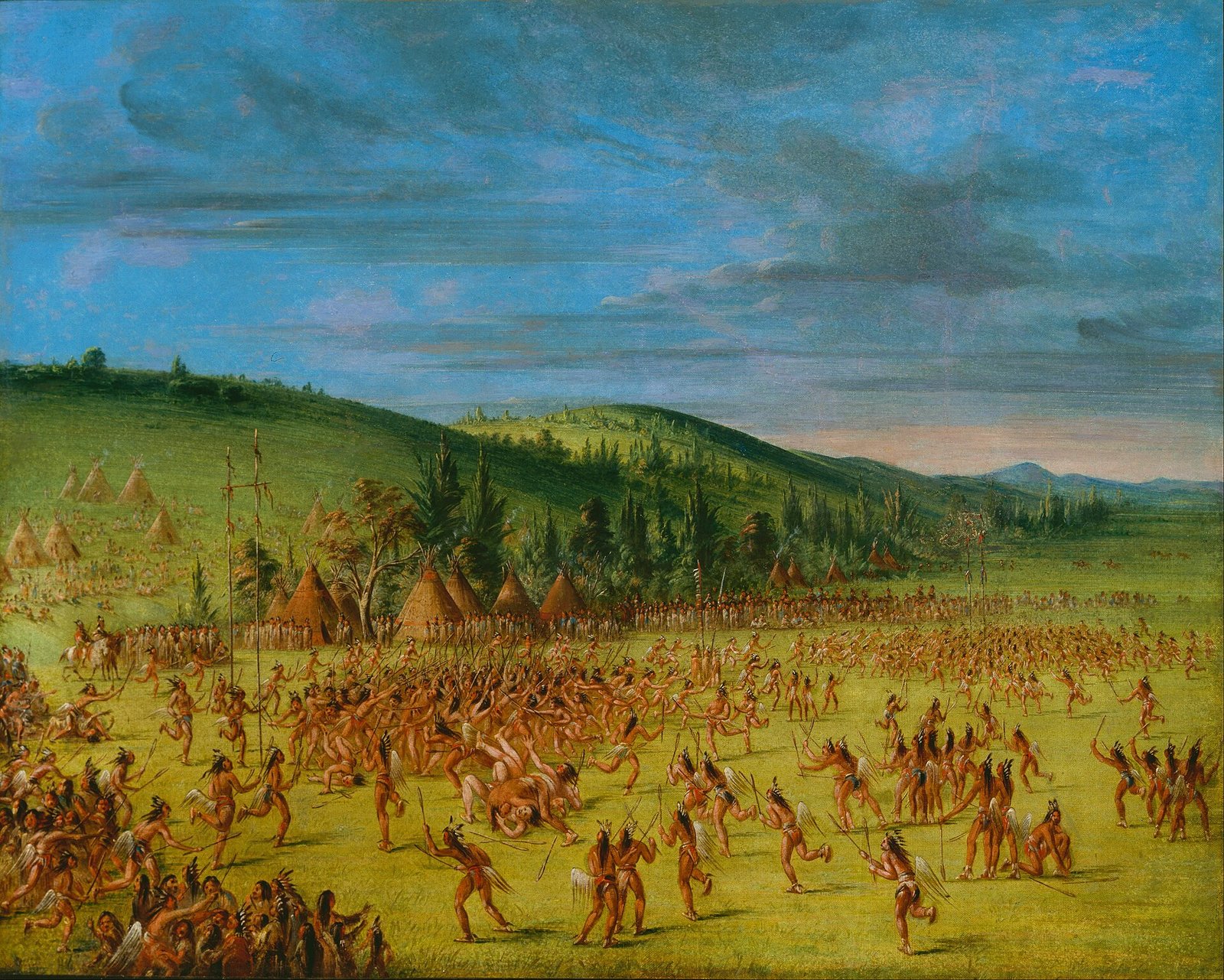
One of the most famous moments came on June 2, 1763, at Fort Michilimackinac, at the northern tip of Michigan. Ojibwe and Sauk men organized a game of lacrosse (baaga’adowe) outside the fort, said to be in honor of King George III’s birthday. The British commander, Captain George Etherington, had been warned of an attack but allowed the game, and the gates stood open as soldiers watched.
During the game, a player threw the ball over the wall, and the players ran toward the gate as if to get it. According to accounts, women standing nearby handed them weapons hidden under their blankets. Within minutes the fort was taken. More than 20 British soldiers were killed and others captured.
6. Bloody Run (1763): Pontiac Strikes Back At Detroit
Pontiac himself led the siege of Fort Detroit, the largest British post in the region. In late July 1763, reinforcements arrived, and Captain James Dalyell persuaded the fort’s commander to let him make a surprise night attack on Pontiac’s camp.
Pontiac learned of the plan. Before dawn on July 31, 1763, as about 250 soldiers marched along the road and crossed a bridge over Parent’s Creek, warriors opened fire from the darkness. Dalyell was killed, and around 20 British soldiers died and about 40 were wounded. The British had to retreat to the fort. The creek has been known ever since as Bloody Run.
7. Devil’s Hole (1763): The Seneca Ambush At Niagara
The Seneca, the westernmost nation of the Haudenosaunee, also joined the fight in 1763. The British depended on a road along the Niagara River gorge, called the portage, to haul supplies around Niagara Falls.
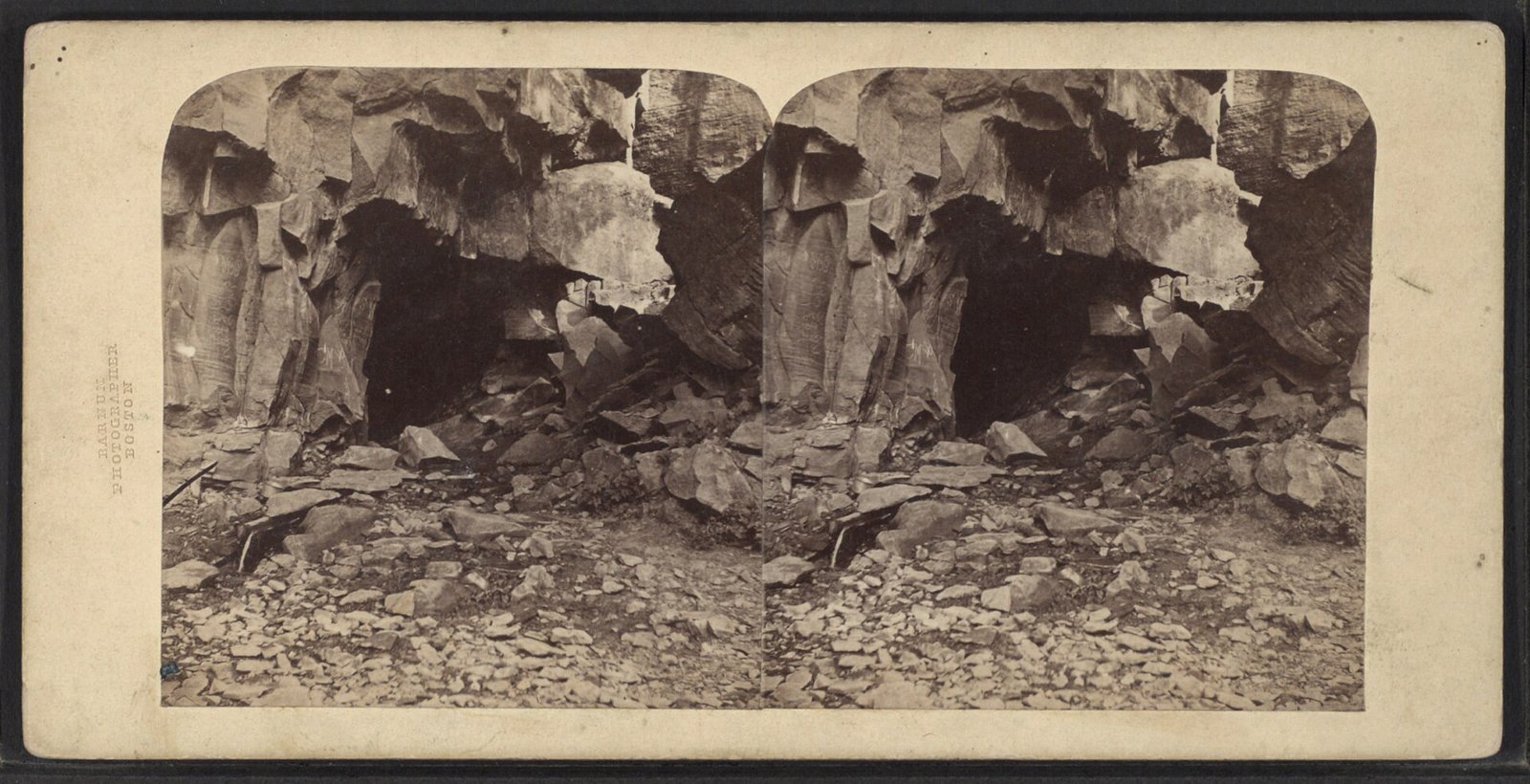
On September 14, 1763, at a place on the gorge called Devil’s Hole, several hundred Seneca warriors ambushed a British wagon train. When two companies of soldiers marched up from Lewiston to help, the warriors ambushed them too. About 80 British soldiers were killed, along with many of the wagon drivers. The Seneca reported only one man wounded. It was one of the deadliest British defeats of Pontiac’s War.
The Victories That Changed A Map
In just a few weeks in 1763, Pontiac’s War captured roughly nine British forts across the Great Lakes region. Detroit and Fort Pitt held out, and in the end the uprising could not drive the British out. But it changed British policy.
On October 7, 1763, King George III issued the Royal Proclamation of 1763, which drew a line along the Appalachian Mountains and forbade colonists from settling west of it. The British were trying to calm the frontier and avoid another costly war. American colonists, eager for western land, were furious. Their anger over the Proclamation Line became one of the grievances that led to the American Revolution.
After reading about the battles the British Empire lost, read about 10 battles where Native nations defeated the Spanish Empire. Then, discover 7 battles where Native nations defeated the U.S. Army.