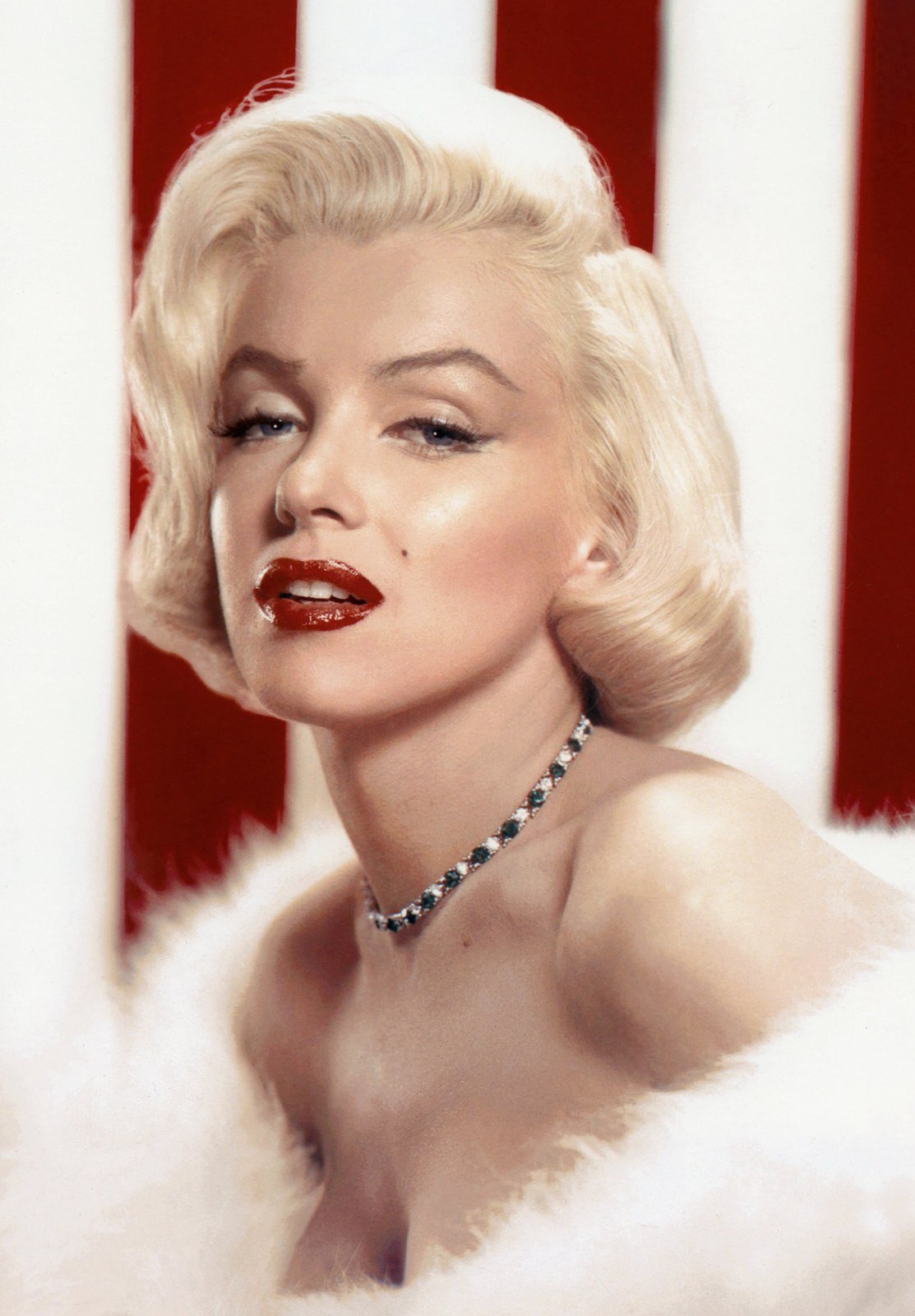
In the early hours of August 5, 1962, Marilyn Monroe was found dead in the bedroom of her home at 12305 Fifth Helena Drive in Brentwood, Los Angeles. She was 36 years old, and she was the most famous movie star in the world.
Within two weeks, the Los Angeles County coroner ruled her death a “probable suicide” caused by an overdose of barbiturates. For many people, that was the end of the story. For many others, it was only the beginning.
Investigators, journalists and even police officers who were there have questioned what happened that night. In 1982, the Los Angeles District Attorney’s office reviewed the case and found no credible evidence that she was murdered, but admitted that “factual discrepancies” and “unanswered questions” remained. Here are 10 of them.
1. Why Did It Take So Long To Call The Police?
According to the official timeline, Monroe’s housekeeper, Eunice Murray, noticed around 3:30 a.m. that Marilyn’s bedroom door was locked and a light was on. She called Monroe’s psychiatrist, Dr. Ralph Greenson, who arrived and broke a window to get into the room. Her physician, Dr. Hyman Engelberg, arrived at about 3:50 a.m. and confirmed she was dead.
The police were not called until 4:25 a.m. Why the wait? And allegations have persisted ever since that the alarm was actually raised much earlier in the night, hours before the police were told.
2. What Time Did She Really Die?
The official account places her death late on the evening of August 4, after she went to her bedroom at around 8:00 p.m. But because of the long gap before police arrived, and the conflicting stories about when she was found, the exact time of her death has never been pinned down.
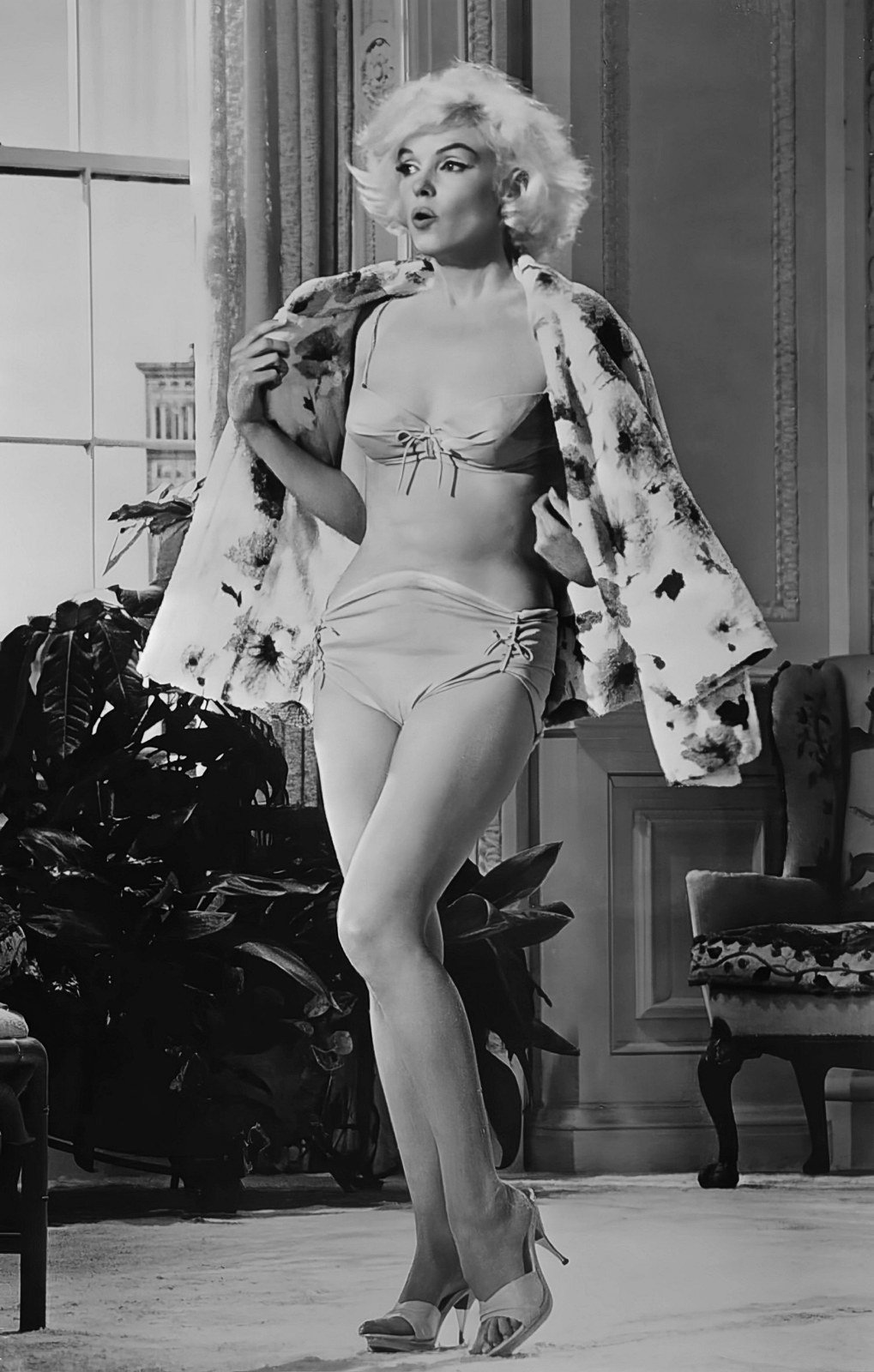
3. Why Was The Housekeeper Doing Laundry?
Sergeant Jack Clemmons of the Los Angeles Police Department was the first officer to arrive at the house. He later claimed that when he got there, Eunice Murray was washing sheets.
Why would anyone be doing laundry in the middle of the night, minutes after a death? The detail became one of the most famous parts of the mystery, but it was never confirmed in the official reports. Clemmons himself came to believe Monroe had been murdered.
4. What Did She Really Say On Her Last Phone Call?
At around 8:00 p.m. that evening, actor Peter Lawford, the brother-in-law of President John F. Kennedy, called Monroe to invite her to dinner. He later said she sounded like she was under the influence of drugs, and that her final words to him were:
“Say goodbye to Pat, say goodbye to the president, and say goodbye to yourself, because you’re a nice guy.”
Was it a goodbye? A cry for help? Or has the story changed in the retelling? Lawford’s account is the only source for those words, and its meaning has been argued over ever since.
5. How Did So Many Pills Leave No Trace?
Deputy coroner Thomas Noguchi, who performed the autopsy, found levels of drugs in her blood and liver several times higher than a lethal dose. The coroner’s office concluded they had been taken quickly, “in one gulp or in a few gulps over a minute or so.”
Yet according to accounts of the autopsy, Noguchi found no visible residue of pills in her stomach. To some, that detail suggests the drugs entered her body some other way. To others, it has a simple medical explanation. The question has never been fully resolved.
6. What Happened To The Missing Samples?
Noguchi wanted further tests run on samples taken during the autopsy. According to later accounts, including his own, some of those samples, including those from her stomach and intestines, were disposed of before they were ever tested. With them went any chance of answering the questions above for certain.
7. Did The “Red Diary” Ever Exist?
Writer Robert Slatzer, who claimed to have been close to Monroe, said she kept a red diary filled with confidential information she had heard from powerful men. A private investigator named Milo Speriglio later claimed to have seen it.
No such diary has ever been produced, and the 1982 District Attorney’s review found no evidence to support the story. But the legend of Marilyn’s missing diary has never gone away.
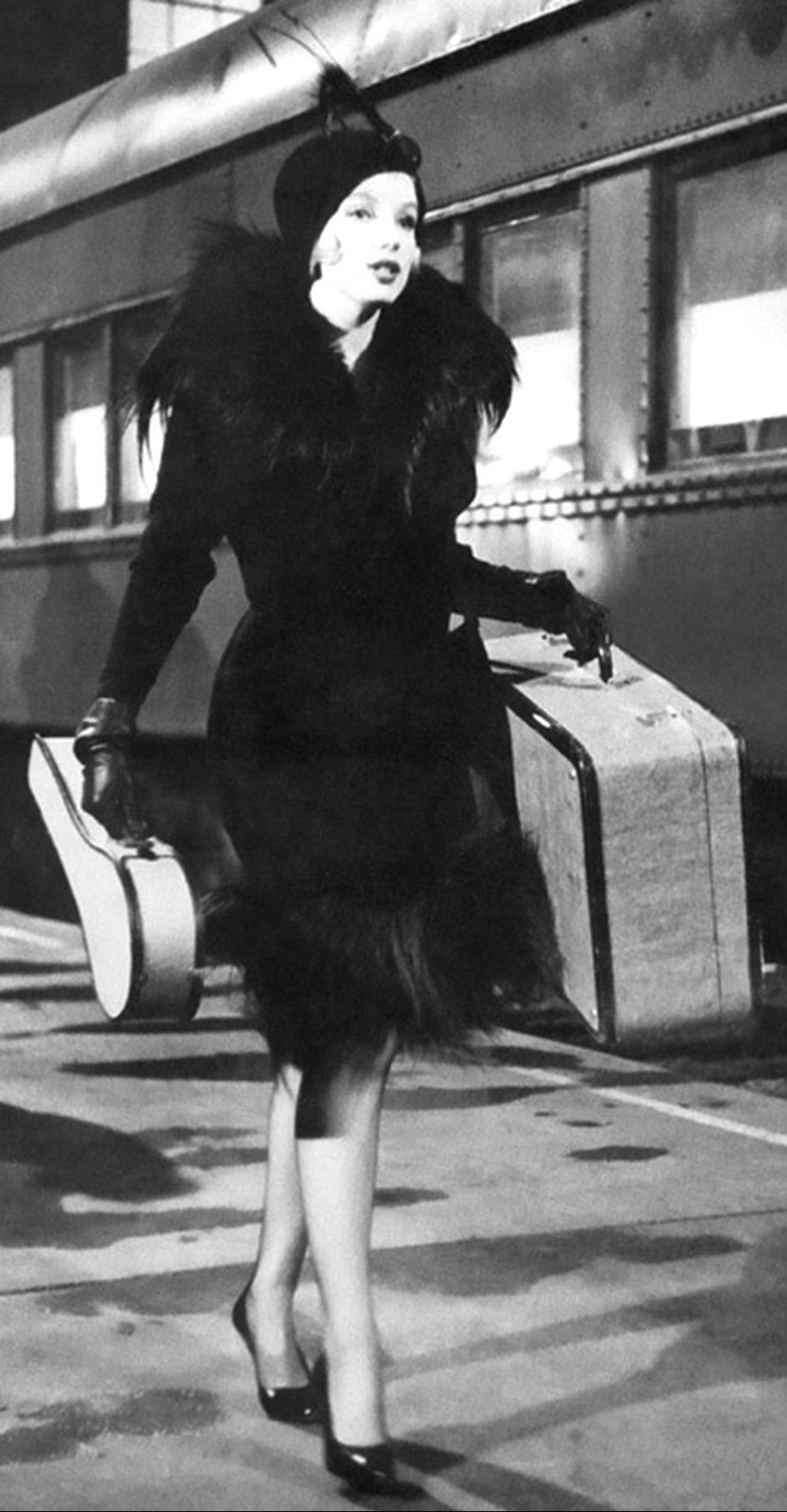
8. Were The Kennedys Involved?
The most famous theories connect Monroe’s death to President John F. Kennedy and his brother, Attorney General Robert F. Kennedy, both of whom were rumored to have had relationships with her. Some authors have claimed she was silenced because of what she knew.
Investigators have never found credible evidence that the Kennedys had anything to do with her death. Even novelist Norman Mailer, who once helped spread the murder theory, later backed away from it. But the rumors remain the most talked-about part of the case.
9. What Happened To Her Phone Records?
For decades, people have claimed that Monroe’s telephone records from that night were taken or hidden before investigators could study them, which would reveal who she spoke to in her final hours. The claim has been repeated in books and documentaries, but it has never been verified.
10. Why Do The “Unanswered Questions” Remain?
In 1982, two investigators from the Los Angeles District Attorney’s office, Ronald H. “Mike” Carroll and Alan B. Tomich, spent months reviewing the case. Their report found no credible evidence that Monroe was murdered and upheld the original ruling.
But the same report acknowledged “factual discrepancies” and “unanswered questions” that it could not resolve. More than 60 years later, those questions are why the world is still talking about the night Marilyn Monroe died.
Where Marilyn Rests Today
Marilyn Monroe was laid to rest on August 8, 1962, in a crypt at Westwood Village Memorial Park in Los Angeles. Her former husband, baseball star Joe DiMaggio, arranged for red roses to be delivered to her crypt three times a week for 20 years.
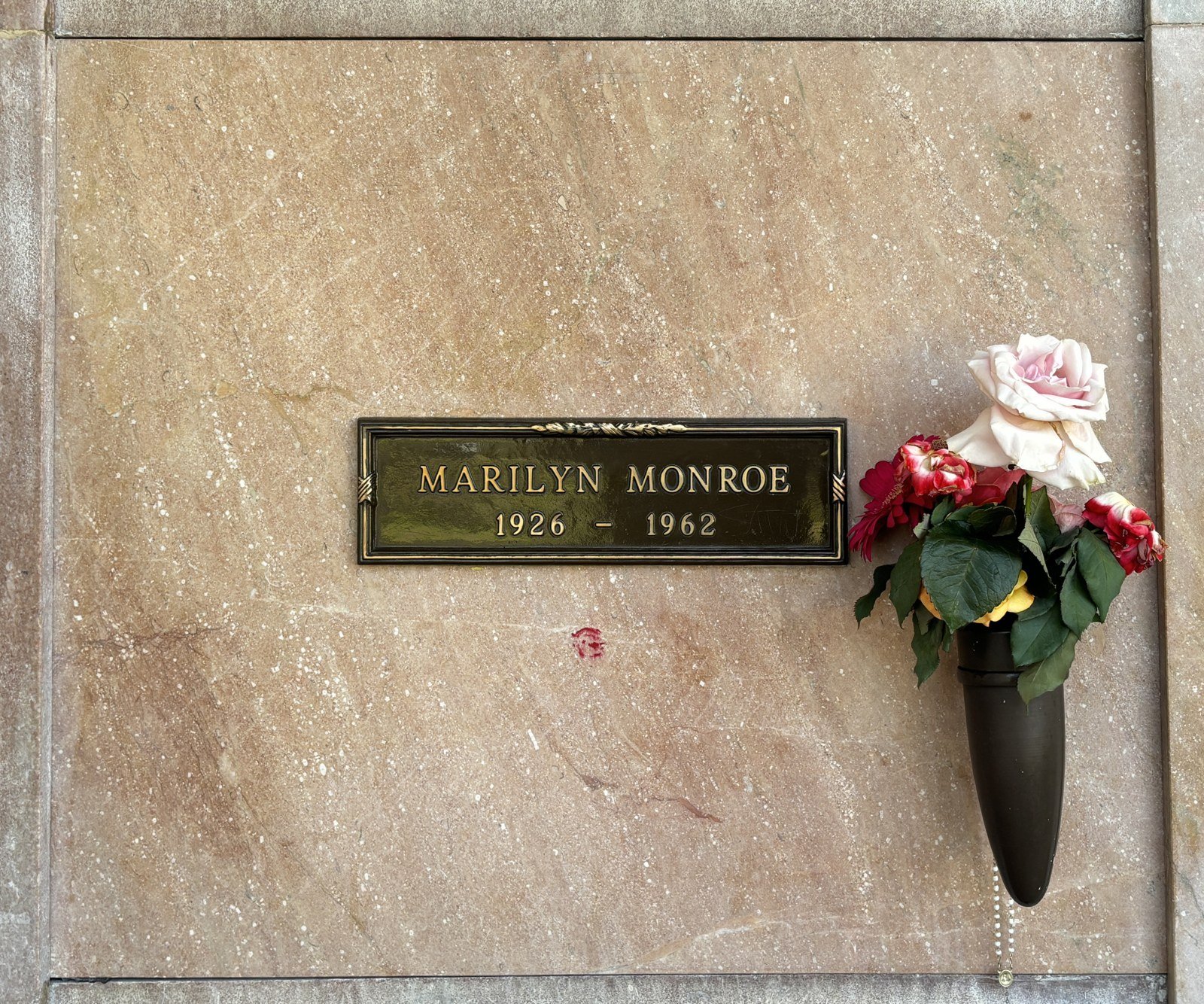
Today, fans still leave flowers and lipstick kisses on the marble every day. The mystery of how she died may never be solved, but her legend has never faded.
What do you believe happened that night? Tell us in the comments.