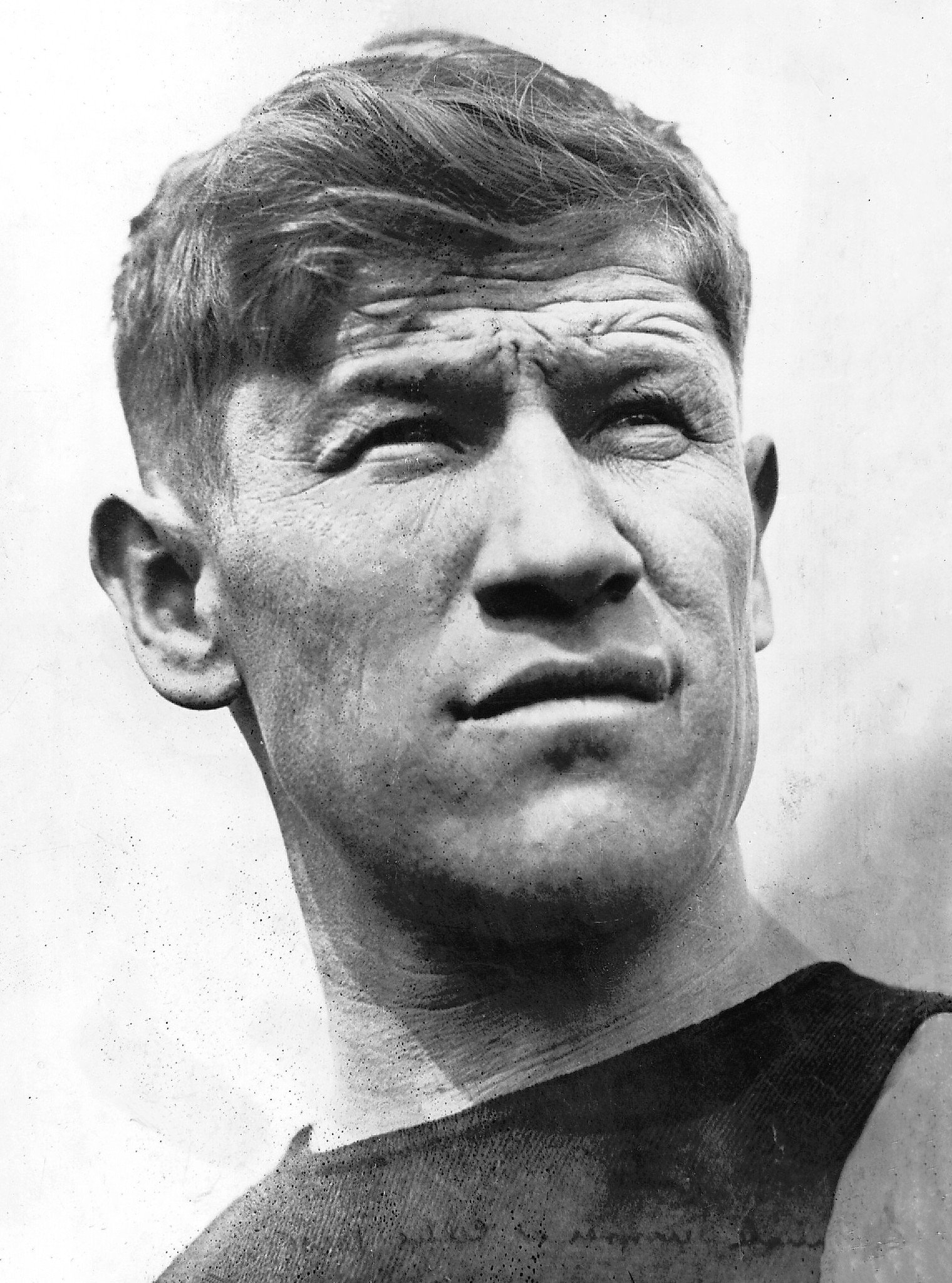
In July 1912, at the Olympic Games in Stockholm, Sweden, a young Sac and Fox man from Oklahoma won two gold medals in the hardest events in track and field: the pentathlon and the decathlon.
According to a famous story, the King of Sweden told him, “Sir, you are the greatest athlete in the world.”
Six months later, his medals were taken away. His name was removed from the Olympic record. It would take 110 years to put it back.
His name was Jim Thorpe.
Bright Path
Jim Thorpe was born in 1887 near Prague, in what was then Indian Territory and is now Oklahoma. His exact birth date is uncertain; most accounts give late May. His parents, Hiram and Charlotte Thorpe, were both of mixed Native and European ancestry. His father was Sac and Fox, and his mother was Potawatomi and Kickapoo, and Jim was raised as a member of the Sac and Fox Nation.
His Sac and Fox name was Wa-Tho-Huk, usually translated as “Bright Path.”
He was born a twin. His brother, Charlie, died of illness when the boys were about nine. Not long after, Jim lost his mother, and then his father. He was sent to boarding schools for Native children, and he ran away from more than one of them.
Carlisle
In 1904, Thorpe arrived at the Carlisle Indian Industrial School in Pennsylvania, a government boarding school built to strip Native children of their languages and cultures.
There, he caught the eye of the school’s famous coach, Glenn “Pop” Warner. According to the well-known story, Thorpe walked past the track team in his work clothes, watched the high jumpers struggle, and then cleared the bar on his first try.
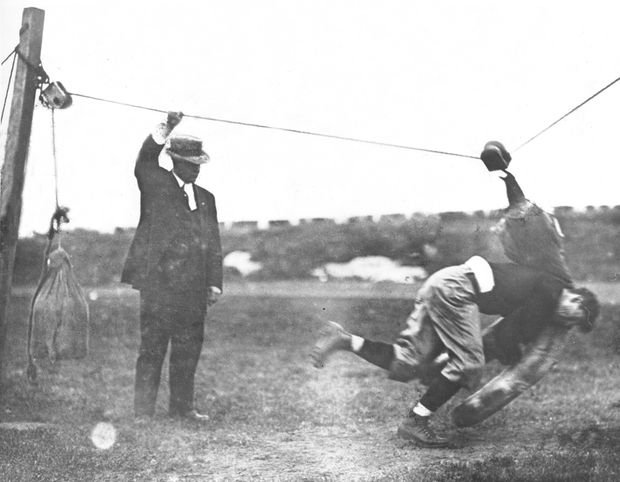
Thorpe became a star in almost every sport Carlisle played. In football, he ran, passed, kicked and tackled. In 1911, little Carlisle beat mighty Harvard, with Thorpe kicking four field goals. In 1912, Carlisle crushed Army 27 to 6. One of the Army players that day was a young cadet named Dwight D. Eisenhower, the future president.
Stockholm, 1912
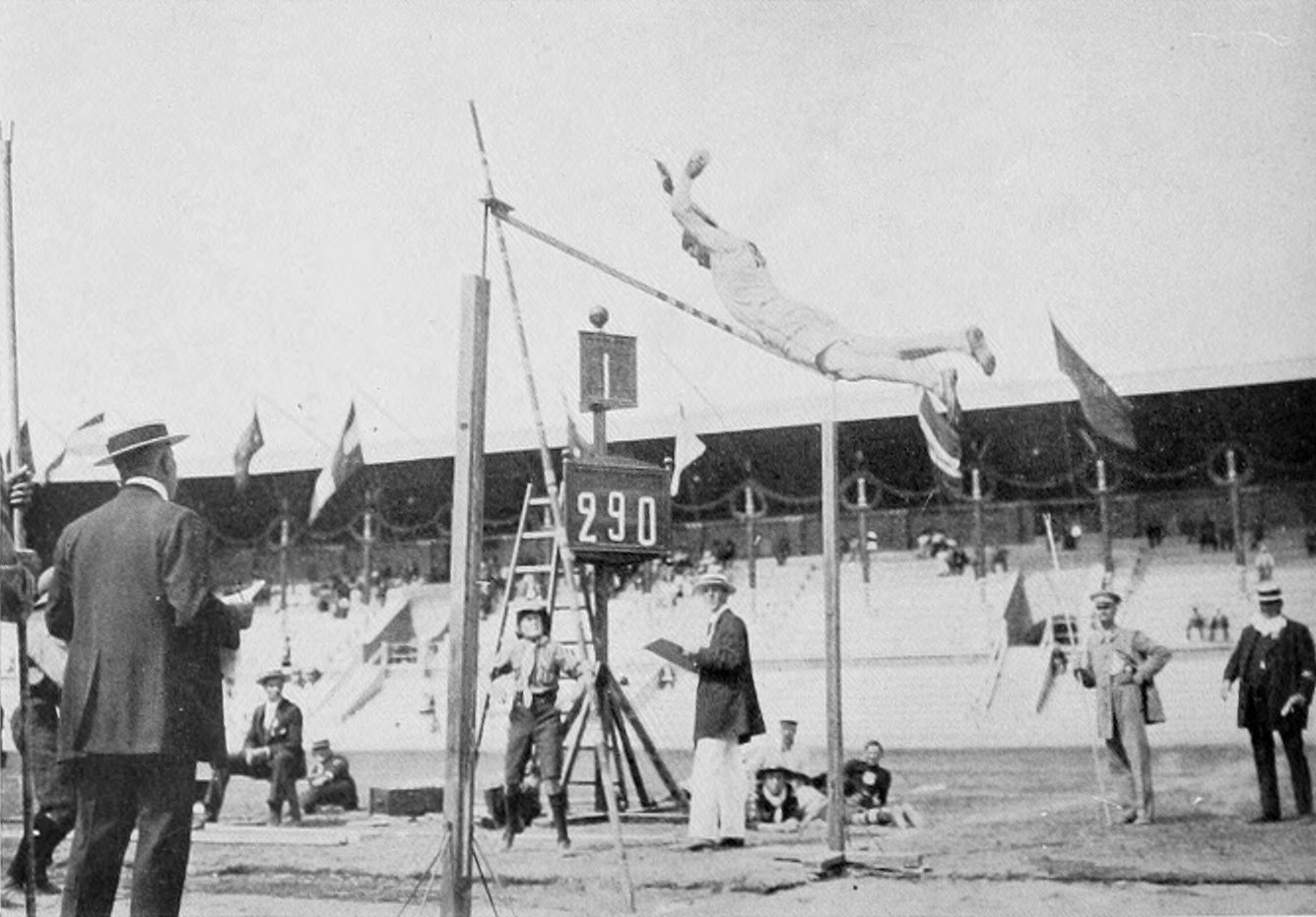
At the 1912 Olympics, Thorpe entered both the pentathlon and the decathlon, two events that test an athlete in running, jumping and throwing.
He won the pentathlon easily, taking four of its five events. A week later, he won the decathlon by a huge margin of nearly 700 points.
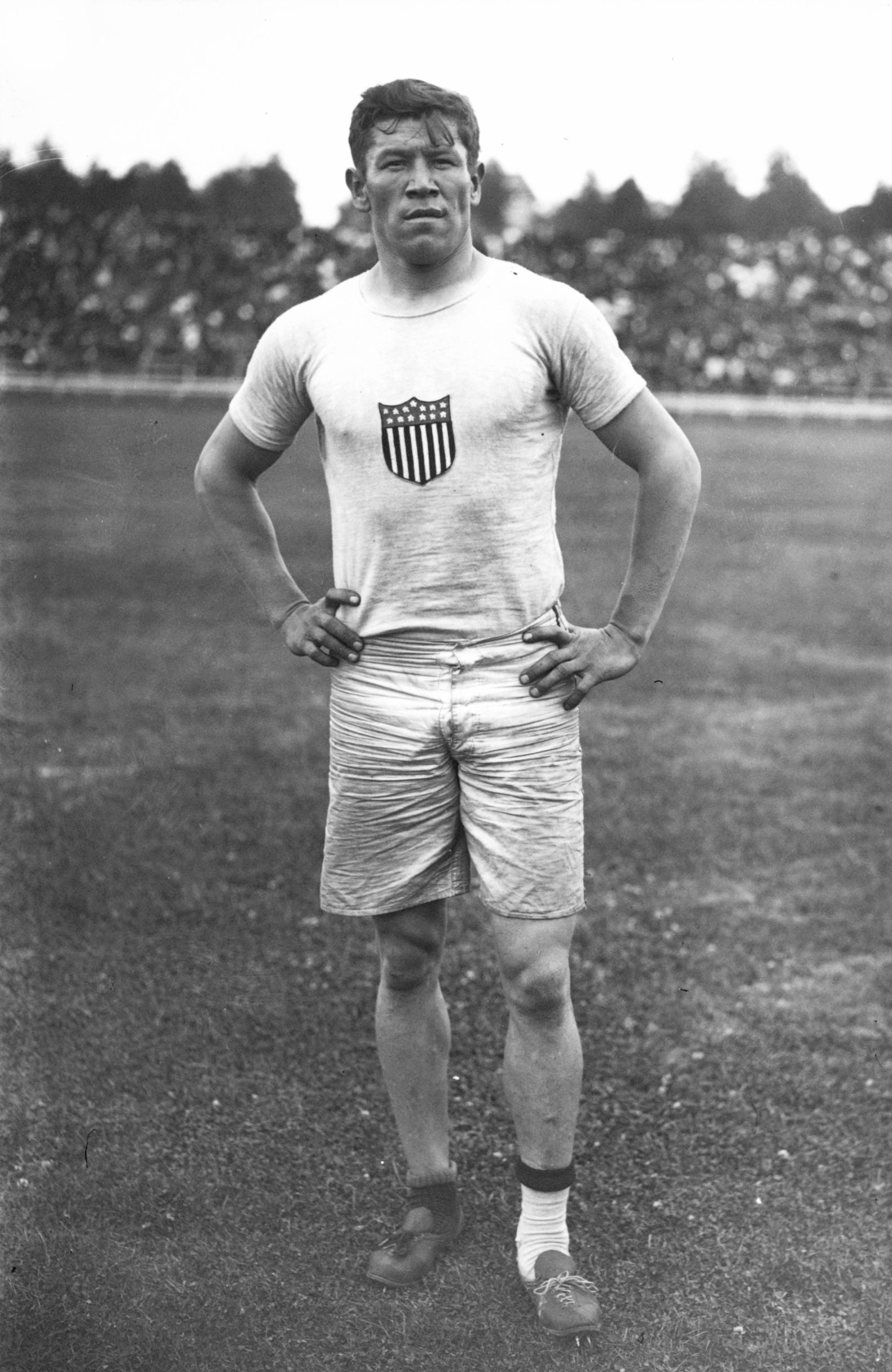
When King Gustav V of Sweden handed him his prizes, he is said to have told him, “Sir, you are the greatest athlete in the world.” According to legend, Thorpe simply answered, “Thanks, King.” Historians note that the story has been retold many times and cannot be fully confirmed, but it became part of his legend.
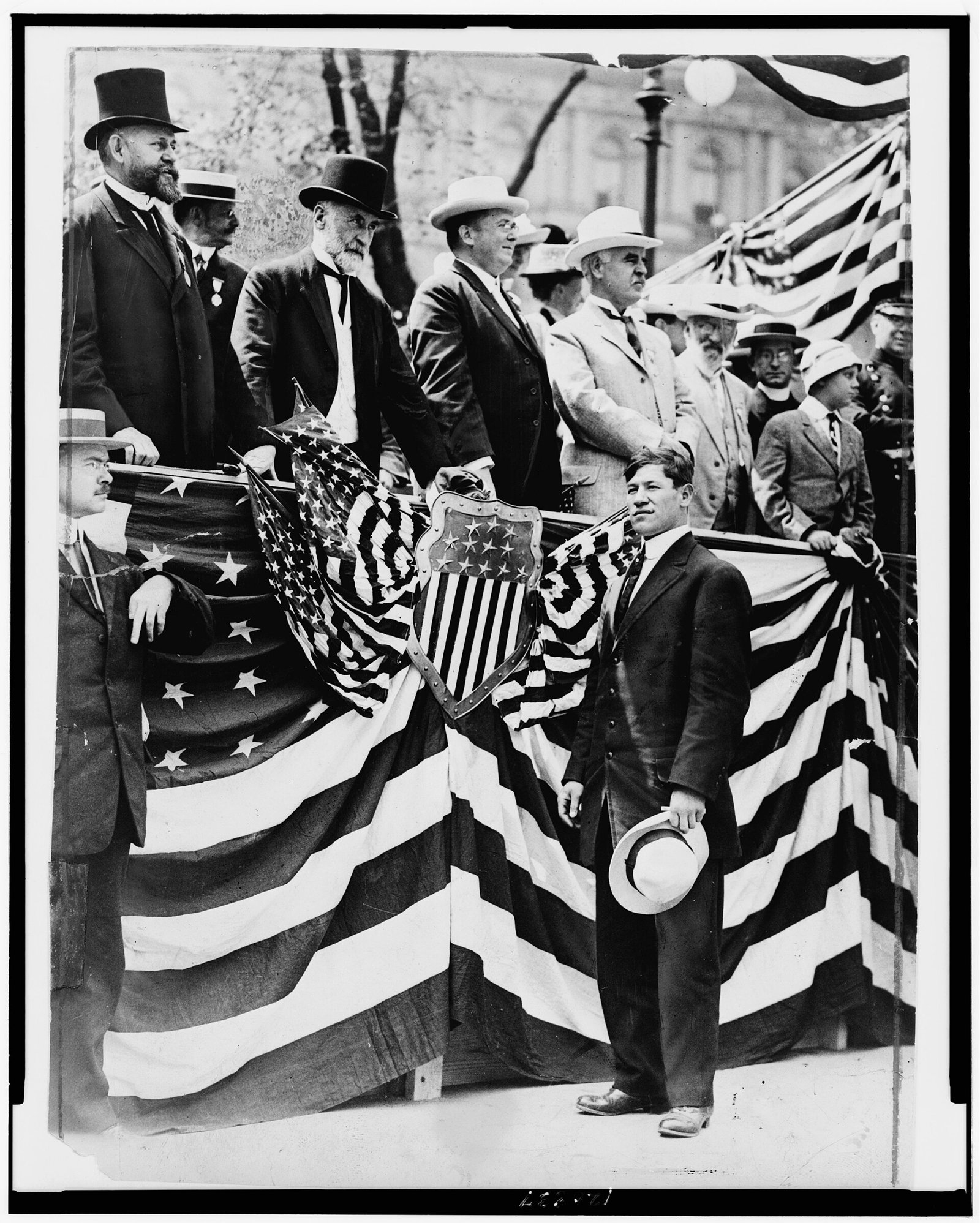
Back home, Thorpe was given a ticker-tape parade in New York City.
Why The Medals Were Taken
In January 1913, a newspaper reported that Thorpe had been paid to play baseball in North Carolina, in the Eastern Carolina League, during the summers of 1909 and 1910. The pay was small. But at the time, Olympic athletes had to be strict amateurs, meaning they could never have been paid to play any sport.
Many college athletes of that time played summer baseball for money. Most of them used fake names. Thorpe played under his own.
Thorpe sent a letter to the Amateur Athletic Union admitting that he had played for pay. He said he had not known it was wrong. Historians believe the letter was probably written with the help of Pop Warner, who protected himself and Carlisle.
The AAU took away his amateur status, and the International Olympic Committee took away his medals and erased his results. The medals went to the second-place finishers, Ferdinand Bie of Norway and Hugo Wieslander of Sweden.
Critics have long pointed out that the rules of the time said protests had to be made within 30 days of the Games. The complaint against Thorpe came about six months later.
Life After The Olympics
Banned from amateur sports, Thorpe turned professional. He played Major League Baseball, mostly for the New York Giants, from 1913 to 1919.
He also played professional football, starring for the Canton Bulldogs. In 1920, he became the first president of the American Professional Football Association, the league that became the National Football League.
In 1950, sportswriters in an Associated Press poll named him the greatest athlete of the first half of the 20th century.
But his later years were hard. His fame did not bring lasting money. He worked many jobs, struggled with drinking and money troubles, and was never able to get his medals back. He died of a heart attack on March 28, 1953, in Lomita, California. He was 65.
A Town Named For A Man Who Never Lived There
Even after death, Thorpe had no peace. His third wife, Patricia, made a deal with two small towns in Pennsylvania, Mauch Chunk and East Mauch Chunk. In 1954, they joined together, took the name Jim Thorpe, and built a memorial for his remains, hoping it would bring visitors. He had never lived there.
Some of his sons and members of the Sac and Fox Nation later fought in court to bring his body home to Oklahoma. In 2015, the U.S. Supreme Court declined to hear the case, and he remains in Pennsylvania today.
110 Years Later
For decades, Thorpe’s family and supporters fought to get his medals restored. In 1982, the IOC gave replica medals to his family and listed him as a co-champion, but he still shared the title with the men who had finished second.
Then, on July 15, 2022, the 110th anniversary of his decathlon win, the IOC announced that Jim Thorpe was once again the sole champion of both events.
The Bright Path from Oklahoma was finally given back what he had won in 1912.