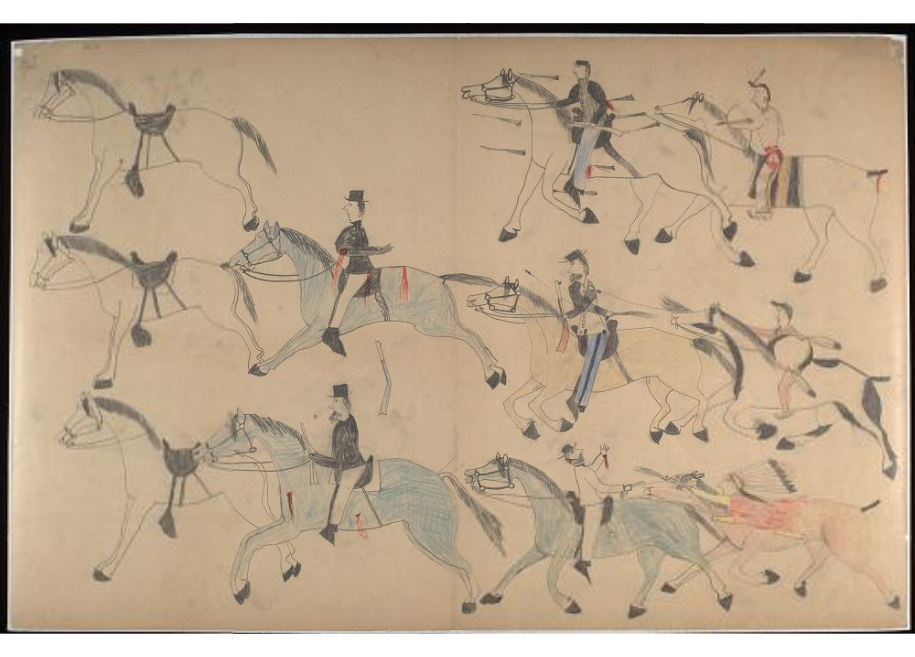
Most stories of the Little Bighorn are told from the hill where George Armstrong Custer died. They follow the soldiers, the officers and the famous “last stand.”
But there is another way to tell it: from the camp along the river that the Lakota call the Greasy Grass, and through the eyes of the warriors who rode out to defend it. And in almost every account from that side, one name keeps returning: Crazy Horse.
Historians still debate exactly what Crazy Horse did on June 25, 1876, and no single account tells the whole story. But the men who fought beside him, Lakota, Cheyenne and Arapaho, left testimony that helps explain how Custer’s command was destroyed in a single afternoon.
Who Was Crazy Horse?
Crazy Horse was an Oglala Lakota, born around 1840 near Rapid Creek in the Black Hills. As a boy he was called Light Hair because his hair was unusually light. He later took his father’s name, Crazy Horse.
He was famous among his people not for speeches or treaties, but for his courage in battle and his refusal to live on a reservation. He followed rules from a vision: according to his friend He Dog and others, he wore no war bonnet, often just a single feather, and carried a small stone tied under his left arm. Before a fight he would rub dust over his hair and body.
Ten years before the Little Bighorn, in December 1866, he was among the warriors credited with luring Captain William Fetterman’s command into a trap near Fort Phil Kearny. Fetterman and all 80 men with him were killed. The U.S. Army had already learned what Crazy Horse could do.
Eight Days Before Custer: The Rosebud
In the summer of 1876, the Army sent three columns to force the free Lakota and Cheyenne bands onto reservations. The first to meet them was General George Crook, coming up from the south with about 1,000 soldiers and some 260 Crow and Shoshone allies.
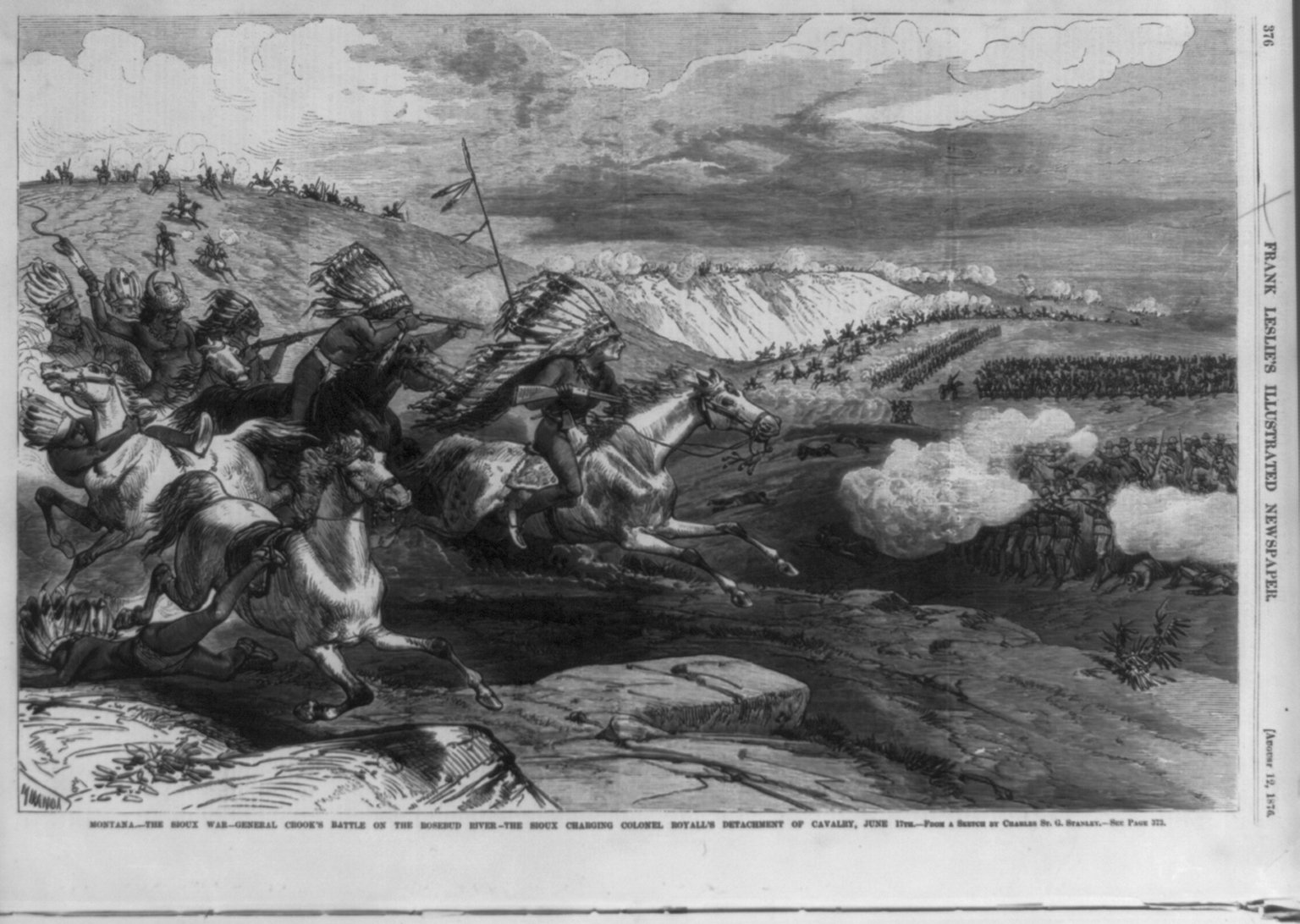
On June 17, 1876, Lakota and Cheyenne warriors struck Crook’s column along Rosebud Creek in Montana. The fighting went on for hours. A Lakota named Short Buffalo later recalled that Crazy Horse and a few other leaders “rallied the Sioux, turned the charge,” and drove the soldiers back.
Crook pulled back to his base camp to wait for reinforcements and supplies. He would take no further part in the campaign for weeks. Custer, eight days later, would not know that one of the three columns was out of the fight, or how strong and confident the camp had become.
The Camp On The Greasy Grass
After the Rosebud, the bands moved west to the valley of the Little Bighorn River. It was one of the largest gatherings the Northern Plains had ever seen: Hunkpapa, Oglala, Minneconjou, Sans Arc, Blackfeet Lakota and Brulé, along with Northern Cheyenne and a few Arapaho. Historians estimate the camp held somewhere between 1,100 and 2,500 fighting men, and thousands of women, children and elders.
On the afternoon of June 25, soldiers under Major Marcus Reno charged the southern end of the camp, where the Hunkpapa lodges stood. The alarm spread through the village. Warriors grabbed weapons and horses while women and children ran for safety.
Later accounts describe Crazy Horse taking time to prepare his medicine before riding out, as he always did. When he did ride, warriors followed him.
Driving Back Reno
The first fight was against Reno. Some historians place Crazy Horse in this fight, as Lakota and Cheyenne warriors poured out of the camp and swung around the soldiers’ flank.
Reno’s men dismounted, fell back into the timber along the river, and then broke. They fled across the river and up the bluffs on the other side. Of about 130 soldiers who entered the valley fight, 33 were killed. The threat to the south end of the camp was over.
But word was spreading that more soldiers had been seen on the hills to the north and east. That was Custer.
Turning Toward Custer
Custer and about 210 men of five companies had ridden north along the bluffs, looking for a way to strike the village. Warriors who had fought Reno now turned and rode downstream to meet this new threat, while more poured out of the camp’s northern circles.
The warriors did not fight as one block. They came at Custer’s command from several directions. The Hunkpapa leader Gall and others pressed up from the south and southwest. Other groups, including warriors with Crazy Horse and the Cheyenne under Two Moons, worked their way around to the north and northeast. Custer’s companies, strung out along a long ridge, were being surrounded.
The Charge That Broke Custer’s Line
The warriors’ accounts point to one moment as a turning point. According to He Dog, Crazy Horse’s close friend, Crazy Horse led the charge that broke the 7th Cavalry’s line at the position held by Captain Myles Keogh’s Company I, and split Custer’s battalion into two groups.
Gall later recalled seeing Crazy Horse in a ravine north of Calhoun Hill, firing quickly, just before the charge that overran the soldiers’ line there.
An Arapaho warrior named Water Man, who fought that day, said simply that Crazy Horse “was the bravest man I ever saw.” He rode closest to the soldiers, Water Man said, and though they fired at him, he was never hit.
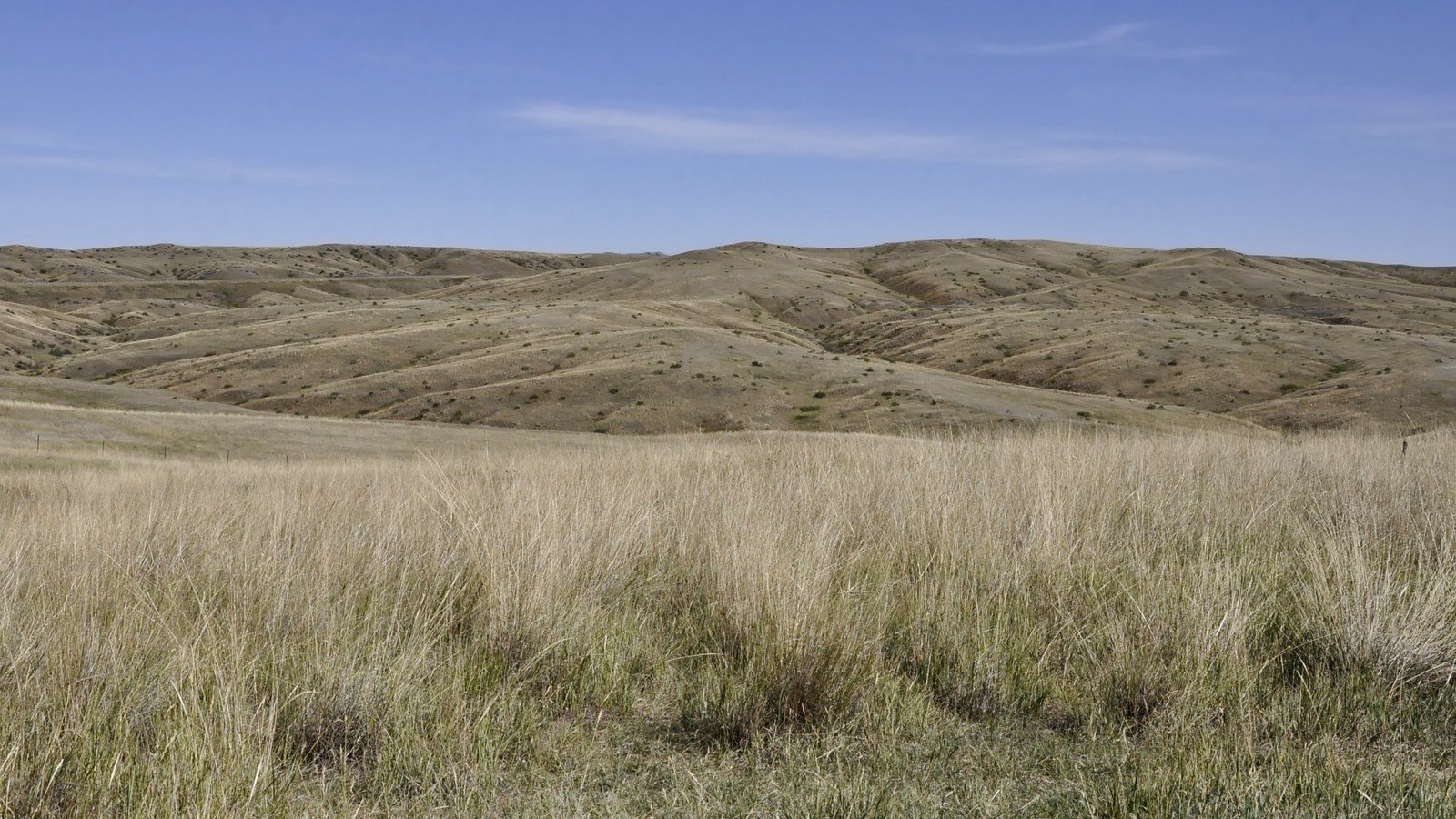
Once the line broke, Custer’s command came apart. Soldiers on the southern part of the ridge were cut off from those on the northern end. Small groups tried to reach the high ground at the far end of the ridge, where Custer himself was. Warriors closed in from every side.
“As Long As It Takes A Hungry Man To Eat A Meal”
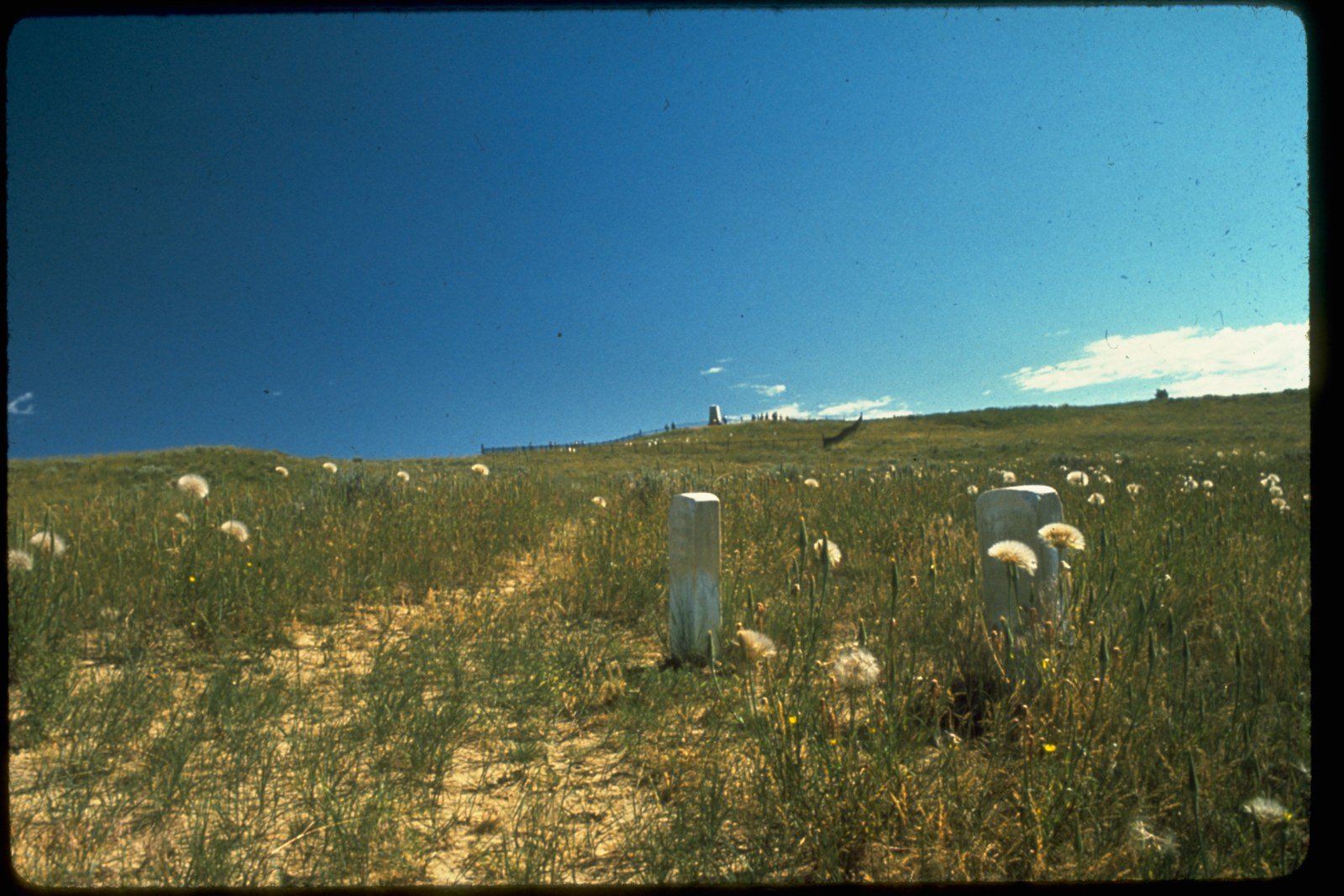
By almost every account, the fight with Custer’s battalion lasted less than an hour. One Native description said it took about as long as it takes a hungry man to eat a meal. Custer, his two brothers, his nephew, his brother-in-law and every soldier in the five companies with him were killed.
The camp paid a price too. Estimates of the warriors killed range from about 30 to 100, and Lakota accounts say many of them fell in the final fighting near what is now called Last Stand Hill. There was mourning in the lodges that night.
Historians caution that the popular image of Crazy Horse leading a thousand warriors in one great sweeping charge is a legend built after the battle. The victory belonged to many leaders and many warriors. But in the accounts of the people who were there, Crazy Horse stands out again and again for his courage at the moment it mattered most.
What Happened To Crazy Horse After The Little Bighorn?
The victory brought no peace. The Army poured more soldiers onto the Plains, and the free bands were hunted through a hard winter. Crazy Horse kept fighting into January 1877.
In May 1877, with his people hungry and worn down, he led them into Camp Robinson in Nebraska and surrendered. Four months later, on September 5, 1877, he was fatally wounded with a bayonet by a soldier during a struggle as officers tried to lock him in the guardhouse. He was about 37 years old.
Most historians believe Crazy Horse was never photographed. His family took his body away, and where he lies has never been revealed. To many Lakota people, that is exactly how he would have wanted it.
After reading how Crazy Horse destroyed Custer’s command, discover 10 mysteries of Crazy Horse that historians still can’t answer. Then, read about the 10 mistakes that led to Custer’s Last Stand.