On July 4, 1876, the United States celebrated its 100th birthday. In Philadelphia, crowds filled the Centennial Exhibition to admire the steam engines, telephones and inventions of a confident young nation.
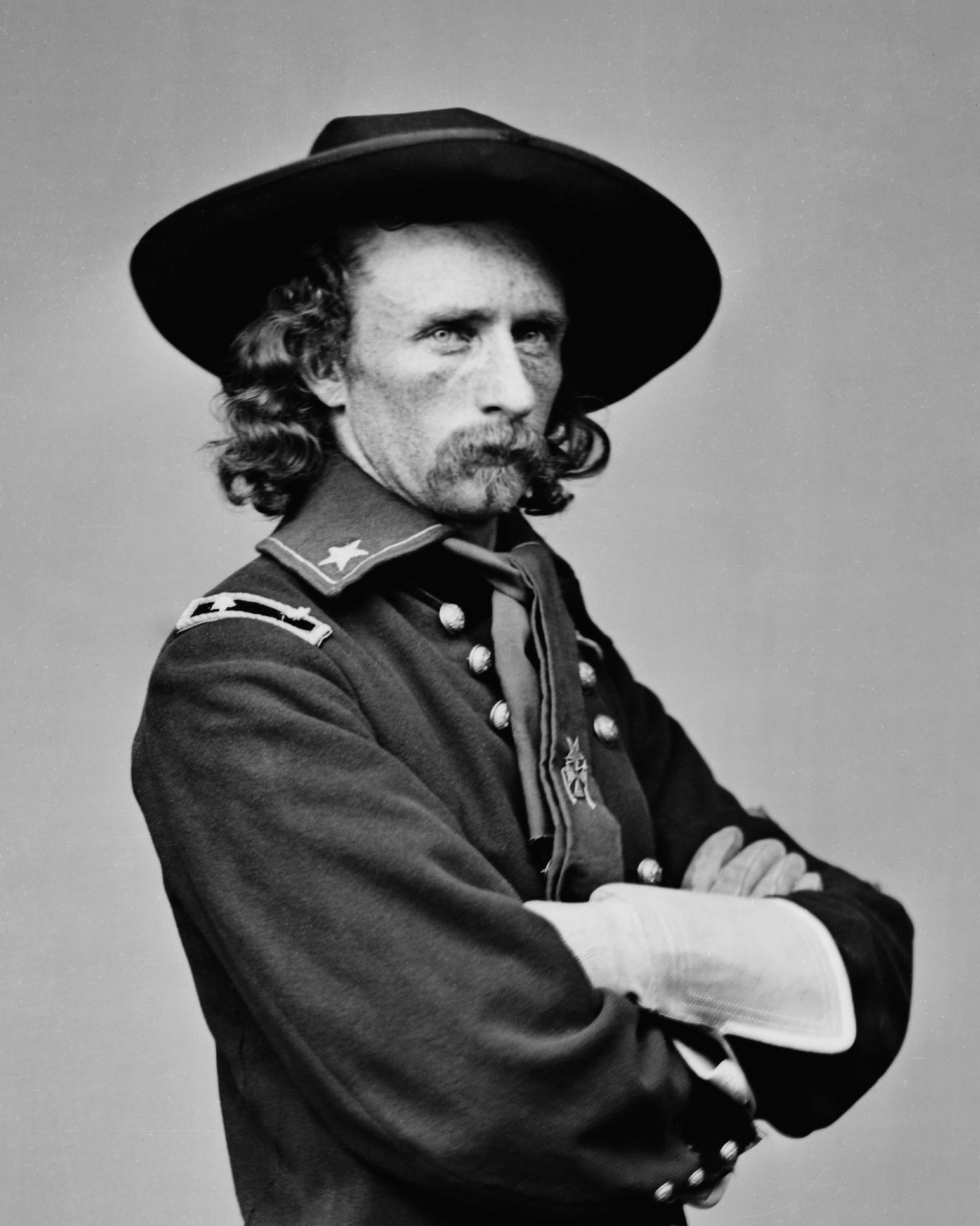
Two days later, the country woke up to shocking news. On June 25, far away in Montana Territory, Lieutenant Colonel George Armstrong Custer and every soldier in the five companies with him had been killed by Lakota, Cheyenne and Arapaho warriors at the Little Bighorn.
What followed was a national argument that has never completely ended. Here is what America said about Custer’s Last Stand: in the newspapers, in the White House, in Congress, and more than a century later.
“Massacre Of Our Troops”: The News Breaks
The battle took place far from any telegraph line. The first brief reports appeared in Montana newspapers in Bozeman and Helena in the first days of July. The full story arrived on the night of July 5, when the steamboat Far West docked at Bismarck, in Dakota Territory, carrying wounded soldiers from Major Marcus Reno’s command.
Clement Lounsberry, editor of the Bismarck Tribune, had extra reason to care. His own reporter, Mark Kellogg, had ridden with Custer and died with him. Lounsberry worked through the night. His paper’s special edition, dated July 6, carried the headline “Massacred: Gen. Custer and 261 Men the Victims.” Lounsberry also sent the story east over the only telegraph line, a dispatch so long that, according to one account, the operator kept the line busy by tapping out verses from his Bible whenever Lounsberry fell behind.
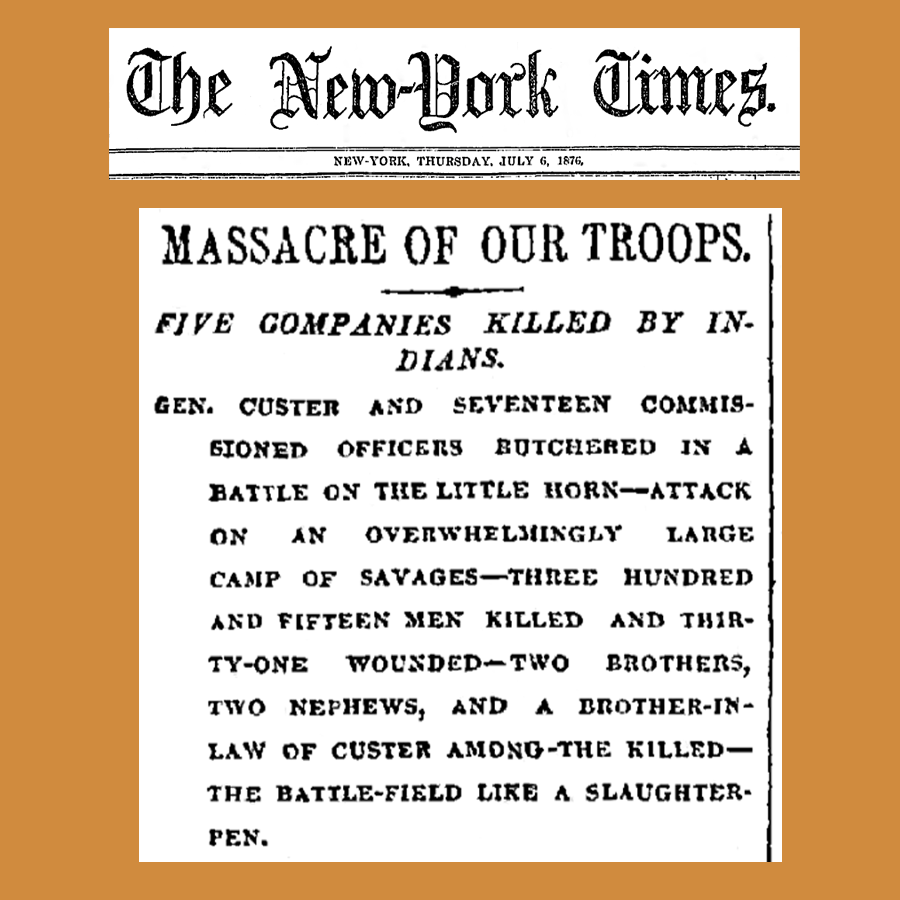
On July 6, the New York Times ran the headline “Massacre of Our Troops,” followed by lines about Custer and his officers killed by an “overwhelmingly large camp.” Newspapers across the country used the same language. To most of the American press, it was a massacre. Few reporters asked what the Lakota and Cheyenne families in that camp had been defending.
A Shock Bigger Than The Battle
In numbers, the Little Bighorn was not the U.S. Army’s worst loss against Native nations. St. Clair’s Defeat in 1791 had killed more than twice as many soldiers. But the timing turned it into a national trauma.
Historian Richard White has described it as a minor battle compared with the Civil War, but shocking because of when it happened. Americans had just spent a week celebrating a century of progress, and now one of the country’s most famous soldiers had been wiped out on the Plains.
Walt Whitman’s Poem
Within days, America’s poets responded. On July 10, 1876, the New York Tribune published “A Death-Sonnet for Custer” by Walt Whitman, written just two weeks after the battle. Whitman was paid ten dollars for it.
The poem praised Custer as a fallen hero. Later, Whitman retitled it “From Far Dakota’s Cañons.” The Walt Whitman Archive notes that the poem’s language about Native people relies on the stereotypes of the time, which was typical of how the battle was remembered for decades.
What President Grant Said
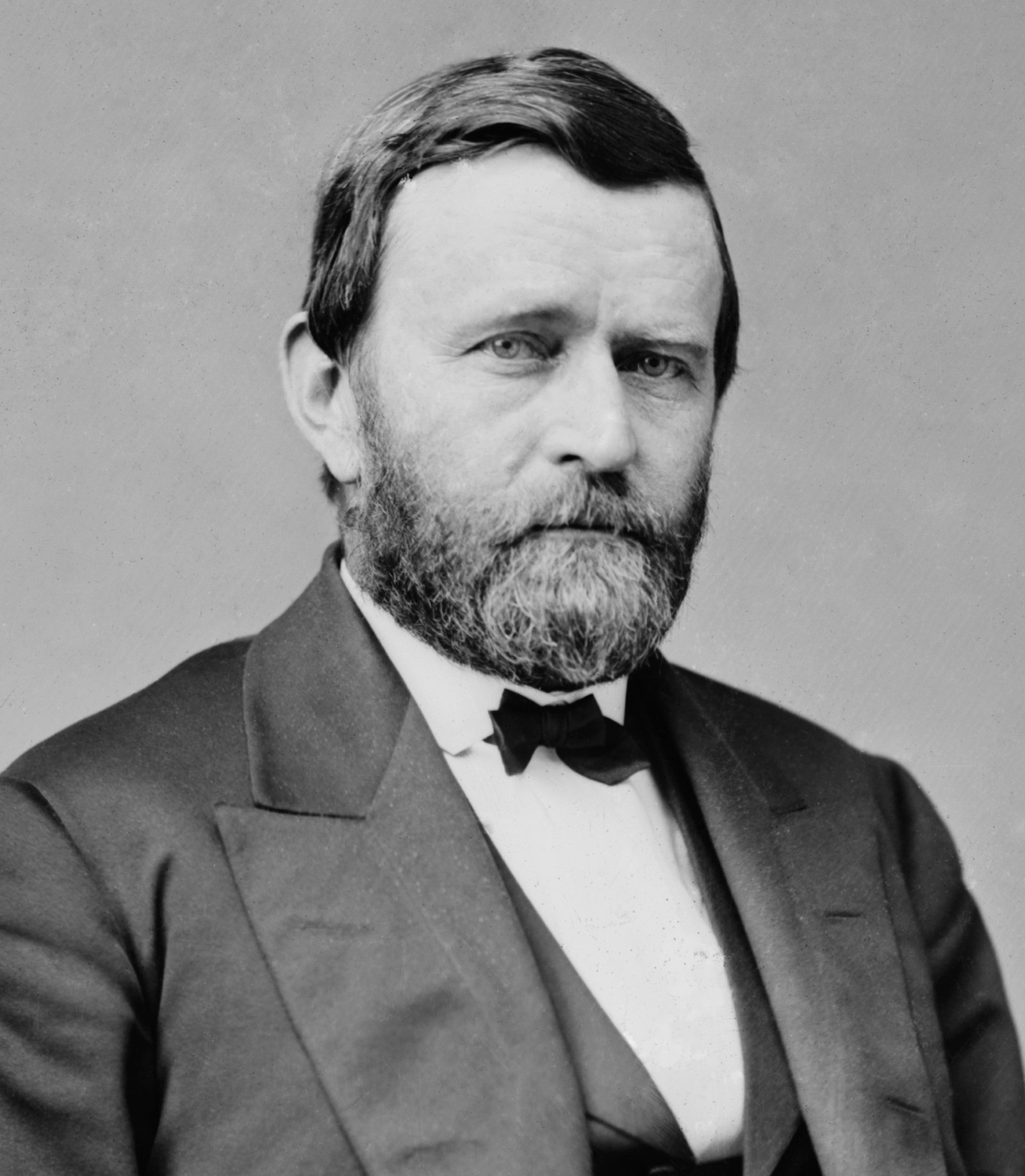
Not everyone in Washington saw Custer as a fallen hero. President Ulysses S. Grant had clashed with Custer only months earlier. In the spring of 1876, Custer had testified before Congress about corruption in the War Department, and his testimony touched Grant’s own brother. Grant was so angry that he removed Custer from command of the campaign and allowed him to go only after pleas from his superiors.
In September 1876, the New York Herald published an interview with the President. Grant was blunt: “I regard Custer’s massacre as a sacrifice of troops, brought on by Custer himself, that was wholly unnecessary.”
What Congress Did
Congress acted quickly, and it did not hold anyone back. On August 11, 1876, Grant asked Congress to add 2,500 more cavalry soldiers. By an act of August 15, 1876, Congress approved the increase. It also paid for two new forts in Montana Territory. They became Fort Keogh, named for Captain Myles Keogh, who died with Custer, and Fort Custer.
On the same day, August 15, 1876, Congress attached a rider to the Indian appropriations act. It said no more food would be provided to the Lakota under their treaty unless they gave up the Black Hills. The Lakota still call it the “Sell or Starve” Act.
In 1877, Congress took the Black Hills, based on an agreement signed by only about one in ten Lakota men, far short of the three-fourths required by the Fort Laramie Treaty of 1868. More than a century later, in 1980, the U.S. Supreme Court ruled that the land had been taken illegally.
Who Was To Blame? The Army’s Argument
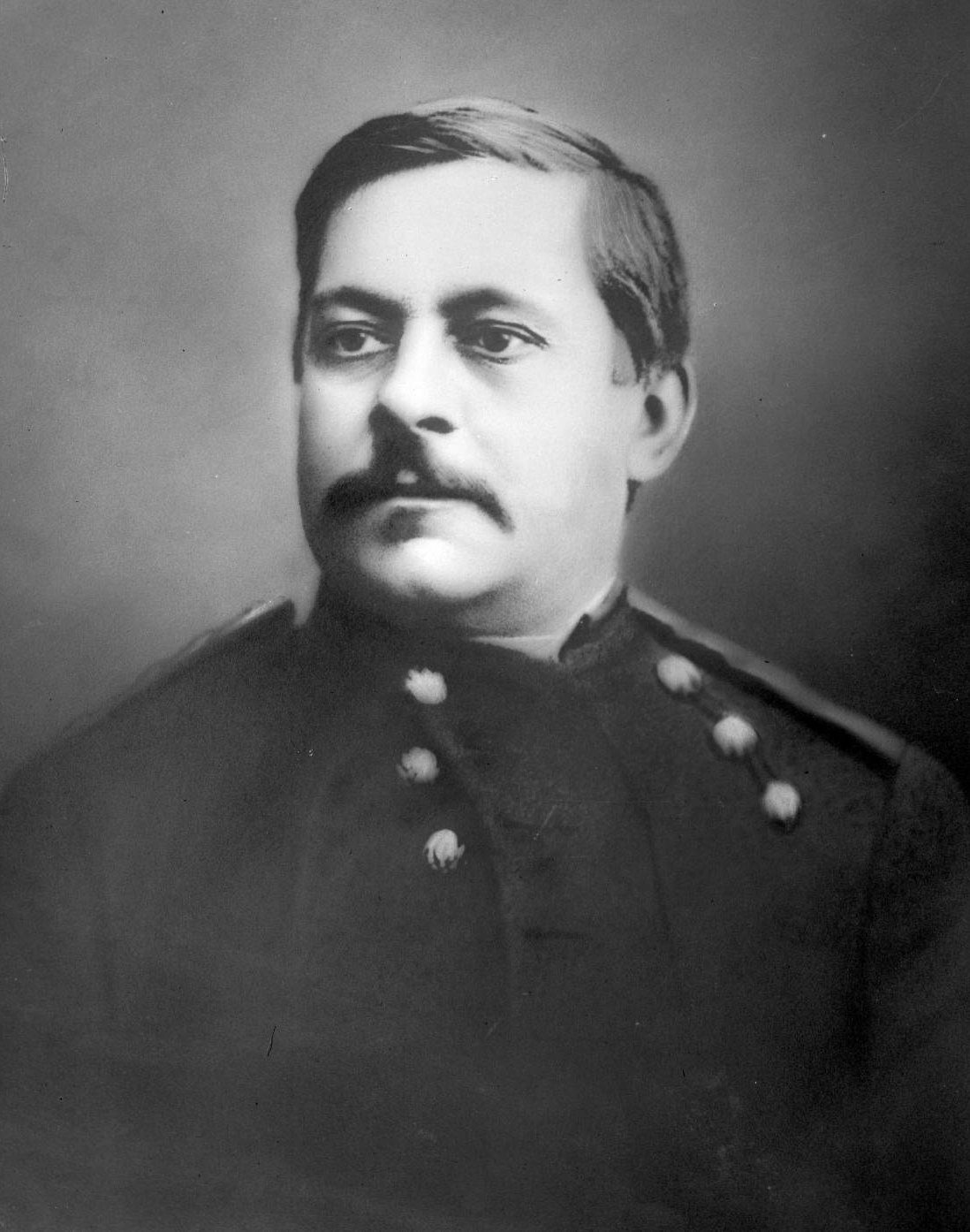
Inside the Army, the arguments began almost at once. Some officers blamed Custer for dividing his regiment and attacking before the other columns arrived. Others blamed Major Reno, who had retreated from the valley, and Captain Frederick Benteen, who did not ride to Custer’s aid.
In late 1876, writer Frederick Whittaker published a fast biography, A Complete Life of Gen. George A. Custer, praising Custer and attacking Reno. Whittaker pressed for an investigation, and in 1879 Reno himself asked for one. A military Court of Inquiry met in Chicago in January and February 1879 and heard 23 witnesses. It concluded that while others had shown more courage, there was nothing in Reno’s conduct that required action by the court. Custer’s supporters called it a whitewash.
Libbie Custer And The Making Of A Legend
Custer’s widow, Elizabeth “Libbie” Custer, spent the next 57 years defending his memory. In books such as Boots and Saddles (1885), she told the story of her life with Custer on the Plains. She wrote that the battle “wrecked the lives of twenty-six women at Fort Lincoln,” the wives of the officers and men who died.
Thanks largely to her, to Buffalo Bill’s Wild West shows, and to the Anheuser-Busch lithograph “Custer’s Last Fight,” which hung in saloons across the country, Custer became a national hero for generations. Many historians believe that critics such as Benteen held back while Libbie was alive. She died in 1933.
What America Says Today
For more than a century, the battlefield was officially named after the man who lost there: Custer Battlefield National Monument. Native nations and their supporters argued that it should honor everyone who fought.
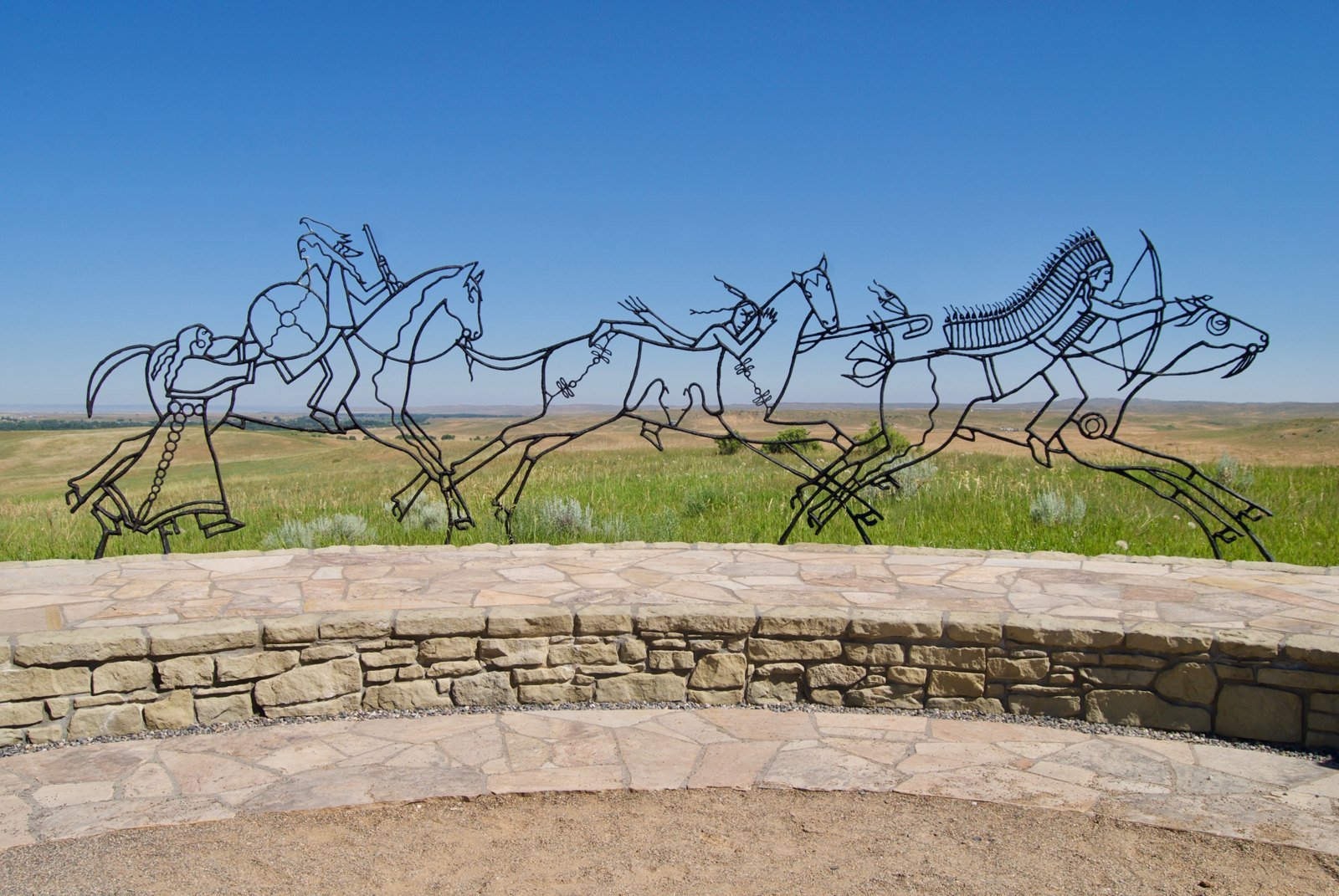
On December 10, 1991, President George H. W. Bush signed a law renaming it the Little Bighorn Battlefield National Monument. The bill was championed by Ben Nighthorse Campbell, a Northern Cheyenne member of Congress and the only Native American in Congress at the time. The same law called for a memorial to the Native people who fought there, noting that they had given their lives “defending their families and traditional lifestyle.”
The Indian Memorial was dedicated on June 25, 2003, the 127th anniversary of the battle. Today, the National Park Service tells the story of the Little Bighorn from both sides, including the Lakota, Cheyenne, Arapaho, Crow and Arikara.
From “Massacre” To Memorial
In 1876, America called the Little Bighorn a massacre and Custer a martyr. Its President called the battle an unnecessary sacrifice, and its Congress answered by sending more troops and taking the Black Hills. More than a century later, the country renamed the battlefield and honored the warriors who defended their families there.
After reading what America said about Custer’s Last Stand, find out who really killed Custer. Then, read the 10 mistakes that led to Custer’s Last Stand.